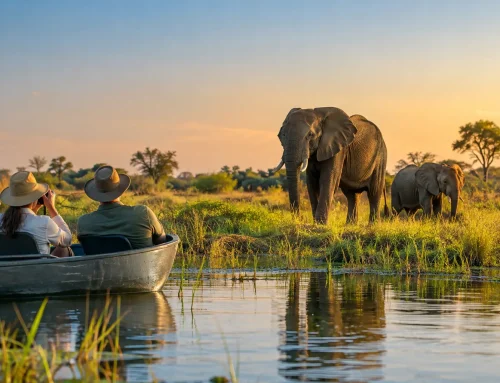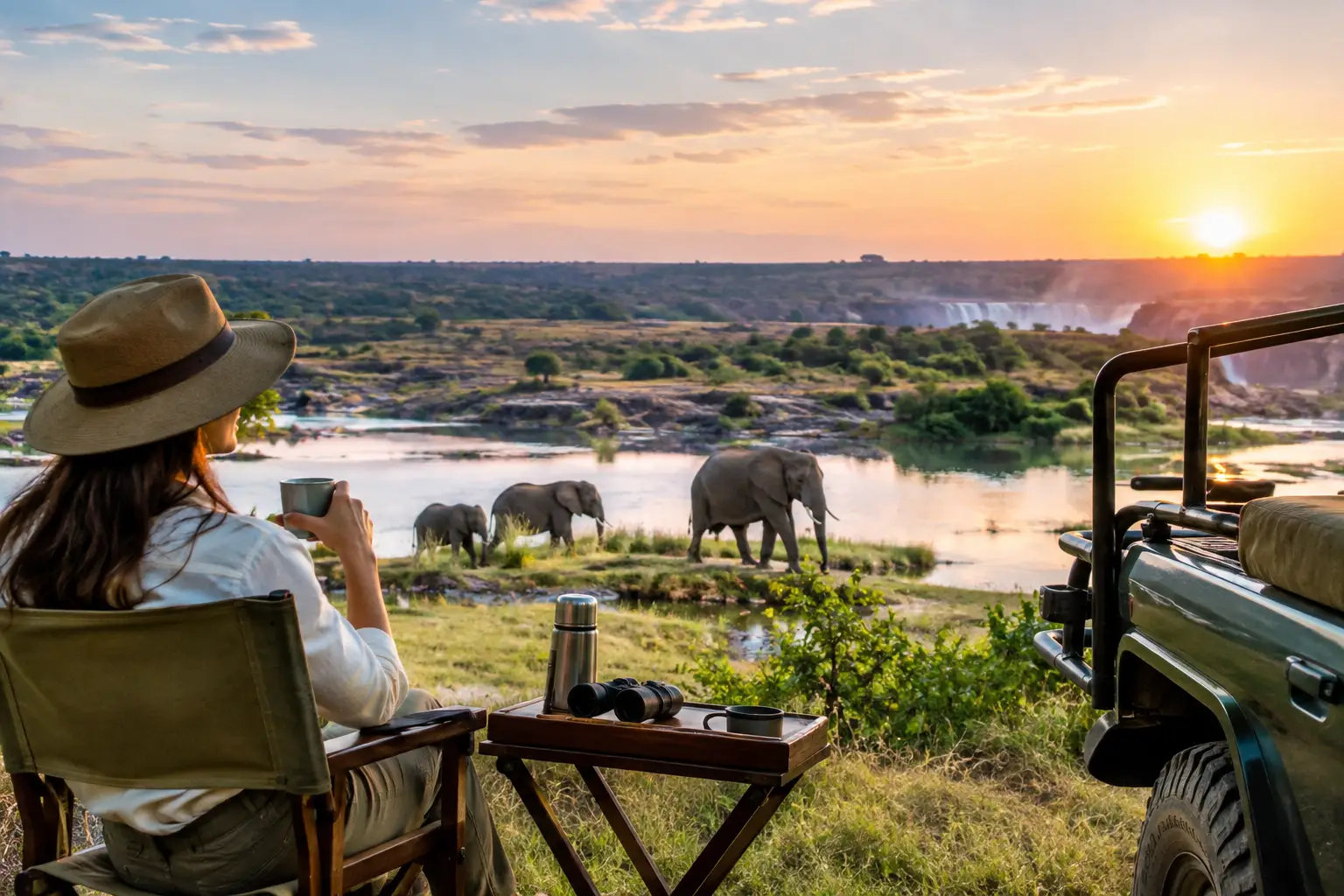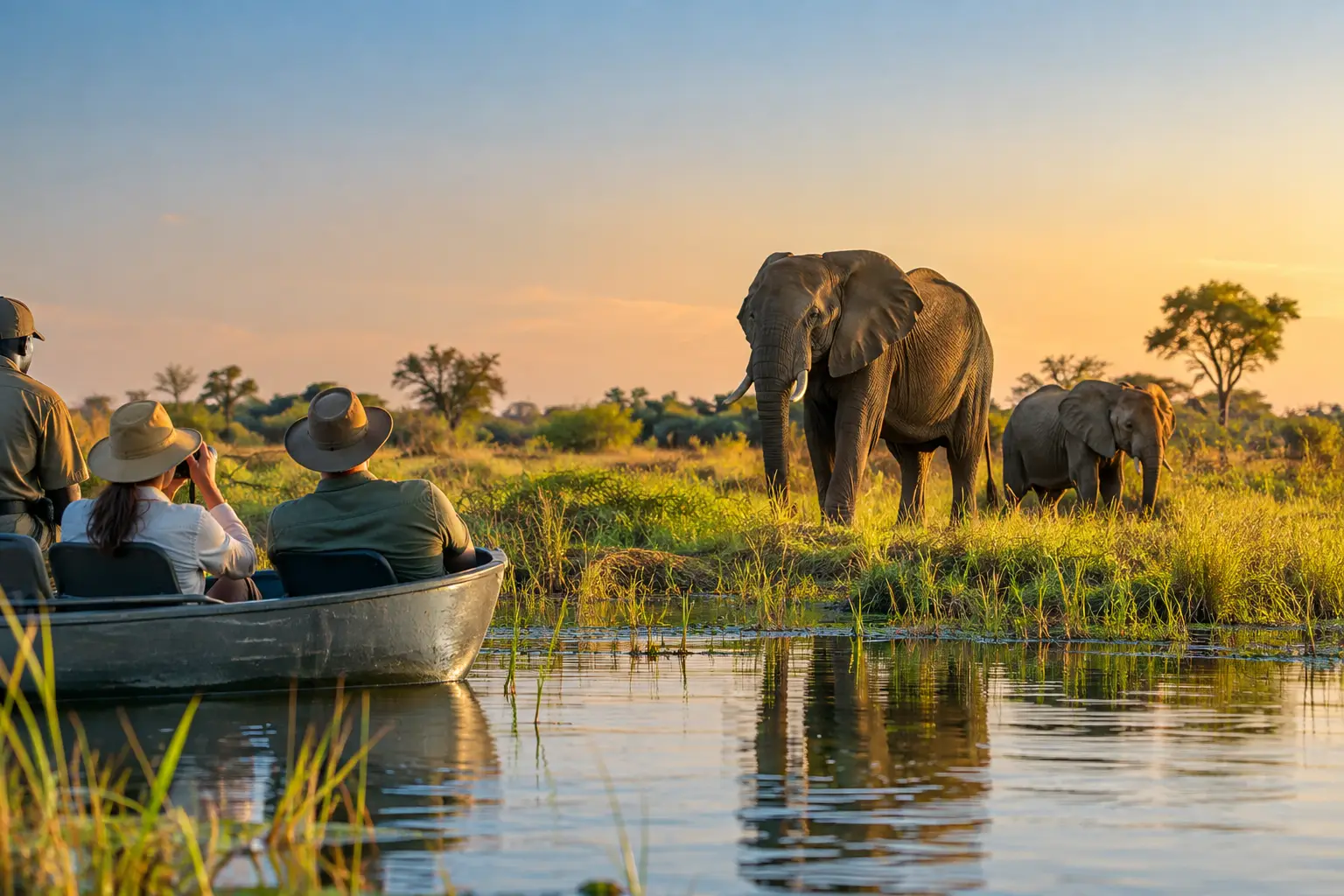
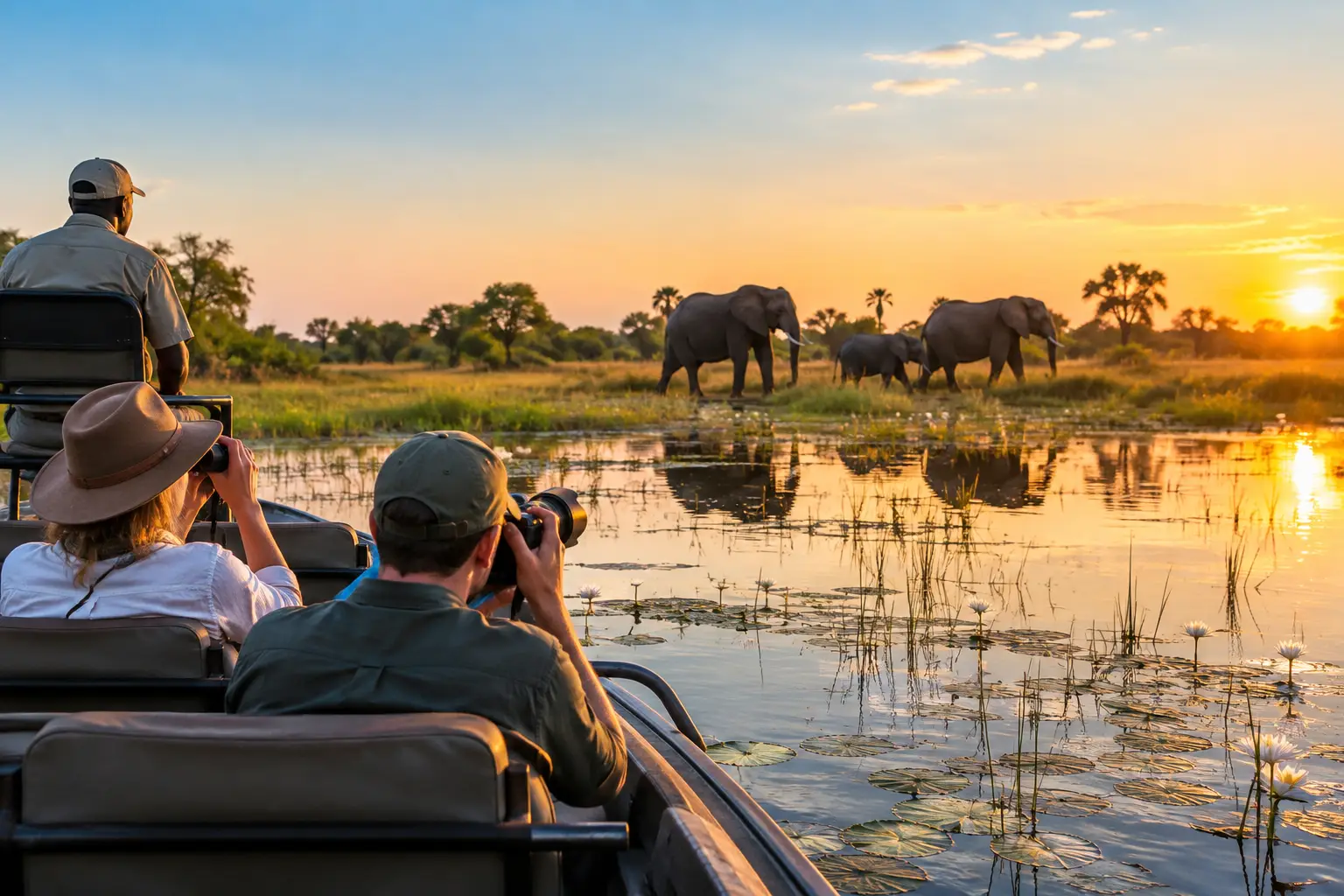
The first sound may be water tapping softly against a mokoro canoe. Then comes the low call of a fish eagle, the rustle of reeds, and a distant elephant moving through an island of palms. An Okavango Delta safari is unlike a conventional African game drive holiday because the landscape itself is alive with movement. Channels appear, grasslands flood, and wildlife adjusts its rhythms with the water.
For travelers who want wilderness without sacrificing comfort, Botswana’s Okavango Delta offers a rare balance: intimate wildlife encounters, exceptional guiding, elegant camps, and a sense of remoteness that feels increasingly difficult to find. The key is choosing the right season, concession, camp style, and pace for the experience you want.
Why an Okavango Delta Safari Feels Different
The Okavango is an inland delta in northern Botswana, where rainwater from Angola travels hundreds of miles before spreading across the Kalahari sands. Rather than flowing to the sea, the water creates a seasonal mosaic of lagoons, papyrus channels, floodplains, woodland islands, and open grassland.
That geography changes how you experience wildlife. One morning may unfold by vehicle, following lion tracks through dry mopane woodland. By afternoon, you may be gliding through lily-covered channels in a mokoro, guided by a local poler standing quietly at the stern. At certain camps, boating, fishing, walking safaris, and scenic helicopter flights can add still more perspectives.
The Delta is also defined by exclusivity. Many luxury camps operate in private concessions, where guest numbers are deliberately limited and vehicles are not restricted to public-road routes. This can allow for off-road wildlife viewing where appropriate, unhurried time at sightings, and evening drives that reveal the nocturnal world of leopard, genet, civet, and owl.
That does not mean every part of the Delta offers every activity. Water levels, conservation rules, camp location, and the time of year all shape what is possible. A well-planned itinerary should be built around these distinctions rather than relying on a single image of the Okavango.
The Best Time for an Okavango Delta Safari
The best time depends on what you most want to see and how you want to travel. Botswana’s dry season, generally from May through October, is often considered the prime period for classic game viewing. As surrounding areas become drier, animals concentrate around permanent water and accessible floodplains. Days are usually sunny, evenings can be cool, and vegetation is thinner, making wildlife easier to spot.
Peak floodwaters often arrive in the central Delta between June and August, creating the classic water-based safari scenes many travelers imagine. This is an excellent period for mokoro excursions and boating, especially in camps positioned near reliable channels. It is also a popular time for honeymoons, family celebrations, and first safaris, so the most sought-after suites and private villas should be reserved well in advance.
From November through March, the green season brings warmer weather, dramatic skies, lush landscapes, migratory birds, and newborn animals. It can be a superb choice for photographers and bird-watchers, as well as travelers who prefer a quieter rhythm and more favorable value at select properties. Rain showers are usually brief but can affect road conditions and flight schedules. Wildlife is more dispersed, so the experience is less about ticking off sightings and more about watching the bush in its most abundant, colorful state.
April and May are often wonderfully balanced months. The air begins to cool, the landscape remains green, and the Delta starts its seasonal transformation. For travelers with flexible dates, this period can offer a particularly refined combination of comfort, scenery, and game viewing.
Choosing the Right Delta Experience
An Okavango itinerary should begin with your priorities, not simply with the best-known camp. Some travelers dream of lions and leopards on open plains. Others care most about canoeing through reeds at sunrise, photographing rare birds, or having enough private time to celebrate a honeymoon without rushing from activity to activity.
Water-Based Camps
Water-based camps are ideal for guests drawn to the Delta’s quiet, immersive side. Activities may include mokoro journeys, motorboat outings, birding, fishing in designated areas, and guided walks on nearby islands when conditions allow. These camps are often especially appealing to couples, wellness-minded travelers, and repeat safari guests who value atmosphere as much as high-action game viewing.
The trade-off is that vehicle-based wildlife viewing may be more limited in some water-focused areas, particularly during high flood conditions. If seeing large predators is a central goal, pairing a water camp with a land-based camp is often the more rewarding choice.
Land-Based Camps
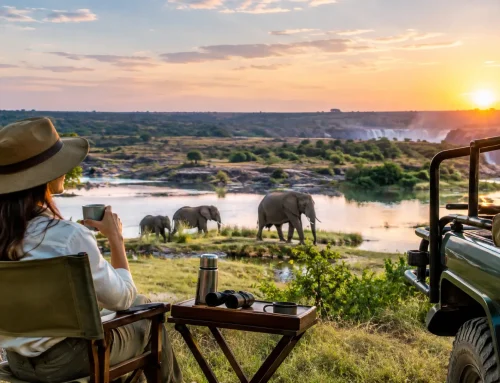
Land-based camps tend to focus on game drives, tracking, and, in some private concessions, carefully managed off-road viewing. They are excellent for travelers hoping to spend extended time with big cats, African wild dogs, elephants, buffalo, and large antelope species.
Some land camps still offer seasonal water activities, but these should never be assumed. A channel that supports boating in July may be too shallow later in the year, while another area may be accessible only at certain water levels. Precision matters when matching a camp to an activity wish list.
Combined Delta Itineraries
For many luxury travelers, the most complete journey combines two or three camps. A land-focused stay can provide dynamic game viewing and night drives, while a water-focused camp offers the meditative beauty of channels and floodplains. Adding a different region of Botswana, such as a predator-rich reserve or elephant country, can create even greater variety without making the trip feel overpacked.
Allow at least three nights in each location when possible. Two nights may look efficient on paper, but safari travel includes light-aircraft transfers, settling into camp, and the natural unpredictability of wildlife. Three nights gives each destination enough room to reveal itself.
What Luxury Looks Like in the Delta
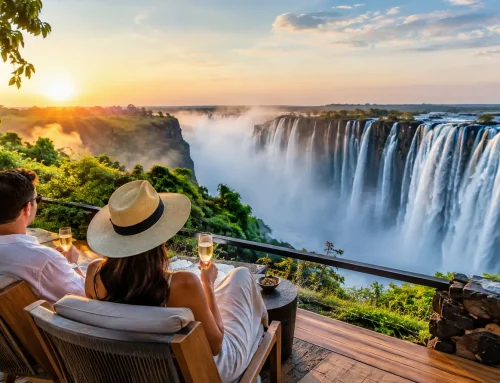
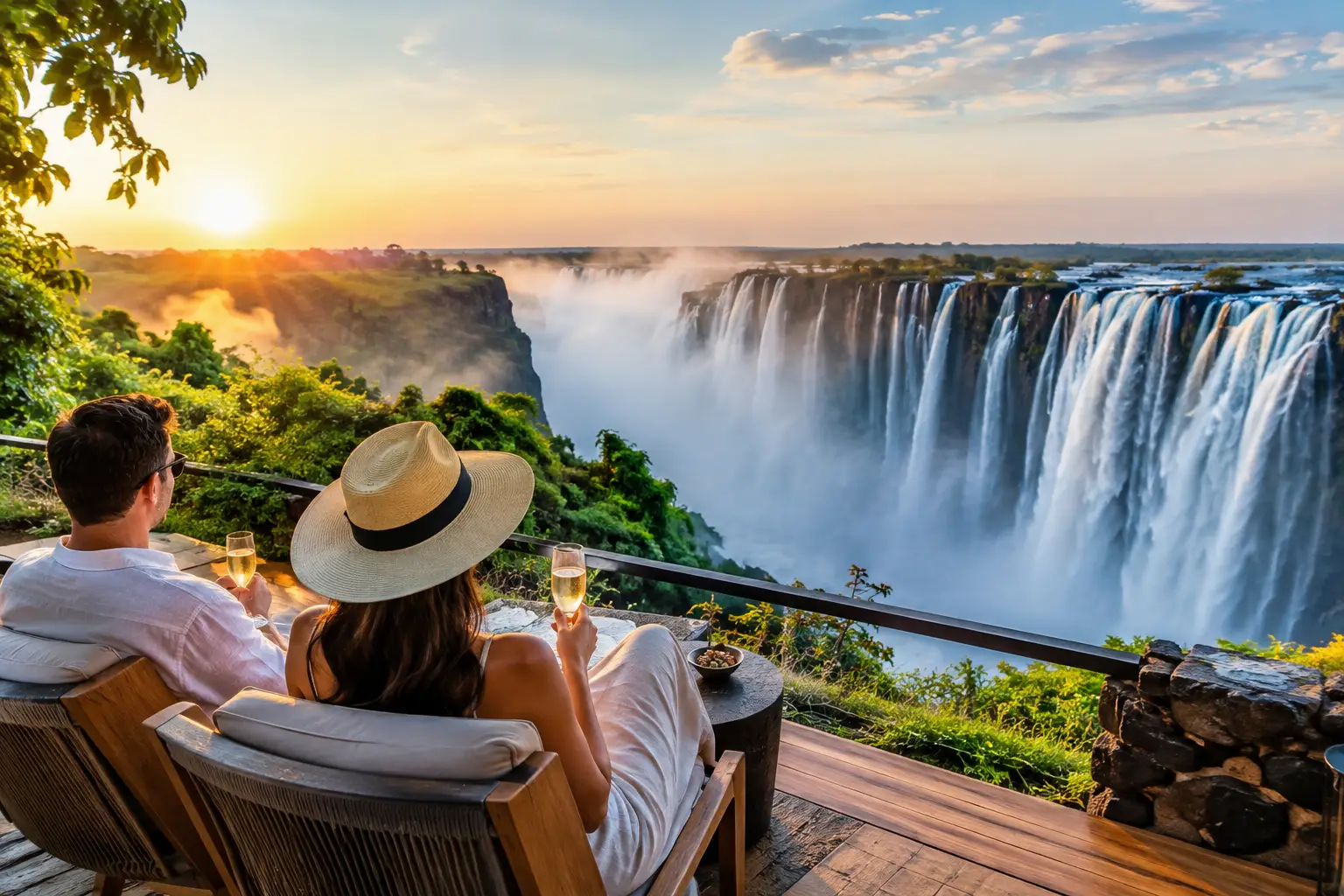
Luxury here is not defined by excess. It is the feeling of arriving at a remote camp where every practical detail has already been anticipated: a cool drink after a flight, laundry returned before dinner, a guide who understands your interests, and a suite designed around privacy, shade, and the view.
Expect spacious tents or suites with proper beds, en suite bathrooms, thoughtful design, and attentive service. Many camps feature plunge pools, private decks, outdoor showers, firelit lounges, and meals served in settings that shift with the day. One dinner may be beneath lanterns in camp; another may be set under the stars in a dry riverbed or overlooking a floodplain.
The most meaningful luxury is time. It is being able to remain with a leopard in a sausage tree as the light changes, rather than leaving because another vehicle is waiting. It is a guide adjusting the morning’s plan because you mentioned an interest in kingfishers, wild dogs, or elephant behavior the evening before.
Planning Details That Shape the Trip
Most Delta safaris involve small aircraft transfers between regional airstrips and camps. These flights are part of the experience, offering spectacular aerial views of winding channels and wildlife trails, but luggage limits are usually strict. Soft-sided bags are generally required, and packing light is essential.
Neutral-colored clothing works best for game drives and walking activities. Bring layers for early mornings, a warm jacket for winter evenings, sun protection, insect repellent, binoculars, and a camera with spare batteries. Camps commonly provide charging facilities, though availability can vary in remote settings.
Families should choose properties that welcome children and offer suitable room configurations, private vehicles, or family-oriented activities. Some camps have age restrictions, particularly where walking safaris or unfenced settings are central to the experience. For multigenerational groups, a private villa or exclusive-use camp can offer flexibility, privacy, and a more relaxed daily schedule.
Travelers with a specialist interest should say so early. A photographer may need a private vehicle, flexible driving hours, and a guide experienced in positioning for light. Birders may prefer a green-season itinerary and water-rich habitat. Anglers need to travel during an appropriate fishing window and select camps where the activity is permitted and well managed.
A Safari That Supports the Wild Place It Depends On
The Okavango Delta is not simply a beautiful backdrop. It is a sensitive ecosystem sustained by water, wildlife corridors, skilled local stewardship, and long-term conservation investment. Choosing low-impact camps, experienced guides, and operators committed to responsible tourism helps ensure that the wilderness remains viable for communities and future travelers alike.
Thoughtful travel can also create meaningful local connections, whether through community visits arranged with respect, locally rooted guiding teams, or projects that support education, livelihoods, and conservation. These moments should feel genuine, never staged, and should fit naturally within the rhythm of the journey.
An Okavango Delta safari rewards travelers who leave space for surprise. Plan carefully, choose camps with purpose, then let the water, wildlife, and changing light set the pace. With the right itinerary, the Delta does not feel like a destination you have visited. It feels like a wild world that has briefly welcomed you in.