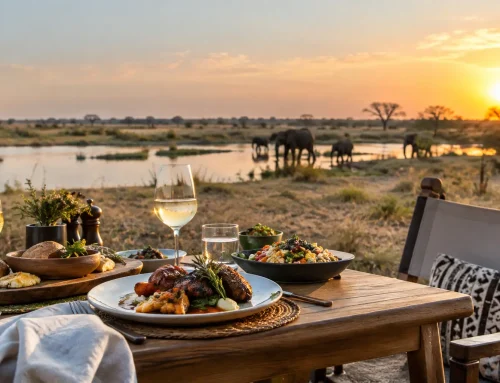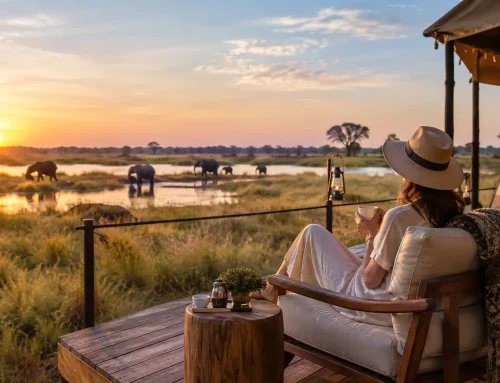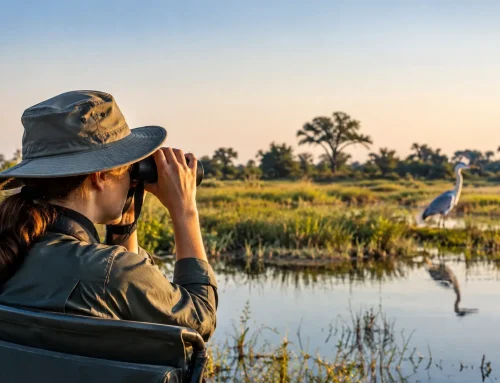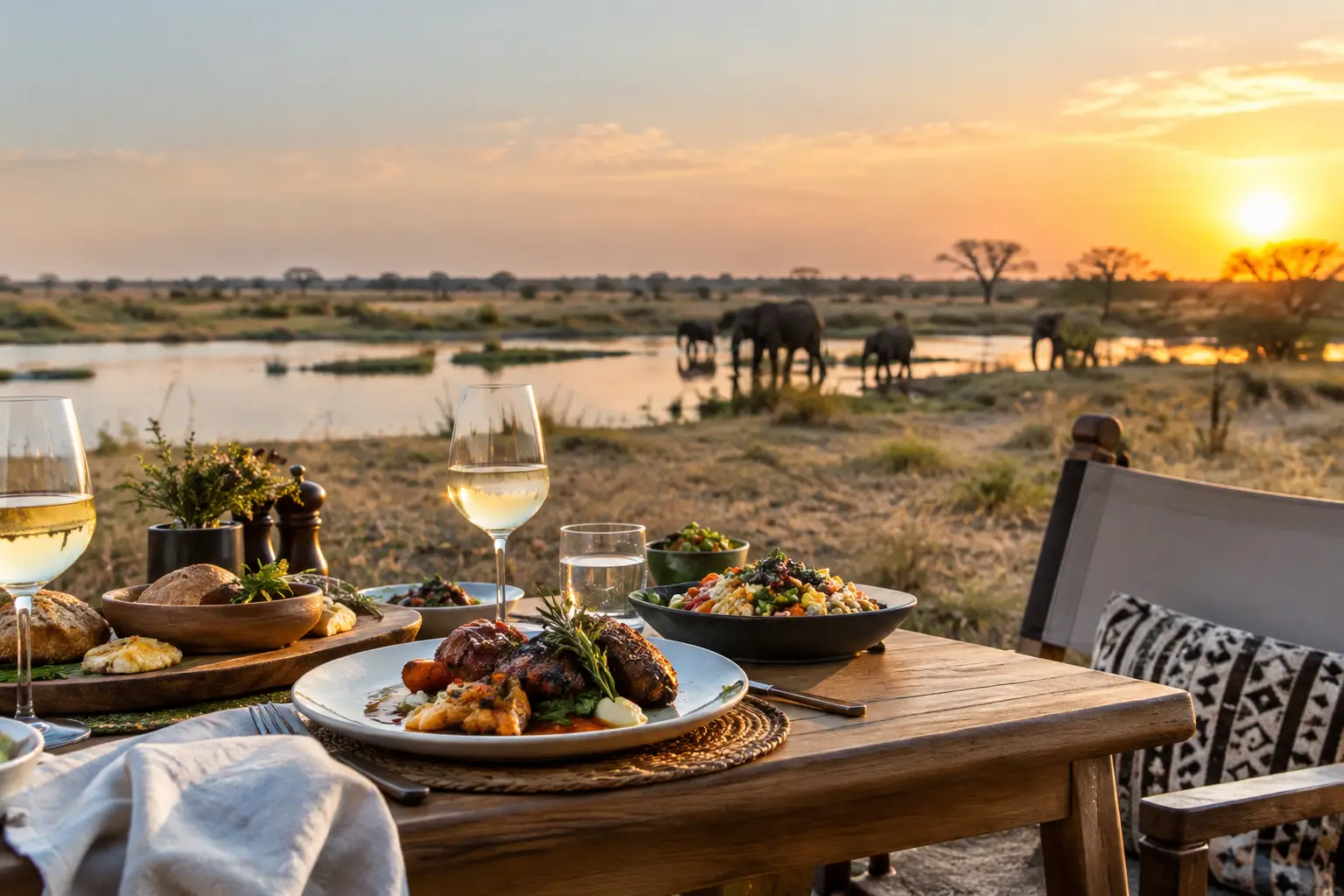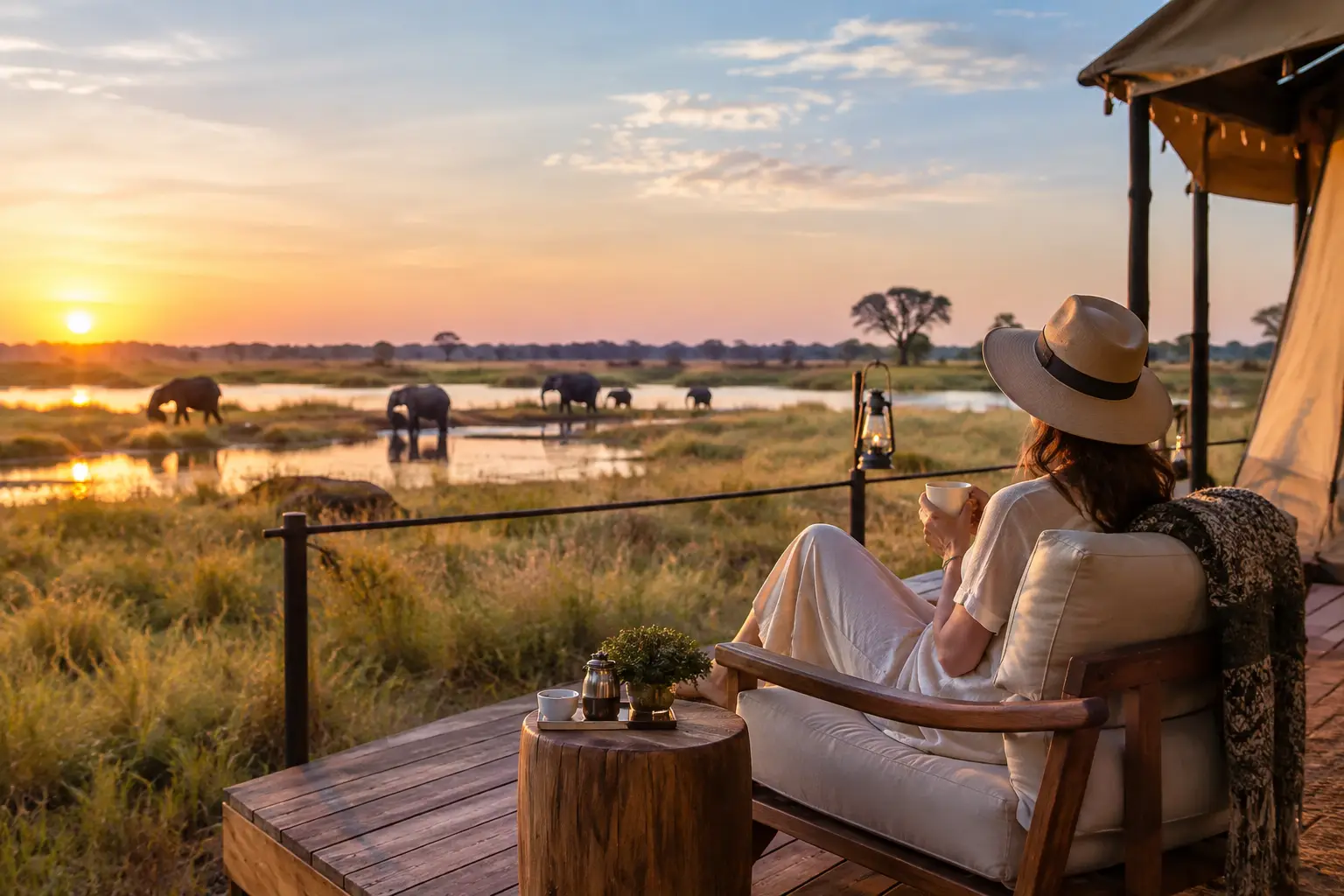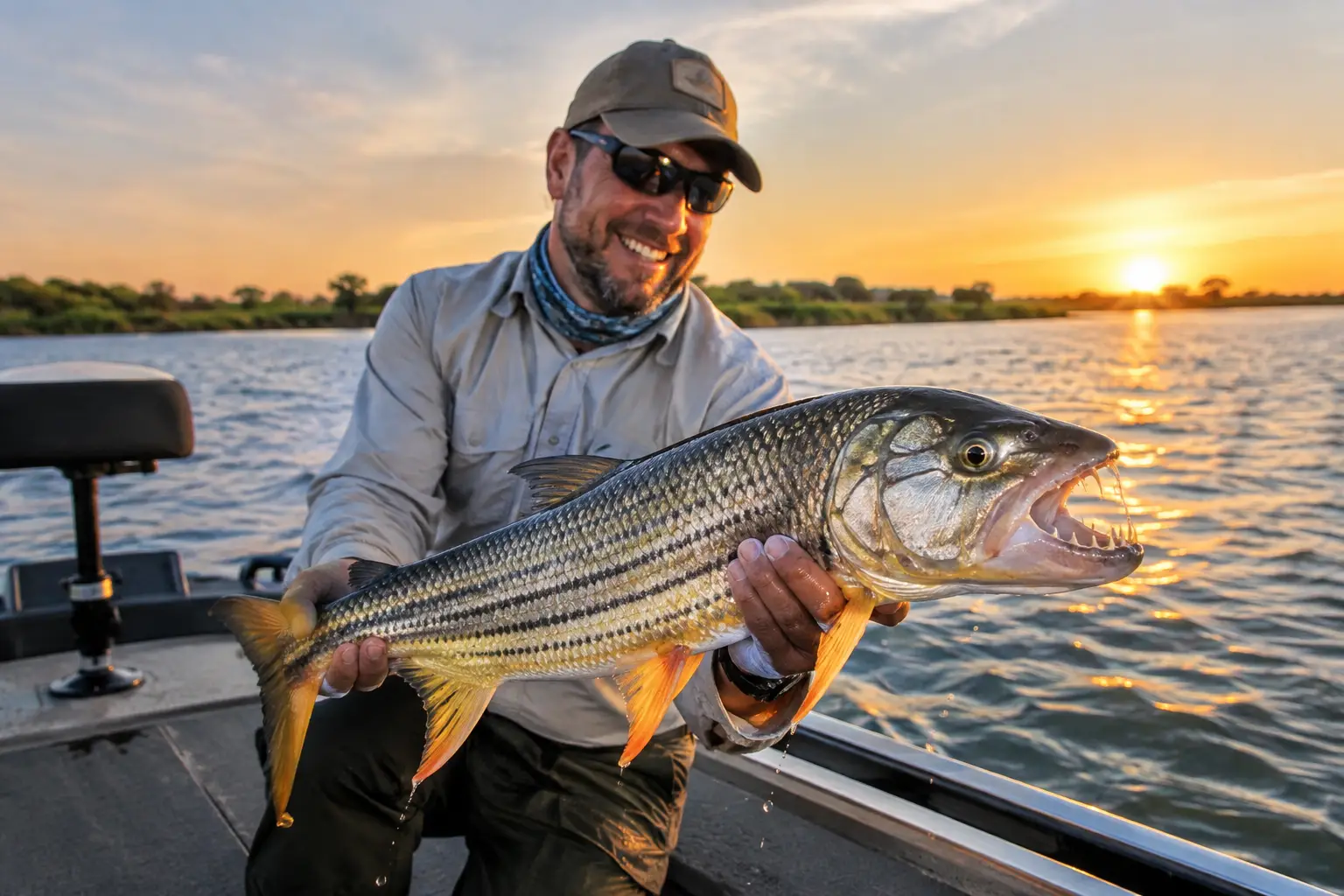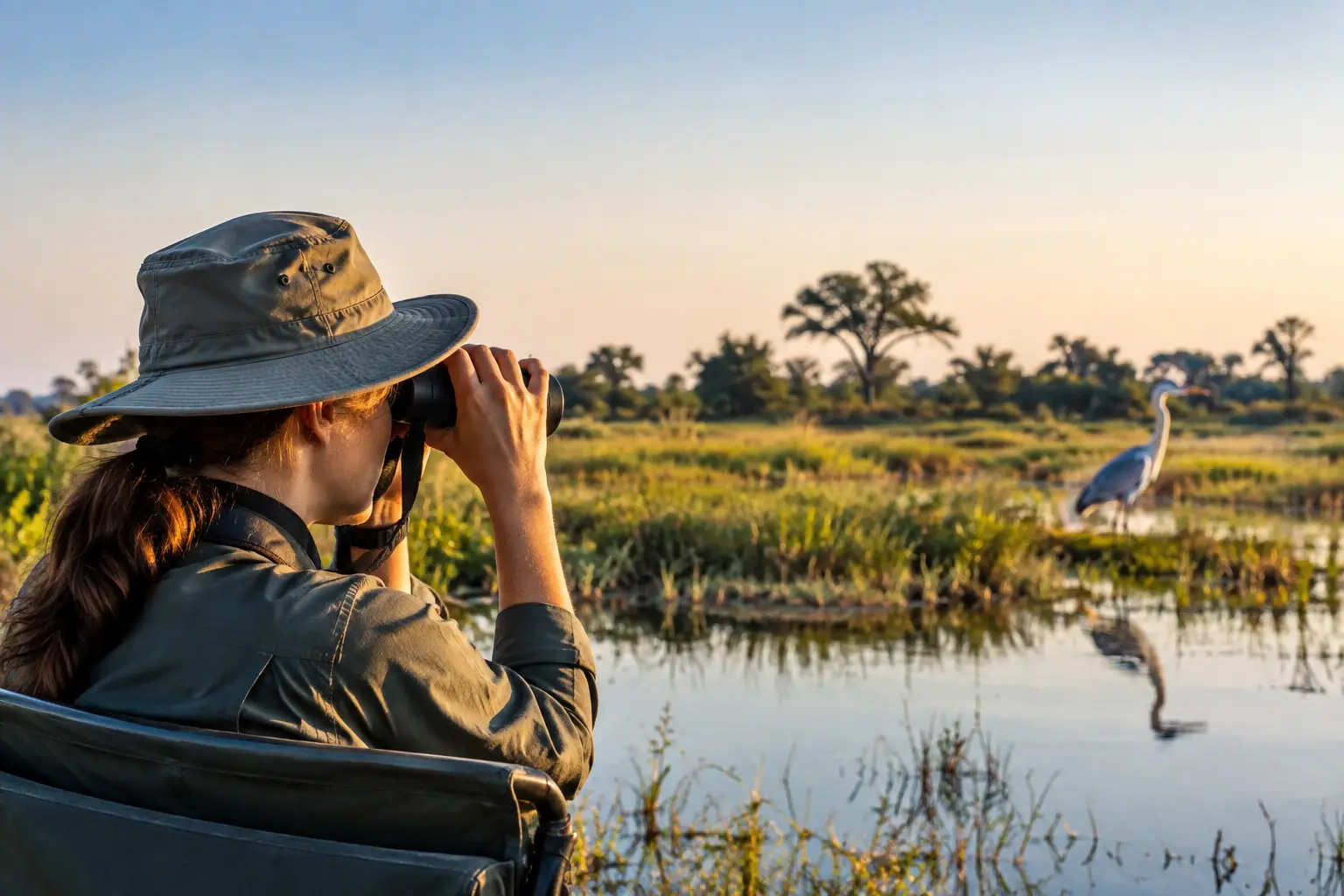
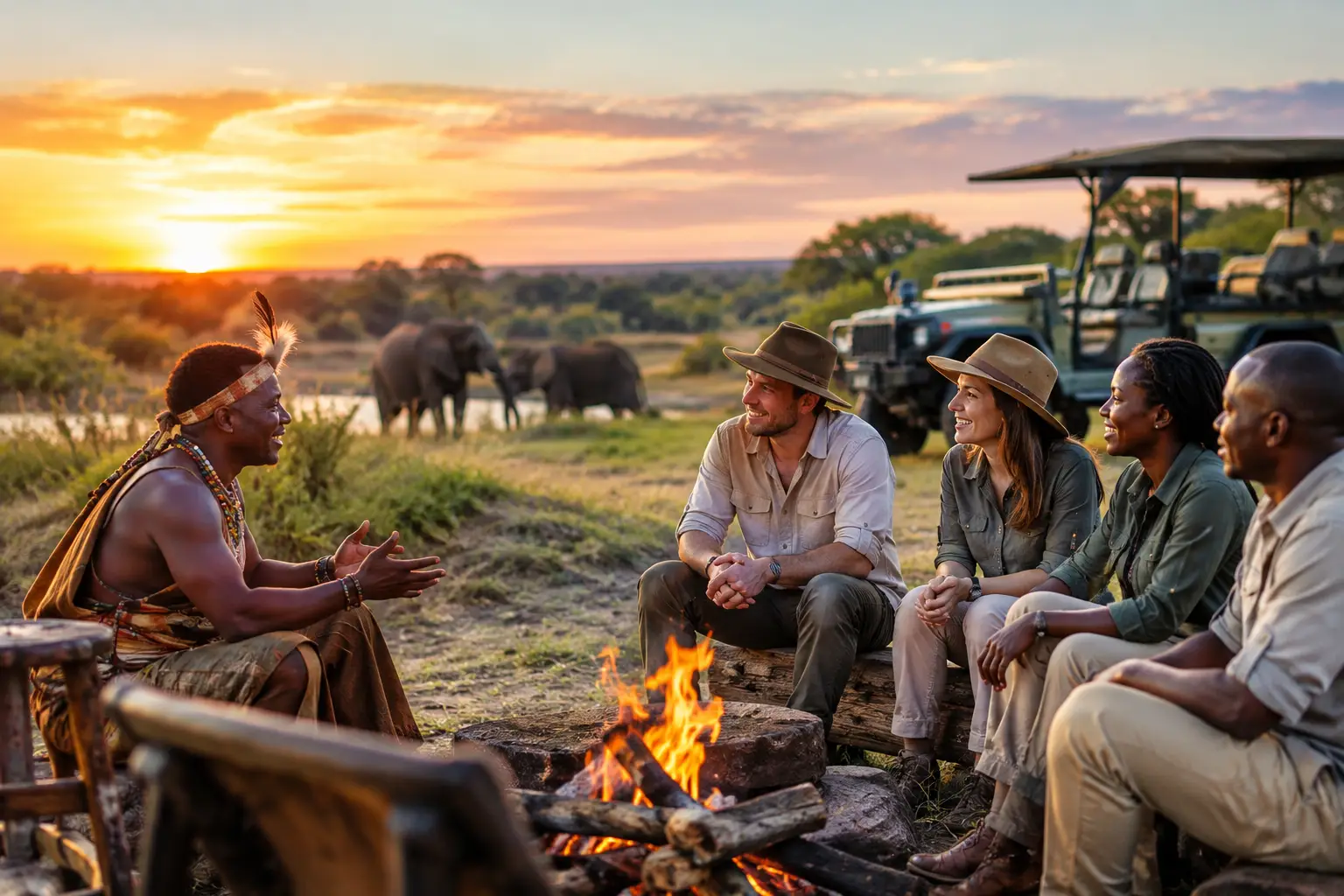
A dawn drive through Botswana’s wild north can feel beautifully remote: elephant tracks pressed into pale sand, fish eagles calling over a floodplain, a guide reading the grass with practiced attention. Yet no wilderness experience exists apart from the people who live alongside it. Community based safari tourism gives travelers a more thoughtful way to encounter Africa by connecting exceptional wildlife experiences with local decision-making, livelihoods, and long-term conservation.
For discerning travelers, this is not about exchanging comfort for conscience. It is about choosing a journey with greater depth: private guiding informed by local knowledge, welcoming cultural exchanges on community terms, and stays in landscapes where tourism revenue can help make wildlife a valued neighbor rather than a cost.
What community based safari tourism really means
Community based safari tourism is a model in which local communities have a meaningful role in tourism taking place on or near their land. That role may include holding land-use rights, partnering with safari operators, earning lease fees or a share of revenue, setting community priorities, supplying goods and services, and creating employment and training opportunities.
The distinction matters. A lodge can employ local staff or support a village project and still not be community-based in the fullest sense. Those contributions can be valuable, but genuine community tourism goes further. It gives residents a voice in how tourism develops, who benefits from it, and how their cultural and natural assets are represented.
In Botswana, the community-conservancy approach has helped shape parts of the Okavango Delta and the country’s northern wildlife areas. Community trusts and joint-venture partnerships can generate income from carefully managed tourism while supporting conservation in places that sit beyond national park boundaries. These landscapes are often vital wildlife corridors, used by elephants, predators, and migratory species moving between protected areas.
The model differs across Africa. In Kenya, it may involve conservancies on Maasai land. In Namibia, it often operates through communal conservancies with defined wildlife and tourism rights. In Zambia, Tanzania, South Africa, and beyond, structures vary according to land tenure, legislation, local governance, and the wishes of each community. The principle remains consistent: tourism should create lasting local value, not simply pass through.
Why it changes the safari experience
A well-designed luxury safari is already personal. Community involvement can make it more grounded in place. The person guiding you may explain not only where a leopard last crossed a track, but how seasonal water shapes grazing, farming, fishing, and daily life. A visit to a craft group, village enterprise, or cultural site can become a genuine conversation rather than a staged interruption between game drives.
This context deepens what guests see in the field. Conservation is no longer an abstract idea represented by a distant donation box. It becomes visible in practical choices: how land is used, where cattle are grazed, how human-wildlife conflict is managed, and why a community may choose to protect habitat that could otherwise be converted or fragmented.
There is also a quieter benefit. Community-led tourism generally favors smaller, more considered experiences over high-volume visitation. That can suit travelers who value privacy, excellent guiding, and a slower rhythm in the bush. It may mean an intimate camp in a private concession, a guide with lifelong knowledge of the region, or time arranged around the community’s schedule rather than a fixed tourist performance.
Luxury, in this setting, is not separate from responsibility. It is the privilege of being welcomed into an extraordinary landscape with care, comfort, and respect.
The conservation case is practical, not symbolic
Wildlife needs space, and protected areas alone are rarely enough. Many animals move through communal land, seasonal floodplains, grazing areas, and migration corridors. If those landscapes generate reliable benefits from responsible tourism, communities have a stronger economic reason to maintain natural habitat and participate in conservation solutions.
Revenue can support jobs, community projects, anti-poaching initiatives, education, or locally chosen priorities. Tourism-related work also reaches beyond guides and camp teams. It may include vehicle services, laundry, food production, construction, craft enterprises, transfers, and professional training. The scale and distribution of these benefits should be examined rather than assumed, but the potential is significant when partnerships are transparent and well managed.
Still, tourism is not a cure-all. Visitor income can be seasonal and vulnerable to global disruptions. Communities are not uniform groups, and benefits may not always be shared equally. A strong program requires accountable leadership, clear contracts, financial transparency, realistic expectations, and a safari partner prepared to listen when priorities change.
For travelers, that nuance is useful. The goal is not to find a flawless claim of impact. It is to support operators and destinations that treat community partnership as an ongoing responsibility, with measurable commitments and humility about what remains to be improved.
How to choose a meaningful community safari
Ask specific questions before confirming an itinerary. Who owns or manages the land? Is there a formal partnership with a community trust, conservancy, or local organization? How does tourism income reach local people: through employment, lease payments, revenue sharing, procurement, or direct community-led enterprises? Can the operator explain how cultural visits are planned and whether hosts choose to participate?
The quality of the answers often says more than polished sustainability language. Responsible safari companies should be able to describe their relationships clearly, without suggesting that travelers are rescuing a community simply by arriving. Communities are partners and hosts, not attractions.
It also helps to consider where you spend time, not only where you sleep. A thoughtfully built itinerary might combine a refined Delta camp with experiences that reveal Botswana’s human stories, or pair wildlife viewing with locally guided interpretation in a neighboring conservation landscape. In other African regions, it might include a conservancy stay, a community-owned lodge, or an enterprise selected because it is genuinely locally led.
At Chloorokop Travel & Tours, this level of detail is part of bespoke journey design. The right arrangement depends on your interests, preferred pace, desired level of privacy, and the kind of contribution you want your travel to make. A honeymoon, family safari, photographic journey, or executive retreat can all include meaningful community engagement without turning the itinerary into a lecture or compromising the restorative pleasure of being in the bush.
Respectful participation matters
Travelers play an active role in whether a community encounter feels worthwhile. Arrive with curiosity rather than assumptions. Ask before taking photographs, especially of people, homes, ceremonies, or children. Follow guidance on dress, timing, and appropriate conversation. Purchase crafts directly when possible, but do not bargain in ways that disregard the work and skill involved.
The best encounters are usually reciprocal and unhurried. You may learn about weaving techniques, traditional foods, local birdlife, or the realities of living near elephants. Your hosts should also have the freedom to decide what they wish to share. That boundary is part of respectful travel.
Community based safari tourism in Botswana
Botswana offers a particularly compelling setting for travelers seeking wilderness with purpose. Its low-density tourism approach has long emphasized high-quality experiences and careful management of sensitive ecosystems. In the north, the Okavango Delta, Moremi Game Reserve, Chobe region, Linyanti, and surrounding community areas form a connected mosaic of water, woodland, grassland, and wildlife movement.
A community-based element may be most meaningful when it complements, rather than competes with, time in the wilderness. After days spent tracking wild dogs or watching elephants cross the channels, a privately arranged local experience can add perspective on the wider landscape. It reminds travelers that conservation is sustained not only by rangers, researchers, and safari camps, but also by families and communities whose lives are intertwined with these places.
Timing matters. During the dry season, wildlife concentrations may be especially strong around permanent water, while the green season brings dramatic skies, migratory birds, and a sense of renewal. Community experiences can be shaped around local calendars, weather, and host availability. Flexibility is a mark of good planning, not a compromise.
Travel beautifully, leave meaningfully
The most memorable safaris stay with you because they are more than a checklist of sightings. They change how you understand a landscape: its beauty, its complexity, and the people whose knowledge and choices help protect it.
Choose an itinerary that leaves room for the wild, respects the people who call it home, and allows your presence to carry purpose long after the final game drive.