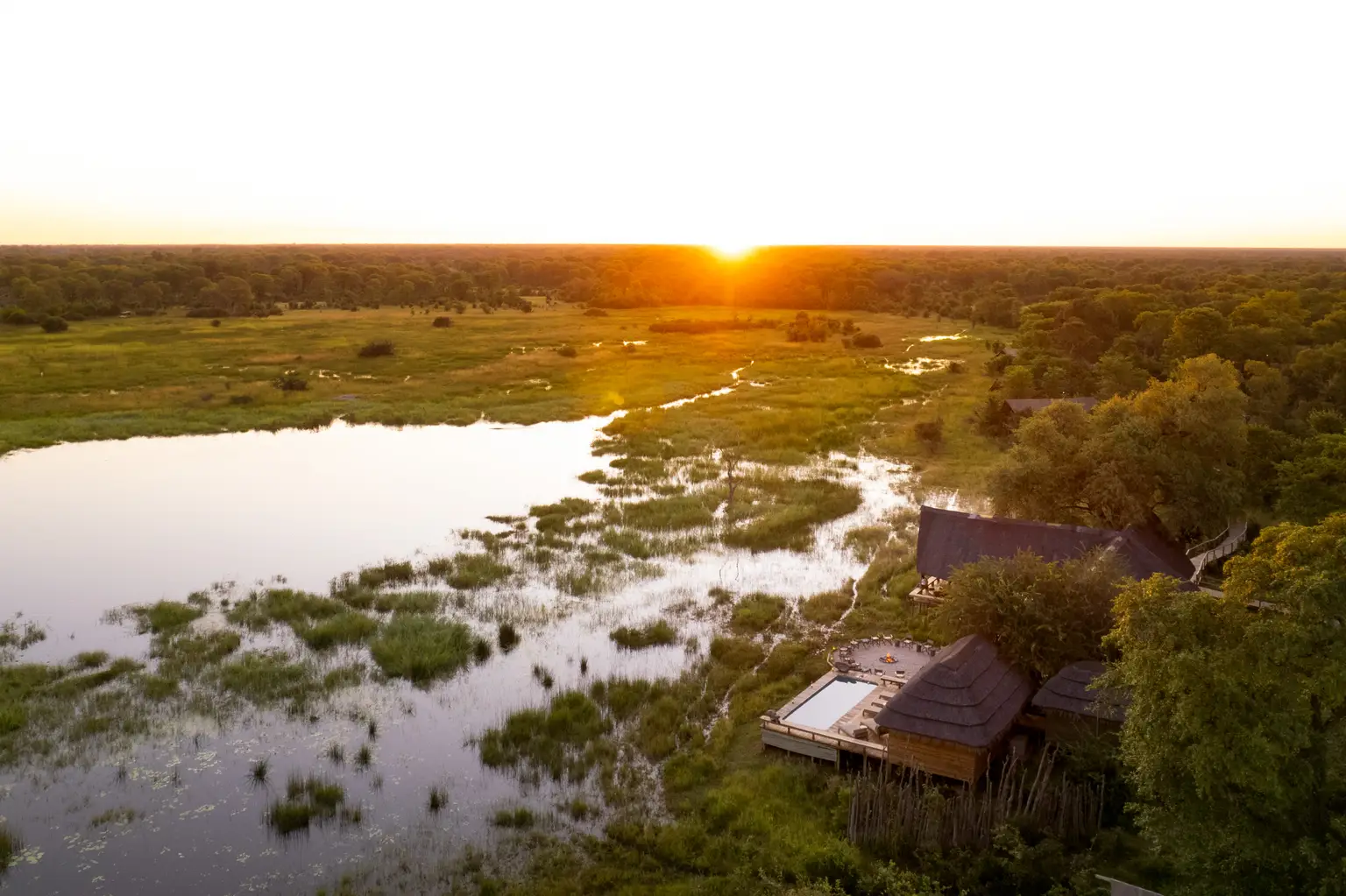
The first thunderstorm changes Botswana in minutes. Dust-darkened acacias turn vivid green, pans begin to hold water, and the air carries the clean scent of rain. This Botswana green season guide is for travelers drawn to a more intimate kind of safari: dramatic skies, abundant birdlife, young animals, and a wilderness that feels newly alive.
Green season is not simply a quieter version of the dry-season safari. It is a distinct experience, shaped by rainfall, shifting wildlife movements, and the pleasure of seeing Botswana at its most colorful. For couples, photographers, families, and returning safari travelers, it can be an exceptional time to travel when planned around the right regions and expectations.
When Is Botswana’s Green Season?
Botswana’s green season generally runs from November through April. The first rains often arrive in November, although their timing and intensity vary from year to year. January and February are usually the wettest months, while March and April can bring rich landscapes, warm days, and increasingly clear skies between showers.
Rain rarely means an entire day indoors. It often arrives as a powerful afternoon or evening storm, followed by brilliant light and fresh, cooler air. Morning and late-afternoon game drives remain rewarding, although a flexible rhythm is useful when a storm passes through.
There is one important distinction in northern Botswana: the Okavango Delta’s annual flood is driven largely by rainfall in Angola, not Botswana’s local summer rain. Its floodwaters typically reach the Delta from around May onward. A green-season journey through the Delta is therefore often defined by lush land, seasonal channels, and rain-fed renewal rather than the highest flood levels associated with the dry season.
Why Choose a Green-Season Safari?
The appeal begins with the landscape. Botswana’s plains, woodlands, and salt pans shift from gold and gray to green, while storm clouds create a theatrical backdrop for photography. The softer summer light can be beautiful, especially after rain, and the clear air often makes distant horizons feel remarkably close.
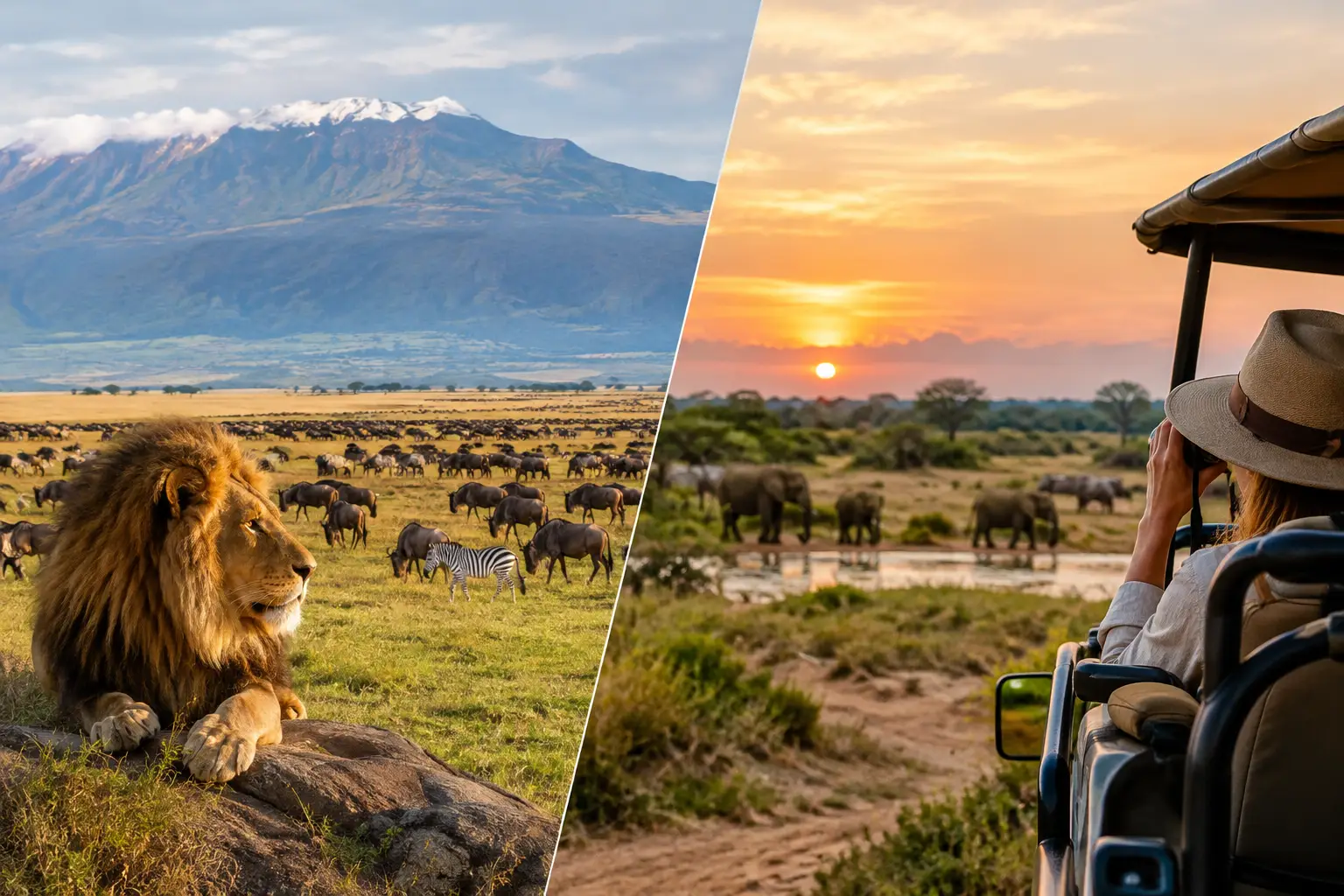
Wildlife viewing remains excellent, but it looks different. New grass spreads grazing animals across wider areas, so sightings can be less concentrated than in the late dry season. At the same time, many species are breeding. Antelope calves, zebra foals, warthog piglets, and elephant young are part of the seasonal story, while predators remain active wherever vulnerable prey gathers.
Birders have particular reason to travel. Migratory species arrive, many resident birds wear breeding plumage, and wetlands and shallow pans attract an impressive variety of waterbirds. Carmine bee-eaters, kingfishers, rollers, herons, storks, and raptors can make even a transfer between camps feel rewarding.
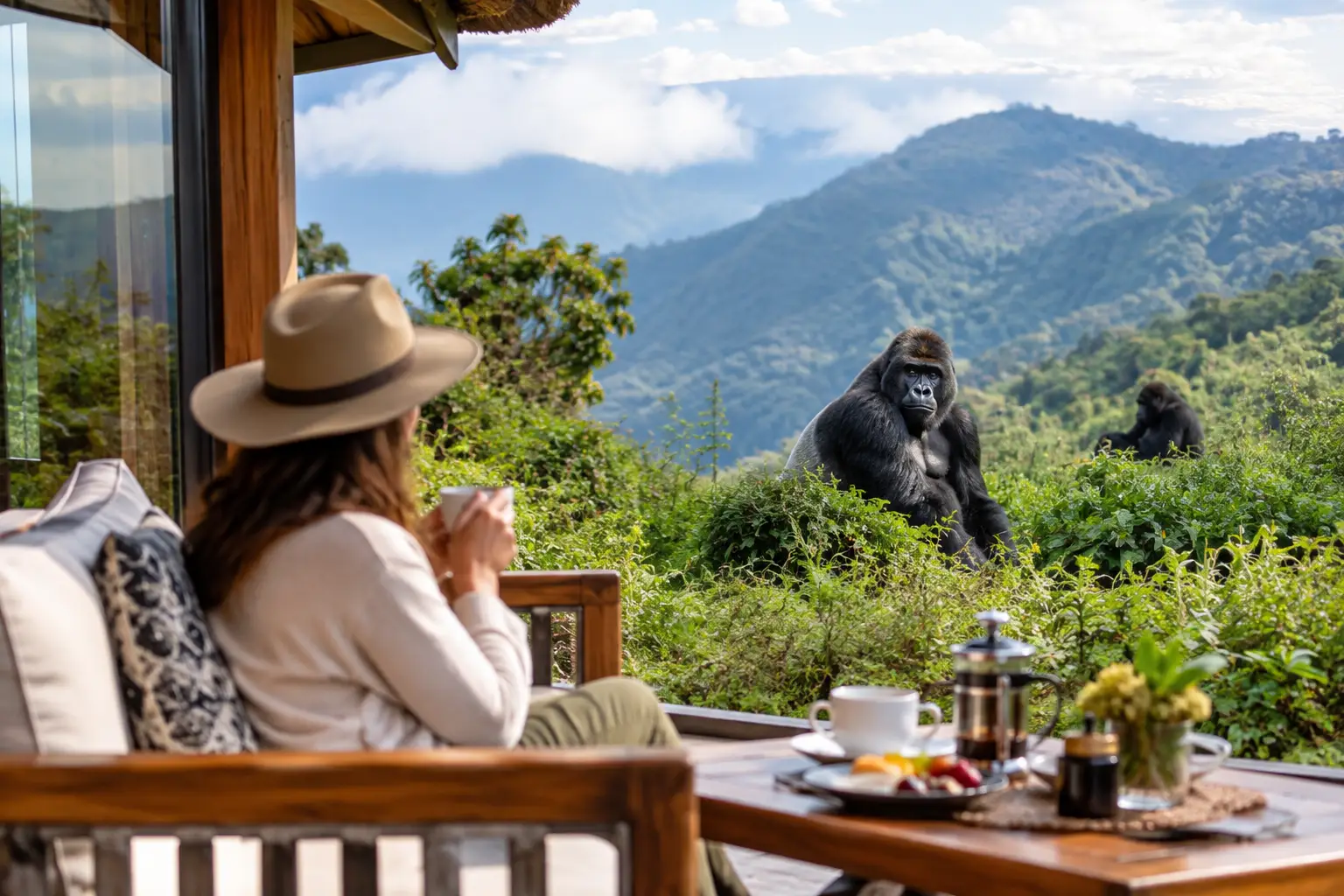
Green season also offers a greater sense of privacy at many small camps. It suits travelers who value unhurried guiding, time to watch a leopard in changing light, or a long breakfast beneath the trees after a morning drive. Availability can be more favorable than in peak dry-season months, especially for guests able to travel with some flexibility.
Botswana Green Season Guide: The Best Regions
Okavango Delta, Moremi, and Khwai
For a first green-season safari, the Okavango Delta and adjoining Moremi Game Reserve and Khwai Community Area are often a strong choice. Their mosaic of islands, lagoons, floodplains, and mopane woodland supports varied wildlife throughout the year. Even when game disperses, experienced guides know how to read fresh tracks, bird alarm calls, and changing water conditions.
Moremi and Khwai can be particularly rewarding for predators, elephants, buffalo, giraffe, and plains game. Green vegetation may make wildlife harder to spot at times, but it also creates more natural, layered scenes than the sparse bush of late winter. Private concessions add flexibility, with off-road tracking in appropriate areas and carefully managed night drives where permitted.
Water-based activities depend on the individual camp, local water levels, and the timing of the flood. A mokoro excursion or motorboat safari may be available in some locations, but it should not be assumed during every green-season itinerary. A well-designed journey balances water possibilities with excellent land-based game viewing.
Chobe, Savuti, and Linyanti
Chobe’s riverfront remains appealing year-round, with boat safaris offering a relaxed perspective on elephants, hippos, crocodiles, and prolific birdlife. Inland, Savuti and Linyanti reward travelers willing to embrace the season’s unpredictability. Rain can transform dry channels and bring fresh grazing, influencing where herds and predators spend their time.
These areas are ideal for guests who appreciate remote wilderness, big skies, and a safari that follows nature rather than a fixed script. Road conditions can change after heavy rain, so reliable ground handling, skilled guides, and carefully selected camps matter greatly.
Makgadikgadi and the Central Kalahari
The green season gives Botswana’s desert landscapes a striking new character. In the Makgadikgadi, summer rain can draw zebra and other grazers toward the grasslands, while flamingos may gather when conditions on the pans are right. These events are rain-dependent, not guaranteed, but they can be extraordinary.
The Central Kalahari Game Reserve is equally compelling for travelers who want space, silence, and dramatic wildlife encounters. Green plains attract antelope and can support excellent predator viewing, including lion, cheetah, and smaller carnivores. It is also a place for patient observation: a black-maned lion moving through wet grass or a sociable weaver colony busy after a storm can be as memorable as a high-action sighting.
What to Expect From the Weather and Wildlife
Daytime temperatures can be warm, particularly from December through February, and humidity rises after rain. Lodges and tented camps are designed for the climate, but guests should expect warm afternoons and pack accordingly. Air-conditioned rooms or thoughtfully cooled tented suites can be especially welcome during the height of summer.
The trade-off for lush landscapes is that vegetation is denser and wildlife is not always gathered around a limited number of water sources. A dry-season safari may offer more consistently concentrated game viewing, particularly in areas such as Chobe and the Delta. Green season offers movement, color, breeding behavior, birds, and the chance to see Botswana in a more private, changing mood.
Neither season is objectively better. It depends on your priorities. Travelers seeking classic elephant herds at shrinking waterholes and reliably open sightlines may prefer the dry months. Those drawn to photography, birds, newborn wildlife, dramatic weather, and a less crowded safari rhythm may find green season deeply rewarding.
How to Pack for a Refined Summer Safari
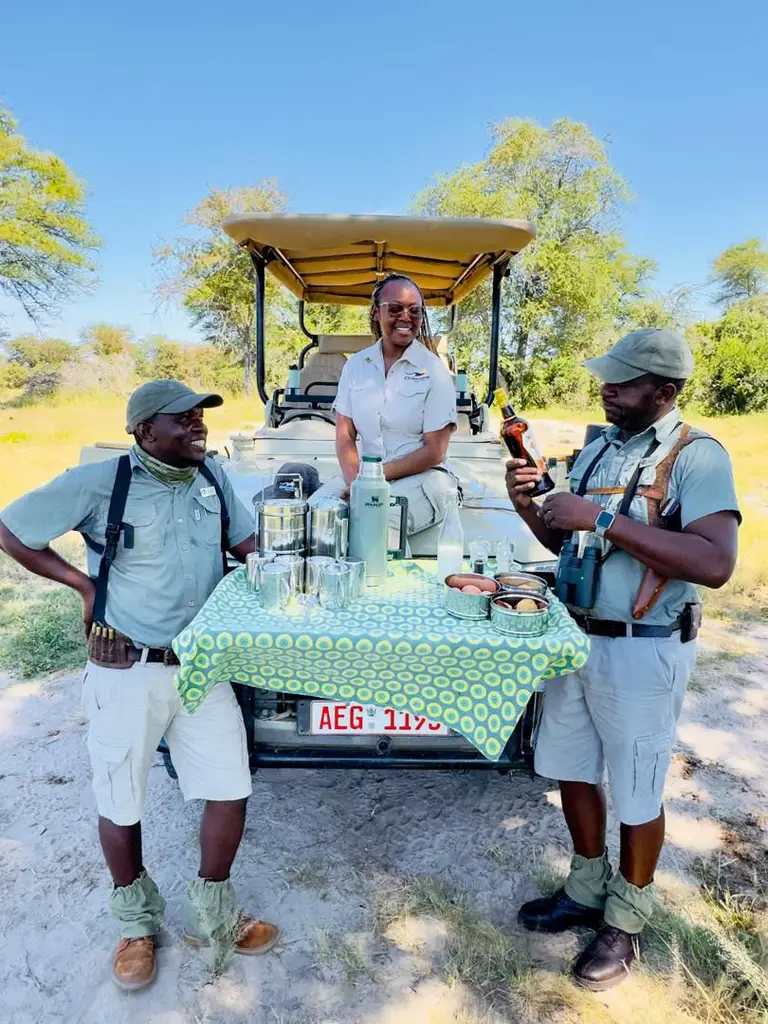
Choose lightweight, breathable clothing in neutral colors, along with a wide-brimmed hat and sunglasses. A light waterproof jacket is more useful than a heavy raincoat, since showers can be intense but brief. Closed walking shoes with good grip are practical for damp ground, while sandals are welcome around camp.
Bring high-SPF sunscreen, insect repellent, and any personal medications in your hand luggage. Long sleeves and trousers are useful in the early morning and evening, both for comfort and mosquito protection. For photographers, a rain cover for cameras and binoculars is worthwhile, as is extra memory storage for changing skies and prolific birdlife.
Most importantly, leave room in the itinerary for flexibility. Seasonal weather can affect light aircraft schedules, road transfers, and daily activity timing. This is where knowledgeable local coordination makes a meaningful difference: the right routing, appropriate transfer buffers, and camps selected for their location and operating standards keep the journey comfortable without pretending nature can be controlled.
Building the Right Green-Season Itinerary
A successful itinerary usually combines complementary habitats rather than trying to cover every corner of Botswana. Pair the Delta or Khwai with the Kalahari for a contrast between water-rich wilderness and open desert plains. Combine Chobe with Victoria Falls for travelers who want river-based wildlife viewing alongside one of Southern Africa’s great natural spectacles.
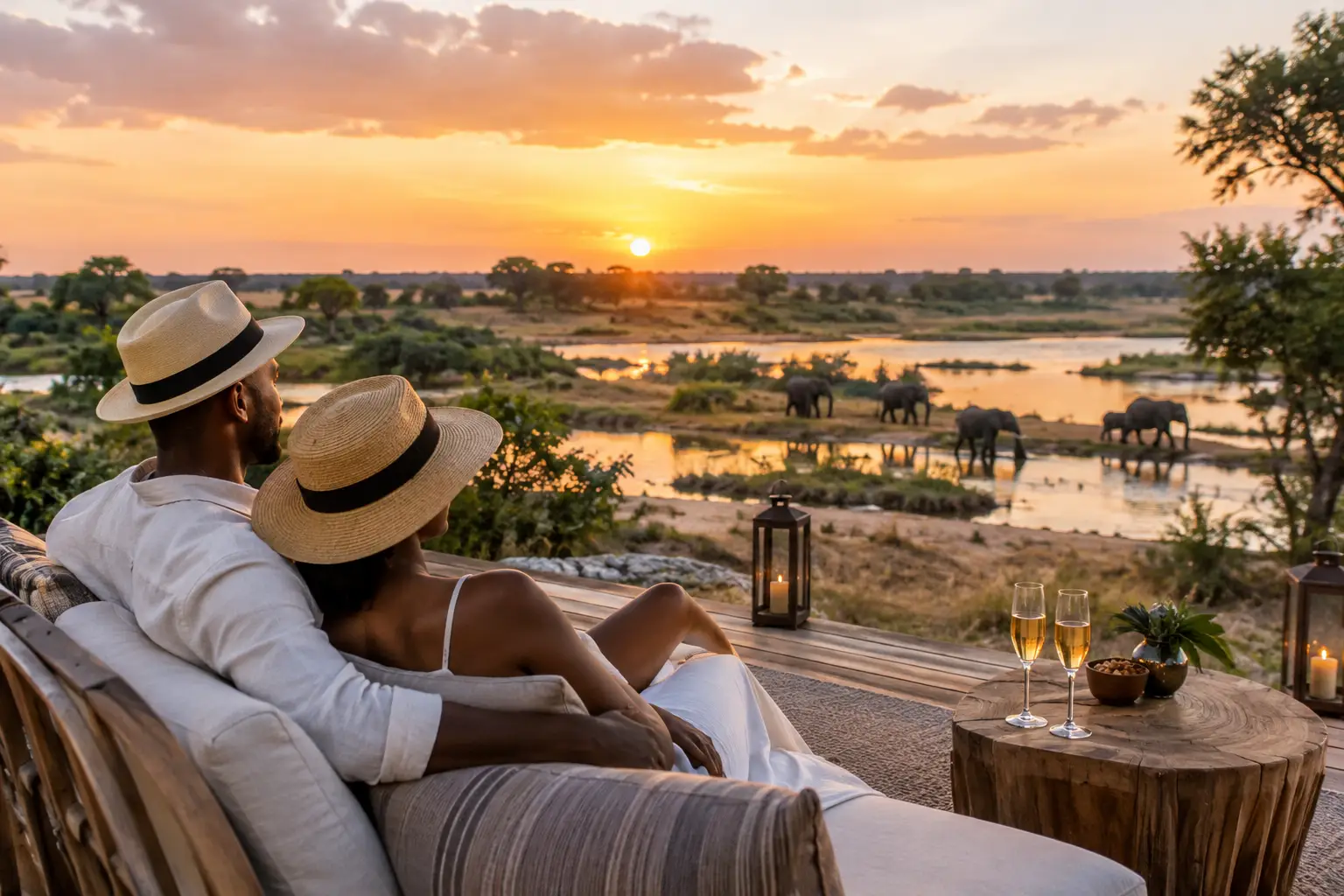
For honeymooners, private tented suites, outdoor baths, and unrushed interludes between activities create the right balance of adventure and retreat. Families benefit from camps with flexible schedules, private vehicles where appropriate, and guides who can make animal behavior engaging for different ages. Specialist photographers may favor longer stays in fewer camps, allowing time to return to a promising sighting as the light changes.
Chloorokop Travel & Tours designs green-season journeys around the places that are performing best, the level of privacy you prefer, and the experiences that matter most to you. Botswana-born knowledge is particularly valuable in a season when rain can reshape the day in the most beautiful ways.
Come prepared for a safari that does not repeat itself. A rain shower may delay a drive, but it may also leave a rainbow over the Delta, fresh tracks in the sand, and a landscape that feels entirely yours.