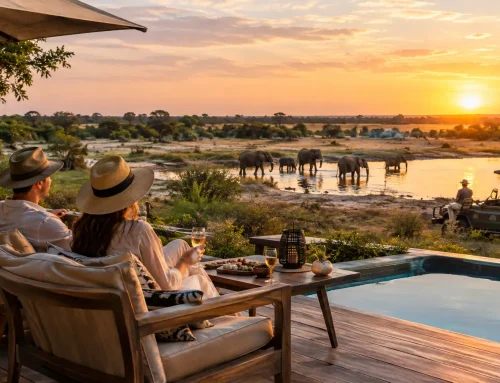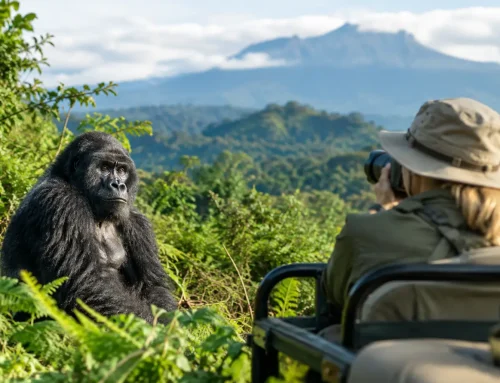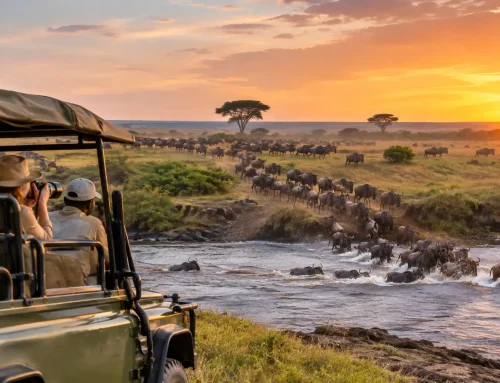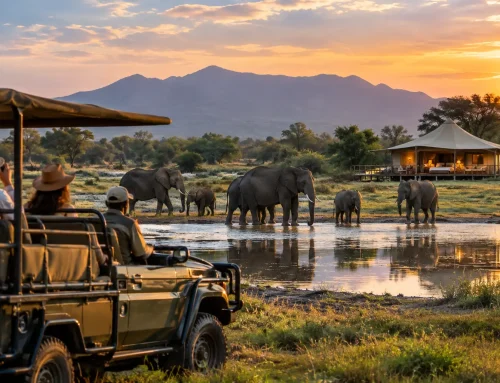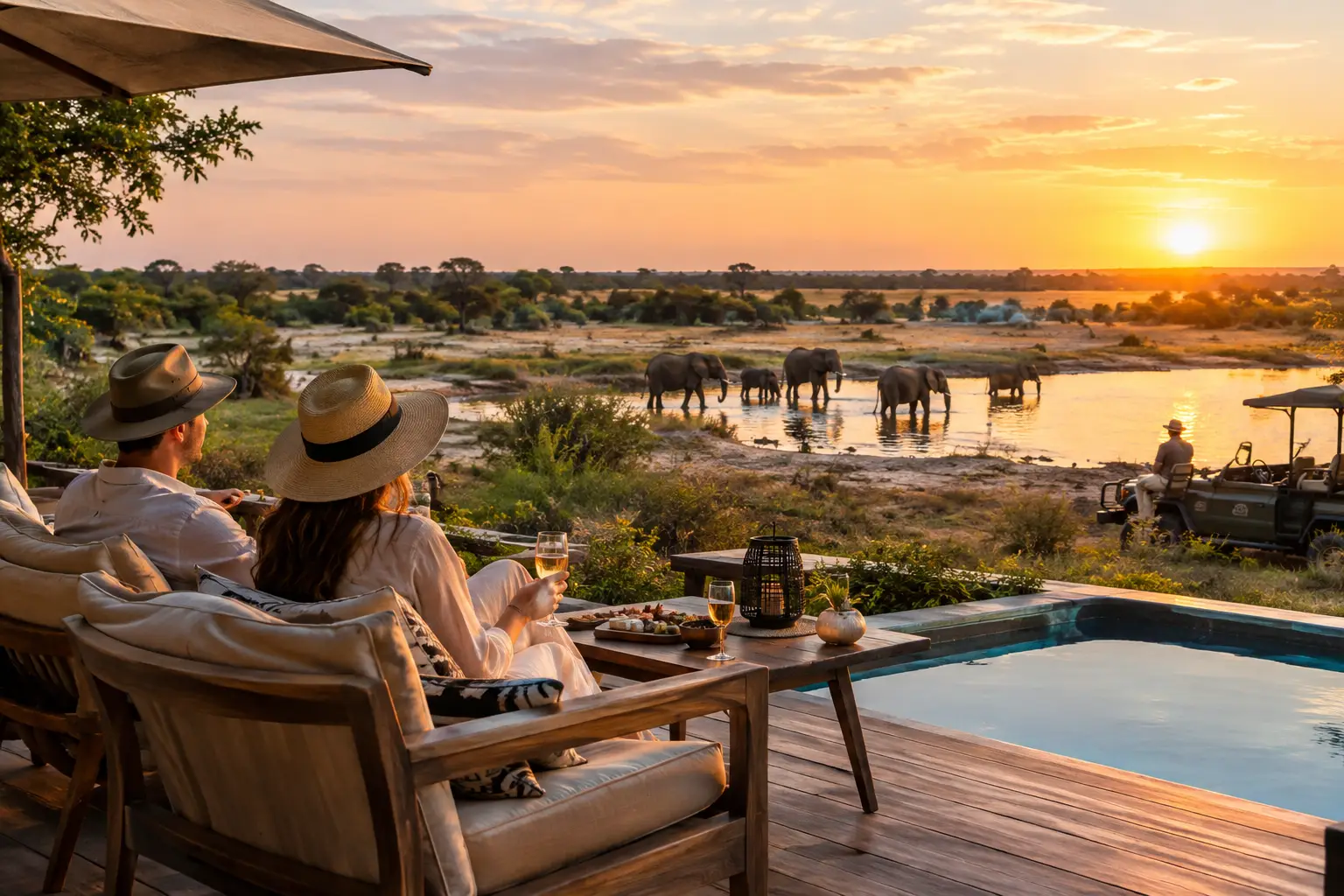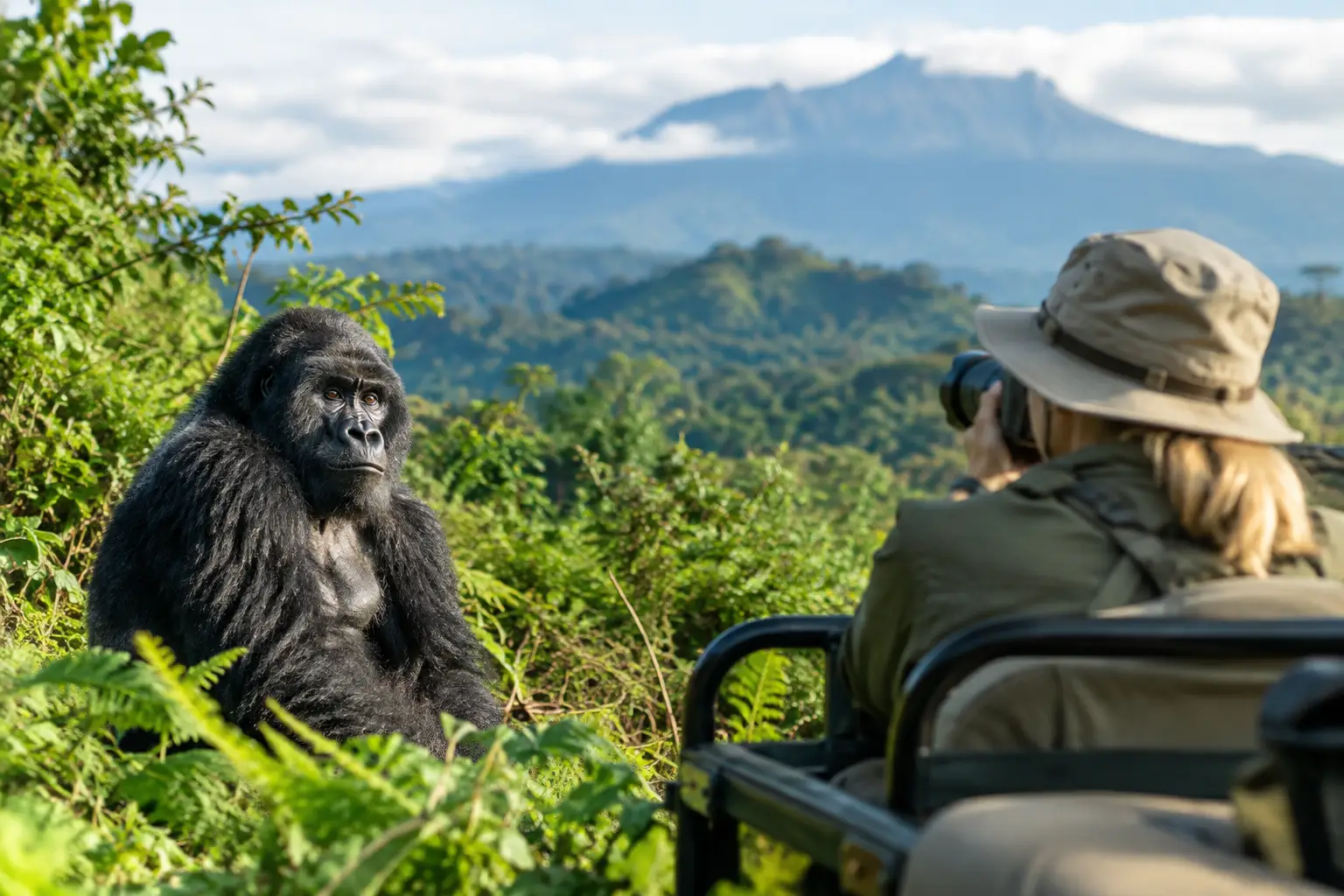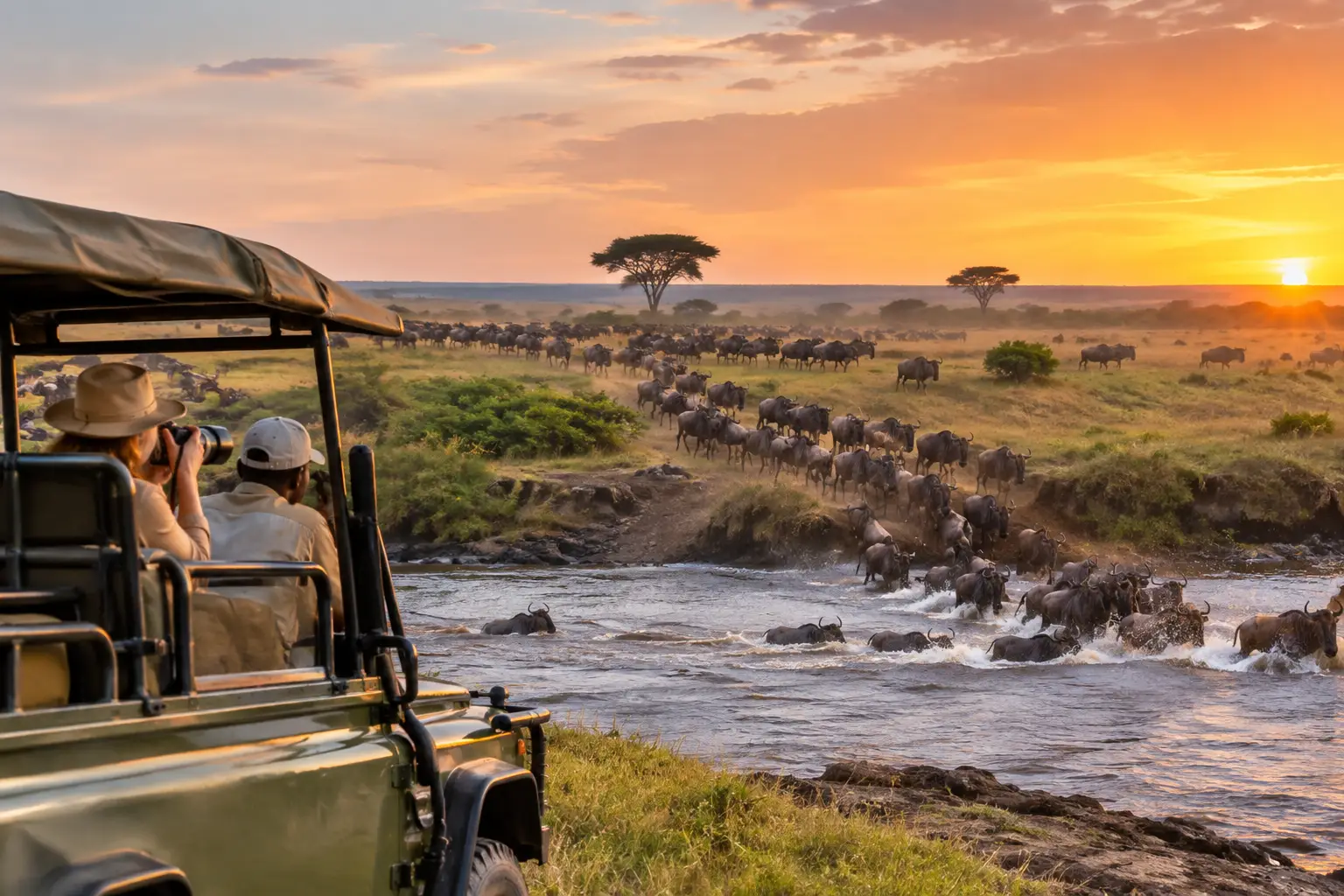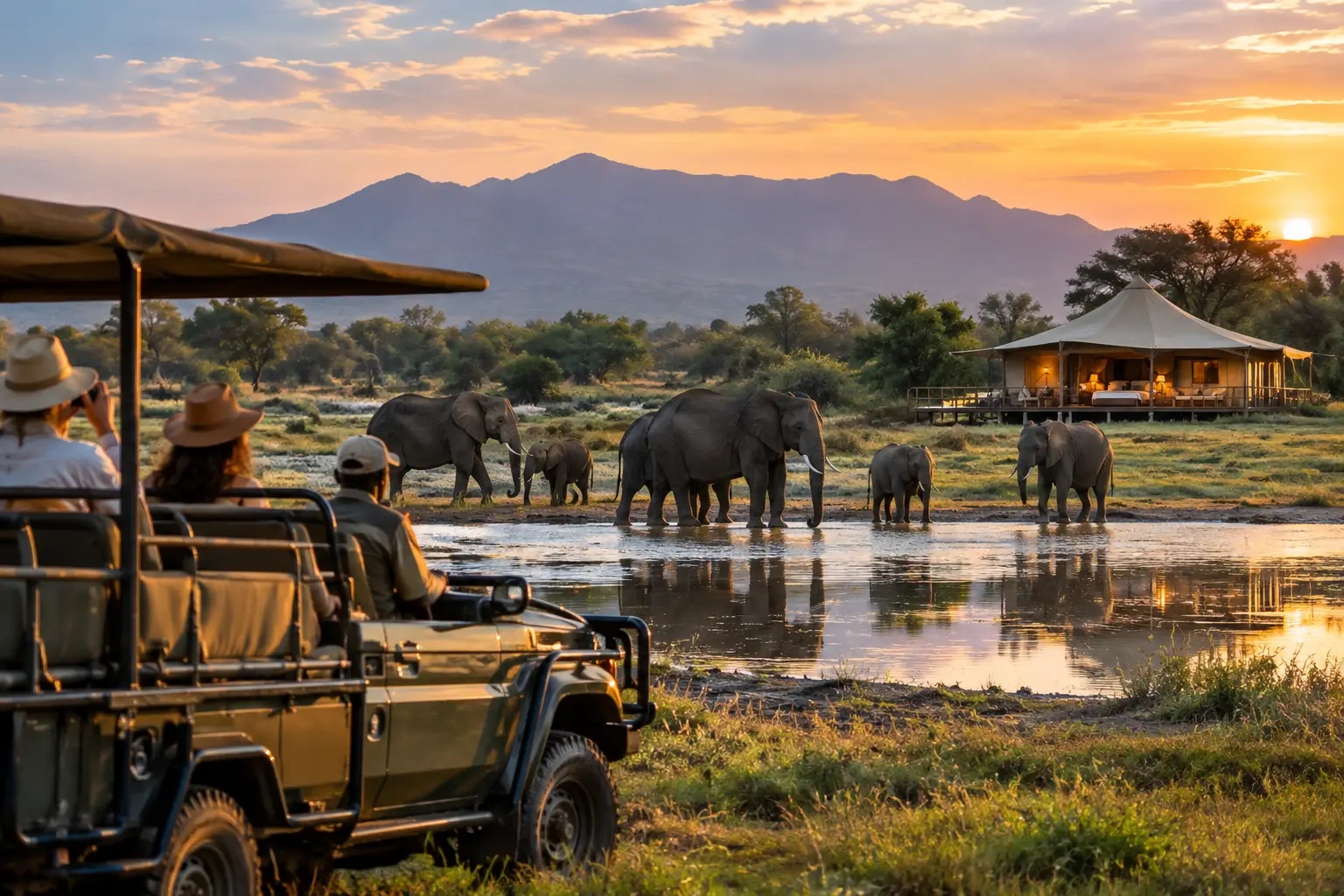
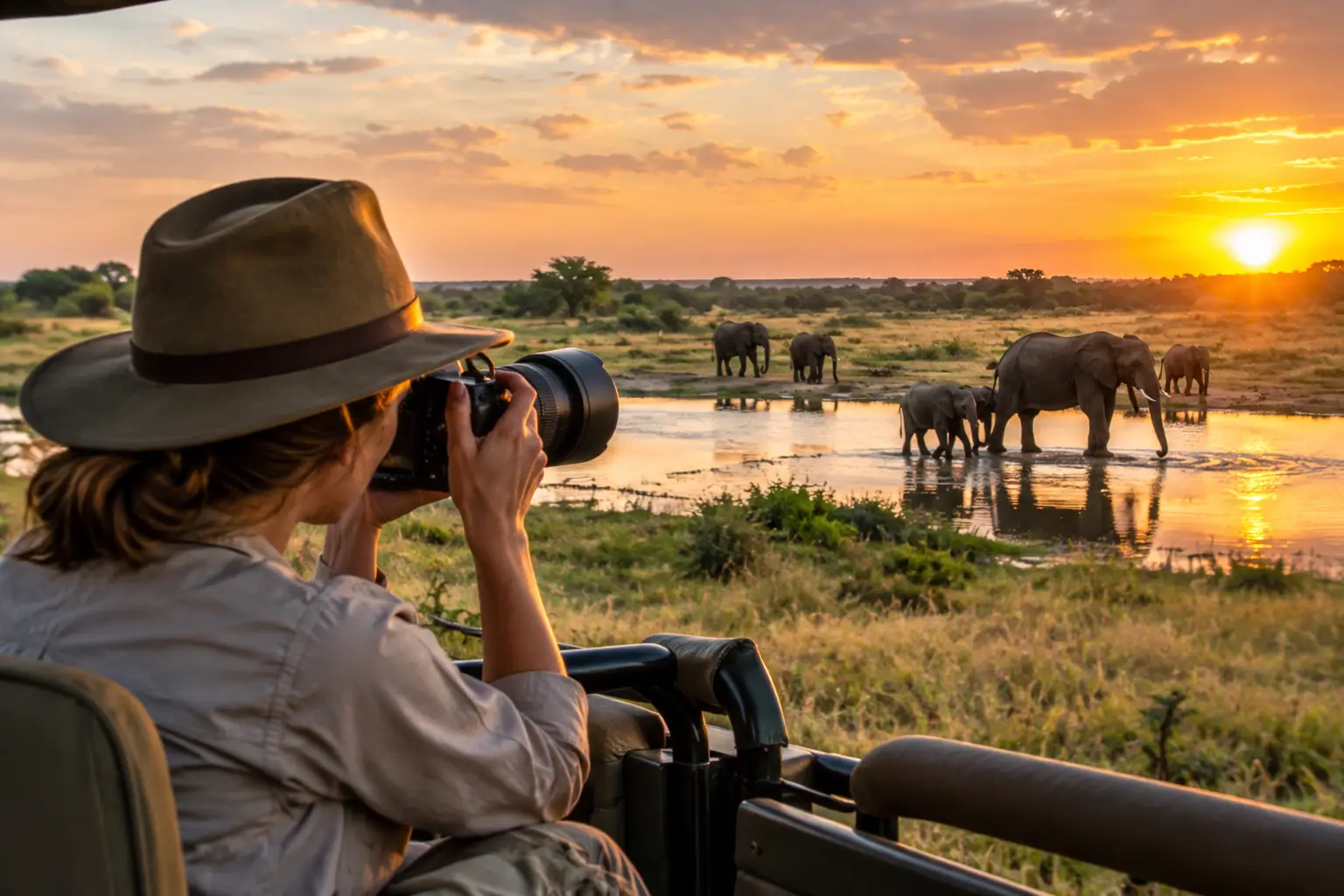
The difference between seeing a leopard and photographing one well can be a few unhurried minutes: the animal settling into a leadwood tree, the guide positioning quietly for clean light, and the vehicle holding its distance. An African photographic safari is built around those moments. It gives wildlife photographers the time, guidance, and access to work patiently, rather than treating each sighting as a stop on a fixed schedule.
For travelers who value both compelling images and exceptional comfort, the right safari balances fieldcraft with ease. Private or small-scale guiding, thoughtfully located camps, flexible daily rhythms, and expert logistical planning all matter. So does an approach that respects the animals, landscapes, and communities that make each journey possible.
What Makes an African Photographic Safari Different?
A photographic safari is not simply a conventional game drive with a camera in hand. It is designed around the conditions that make strong wildlife photography possible: soft early and late light, time at a sighting, knowledgeable vehicle placement, and guides who understand animal behavior as well as photographic priorities.
That may mean leaving camp before sunrise to photograph elephants crossing a misty floodplain, then returning later for breakfast and a quiet afternoon. It may mean staying with a lion pride as cubs begin to play, rather than moving on to seek a checklist of species. The experience rewards attention. A powerful image often comes after the apparent action has passed.
There is no single ideal itinerary. A first-time safari photographer may want varied wildlife, open landscapes, and guidance on working from a vehicle. An experienced photographer may prefer a specialist guide, extended stays in fewer locations, or a season chosen for a specific subject such as wild dogs, carmine bee-eaters, or the dramatic river crossings of East Africa. The best design begins with how you like to photograph, not just where you would like to go.
Botswana: Space, Water, and Wild Encounters
Botswana is a remarkable starting point for a luxury photographic journey. Its low-density tourism model, vast protected landscapes, and distinctive seasonal water systems create room for intimate wilderness experiences. In the Okavango Delta, mokoro excursions and boating can offer a low-angle perspective on birdlife, while game drives reveal elephants, leopards, buffalo, and antelope against luminous floodplains and palm-fringed islands.
The Moremi Game Reserve and adjoining private concessions offer excellent opportunities for predator photography, particularly when a flexible guiding plan allows time with a promising sighting. Chobe is renowned for its large elephant herds and riverfront scenes, where a private boat safari can create a completely different visual language from a land-based game drive. Think reflections, approaching wildlife, and the shifting geometry of elephants drinking at the water’s edge.
The Kalahari brings another atmosphere altogether: wide horizons, pale grasses, dark-maned lions, and intimate encounters with desert-adapted species. It is a landscape where negative space and storytelling can be as important as a close portrait. Combining the Delta with the Kalahari can create a rich body of work, but it also involves more internal travel. For some photographers, a deeper focus on one ecosystem is the more rewarding choice.
Choose Destinations for Your Photographic Priorities
Africa’s photographic possibilities are wonderfully varied, and destination choice should follow the subjects and visual style you want to pursue.
In Southern Africa, Botswana, Zambia, Zimbabwe, Namibia, and South Africa offer excellent infrastructure, skilled guides, and diverse habitats. Zambia is particularly compelling for walking safaris and river-based photography, while Zimbabwe can combine superb wildlife viewing with iconic landscapes. Namibia suits photographers drawn to desert light, sculptural dunes, adapted wildlife, and striking cultural encounters approached with care and permission. Private reserves in South Africa can be an appealing option for travelers seeking dependable access, high levels of comfort, and specialist photographic vehicles.
East Africa offers a different scale. Kenya’s Maasai Mara and Tanzania’s Serengeti deliver wide savannas, large predators, and, at the right time of year, the movement of the Great Migration. Rwanda and Uganda call to travelers interested in primate photography, where gorilla and chimpanzee trekking demands physical preparation, quick technical decisions, and a sensitive approach to wildlife at close range.
Season matters as much as country. Green seasons can bring dramatic skies, newborn animals, rich color, and fewer vehicles, while dry seasons often concentrate wildlife near water. Peak migration periods can be spectacular but may involve greater demand for sought-after camps. A tailored plan weighs the image you hope to make against weather, animal behavior, comfort preferences, and the pace you want for the journey.
The Guide Is Part of the Photograph
On safari, a guide’s expertise shapes far more than species identification. A great photographic guide reads tracks, wind, light, and body language. They know when to wait, when to reposition, and when an ethical distance must take priority over a closer frame. They also understand that different photographers need different things: a clear side profile for a portrait, room for a long lens, a lower viewpoint, or patience for behavior rather than a record shot.
Private guiding is especially valuable for couples, families, and dedicated photographers because it gives the day flexibility. You can remain at a sighting through changing light, spend an entire morning focused on birds, or return to camp when you choose. For travelers who do not want to carry extensive equipment, an experienced guide can also help make the most of a simple, well-chosen kit.
A specialist photographic vehicle can be worthwhile when photography is the central purpose of the trip. These vehicles may provide camera supports, adaptable seating, charging capability, and space to work comfortably. Yet they are not essential for everyone. A private standard safari vehicle, excellent guide, and thoughtful itinerary can be the better fit for travelers who want photography alongside family time, wellness, or a broader safari experience.
Prepare Your Camera Kit Without Overpacking
A versatile camera kit is more useful than an oversized one. A camera body you know well, a telephoto zoom for wildlife, a wider lens for landscapes and camp life, spare batteries, sufficient memory cards, and a dust-resistant bag will cover most situations. A beanbag support is often more practical than a tripod in a vehicle, while a lightweight tripod can be useful at camp for night skies or long-exposure scenes where permitted.
Do not overlook the small details. Dust is part of safari life, particularly in dry regions, so bring a blower, microfiber cloths, and a simple routine for changing lenses carefully. Keep batteries warm on cool early mornings and back up images consistently. Most luxury camps provide charging facilities, but plug types and access vary, so confirm practical requirements before departure.
The best preparation is not only technical. Practice using your camera’s autofocus modes, exposure compensation, and silent shooting before you travel. Wildlife does not pause while menus are adjusted. If you are new to photographing animals, start with a goal that is more useful than chasing perfection: tell the story of a place through behavior, light, and habitat.
Photograph Wildlife With Respect
Responsible photography protects the very conditions that make a safari meaningful. No image is worth distressing an animal, blocking its path, disrupting a hunt, or crowding a nesting bird. Professional guides and camp teams set standards around distances, vehicle positioning, and time at sightings for good reason.
Ethical choices also extend beyond wildlife. When photographing people, especially in villages and cultural settings, ask permission and follow local guidance. A meaningful portrait is a collaboration, not a souvenir. Supporting locally rooted conservation initiatives, community partnerships, and properties that employ and invest in neighboring communities helps ensure tourism creates value beyond the traveler’s experience.
Luxury and responsibility belong together. Thoughtful camps can provide privacy, remarkable food, beautiful design, and deeply personal service while operating with care for water, energy, wildlife corridors, and local livelihoods. The question is not whether comfort must be sacrificed for purpose. It is whether each element of the journey is chosen with intention.
Allow Time for the Images to Find You
The most satisfying photographic itineraries resist the urge to cover too much ground. A two- or three-night stay can introduce a landscape; four nights or more often allows you to understand its rhythms. You begin to recognize a lioness’s territory, anticipate where light falls on a channel, and notice the less obvious stories: a kingfisher’s repeated perch, a young elephant testing its confidence, the first movement of birds before dawn.
Chloorokop Travel & Tours designs bespoke photographic safaris around that kind of time and attention, coordinating specialist guides, refined accommodations, internal flights, and every detail that lets guests remain present in the field. The goal is not to manufacture a wildlife encounter, but to place you in the right landscape, with the right people, and enough time for nature to unfold.
Bring your camera, certainly. But leave room for the moments that will never fit inside a frame: the hush before sunrise, the scent of rain on dry earth, and the privilege of being a respectful guest in Africa’s living wild places.