At first light, the Makgadikgadi can feel almost impossible to measure: a pale horizon, a mirror of salt beneath your feet, and a silence broken only by wind and the calls of distant birds. This Makgadikgadi travel guide is for travelers who want more than a classic game-drive safari. It is for those drawn to Botswana’s wide-open spaces, intimate desert encounters, and the rare pleasure of having time to simply look.
The Makgadikgadi is not an extension to add without thought. Its appeal is distinct from the watery channels of the Okavango Delta or the elephant-rich woodlands of Chobe. Here, the experience is shaped by scale, season, and stillness. Planned well, it brings a powerful contrast to a Botswana itinerary and creates space for a safari that feels personal rather than programmed.
Makgadikgadi Travel Guide: What Makes It Different
The Makgadikgadi Pans are the remnants of an ancient lake system, now forming one of the world’s largest salt-pan landscapes. In the dry months, the surface can stretch out in a vast white expanse, broken by islands of baobabs, grassland edges, and occasional fossil beaches. In the rainy season, shallow water transforms sections of the pans and draws wildlife and prolific birdlife.
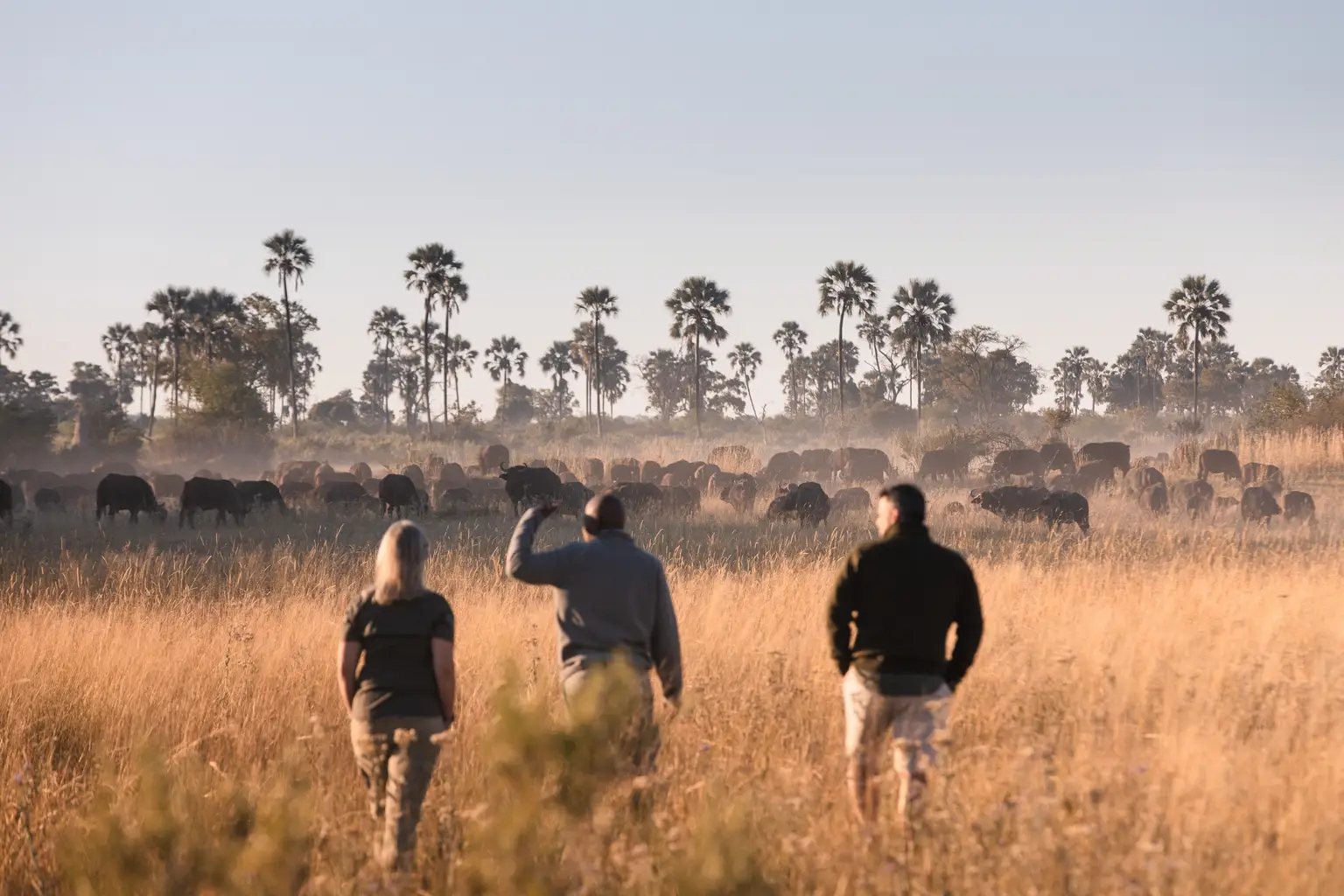
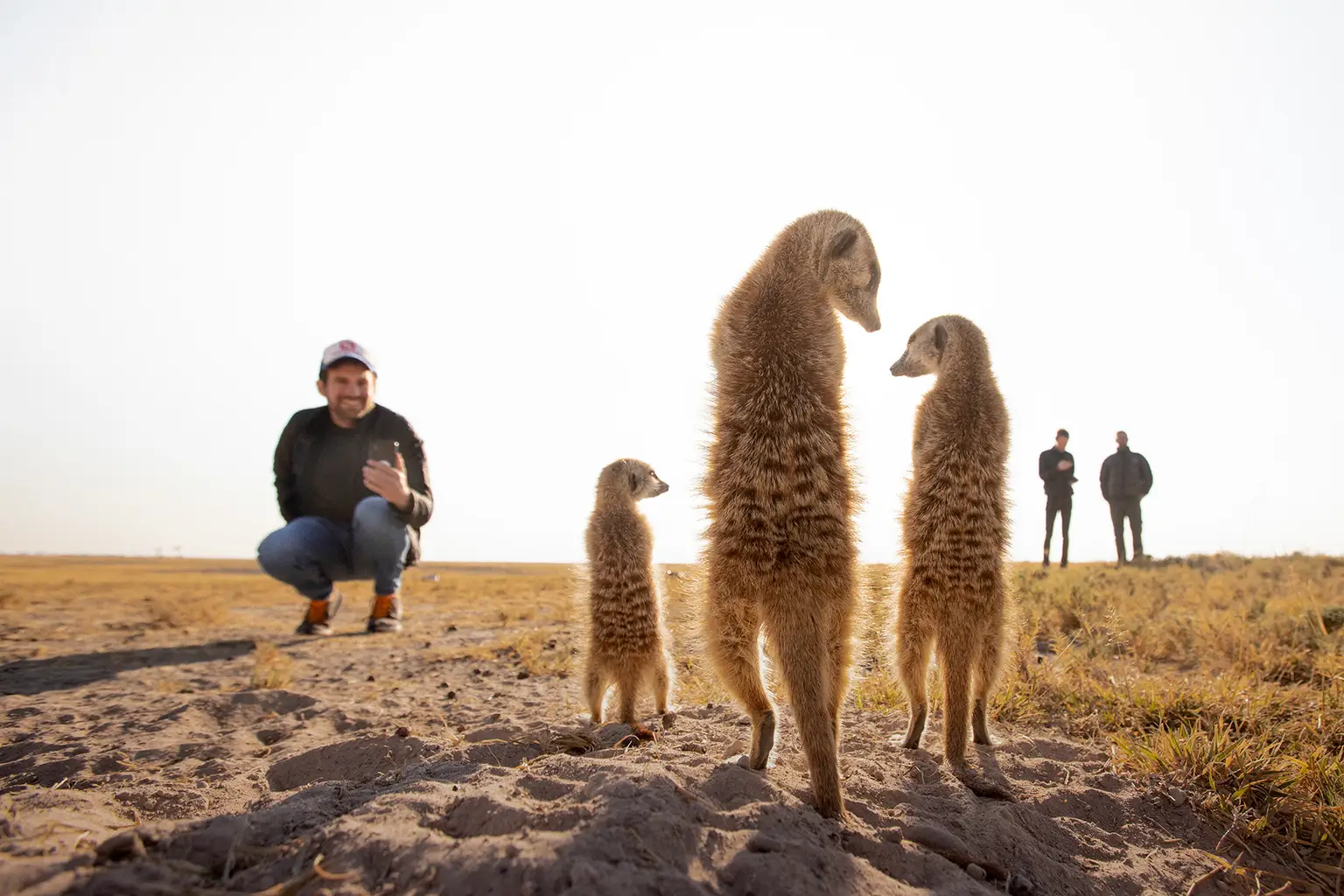
This is a place for experiences that would make little sense elsewhere in Botswana. You may travel across the open pans by quad bike when conditions permit, walk with a knowledgeable guide, sit quietly near habituated meerkats as they begin their morning routines, or sleep beneath a vast southern sky on a carefully arranged fly-camping experience. Game drives matter here, but they are not the entire story.
The landscape asks travelers to adjust their expectations. Wildlife sightings can be extraordinary, especially during the green season, but the Makgadikgadi is not designed around the constant density of animals found in some riverine reserves. Its luxury lies in access, privacy, interpretation, and the feeling of being properly away from the everyday world.
Choose Your Season With Intention
The best time to visit depends on what you hope to feel and see. Rather than treating the Makgadikgadi as a year-round identical product, it is best to plan around its seasonal character.
Dry season: vast horizons and clear night skies
From roughly May through October, conditions are generally dry, cool to warm by day, and often cold at night. The pans are more likely to offer that iconic stark, otherworldly surface, and nights can be exceptionally clear for stargazing. This is a particularly rewarding period for travelers interested in desert landscapes, private sleep-outs, photography, and a peaceful contrast to more wildlife-focused safari regions.
Quad biking is commonly associated with dry pan conditions, although routes and timing always depend on recent weather, park regulations, and the operating camp. A private guide can make the difference between merely crossing a salt pan and understanding the geology, tracks, stories, and survival strategies that give the terrain meaning.
Green season: migration, drama, and renewal
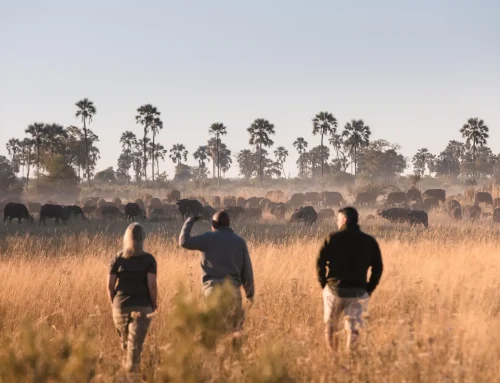
With the summer rains, usually from November into April, parts of the Makgadikgadi come alive in a very different way. The grasslands can support one of Africa’s great zebra migrations, with large herds moving through the broader ecosystem, often accompanied by wildebeest and followed by predators. Timing is never fixed, and wildlife movements respond to rainfall, but this season can be deeply rewarding for travelers who value natural drama over predictability.
Birders should also pay attention to the wetter months, when seasonal wetlands may attract flamingos and other waterbirds. The skies are bigger, the light can be dramatic, and green-season rates at some properties may offer additional value. The trade-off is that rain can affect road conditions and limit access to the salt pans themselves. A well-designed itinerary keeps enough flexibility to work with, rather than against, the weather.
The Experiences Worth Planning Around
A Makgadikgadi stay is strongest when it is allowed enough time. Two nights can offer a memorable introduction, but three nights is often better for travelers who want both active exploration and unhurried time at camp. Conditions determine the exact activity mix, so the right approach is to prioritize the kind of experience you want rather than insist on a rigid checklist.
Meerkat encounters are among the region’s most recognizable experiences. With a respectful, experienced guide, guests may spend time close to habituated groups as they forage and keep watch. These are wild animals, not a staged attraction, and their behavior sets the pace. That uncertainty is part of the privilege.
Cultural experiences can add another dimension when they are community-led, fairly arranged, and approached with genuine curiosity. The Makgadikgadi’s human history is as compelling as its physical scale, from long-standing connections to the land to the knowledge systems that have helped communities live within a demanding environment. Meaningful visits should never feel like a performance scheduled between activities. They should be carefully matched to guests’ interests and handled with respect for community time, privacy, and benefit.
For couples and honeymooners, a night under the stars can be especially memorable. The appeal is not excess but simplicity done well: a comfortable bed, attentive hosting, a warm meal, and uninterrupted darkness overhead. Families may prefer a private vehicle and flexible daily rhythms, allowing younger travelers time to understand tracks, insects, baobabs, and the changing textures of the pans without being rushed.
Getting There and Combining the Makgadikgadi
Most refined Makgadikgadi itineraries are arranged through a combination of scheduled or private light-aircraft transfers and road connections, depending on the selected lodge and route. Some properties are reached most easily from Maun, while others work naturally with a road journey via Nata or Gweta. Transfer time matters in Botswana, where distance is part of the experience, and a knowledgeable ground team will choose the route that protects your time and comfort.
The Makgadikgadi combines beautifully with the Okavango Delta, Moremi Game Reserve, Khwai, or Chobe. A classic pairing begins with water-based and game-viewing experiences in the Delta before moving into the open desertscape of the pans. The contrast is remarkable: mokoro channels and palm-fringed floodplains give way to baobabs, salt, and sky.
It can also form part of a broader Southern African journey. After Botswana, Victoria Falls offers a natural next chapter, while Cape Town and the Winelands provide a change of pace through food, design, and coastal scenery. The order should be shaped around flight connections, desired activities, and the season, not a pre-set route.
Where to Stay: Comfort That Belongs in the Landscape
Accommodation around the Makgadikgadi ranges from intimate, characterful camps to more private safari residences. For a mid-luxury to luxury journey, look for properties with strong guiding, thoughtful cuisine, small guest numbers, and a clear relationship with their surrounding landscape and communities.
The best choice depends on your travel style. A honeymoon may call for privacy, a private dining setup, and a sleep-out opportunity. A multigenerational family may value larger tents or suites, a dedicated guide, and flexible meal times. Photographers may prioritize vehicle space, expert trackers, and access to varied habitats. No single camp is right for every traveler, which is why an itinerary should be designed around the people traveling, not simply the destination names.
Travel Well in a Fragile Landscape
The Makgadikgadi’s apparent emptiness can be misleading. Salt pans, grasslands, wildlife corridors, and neighboring communities form a sensitive living system. Responsible travel means staying on approved routes, respecting wildlife distance, using water thoughtfully, and choosing operators whose community and conservation commitments are active rather than decorative.
It also means embracing the occasional adjustment. Heavy rain, wildlife movement, wind, or changing pan conditions can alter a plan. In Botswana, the most memorable moments often emerge from those changes: a spontaneous stop for zebra crossing open grassland, a guide reading tracks in the dust, or an evening when the sky becomes the main event.
At Chloorokop Travel & Tours, we design Makgadikgadi journeys around those real conditions, with trusted local partners, carefully timed transfers, and the flexibility that this extraordinary landscape deserves.
Come to the Makgadikgadi not to fill every hour, but to make room for wonder. The pans reward travelers who arrive curious, stay a little longer, and leave with a deeper sense of Botswana’s wild, beautifully spacious heart.