A well-designed executive incentive safari example does more than reward strong performance. It gives a leadership team the rare gift of shared perspective: elephants crossing an open floodplain at dawn, a private fireside conversation after dinner, and enough unstructured time for genuine relationships to form. In Botswana, those moments can be delivered with polish, privacy, and a meaningful connection to the wilderness that hosts them.
For companies recognizing a high-performing team, welcoming key clients, or bringing senior leaders together away from the usual agenda, safari is not simply a dramatic backdrop. It is a considered setting for recognition, reflection, and renewed momentum.
Why Botswana works for executive incentives
Botswana is particularly well suited to smaller, high-value incentive groups. Its conservation-led tourism model favors low-density wilderness areas and intimate camps over high-volume sightseeing. That creates the discretion many executive groups need, while ensuring the journey still feels personal rather than programmed.
The Okavango Delta offers water-based exploration by mokoro, motorboat, and private helicopter, depending on the season and itinerary. Moremi Game Reserve and Khwai add exceptional game viewing, while Chobe, Savuti, and Linyanti bring vast elephant herds, predator country, and a powerful sense of remoteness. Each region has a different rhythm, which is useful when an incentive needs to balance activity, discussion, and rest.
For a group arriving from New York, London, Dubai, or Johannesburg, Botswana can also fit naturally into a wider African journey. A short Victoria Falls stay, a private Winelands experience, or a few restorative days on the Mozambican coast can extend the reward without diluting the safari’s purpose.
Executive incentive safari example: five nights in Botswana
This sample is designed for an executive group of 10 to 16 guests. It could suit a President’s Club reward, a leadership retreat, or an incentive for a close-knit sales or partner team. The exact camps, flight routing, and activities would always be tailored to the company’s timing, objectives, and guest profiles.
Day one: A considered arrival in Maun
Guests arrive in Maun, Botswana’s safari gateway, where they are met and assisted through the next stage of their journey. Instead of beginning with a long road transfer, the group boards light aircraft for a scenic flight over channels, islands, and seasonal floodplains toward a private concession in the Okavango Delta.
At camp, the welcome is relaxed and personal. Lunch is followed by time to settle into spacious suites before the first afternoon game drive. There is no need to force a formal meeting on arrival. The first shared sunset, often accompanied by giraffe, impala, and the calls of distant birds, does much of the work of bringing people out of office mode.
That evening, a private dinner can include a brief welcome from the company host and a local guide’s introduction to the Delta ecosystem. The tone should be appreciative, not corporate-heavy.
Day two: The Delta as a new meeting room
An early game drive offers the possibility of lion, leopard, African wild dog, elephant, and a wealth of antelope and birdlife. Yet the quality of the experience lies as much in the guide’s interpretation as the sightings themselves. A skilled guide can make the landscape intelligible – from a leopard’s territorial behavior to the role of floodwaters in sustaining the Delta’s wildlife.
After brunch and a break during the warmest part of the day, the group gathers for a short, focused leadership session. This might be a conversation on the year ahead, recognition of individual achievement, or a facilitated discussion around shared priorities. Keeping it to 60 or 90 minutes protects the purpose of the incentive. Guests have not traveled across the world for a boardroom transplanted into the bush.
The afternoon is reserved for mokoro excursions through reed-lined channels or a game drive, depending on water levels and the camp’s location. A sundowner on a quiet island gives executives space to talk without name badges, screens, or competing demands.
Day three: Shared challenge, private reward
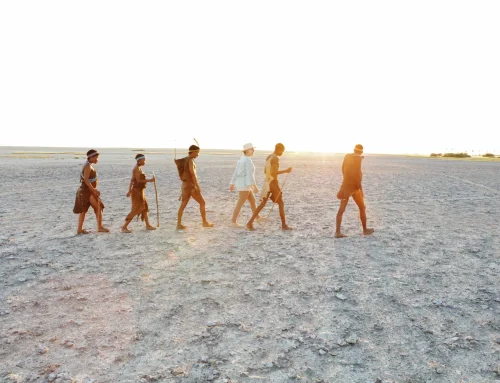
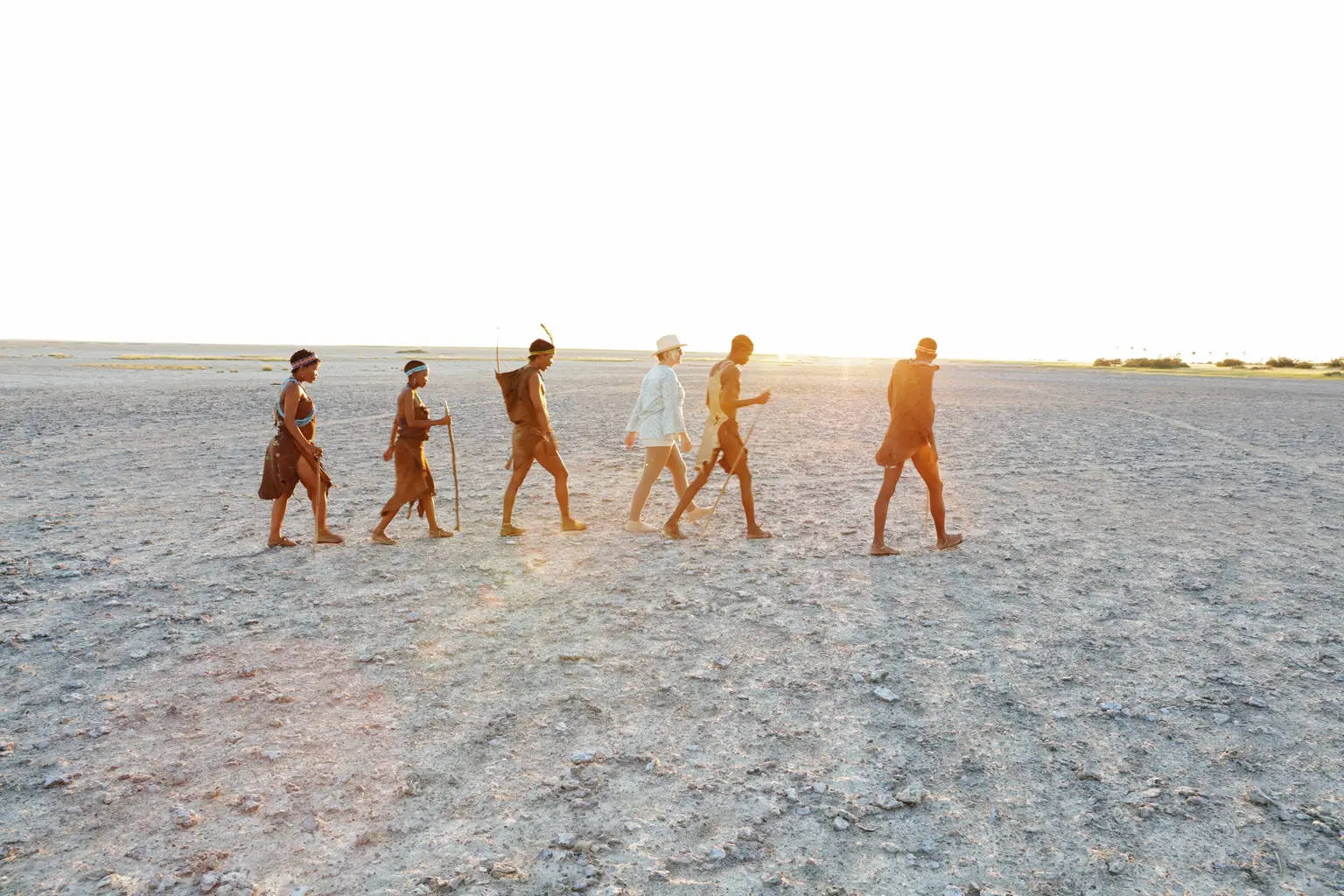
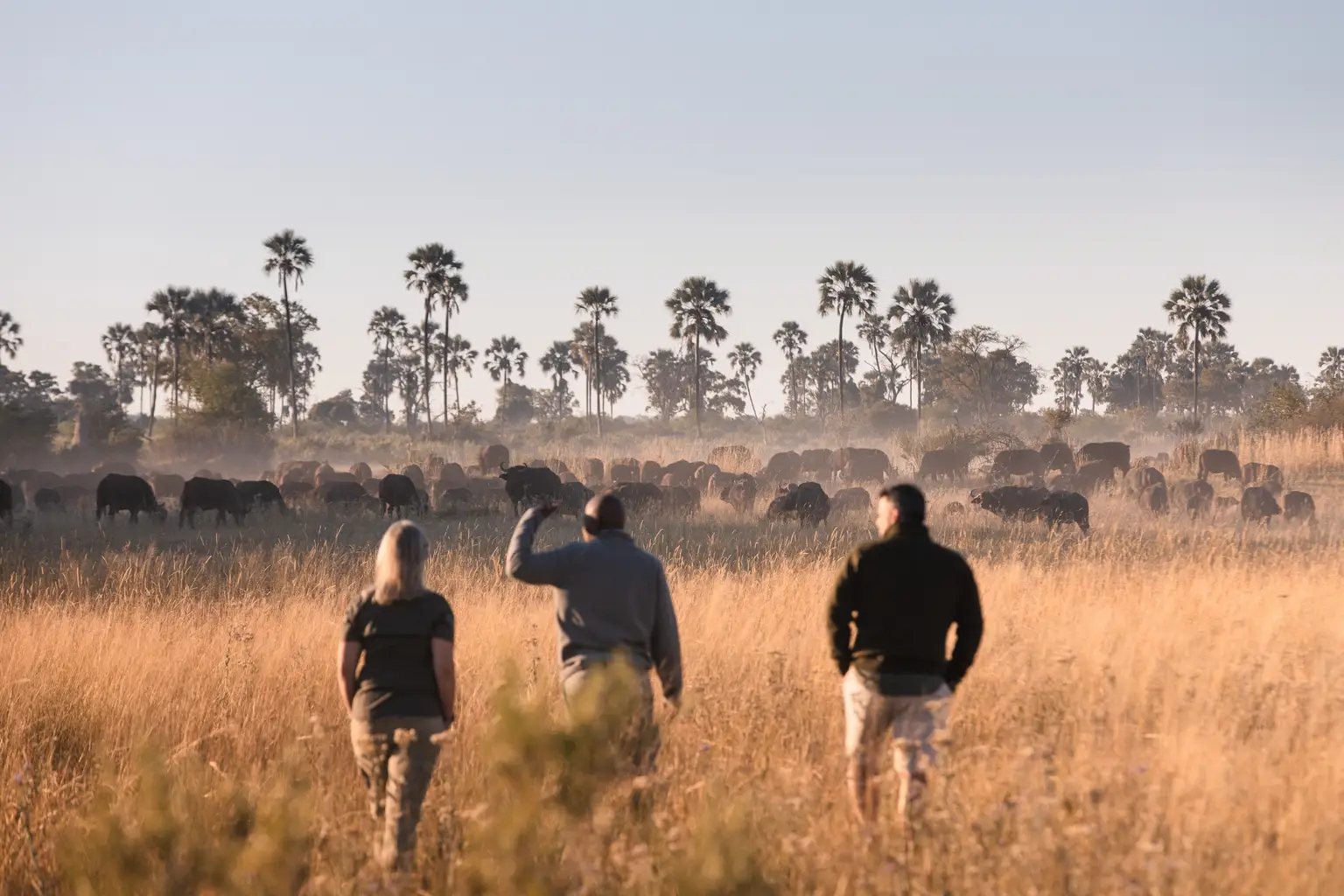
The third day can introduce an optional shared challenge. In a suitable private concession, this may be a guided bush walk led by qualified professionals, focused on tracking, ecology, and reading the smaller details often missed from a vehicle. It is not an endurance exercise. It is a chance to slow down, observe closely, and rely on expert knowledge.
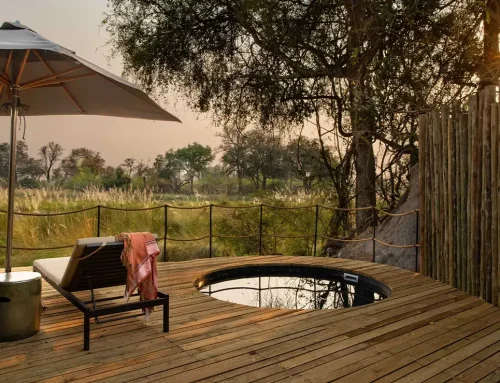
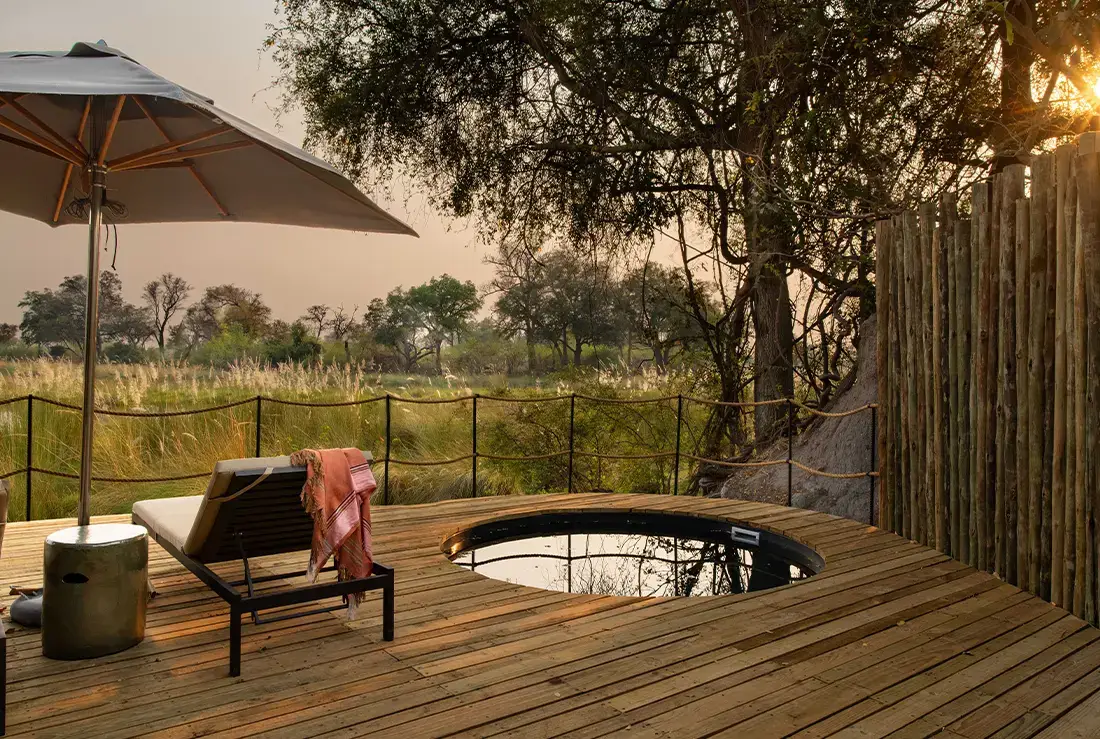
For guests who prefer a gentler pace, a photographic safari, spa treatment, or private deck time may be the better choice. A successful incentive recognizes that a group is not a single personality. Choice is part of luxury, particularly for senior travelers with different energy levels and comfort preferences.
That night, the group enjoys a celebration dinner in a carefully selected outdoor setting, subject to weather and camp operations. Local ingredients, Botswana-inspired storytelling, and discreet entertainment can add character without turning the evening into a themed production. Recognition is most memorable when it feels sincere.
Day four: From the Delta to elephant country
A light aircraft transfer north brings the group to Chobe, Linyanti, or Savuti, depending on the wildlife priorities and time of year. This change of landscape matters. The Delta’s waterworld gives way to drier woodland, riverfront, or open plains, creating a distinct second chapter rather than a repetition of the first camp.
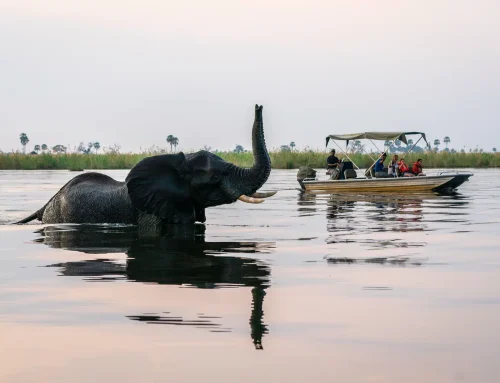
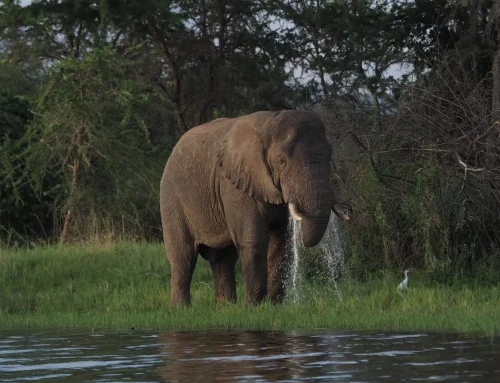
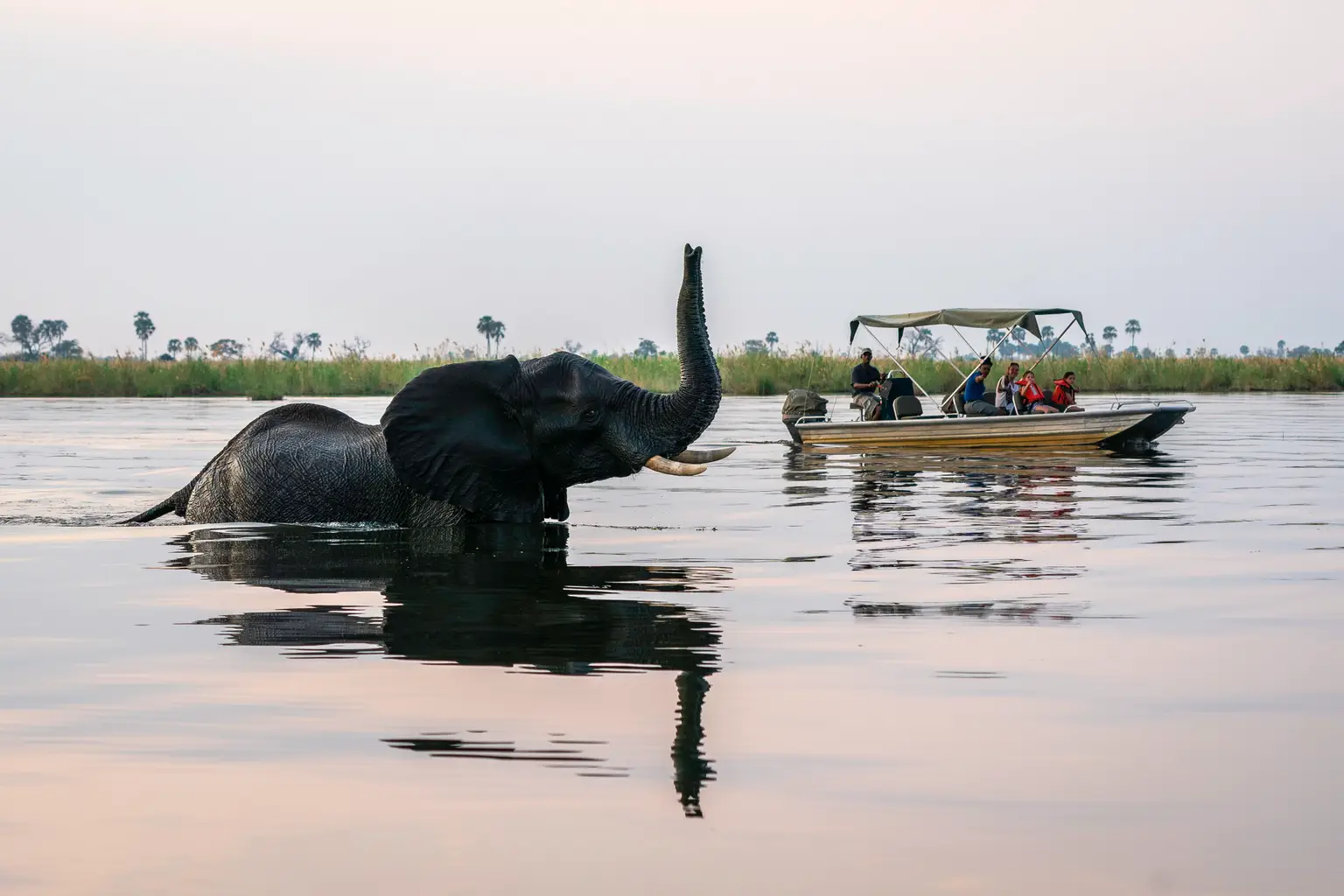
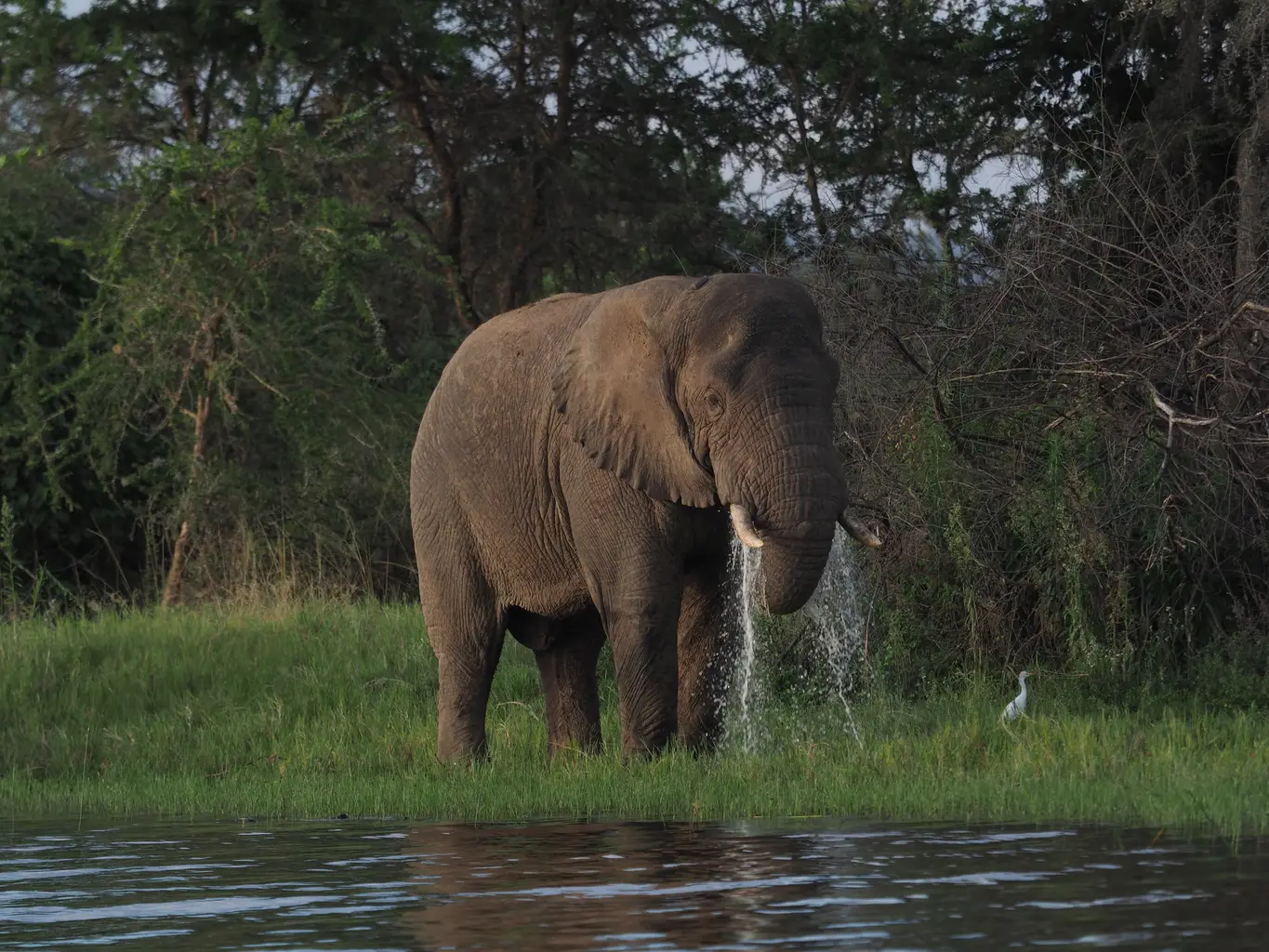
In the Chobe region, a private boat safari can bring guests close to large elephant herds gathering along the river. In Linyanti or Savuti, the emphasis may shift toward predators, dramatic seasonal movements, and more remote game drives. Camp selection is central here: some properties are ideal for complete exclusivity, while others offer a refined shared-lodge atmosphere with private group arrangements.
Before dinner, a short recognition ceremony can be held around the fire. This is a fitting time for awards, handwritten notes from senior leadership, or a thoughtful gift with local relevance. The most effective gestures are beautifully made and useful, not excessive.
Day five: Purpose beyond the itinerary
An incentive journey can be luxurious and responsible at the same time. Botswana’s wildlife areas depend on long-term conservation, responsible land use, and the participation of communities living near wilderness regions. Where appropriate, the itinerary may include a respectful community or conservation-focused encounter arranged with trusted local partners.
This should never feel like a staged visit or a corporate photo opportunity. The best experiences are small in scale, mutually respectful, and led by the people whose stories are being shared. For some groups, a conservation briefing with a researcher or camp manager may be more appropriate than a community visit. It depends on the company’s values, the group’s interests, and what can be delivered authentically.
The final evening is intentionally unhurried. Guests may gather for a farewell dinner, share their most memorable sightings, and reflect on what the experience has made possible. By this stage, the incentive has moved beyond reward. It has created a shared reference point that can endure long after everyone returns home.
What makes an executive safari feel exceptional
The difference between a good group safari and an exceptional incentive is usually found in the details. Arrival times need to work with international flight schedules. Rooming must account for privacy, accessibility, and individual preferences. Dietary requirements, preferred drinks, photography interests, wellness needs, and the right balance between group time and personal time all deserve attention before guests land.
It also means being realistic about trade-offs. A camp with the deepest sense of isolation may require additional light-aircraft transfers. A property with larger private gathering spaces may be better for presentations but less intimate in feel. Green season can offer vivid landscapes, fewer visitors, and compelling value, while dry-season dates often provide easier wildlife viewing and heightened demand. There is no universal best choice, only the right choice for the group.
For executive incentives, local ground handling is equally important. Experienced on-the-ground coordination keeps aircraft transfers, camp arrivals, private dinners, guide briefings, and any contingency planning aligned without placing operational decisions on the company host. Chloorokop Travel & Tours designs this kind of Botswana-led journey around the people taking it, not a fixed departure template.
Planning with purpose
The strongest safari incentives begin with a clear question: what should guests feel when they return home? Valued, certainly. But perhaps also more connected to colleagues, more confident in the company’s direction, or more aware of the natural and cultural places their journey has supported.
Build the experience around that answer. Give the wilderness room to speak, choose partners who care for the landscapes they work in, and allow the itinerary to feel generous rather than overfilled. Africa, personally experienced, has a way of making recognition feel lasting.