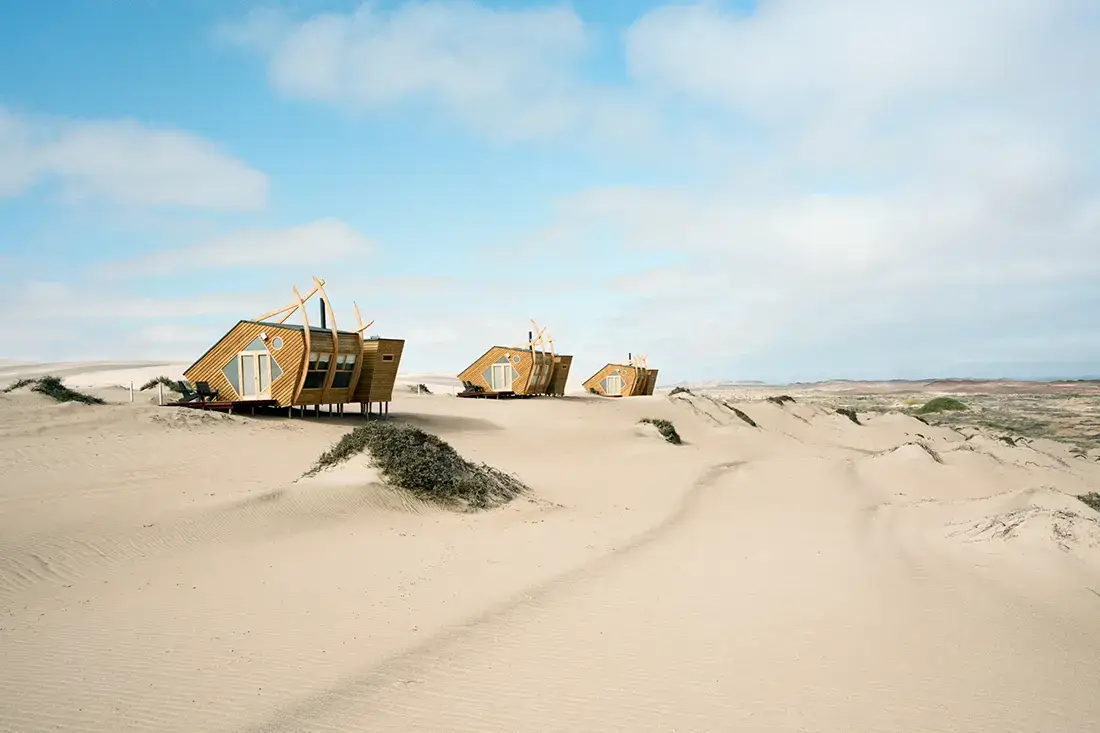
A map makes Namibia versus Botswana look like an easy choice between neighboring safari countries. On the ground, they offer distinctly different rhythms. Namibia is vast, sculptural, and cinematic, where desert horizons and ancient dunes shape the journey. Botswana is water, wildlife, and rare space, where a mokoro slips through Okavango channels and elephants move through camp at dusk. Both are exceptional. The right choice depends on what you want your African journey to feel like.
For travelers seeking a highly personal safari, the most rewarding answer is often not one country or the other. It is an itinerary designed around the experiences that matter most to you, with the pace, privacy, guiding, and accommodations to match.
Namibia versus Botswana: the essential difference
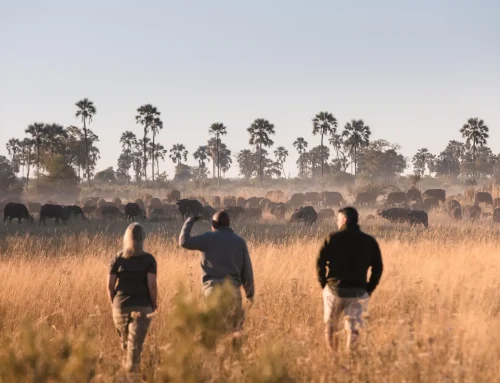
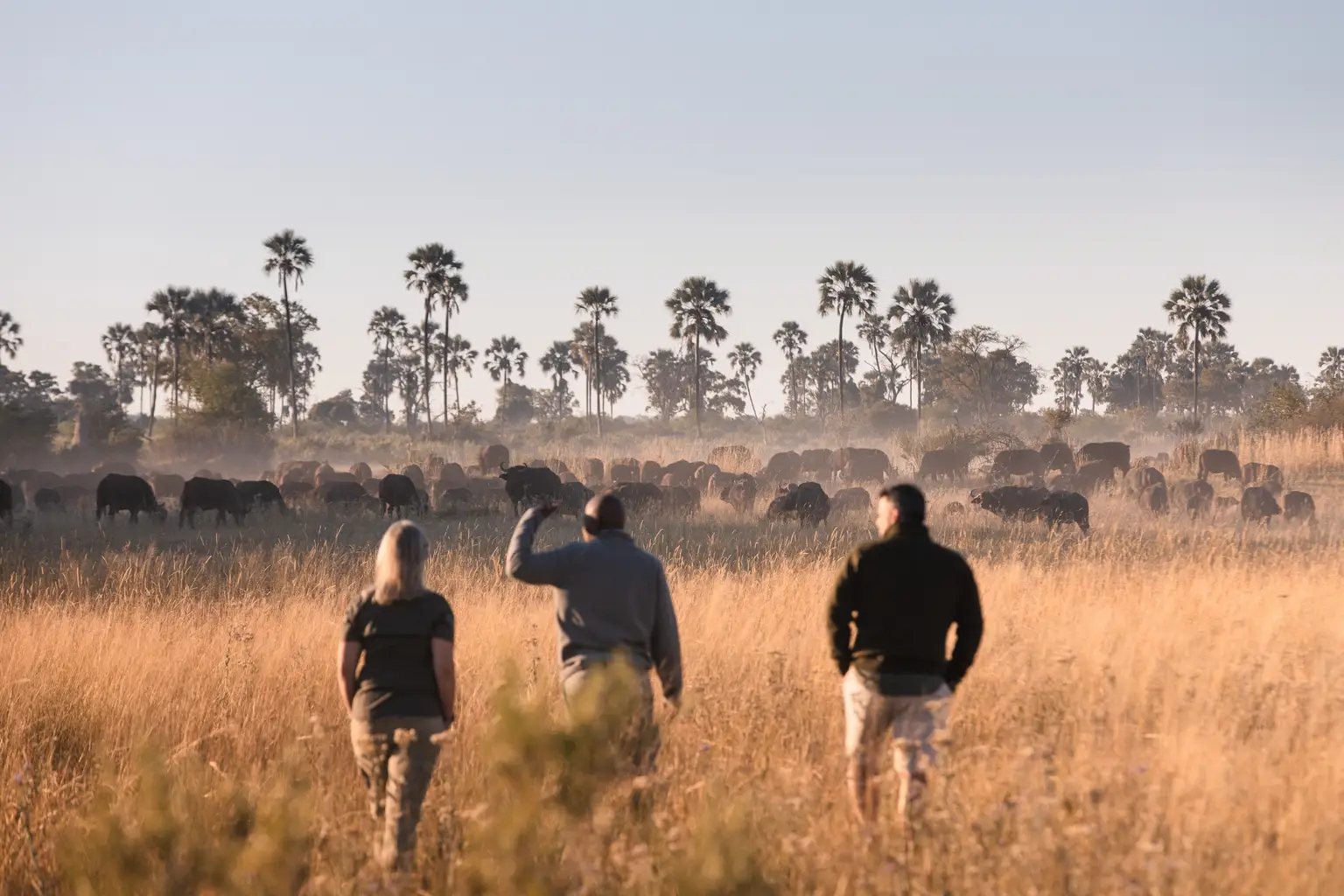
Botswana is defined by wilderness immersion. Its safari regions are built around wildlife-rich ecosystems, particularly the Okavango Delta, Moremi Game Reserve, Chobe National Park, Khwai, Savuti, Linyanti, the Makgadikgadi, and the Central Kalahari. Many luxury camps are reached by light aircraft, preserving a feeling of remoteness and allowing more time in the bush rather than on the road. Days follow the natural tempo of game drives, walking safaris where appropriate, boat excursions, and quiet hours watching the landscape from camp.
Namibia is a journey through scale and contrast. The country delivers some of Africa’s most arresting scenery: the rust-red dunes of Sossusvlei, the gravel plains and dramatic mountains of Damaraland, the fog-bound Skeleton Coast, and the wide salt pan of Etosha. Wildlife is part of the experience, particularly in Etosha and the desert-adapted landscapes of the northwest, but Namibia’s strongest pull is often the visual drama of the land itself.
Choose Botswana when wildlife encounters, water-based safari activities, and secluded camps are your priorities. Choose Namibia when you want a sweeping road or fly-in journey through extraordinary desert landscapes, with wildlife woven into a broader exploration of place.
Wildlife: density, variety, and the feeling of being there
Botswana is among Africa’s finest destinations for guests who want their safari centered on animals. The Okavango Delta is especially compelling because its seasonal floodwaters create islands, channels, grasslands, and lagoons within one remarkable ecosystem. A morning may bring wild dogs on the hunt in Moremi, while the afternoon is spent tracking elephants or leopards in the mopane woodlands of Khwai.
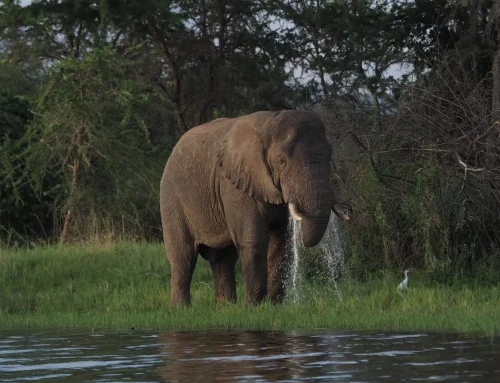
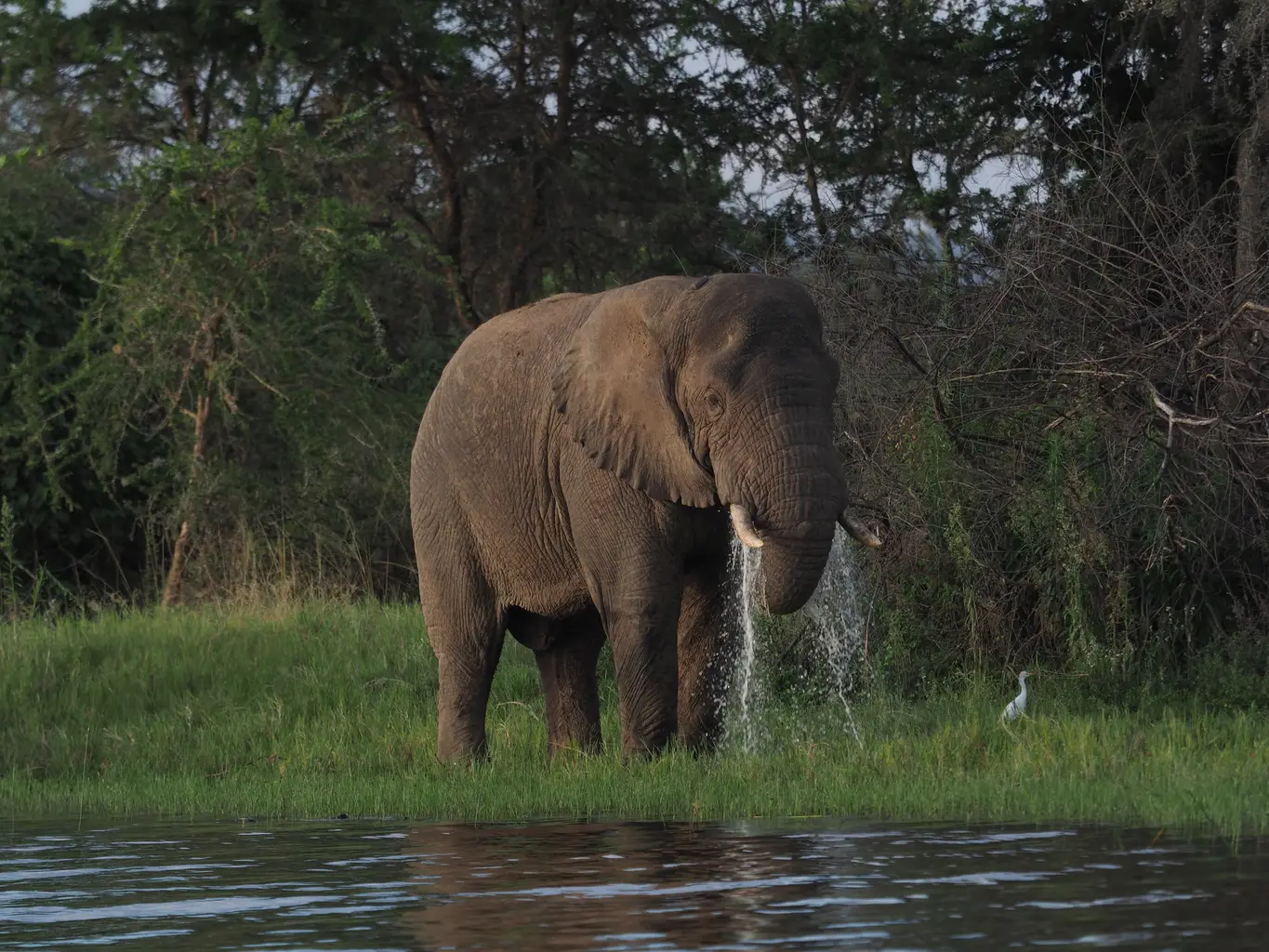
Chobe and Linyanti are particularly known for elephants, with large herds gathering along river systems and floodplains. Savuti offers a wilder, more dramatic predator-prey setting, while the Central Kalahari and Makgadikgadi reward patient travelers with open skies, desert species, and a powerful sense of solitude. Botswana also offers excellent birding, from colorful bee-eaters and kingfishers in the Delta to raptors and migratory species across the country.
Namibia’s wildlife experience is more varied by region. Etosha’s waterholes can produce memorable concentrations of elephant, rhino, lion, giraffe, and plains game, often with the stark white pan as a backdrop. In Damaraland, the experience is less about abundance and more about adaptation: tracking desert-adapted elephants across ephemeral riverbeds, looking for black rhino with specialist guides, and understanding how life endures in an arid environment.
Neither approach is better. Botswana generally offers a more consistently wildlife-led safari, while Namibia creates a strong sense of discovery through wildlife in landscapes that seem almost impossible in their scale.
For photographers and repeat safari travelers
Botswana is often the stronger choice for travelers focused on intimate wildlife photography. Private concessions can offer flexibility around sightings, off-road access in designated areas, and unhurried time with subjects. The Delta’s water, green-season skies, and close animal encounters add visual variety.
Namibia is outstanding for landscape photographers and travelers who appreciate minimalist composition, changing light, textures, and vast negative space. A desert-adapted elephant in a dry riverbed or a lone oryx beneath a towering dune has a very different visual power from a classic Big Five encounter.
Landscapes and experiences beyond the game drive
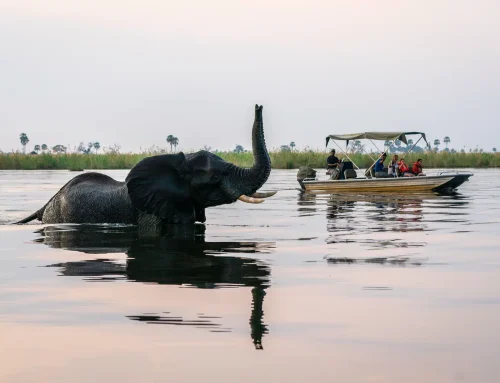
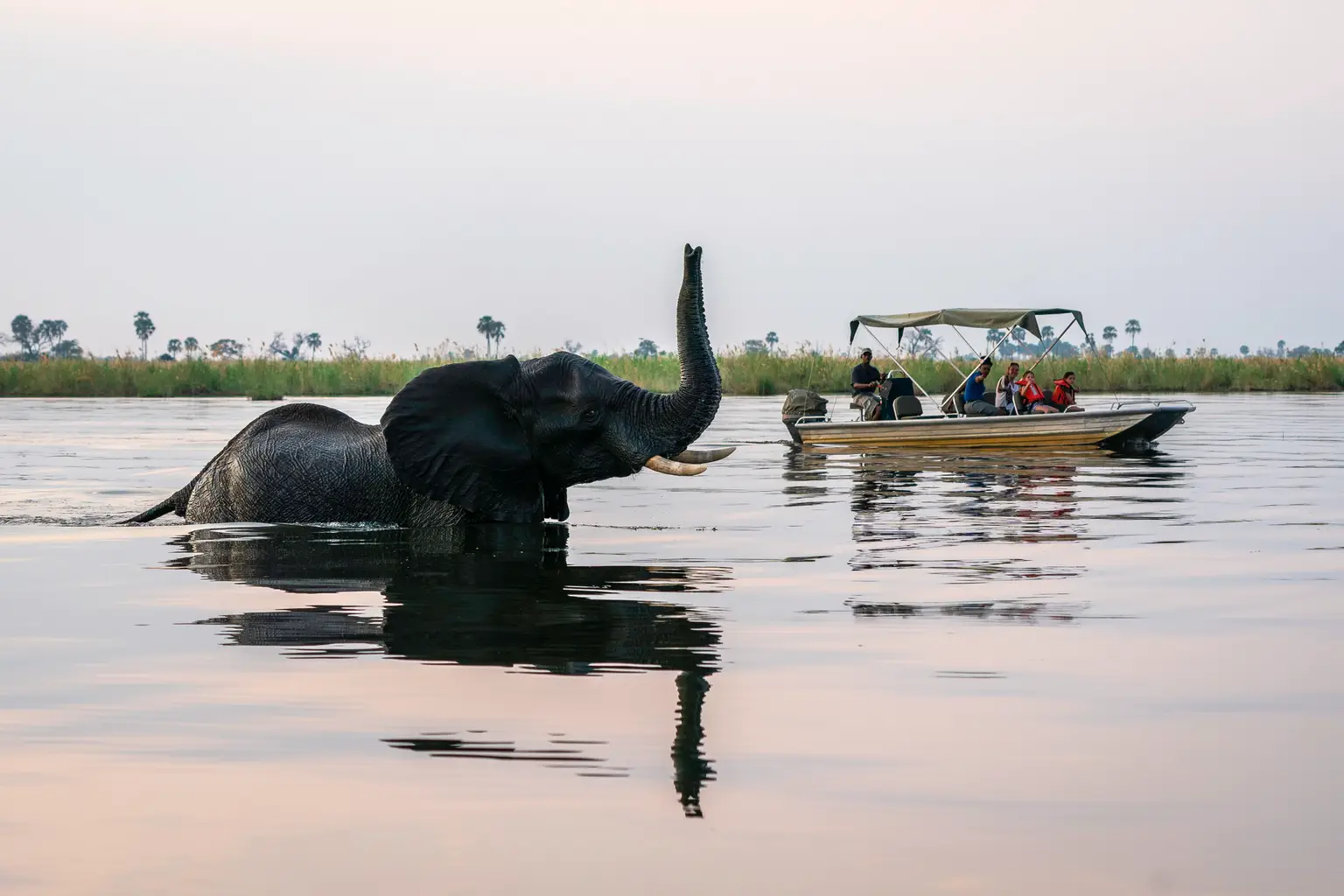
A Botswana safari can be wonderfully active without ever feeling hurried. In the Okavango Delta, a mokoro excursion offers a low, quiet perspective of the waterways, led by a local poler who reads channels and wildlife signs with practiced ease. Motorboat outings may reveal elephants crossing between islands, while walking safaris encourage close attention to tracks, plants, birds, and the smaller details often missed from a vehicle.
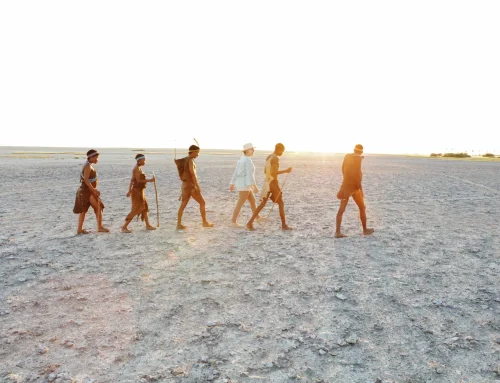
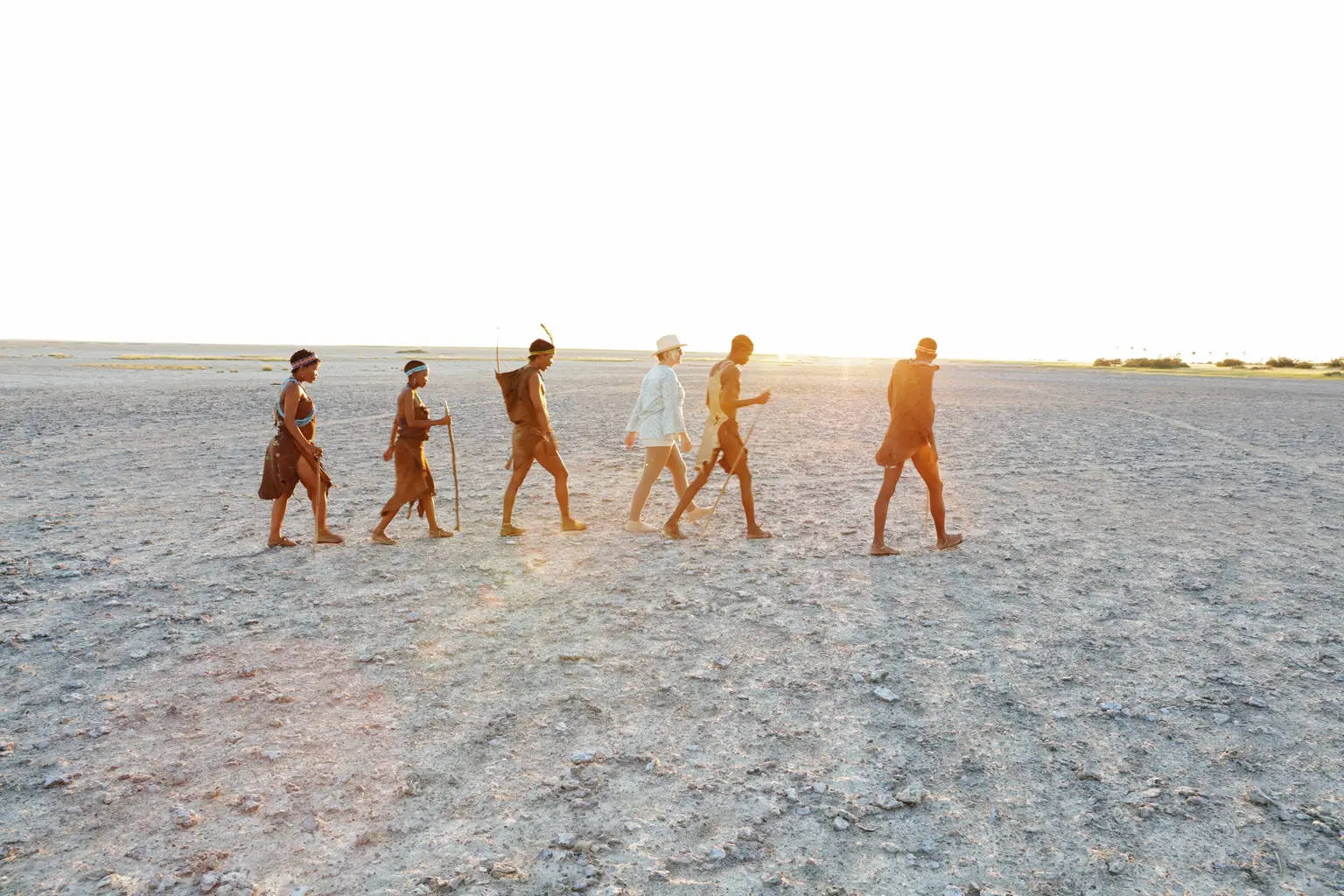
In the Makgadikgadi, the landscape opens into immense salt pans and grasslands. Seasonal zebra migration, meerkat encounters, horseback riding, and time with local communities can bring another dimension to a Botswana itinerary. These experiences are not diversions from safari. They deepen the understanding of the ecosystems and people connected to them.
Namibia excels at variety across a longer route. Sunrise over Sossusvlei’s dunes, a guided exploration of Twyfelfontein’s ancient rock engravings, a desert flight over the Skeleton Coast, and stargazing from a remote lodge can sit naturally within one journey. The distances are substantial, but that is part of Namibia’s character. A well-planned itinerary uses well-timed private transfers or light aircraft to make each transition part of the experience rather than an interruption.
For families, Namibia can be especially appealing when a journey combines desert exploration, conservation stories, spacious villas, and interactive cultural experiences. Botswana is equally strong for families, particularly those with older children ready to embrace early starts, longer game drives, and a genuine wilderness setting. The best choice depends on the family’s appetite for activity, travel time, and safari focus.
When to travel: seasons shape the journey
Botswana’s dry season, broadly from May through October, is prized for concentrated wildlife around permanent water and comfortably cool mornings. The Okavango Delta’s floodwaters usually arrive during this period, creating the classic water safari experience even when local rains have ended. September and October can be warm, especially in the north, but game viewing is often exceptional.
The green season, generally from November through April, brings dramatic skies, newborn animals, migratory birds, and greener landscapes. Rainfall can be intermittent rather than constant, and the atmosphere feels softer and more alive. It is an excellent period for photographers and travelers who value seasonal change, though some water-based activities may vary according to conditions.
Namibia is rewarding year-round, but the dry months from May through October tend to offer clearer skies, cooler temperatures, and excellent wildlife viewing in Etosha. The summer rains, usually from November through March, transform parts of the country with fleeting greenery and spectacular cloud formations. Desert regions remain compelling in every season, although temperatures can become intense during the warmer months.
A tailored itinerary should not simply follow a calendar. It should consider whether you prefer cooler weather, prolific birdlife, high wildlife density, dramatic storms, water activities, or the stillness of desert winter light.
Privacy, logistics, and style of travel
Botswana’s low-impact tourism model is central to its appeal. Many camps are small, located in private concessions or remote wilderness areas, and designed to keep guest numbers light. This supports a more private safari atmosphere while contributing to conservation and community partnerships. The result can feel deeply exclusive, but never disconnected from the landscape.
Namibia also offers privacy, particularly in remote lodges and exclusive-use properties, but its travel style is often more expedition-like. You may cover greater distances, see fewer people, and encounter a striking range of environments in a single trip. For some travelers, that sense of movement is exhilarating. For others, Botswana’s ability to stay longer in one wilderness area feels more restorative.
Both destinations benefit from expert ground handling. Flight timings, inter-camp transfers, seasonal conditions, dietary preferences, family requirements, private guiding, and the right room configuration all shape the experience. These details are where a safari becomes personal rather than merely well booked.
Why combining Namibia and Botswana can be extraordinary
For travelers with sufficient time, Namibia and Botswana complement each other beautifully. Begin among Namibia’s dunes and desert mountains, then fly east toward Botswana’s floodplains and wildlife-rich concessions. The transition from red sand and vast silence to reed channels and elephant-filled woodlands makes the contrast more memorable than either destination alone.
A thoughtful regional journey might also include Victoria Falls in Zimbabwe or Zambia, adding one of Africa’s great natural spectacles without losing the sense of a carefully paced, private itinerary. The key is restraint. It is better to experience a few places deeply than to collect too many flights and check-ins.
Chloorokop Travel & Tours designs Botswana-led journeys with Namibia and other African extensions selected around each guest’s interests, timing, and preferred travel style. From private guiding to lodge selection and every inter-country movement, the intention is simple: let the journey feel effortless while retaining its sense of wonder.
The most meaningful choice is not simply Namibia or Botswana. It is choosing the landscape that stays with you – whether that is the hush of a mokoro moving through the Delta, or first light spilling across a Namib dune – and giving it the time it deserves.