A Botswana safari can move from a private light-aircraft flight above floodplains to a game drive beside elephant herds within the same afternoon. To arrange safari transfers well, treat each journey between camps, airports, and borders as part of the experience, not simply the time between experiences. The right plan protects your time in the wilderness, keeps luggage practical, and gives every arrival the calm, considered feeling a tailor-made safari deserves.
Botswana’s most remarkable places are beautifully remote. The Okavango Delta, Linyanti, Savuti, and parts of the Kalahari are not connected by ordinary highways in the way many first-time visitors expect. A carefully coordinated combination of charter flights, road transfers, boat movements, and lodge vehicles is usually the most comfortable and sensible way to travel.
Start With the Shape of Your Safari
Transfers should be planned alongside the itinerary, accommodation, and activities, rather than added at the end. A two-camp Botswana journey may be elegantly simple: arrive in Maun, take a scenic light aircraft flight to the Delta, then continue by air to Chobe before a road transfer to Kasane Airport. A longer Southern Africa journey may connect Botswana with Victoria Falls, Cape Town, Zambia, Namibia, or a beach retreat in Mozambique or Mauritius.
The best transfer choice depends on more than distance. Seasonal water levels, the camp’s location, your preferred pace, the ages of travelers, flight schedules, and luggage requirements all matter. A family with young children may benefit from fewer camp changes and well-timed private road journeys. A photographer may prefer an extra night near a particular habitat rather than spending that day in transit. Honeymooners often value a measured route with time to settle into each place.
A well-designed itinerary also leaves room for reality. Weather can affect aviation, wildlife may delay a game-drive transfer in the most welcome way, and international flight schedules can shift. Building sensible buffers makes the journey feel relaxed without reducing what you experience.
Ways to Arrange Safari Transfers
Light aircraft transfers for remote camps
Scheduled and private light aircraft flights are central to many luxury Botswana safaris. They connect Maun, Kasane, and selected regional airports with bush airstrips near camps in the Okavango Delta, Moremi, Khwai, Linyanti, Savuti, Makgadikgadi, and the Central Kalahari.
These flights are not merely efficient. From the air, the Delta’s channels, islands, and grazing herds reveal the scale of a landscape that cannot be understood from a road alone. Flights are generally short, though timing can include check-in, safety procedures, luggage loading, and occasional routing through another airstrip.
Small aircraft do come with practical limits. Soft-sided bags are usually essential because they fit safely into compact luggage holds, and baggage allowances can be tighter than on international flights. Exact limits vary by operator and aircraft, so packing should follow the confirmed guidance for your particular routing. If you are carrying professional camera equipment, medical items, or special gear, flag it early so the travel plan can account for weight and space.
Private chartering can be especially valuable for travelers seeking greater privacy, a specific departure time, or a route that serves a multi-generational family or private group. It is not automatically necessary, however. Shared scheduled flights often work beautifully and retain the pleasure of arriving at a remote airstrip where your guide is waiting.
Private road transfers where the journey adds value
Road transfers are ideal for certain connections, particularly between Kasane and Victoria Falls, around Maun, and for access to lodges or cities with reliable road infrastructure. In the right setting, a private vehicle offers flexibility for comfort stops, lunch, photography, or a scenic detour.
Road travel is less suited to trying to cover large wilderness distances in one day. A map can make Botswana look compact, but road conditions, park gates, border procedures, and the need to arrive before activity times can lengthen a journey. Choosing a light aircraft transfer may cost more, yet it can return a valuable afternoon to your safari rather than turning it into a long travel day.
For private transfers, ask what vehicle will be used, how much luggage it can carry, whether refreshments are included, and who will meet you at each point. The details matter when you have just stepped off a long-haul flight or are traveling with children, mobility considerations, or valuable equipment.
Boat and lodge transfers in the Delta
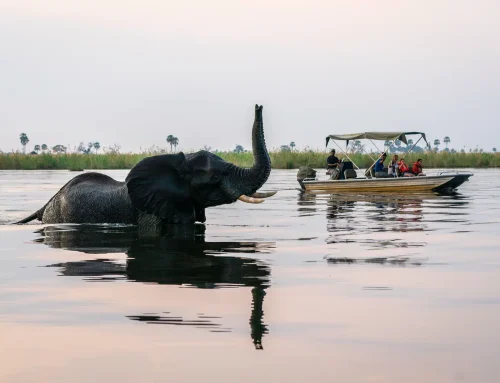
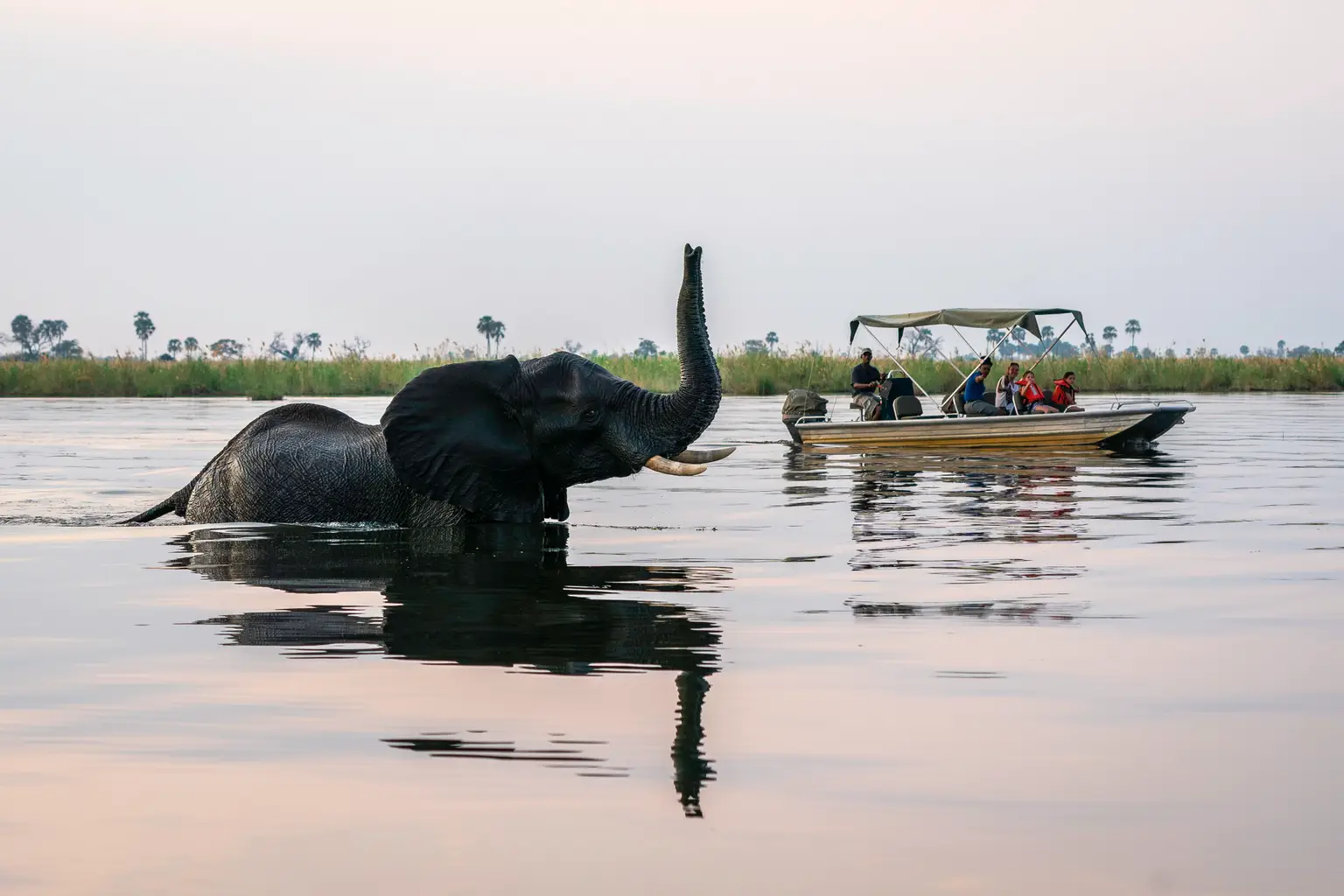
During higher-water periods, boat transfers can form a memorable part of an Okavango Delta stay. Gliding through reed-lined channels offers a quiet counterpoint to a game drive, with birdlife, reflected skies, and the possibility of seeing wildlife at the water’s edge.
Water levels change dramatically through the year, and not every Delta camp is reached by boat. Some properties combine aircraft arrival with a short boat or vehicle transfer, while others rely entirely on air access. This is why a local, season-aware plan matters: the most romantic-looking route on paper may not be the most appropriate one for your travel dates.
Plan Arrival and Departure Days Generously
Most Botswana safaris begin through Maun or Kasane, with Johannesburg frequently serving as a regional gateway. On arrival day, an onward connection may be perfectly feasible, but it should not be built around a tight international-to-charter connection. Immigration, baggage collection, flight delays, and airline schedule changes all deserve breathing room.
For a first night after a long overnight flight, some travelers prefer a comfortable stay near their gateway before heading into the bush the following morning. Others would rather continue directly to camp, especially when international arrival times align well. Neither choice is universally better. The right decision reflects your energy, your itinerary length, and how much flexibility you want at the beginning of the trip.
Departure days need the same care. Camp departure times are often shaped by shared aircraft routing and may be earlier than expected. Avoid scheduling an international departure with no meaningful buffer after a bush flight. A final night in Maun, Kasane, Victoria Falls, or Johannesburg can turn a pressured end to the safari into an enjoyable final chapter.
Crossing Borders on a Multi-Country Safari
A Botswana safari pairs naturally with Zimbabwe and Zambia for Victoria Falls, South Africa for Cape Town and the Winelands, or Namibia for desert landscapes. East African extensions, including Rwanda or Uganda for gorilla trekking and Kenya or Tanzania for classic savanna experiences, require more substantial flight planning but create exceptional longer journeys.
Cross-border transfers need accurate passport details, confirmed entry requirements, and a clear understanding of where checked luggage will be handled. Border movements by road can be straightforward, but wait times vary. Private guiding and well-planned timing make a substantial difference, especially when connecting a Botswana lodge with Victoria Falls accommodations.
Families should check documentation requirements for minors well before departure. Travelers carrying prescription medication, drones, specialist camera equipment, or sporting gear should also seek destination-specific advice early. These are not details to leave until packing week.
How to Arrange Safari Transfers Without Friction
Share your international flight details as soon as they are ticketed, including arrival and departure times, airline, flight number, and any overnight airport stays. Then confirm every movement in one itinerary: airport meet-and-greet, charter departure, lodge transfer, border crossing, and final airport drop-off.
It is wise to ask who is responsible at each handover. On a well-managed safari, there should be no uncertainty about whether a camp representative, driver-guide, aviation team, or destination host is meeting you. You should also receive clear guidance on luggage, flight times, meeting points, dietary provisions during longer journeys, and emergency contact procedures.
At Chloorokop Travel & Tours, transfer planning is considered from the first conversation because it shapes the rhythm, comfort, and reliability of the entire journey. Local ground handling brings particular value in Botswana, where relationships with camps, guides, drivers, and aviation partners help each transition feel personally managed rather than procedural.
Let the Transfer Reflect the Journey
The most successful safari transfer plan is not always the fastest route on a map. It is the one that protects your comfort, respects the realities of remote wilderness travel, and gives each destination enough time to make its impression. A light aircraft over the Delta, a private drive along the Chobe River, or a boat arrival at camp can become part of the story you remember most – provided it has been planned with care.
Travel beautifully, but leave space for the unexpected sighting, the lingering farewell at camp, and the landscapes between the landmarks. Those moments are often where Africa feels most personal.