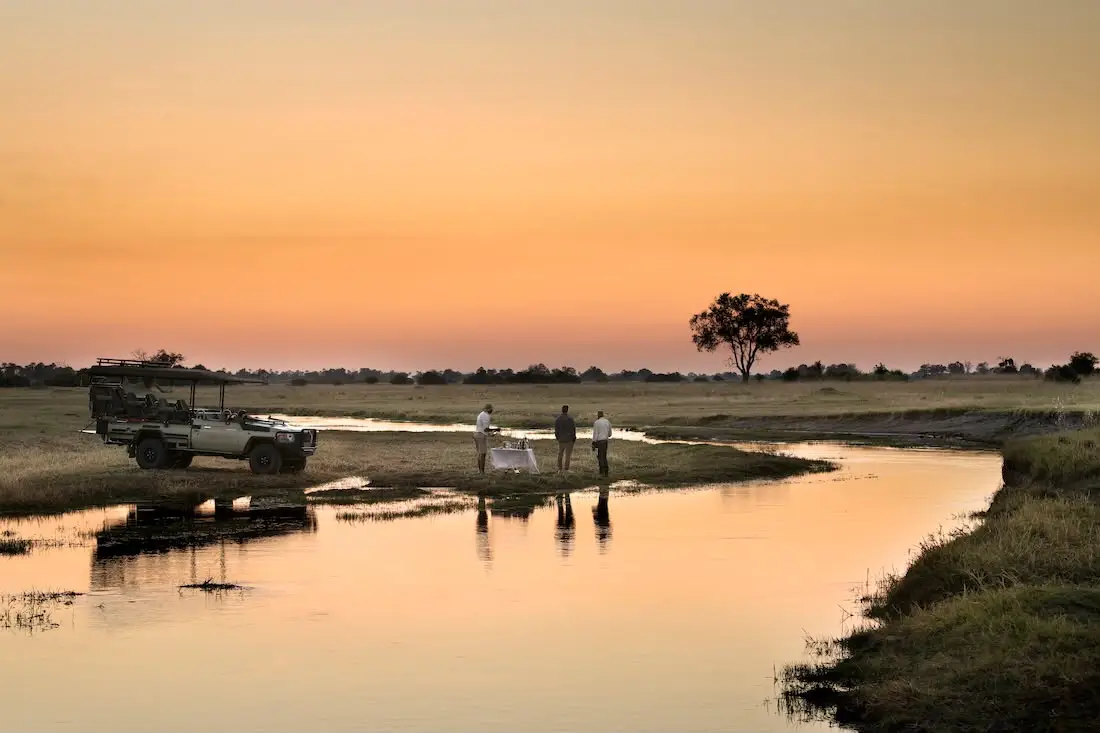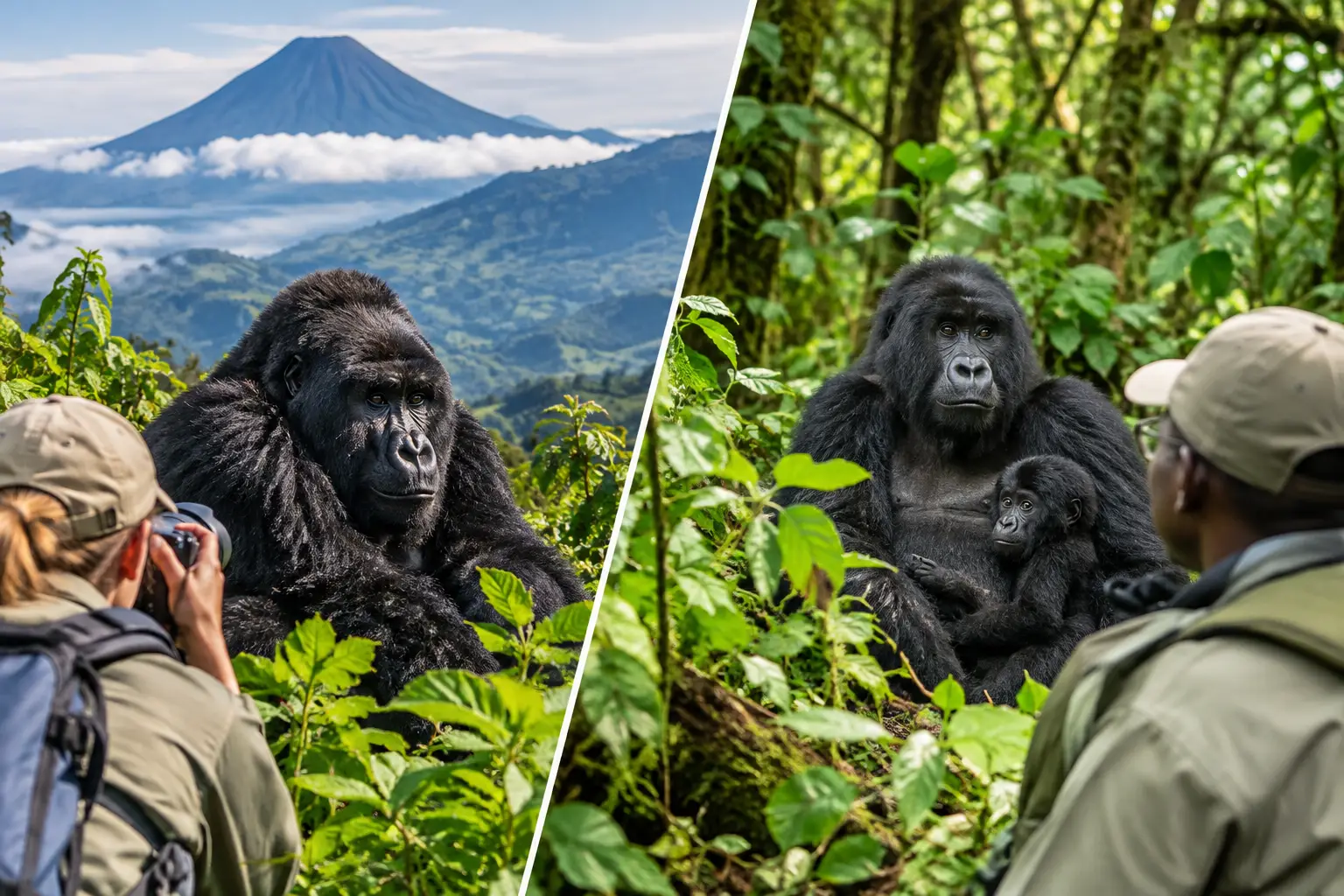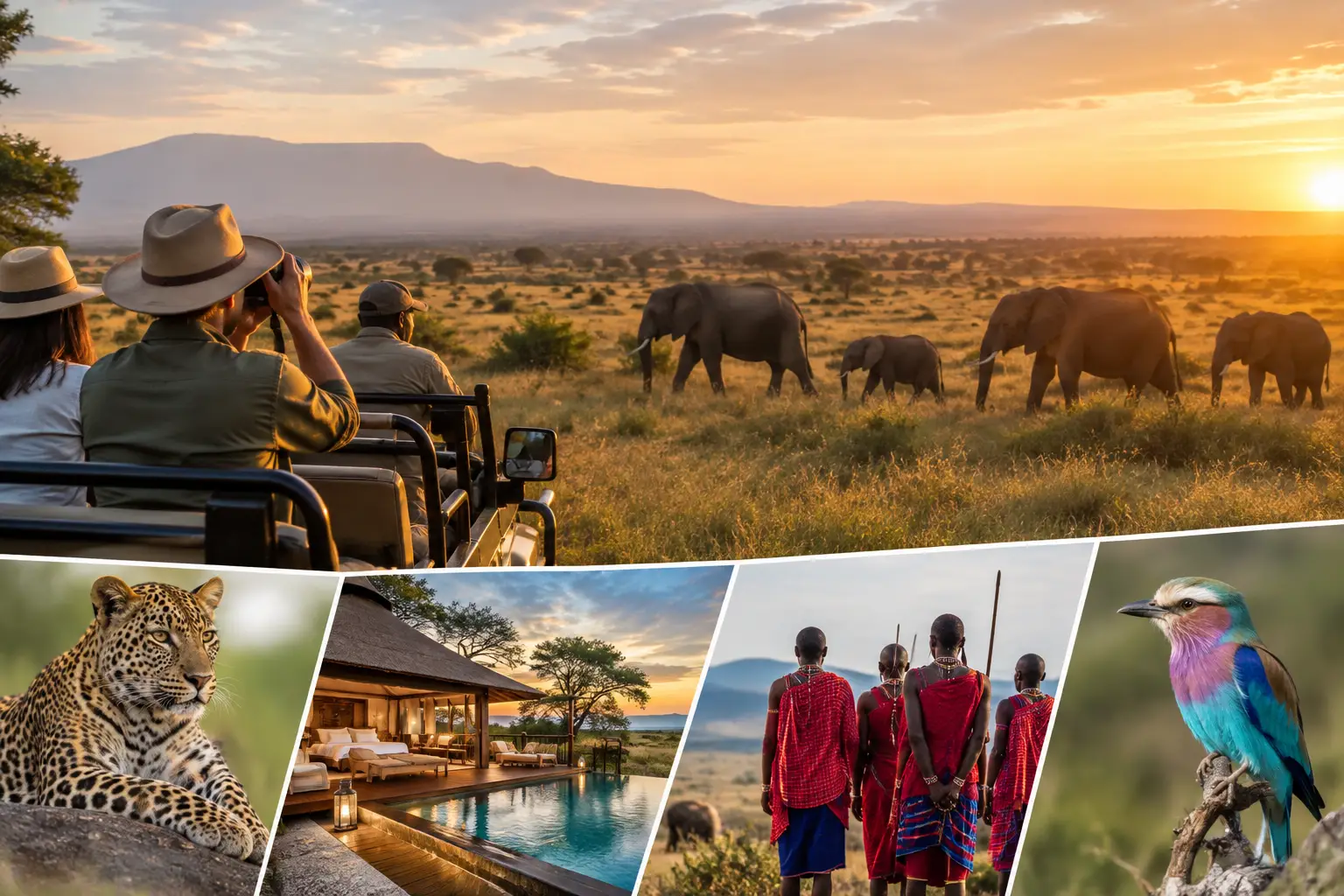
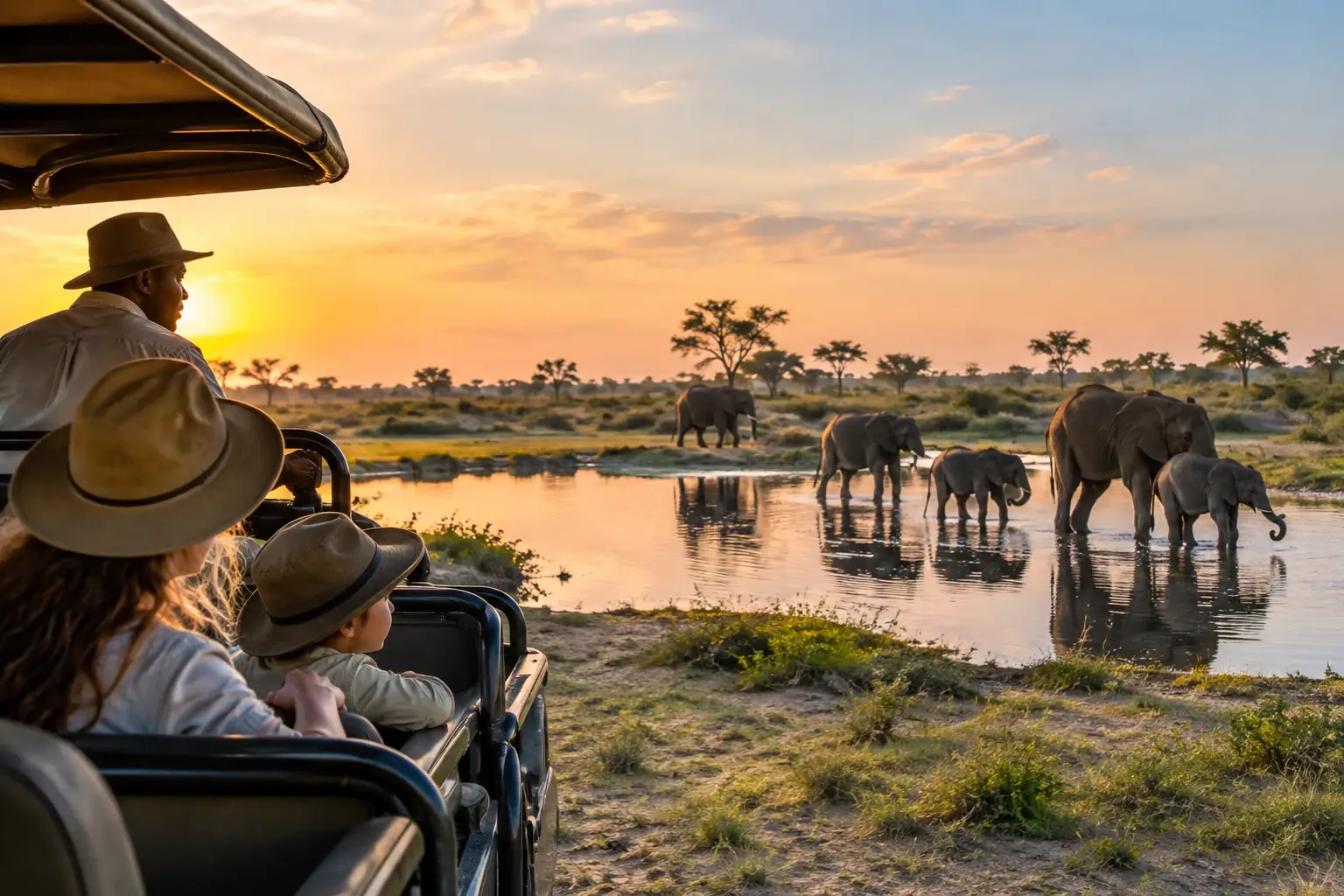
A child’s first elephant crossing is rarely a quiet moment. There may be a whispered question, a camera fumbled from a lap, or the sudden realization that the herd includes a calf no taller than the grass. The best Botswana family safari packages leave room for these unscripted moments while giving parents the confidence that every transfer, room arrangement, meal, and activity has been considered.
Botswana is especially rewarding for families who want wilderness with substance. Its low-impact tourism model protects vast landscapes while offering discerning travelers privacy, excellent guiding, and a sense of space that is increasingly rare. From elephant-rich riverbanks in Chobe to the water channels and islands of the Okavango Delta, a well-designed journey lets each generation experience the country at its own pace.
What Makes Botswana Family Safari Packages Different
A family safari should not be an adult itinerary with a few child-friendly additions. It needs a different rhythm. Morning drives may be shorter, afternoons may include time by a private plunge pool, and a guide needs to know when an impala sighting is the beginning of a lesson and when it is simply time to return for lunch.
Botswana’s private concessions and intimate camps make that flexibility possible. In the right setting, families can book a private vehicle and guide, setting their own departure times and lingering over the sightings that hold their children’s attention. This is valuable for multigenerational travel, too. Grandparents can enjoy a gentler game drive while teenagers head out for a longer photographic session, then everyone reunites over dinner.
Accommodation matters as much as the wildlife. The most suitable properties may offer family suites, connected tents, villas, or exclusive-use residences, but the best choice depends on your children’s ages, confidence in the bush, and the level of privacy you want. Open-sided tents can feel wonderfully immersive for older children, while families with younger travelers may prefer a more enclosed suite or a lodge with clearly separated sleeping areas.
There are practical limits to respect. Many camps have minimum age policies, and certain activities – including walking safaris, canoeing, helicopter flights, or mokoro excursions – may carry higher age requirements. These policies are not a compromise on the experience. They are part of responsible wilderness travel. A thoughtful itinerary matches each family to camps and activities that are genuinely appropriate rather than promising every experience to every age group.
Choosing the Right Botswana Safari Route for Your Family
The strongest itineraries usually combine two or three distinct environments rather than trying to cover the entire country. Botswana distances are meaningful, and too many one-night stops turn a restorative holiday into a sequence of packing exercises. Charter flights between remote camps can reduce overland travel and turn the journey itself into a memorable aerial view of floodplains, salt pans, and winding channels.
Chobe for elephant encounters and river time
Chobe National Park is an excellent starting point for many first-time safari families. The Chobe River brings a different perspective to game viewing: elephants drinking at the water’s edge, buffalo moving through the shallows, crocodiles resting on sandy banks, and brilliant birdlife overhead. A private boat excursion can be particularly engaging for children who may find a full day of vehicle game drives demanding.
Chobe also combines naturally with the Victoria Falls region for families who want to add one of Southern Africa’s great landmarks. This pairing works well when paced carefully, with enough downtime between travel days and high-energy activities.
The Okavango Delta for water and wilderness
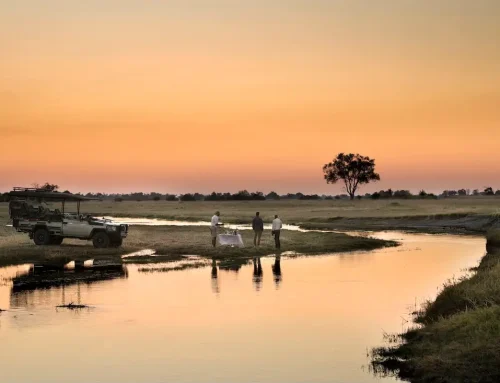
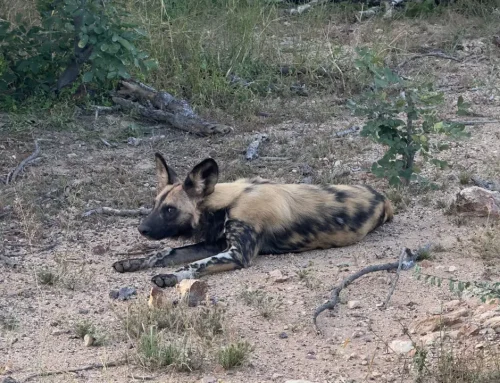
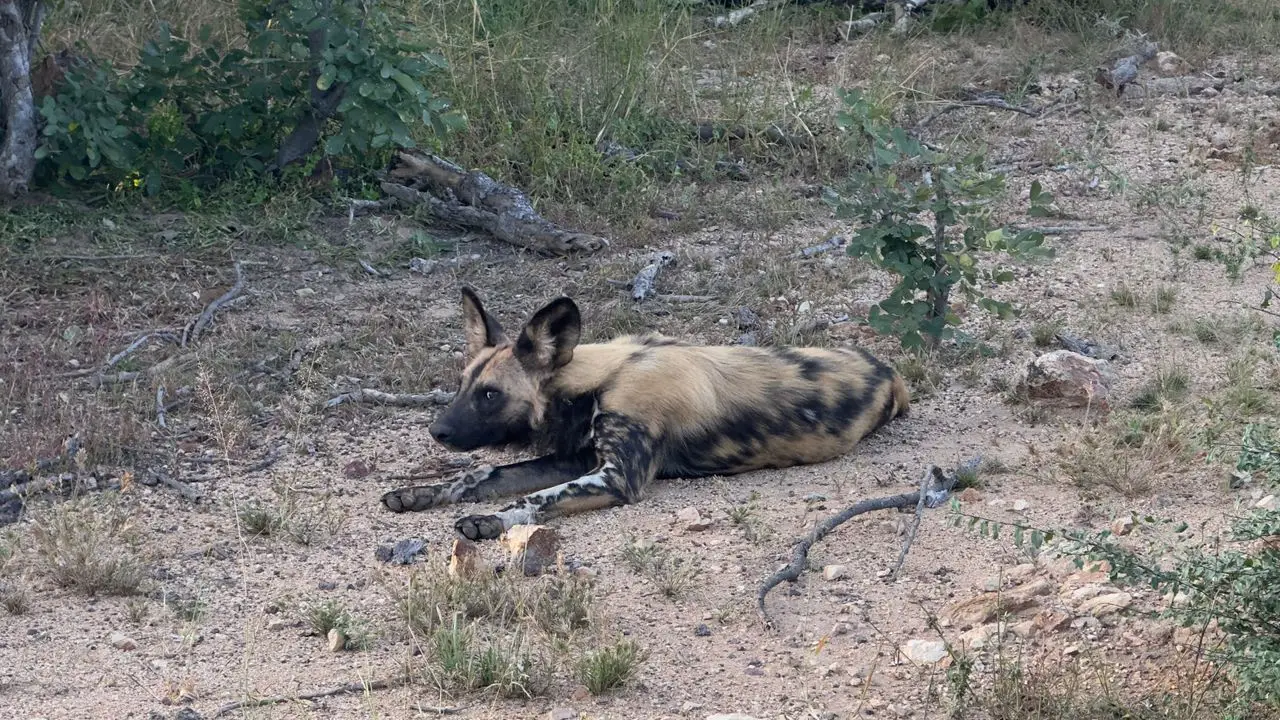
The Okavango Delta offers a quieter, more elemental kind of safari. Seasonal floodwaters create a mosaic of lagoons, reed beds, islands, and open plains, and the exact experience shifts with the water levels. In some areas, a mokoro excursion offers a close view of dragonflies, water lilies, frogs, and birds. In others, game drives may reveal lion, leopard, wild dog, giraffe, and large herds moving across dry land.
For families, the Delta is often best experienced from a camp that balances activities with comfort and has clear family arrangements. Not every water-focused camp is right for younger children, particularly where rooms are widely spaced or water activities are central. The value of specialist planning lies in knowing which camps suit your family’s needs in the season you plan to travel.
Linyanti and Savute for privacy and predator interest
For families with older children or teenagers who are captivated by wildlife behavior, the Linyanti and Savute regions can be exceptional. These areas are known for their remote atmosphere, changing landscapes, and rewarding predator viewing. Savute’s dramatic plains and Linyanti’s riverine woodlands offer a more secluded feeling than busier safari circuits.
This is where private guiding becomes especially worthwhile. A knowledgeable guide can follow tracks, explain the relationships within an elephant herd, and turn a patient wait near a waterhole into a compelling story. Young photographers also benefit from the ability to spend time with one subject instead of moving on according to a shared vehicle schedule.
The Kalahari for wide skies and a different story
The Kalahari adds contrast to a Botswana family journey. Its open landscapes, ancient riverbeds, and enormous skies feel far removed from the lush channels of the Delta. Depending on the season and location, families may encounter habituated meerkats, black-maned lions, or remarkable night skies.
It is also a place to deepen the conversation beyond wildlife. Carefully chosen cultural experiences can introduce families to local knowledge, history, and the relationship between people and landscape. These encounters should be respectful, small-scale, and led in ways that support cultural preservation rather than treating communities as an attraction.
The Details That Make a Family Safari Feel Effortless
Luxury on a family safari is not only about a beautiful suite or a fine wine list. It is knowing that someone has anticipated the small things that influence how relaxed everyone feels. That might mean confirming child-friendly meal preferences in advance, arranging a private guide, reserving adjoining rooms, planning a midday break, or coordinating luggage limits for light aircraft transfers.
Families traveling from the United States often appreciate having flights, regional connections, accommodation, and ground arrangements handled as one considered plan. International journeys require patience, particularly with younger children, and a well-timed night in Johannesburg, Cape Town, or another gateway city can make a long itinerary feel far more comfortable. The right route depends on the family’s departure city, preferred airline, available time, and whether the safari is part of a wider African journey.
Private aviation within Botswana is not merely a convenience. It protects valuable holiday time and avoids long road transfers between remote areas. Still, light aircraft travel comes with firm baggage allowances, generally favoring soft-sided bags. This is an easy detail to manage when it is explained before departure, not at the airstrip.
Guiding is another defining element. The finest guides read the landscape while reading the guests in front of them. With families, they make room for curiosity without turning every drive into a lecture. They may teach children to identify tracks, explain why a herd of elephants moves in a particular formation, or pause in silence when the moment asks for it.
When to Travel With Children
Botswana is a year-round destination, but the ideal period depends on what your family hopes to see and do. The dry season, broadly from May through October, often brings concentrated wildlife viewing around available water and comfortable daytime conditions. It is a popular time for first safaris, though temperatures can be cool on early-morning drives, especially from June through August.
The green season, generally from November through April, brings dramatic skies, fresh vegetation, migratory birds, and the energy of new life. It can be a wonderful choice for families who enjoy photography, birding, and quieter camps. Rain showers are usually brief but can affect road conditions and the character of some activities. In the Delta, water levels do not follow rainfall in a simple way, so a destination specialist should advise on the experience available in each specific area.
School calendars matter, but they should not dictate every decision. A shorter, carefully paced six- or seven-night journey during a school break can be more satisfying than a longer route that asks too much of young travelers. For families with more flexibility, shoulder periods may offer a calmer atmosphere and excellent wildlife experiences.
A Safari That Leaves More Than Memories
Botswana’s conservation success is closely connected to its approach to high-value, lower-volume tourism. Staying at responsibly managed camps can help support employment, conservation partnerships, anti-poaching efforts, and community initiatives connected to the areas you visit. For families, this provides a meaningful framework: the safari is not simply a chance to see wild animals, but an opportunity to understand what it takes for wilderness to endure.
Chloorokop Travel & Tours designs Botswana family safaris around this balance of refined comfort, genuine connection, and careful logistics. The aim is never to fill every hour. It is to create enough structure that your family can be present when Botswana gives you a moment worth remembering.
The right family safari is measured less by how many sightings fit on a checklist than by what stays with you afterward: a child recognizing an elephant’s footprint, a shared silence beneath southern stars, and a deeper respect for the wild places entrusted to the next generation.