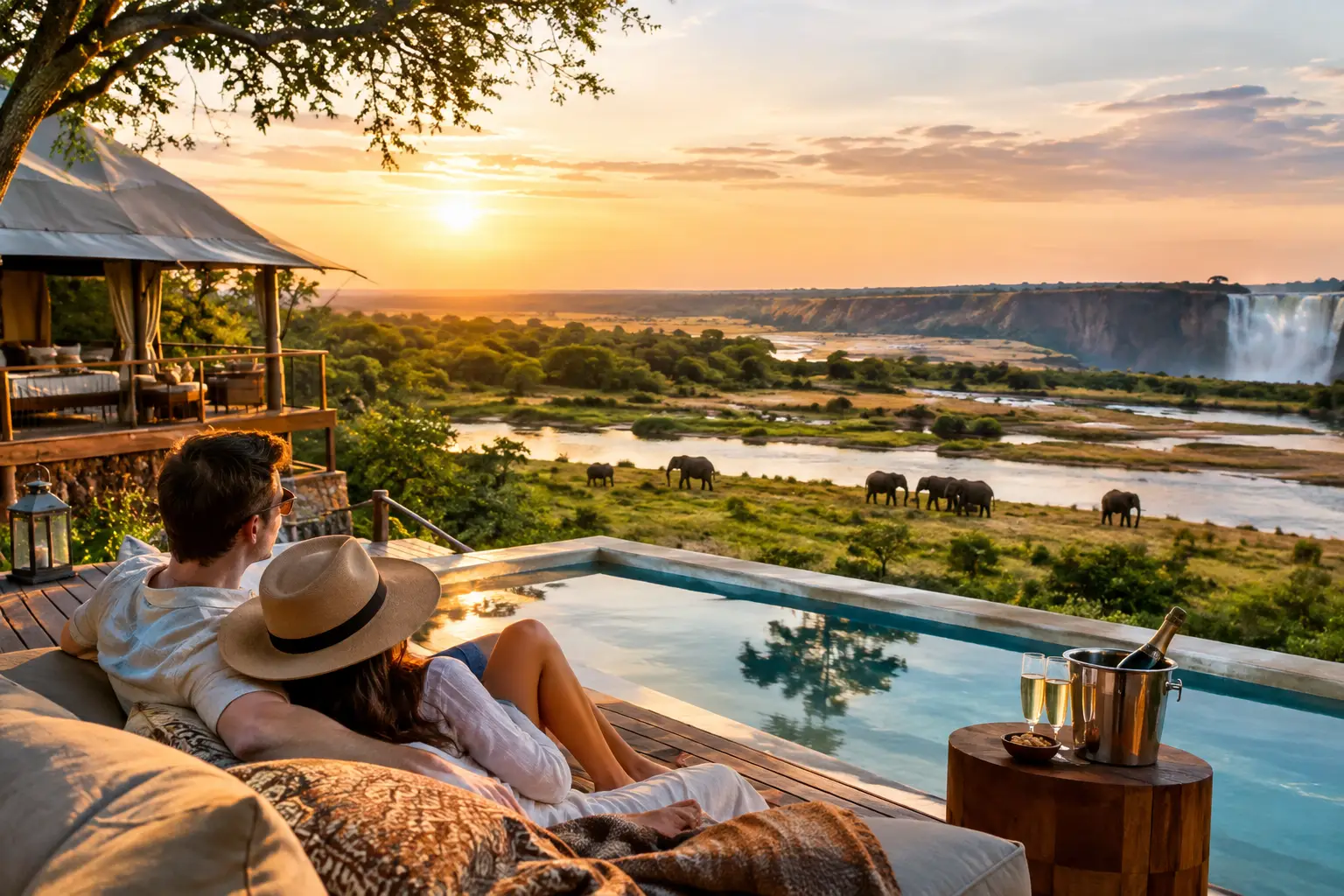
Victoria Falls can be a roaring curtain of water that sends mist high above the rainforest, or a dramatically sculpted gorge where every basalt ledge is visible. That contrast is why the best time to visit Zimbabwe depends less on a single “perfect” month and more on what you hope to feel, photograph, and remember.
For a tailored Zimbabwe journey, timing shapes everything: the volume of the Falls, the concentration of wildlife in Hwange National Park, the pace of a private canoe safari on the Zambezi, and the character of your lodge stay. Zimbabwe is rewarding throughout the year, but each season favors a different kind of traveler.
Best Time to Visit Zimbabwe: The Short Answer
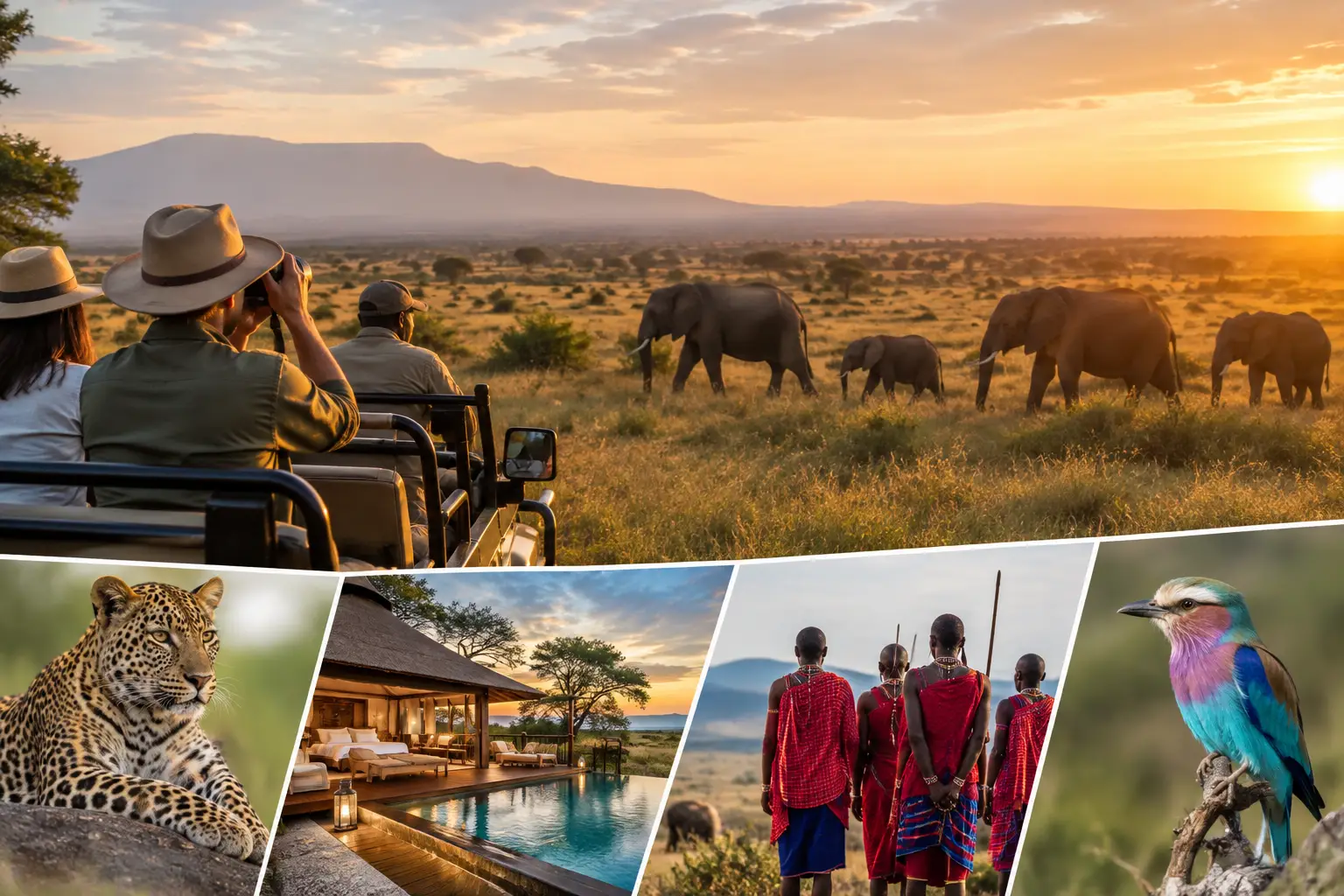
For classic wildlife viewing, the dry season from July through October is usually the strongest choice. Water becomes scarce inland, drawing elephant, buffalo, antelope, and predators toward dependable waterholes and rivers. Days are generally clear, vegetation is low, and game drives are exceptionally productive in Hwange and Mana Pools.
For Victoria Falls at its most powerful, plan for March through May, after the summer rains have fed the Zambezi River. Travelers who value green landscapes, birdlife, fewer visitors, and dramatic afternoon skies may prefer November through March. The ideal itinerary often combines seasons with priorities: a honeymoon might favor May or June for pleasant weather and full Falls, while a dedicated photographer may choose September for dust-lit wildlife scenes and clearer views into the gorge.
Zimbabwe’s Seasons at a Glance
Zimbabwe’s climate follows a familiar southern African rhythm. The rainy or green season generally runs from November to March, followed by a transitional period in April and May. The cool dry season extends from June through August, while September and October bring increasingly hot, dry conditions before the rains return.
The country’s higher elevation keeps many areas more comfortable than travelers expect, especially during winter. Victoria Falls, Mana Pools, and the Zambezi Valley are warmer than the highveld around Harare and the granite landscapes of Matobo National Park. A well-planned itinerary accounts for these regional differences rather than treating the whole country as one climate zone.
March to May: Victoria Falls at Full Force
For many travelers, this is the most visually dramatic period at Victoria Falls. Water levels are high after the rains, and the sound, scale, and spray create an unforgettable sense of wilderness. Scenic helicopter flights reveal the breadth of the Zambezi as it drops into the chasm, while rainforest walks feel lush and alive.
There is a trade-off. At the height of the flow, spray can obscure parts of the main viewpoints, and photography requires patience, protective gear, and a willingness to embrace mist-softened images. This is not always the best moment for a clear, wide view of the entire gorge, but it is extraordinary for travelers who want to experience the Falls at their most elemental.
April and May are particularly appealing for a polished first safari. The landscapes remain green, temperatures are comfortable, and wildlife viewing begins to strengthen as surface water recedes. It is a graceful time for couples combining Victoria Falls with Hwange, or continuing into Botswana’s Chobe and Okavango regions.
June to August: Cool, Dry, and Classically Safari-Ready
June through August brings clear skies, mild daytime temperatures, and cool early mornings. This is a beautiful period for private game drives, walking safaris, and unhurried lodge time beside the Zambezi. Pack layers for dawn departures, particularly in Hwange and the Matobo Hills, where winter mornings can feel crisp.
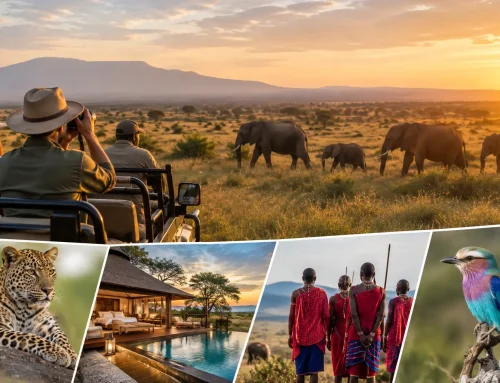
Wildlife becomes increasingly reliable as animals gather around rivers, pumped waterholes, and permanent pans. Hwange National Park is especially compelling, with large elephant herds moving through teak woodland and open grassland. Its scale rewards a considered itinerary: a few nights in different areas of the park can reveal distinct habitats and avoid the feeling of rushing between sightings.
Mana Pools National Park is also in its element during the dry months. This UNESCO World Heritage landscape is known for intimate encounters on foot and on the water, with expert guides interpreting elephant behavior, tracks, bird calls, and the shifting moods of the Zambezi floodplain. Its wildness is genuine, so experienced guiding and thoughtful camp selection matter greatly.
September and October: Peak Wildlife, Intense Heat
If your priority is concentrated wildlife action, September and October are often the best time to visit Zimbabwe. By now, the dry season has sharpened the landscape. Animals gather at remaining water sources, predators work familiar routes, and Hwange’s waterholes can deliver long, absorbing hours of observation from a shaded hide or private vehicle.
These are also excellent months for serious wildlife photographers. The light can be beautifully warm, dry conditions make travel straightforward, and the visibility is often superb. In Mana Pools, elephant frequently feed beneath winterthorn and acacia trees, sometimes rising onto their hind legs to reach higher branches – a remarkable behavior best appreciated quietly and at a respectful distance.
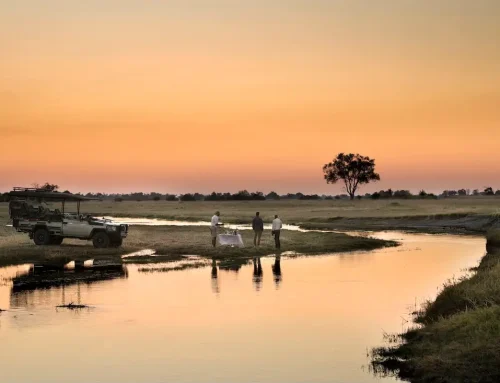
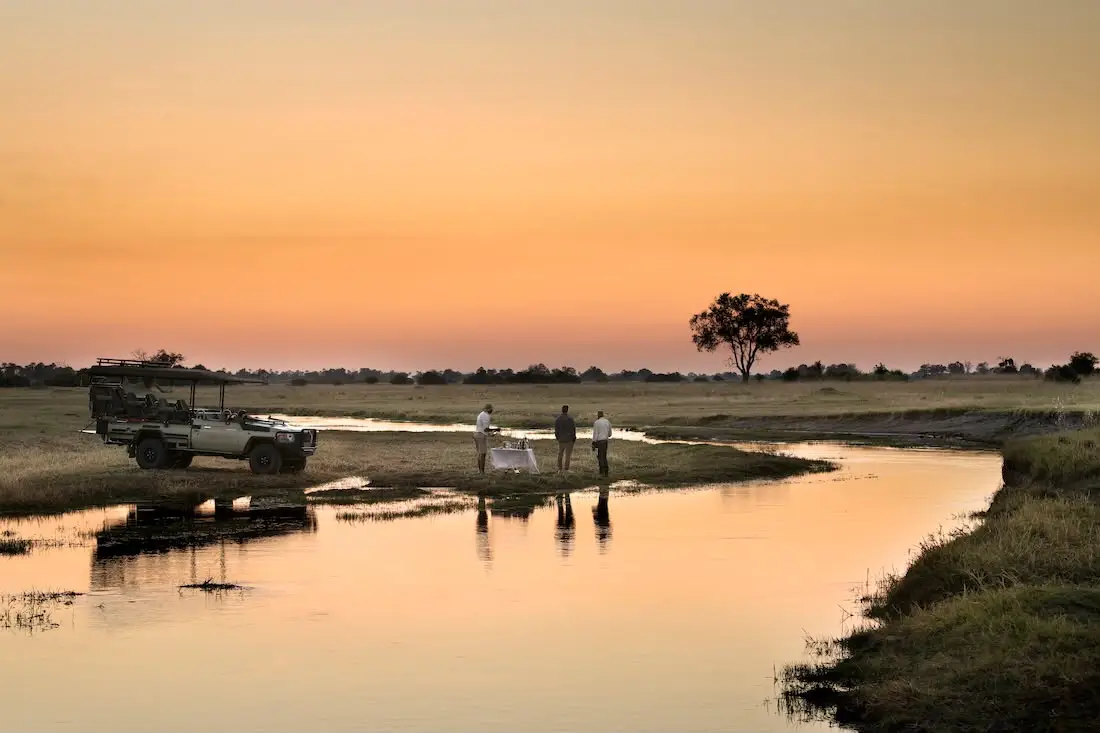
The compromise is heat. October can be very hot, particularly around Victoria Falls and the Lower Zambezi. Travelers who are comfortable with a slower midday rhythm will be rewarded: early drives, long lunches in camp, an afternoon rest, then a sunset cruise or late game drive. Luxury in this season means planning around the natural day rather than trying to outpace it.
At Victoria Falls, lower water levels reveal more of the gorge and its geological detail. The views are often clearer, though the Falls may be less thunderous than in April. This is also a favored period for selected river and gorge experiences, subject to water conditions and safety assessments.
November to February: Green Season, Birdlife, and New Beginnings
The first rains transform Zimbabwe quickly. Dry earth softens, grasslands turn green, and the air takes on the charged stillness that arrives before an afternoon storm. For travelers drawn to atmosphere, renewal, and fewer vehicles in the wilderness, the green season has a compelling intimacy.
Birding is outstanding from November through April as migratory species arrive and resident birds enter breeding plumage. This is a particularly rewarding time for specialist itineraries across Hwange, Victoria Falls, and the eastern highlands. The landscapes are photogenic in a different way too: luminous skies, young animals, flowering vegetation, and rich color rather than the pale-gold palette of late dry season.
Wildlife can be more dispersed because water is widely available, and rain may occasionally alter road conditions or flight schedules. That does not make the season unsuitable for safari. It simply calls for flexible routing, experienced local operations, and properties chosen for reliable access. Private guiding becomes especially valuable, allowing the day to respond to weather, sightings, and your interests.
Choosing the Right Time for Your Travel Style
Honeymoon travelers often enjoy May through August, when temperatures are comfortable and safari days balance beautifully with romantic time at camp. Those seeking the most dramatic Victoria Falls experience should look at March through May, while accepting that mist may limit some viewpoints.
For families, the dry season offers easy wildlife viewing and predictable game-drive conditions. The most suitable months still depend on children’s ages, preferred pace, and tolerance for cool mornings or high heat. A family itinerary works best when it includes fewer camp changes, generous downtime, and guides who know how to make each sighting engaging without forcing the schedule.
Photographers may choose between two distinct visual stories. July through October favors crisp wildlife encounters, sparse vegetation, and warm dusty light. November through March offers green backdrops, dramatic storm clouds, birdlife, and newborn animals. Neither is universally better. The right choice depends on your portfolio and patience for changing weather.
For fishing, canoeing, and water-based experiences on the Zambezi, seasonal river levels and park operating periods are central to planning. Conditions can change from year to year, so these journeys should be designed around current local knowledge rather than fixed assumptions made months in advance.
Beyond Weather: Planning Zimbabwe With Purpose
Zimbabwe’s most memorable journeys connect its wilderness with the people and conservation efforts that protect it. In Hwange, responsible tourism can support community partnerships and wildlife protection in landscapes where water infrastructure is vital during the dry season. Around Victoria Falls, carefully selected cultural experiences can offer respectful insight into local life without reducing communities to a brief stop between activities.
Thoughtful timing also protects the quality of the experience. A private guide can arrange game drives around wildlife movement rather than a crowded timetable, reserve the right room category for your preferred views and privacy, and coordinate regional flights so a Zimbabwe safari flows naturally into Botswana or Zambia. This is particularly valuable in peak dry-season months, when the finest small camps and private villas are often secured well in advance.
At Chloorokop Travel and Tours, we believe Zimbabwe is best experienced with room for surprise: an elephant herd gathering at a waterhole after sunset, the sudden hush before rain, or the first glimpse of the Zambezi slipping toward the Falls. Choose the season that speaks to your purpose, then let the journey unfold at Africa’s own pace.
Travel beautifully. Leave meaningfully.