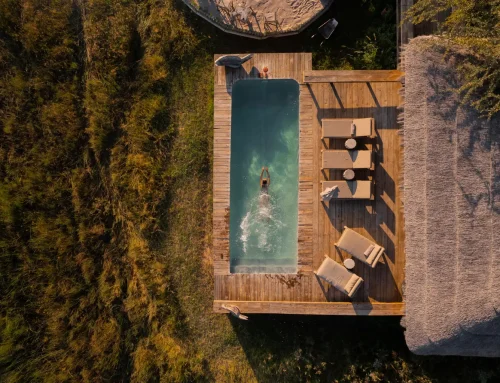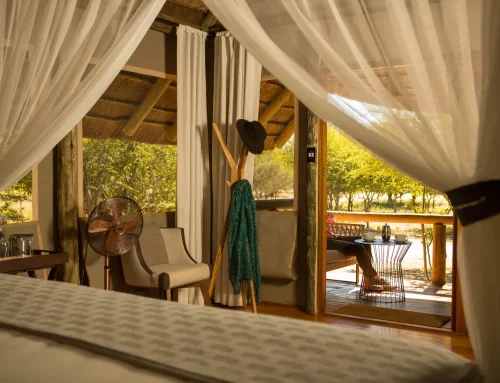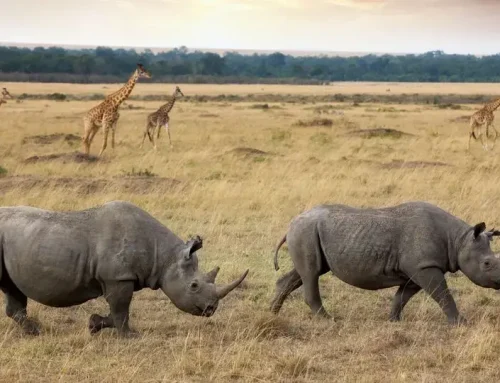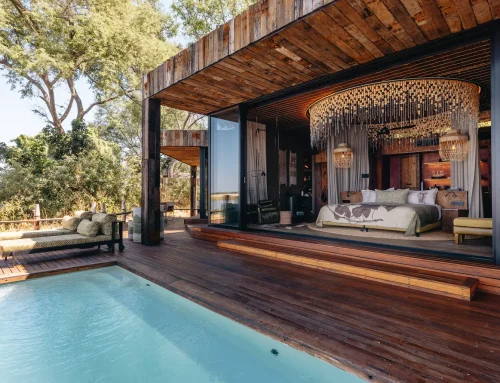
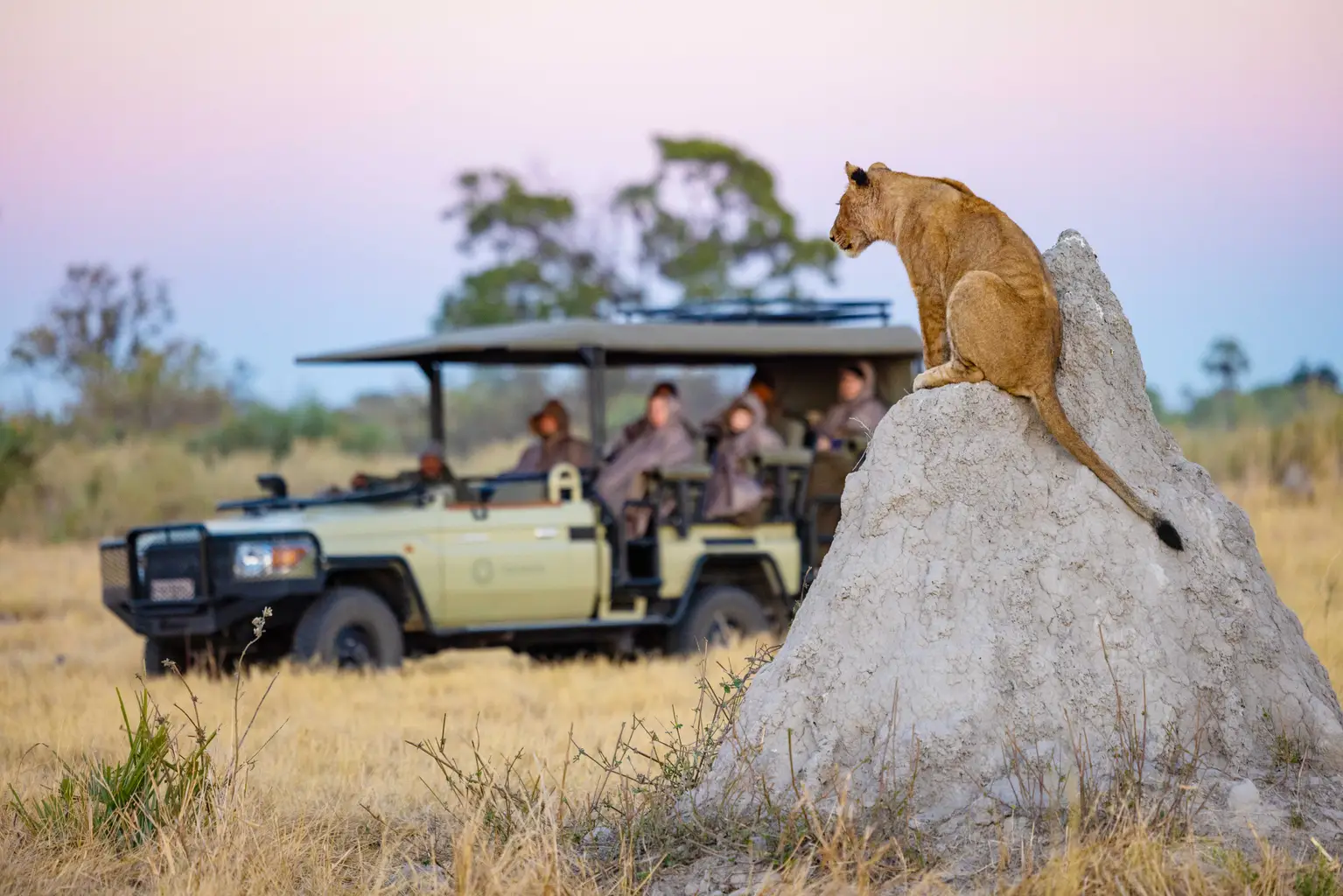
The first time you hear lions calling beyond the lanterns of a Delta camp, Botswana can feel thrillingly close to the wild. That proximity is precisely why travelers ask, are Botswana safaris safe? For guests traveling with a well-planned itinerary, trusted camps, professional guides, and reliable ground support, Botswana is widely regarded as one of Africa’s most reassuring safari destinations.
Safety on safari is not about removing the sense of wilderness. It is about experiencing it with the right people, in the right places, with thoughtful systems behind every moment. From light-aircraft connections to morning game drives and evenings at camp, a bespoke safari should feel beautifully managed while leaving room for genuine discovery.
Are Botswana Safaris Safe for International Travelers?
Botswana has a long-standing reputation for political stability, well-managed conservation areas, and a low-volume, high-value approach to tourism. Its premier wilderness regions – including the Okavango Delta, Moremi Game Reserve, Chobe National Park, Khwai, Savuti, and Linyanti – are accustomed to welcoming international visitors through established safari operations.
For most travelers, the main safety considerations are not the same as those of an urban vacation. You are often in remote landscapes, sharing space with elephants, buffalo, predators, and other wildlife. The key difference is that safari camps are designed around this reality. Experienced guides, trained camp teams, carefully planned activities, and clear guest briefings create an environment where guests can be immersed in nature without being left to navigate its risks alone.
Botswana’s luxury camps also tend to be intentionally intimate. Small guest numbers allow for attentive hosting, personalized guiding, and a pace that does not feel rushed. For couples, families, first-time safari guests, and travelers celebrating a honeymoon or milestone journey, that personal care can make a meaningful difference.
Wildlife Safety Depends on Good Guiding
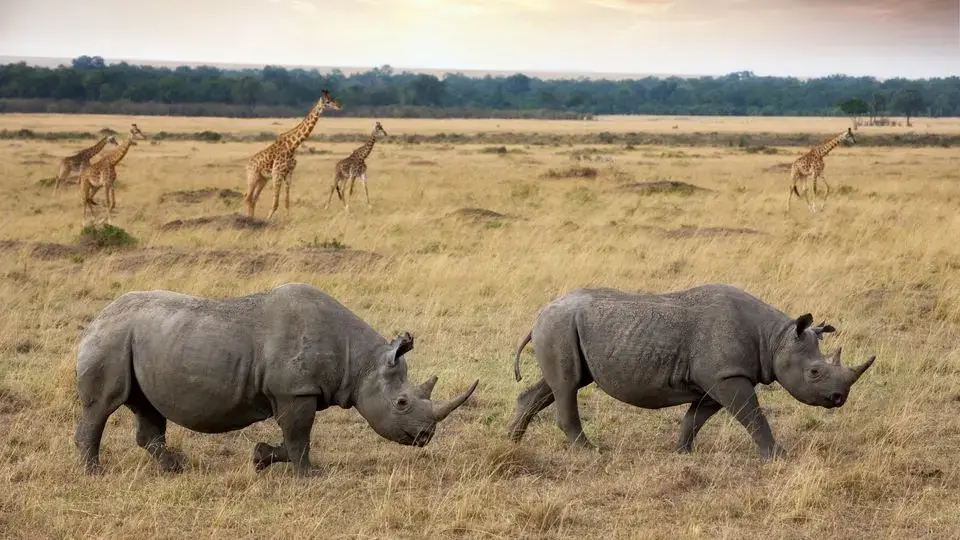
Wildlife encounters are the heart of a Botswana safari, and they deserve respect. A leopard in a sausage tree, a breeding herd of elephants crossing the Chobe River, or painted dogs moving through the mopane can feel extraordinarily close. Yet these moments are managed by guides who understand animal behavior, terrain, weather, and the changing conditions of each reserve.
Your guide will explain when to stay seated in the vehicle, why quiet voices matter, and how to move around camp after dark. These are not restrictions designed to diminish the experience. They are the habits that allow people and wildlife to coexist with minimal disturbance.
At unfenced camps, wildlife may pass through or near the property. Guests are typically escorted to and from their rooms after dark, and camp staff will advise on where it is appropriate to walk. Never walk alone outside designated areas, attempt to approach animals, or leave a tent or suite without checking with the team if you are unsure. Wildlife should always be observed on its terms.
A responsible safari also means accepting that no ethical guide should force an encounter. If an elephant herd is uneasy, a guide gives it space. If a river crossing is not suitable, the route changes. The finest experiences are often shaped by patience rather than pursuit.
On game drives, mokoro excursions, and boat safaris
Each activity has its own sensible protocols. On game drives, remain seated unless your guide confirms otherwise, keep arms and cameras inside the vehicle near animals, and follow instructions during close sightings. Guides position vehicles with care, reading body language and allowing wildlife a clear path.
Mokoro excursions in the Okavango Delta are calm, memorable journeys through reeds and waterlilies, led by experienced polers who know the channels. Life jackets are generally available and may be required depending on conditions. On motorboat excursions, particularly in areas with changing water levels, listen to the skipper’s safety briefing and keep personal belongings secure.
For travelers with young children, mobility concerns, or a particular interest such as photography, the itinerary matters. Some activities have age limits or are better suited to certain confidence levels. A tailor-made itinerary allows those details to be addressed before arrival rather than improvised in camp.
Health and Medical Planning for a Botswana Safari
Botswana’s premier safari areas are often remote, which is part of their appeal. It also means health preparation should be handled before departure. Your travel advisor and safari specialist can guide you on practical planning, while your personal medical professional should advise on vaccinations, malaria prevention, medications, and individual health considerations.
Malaria risk varies by region and season. Northern safari destinations such as the Okavango Delta and Chobe are commonly considered malaria areas, so travelers should seek current professional medical advice well ahead of travel. Using repellent, wearing long sleeves and pants around dawn and dusk, and following prescribed preventive measures are simple, worthwhile precautions.
Bring enough prescription medication for your full journey, ideally in original packaging and in your carry-on luggage. It is also wise to have comprehensive travel insurance that includes emergency medical evacuation. Quality camps and safari operators maintain emergency procedures and communications, but insurance offers an additional layer of confidence if medical support or a change of plans is needed.
The safari day itself calls for uncomplicated habits: drink water regularly, use sunscreen, wear a hat, and let your guide know if you feel unwell. Botswana’s dry-season days can be warm, while early-morning drives and winter evenings may be surprisingly cold. Packing for both conditions is part of traveling comfortably and safely.
Road, Air, and Camp Safety in Remote Areas
Most luxury Botswana safaris combine lodge transfers, scheduled or private light-aircraft flights, and game drives in purpose-built vehicles. These arrangements remove the complexity of self-driving long distances through unfamiliar terrain and allow travelers to spend more time in the places they came to see.
Light-aircraft flights are a practical part of reaching remote camps in the Delta, Linyanti, and other private wilderness areas. Baggage limits are usually strict because of aircraft size, so soft-sided luggage is often required. Flight times can shift with weather and operational conditions, which is one reason an itinerary should include sensible connection times and experienced local coordination.
Self-driving can suit confident travelers on selected routes, but it comes with different considerations: long distances, limited services outside major towns, unpaved roads, wildlife on the road, and the need to avoid driving after dark. For a first Botswana safari or a multi-region journey, privately arranged transfers and safari flights generally provide a more relaxed and secure experience.
At camp, safety is supported by practical details that guests may barely notice: staff communications, established activity procedures, guest registers, vehicle maintenance, and teams who know the conditions of their concession or reserve. The best operations make this feel natural rather than intrusive.
Personal Security Beyond the Wilderness
Visitors should use normal international travel awareness in airports, towns, and border areas. Keep passports, valuables, and medications secure, avoid displaying expensive items unnecessarily, and use arranged transfers rather than accepting informal transport. Camps generally offer secure storage for passports and valuables, though travelers should confirm specific arrangements with their host.
Botswana is not a destination where visitors should become complacent, but neither should safety concerns overshadow the journey. A carefully designed itinerary minimizes unnecessary transitions, confirms reliable services, and gives guests a clear point of contact throughout their trip. This becomes especially valuable when combining Botswana with Victoria Falls, Cape Town, gorilla trekking, or an Indian Ocean beach extension.
Choosing the Right Safari Partner Matters
The question is not simply whether Botswana is safe. It is whether your journey has been designed with the appropriate level of care for your travel style, family, interests, and comfort requirements.
A strong safari partner will select camps with proven operating standards, arrange the right internal flights and transfers, communicate luggage and health guidance clearly, and ensure you have access to assistance when plans change. They will also be honest about trade-offs. A more remote camp may deliver exceptional privacy and wildlife, for example, while requiring small-aircraft flights and a more flexible attitude toward weather-related timing.
At Chloorokop Travel & Tours, Botswana knowledge begins with the realities on the ground: the floodwaters that shape the Delta, the seasonal movements of wildlife, the character of each camp, and the logistics that turn a complex itinerary into an effortless one. That local understanding helps guests travel with confidence while keeping the wilderness experience authentic and respectful.
Botswana is at its most rewarding when you allow its wildness to remain wild, while placing the details in experienced hands. With thoughtful preparation, a trusted guide, and a journey designed around you, the focus can return to what matters: listening to the night sounds, watching the horizon, and feeling profoundly present in one of Africa’s great wildernesses.