A lion’s paw print pressed into pale Kalahari sand tells a different story when you are standing beside it, close enough to see the fresh edges, than when you are viewing it from an open vehicle. That distinction sits at the heart of mobile versus walking safaris. Both can be deeply rewarding, but they offer different rhythms, comforts, and ways of understanding the wilderness.
For travelers planning a tailor-made Botswana safari, the decision is rarely about choosing one experience over the other. It is about deciding how you want your days to feel: unhurried and immersive in a shifting wilderness camp, active and sensory on foot, or thoughtfully balanced between the two.
What Is a Mobile Safari?
A mobile safari travels with you. Rather than returning to the same lodge each evening, you move through a carefully planned route, often between Botswana’s defining wilderness areas: the floodplains and islands of the Okavango Delta, the predator-rich Moremi Game Reserve, the elephant country of Chobe, or the vast open landscapes of the Central Kalahari.
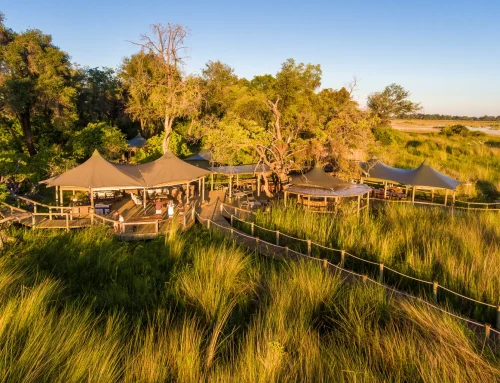
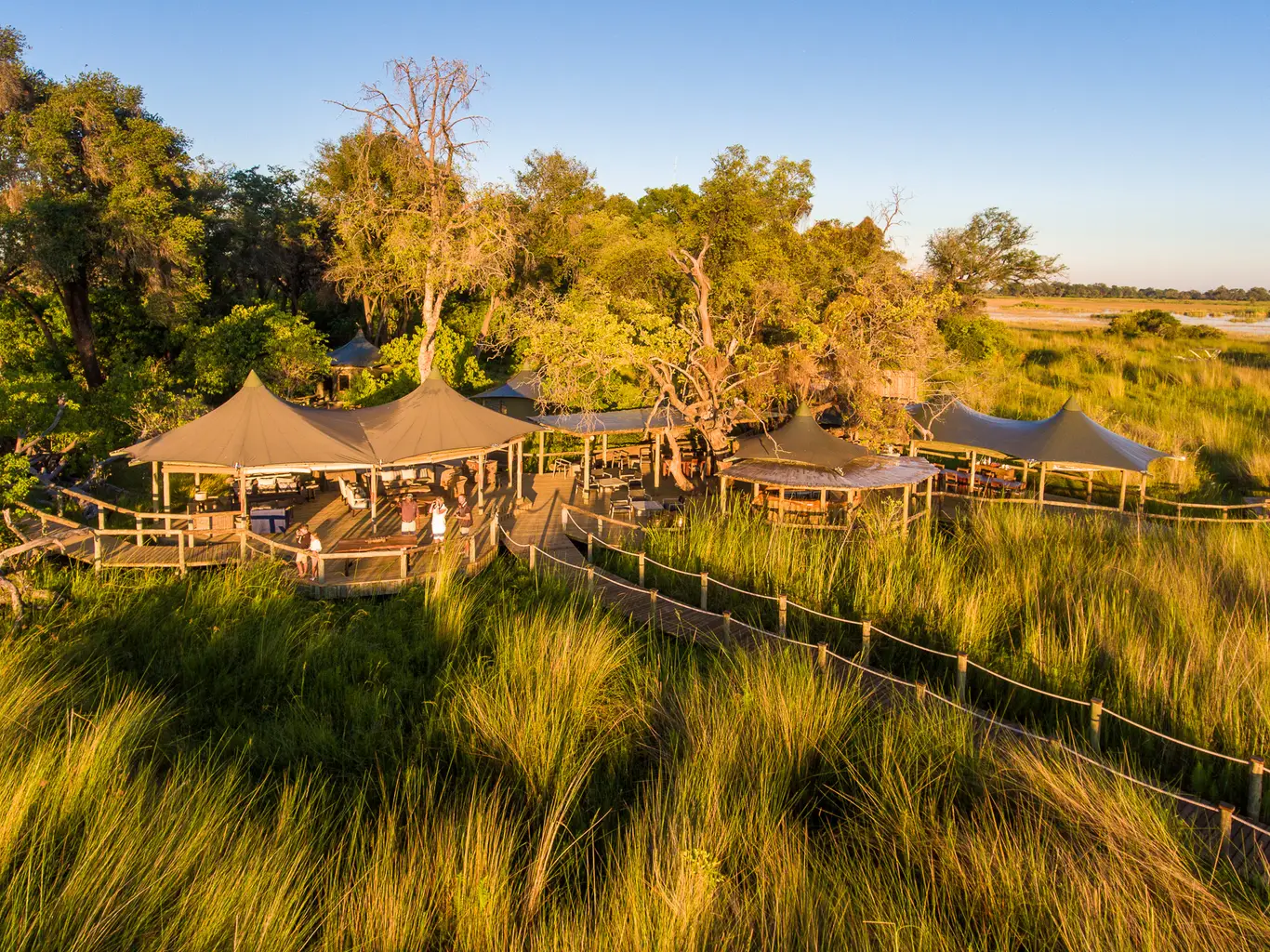
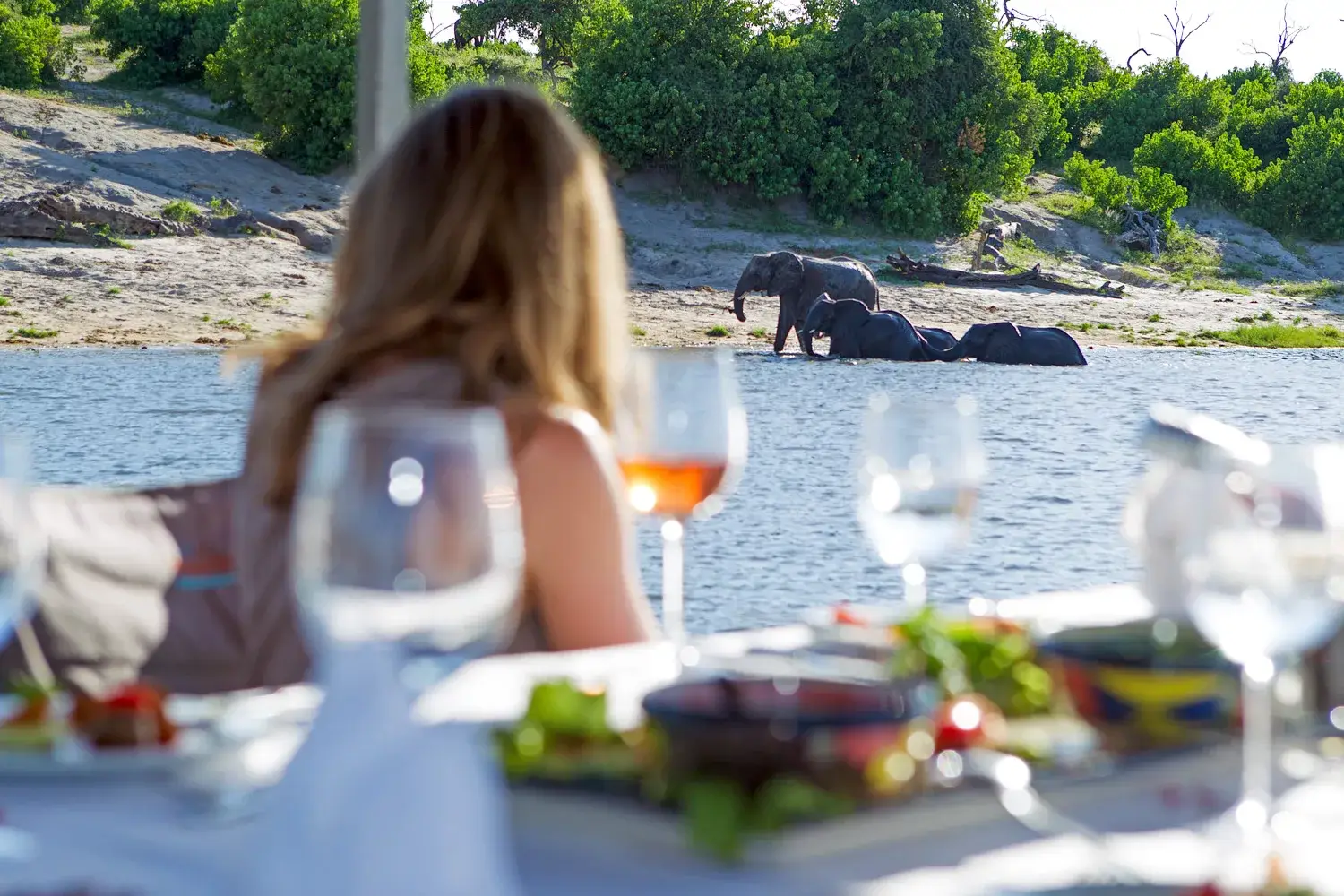
The camp is set up in advance by a dedicated team, typically in exclusive or low-density sites. Guests arrive to a fully prepared private tent with a proper bed, quality linens, an en suite bathroom arrangement, dining under canvas, and a welcoming fire at day’s end. This is not about roughing it. It is about carrying a sense of comfort into places where permanent structures would be out of place.
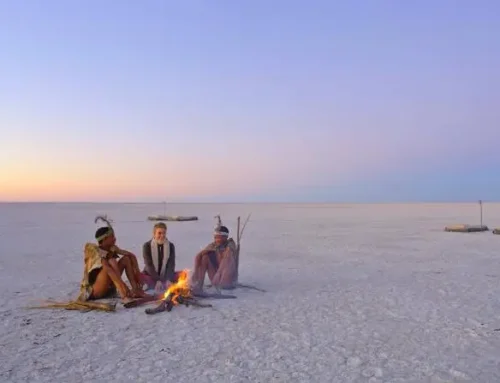
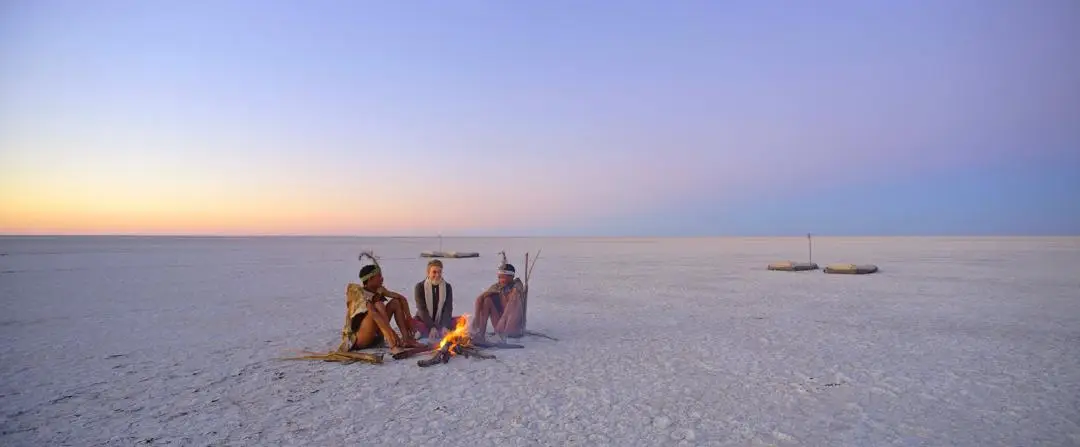
A mobile itinerary is especially compelling for travelers who want to understand Botswana as a connected landscape rather than a series of isolated lodge stays. One day may begin with wild dogs moving through mopane woodland in Khwai; several days later, the setting may be the wide, quiet pans of Makgadikgadi, where meerkats, brown hyena, and ancient baobabs redefine the scale of the journey.
Why the journey itself matters
The greatest strength of a mobile safari is continuity. You travel with the same guide and safari team, allowing conversations, wildlife sightings, and preferences to build naturally over time. Your guide learns whether you linger over birdlife, want to spend an extra hour with a leopard, or would rather return early for a long lunch and an afternoon at camp.
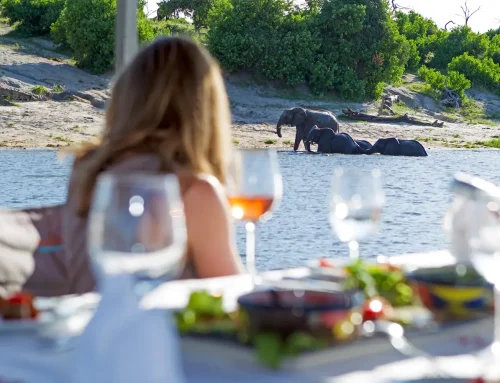
It also offers a more intimate relationship with place. The sounds outside your tent change as the habitat changes: hippos grunting in a Delta channel, lions calling across open grassland, or the wind moving through acacia thickets. A well-designed mobile safari makes those shifts part of the experience rather than something glimpsed between flights.
What Defines a Walking Safari?
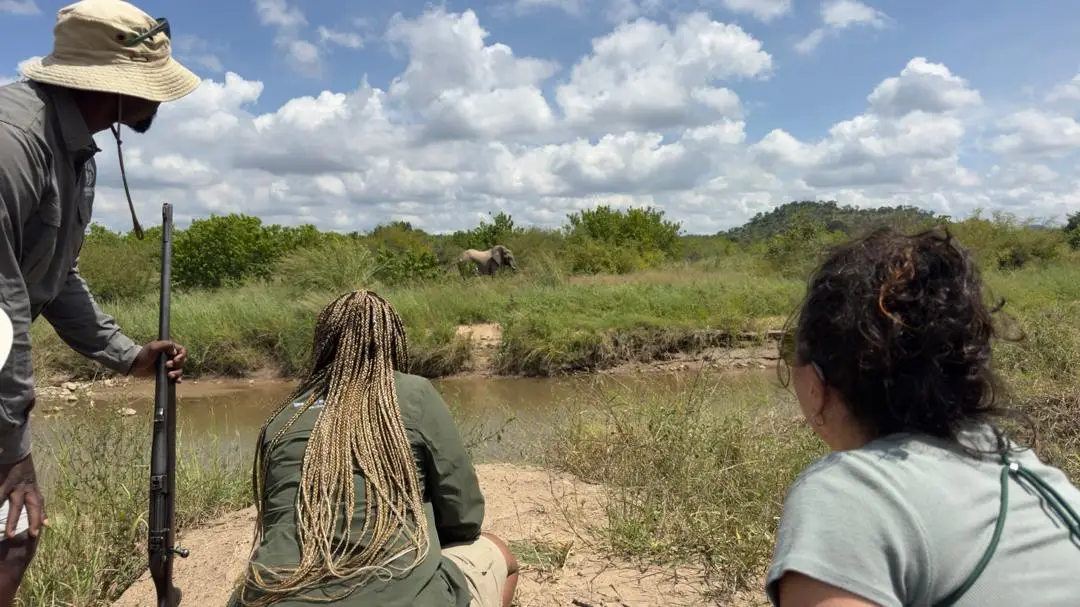
A walking safari is guided exploration on foot, led by a professionally qualified guide who reads the landscape at ground level. The focus is not simply on approaching large animals. It is on seeing the bush as an interconnected system: tracks, scents, seedpods, bird alarms, termite mounds, medicinal plants, and the subtle evidence that wildlife has passed through moments earlier.
Walks are usually conducted in the cooler early morning or late afternoon, often from a camp or lodge in a private concession. In Botswana, the availability of walking activities depends on the area, the season, camp operating permissions, and the guide’s assessment of conditions. That is one reason expert itinerary planning matters.
Walking safaris are deliberately small-scale and paced with care. Your guide will brief you before setting out, explain how to move quietly as a group, and make decisions based on wind direction, visibility, animal behavior, and each guest’s comfort level. The experience is not rushed, and it should never feel staged.
The detail you miss from a vehicle
A vehicle gives you range. Walking gives you texture. On foot, you may notice the delicate geometry of a spider web, learn why an oxpecker is behaving differently, or follow the line of an elephant’s tracks toward a water source. For photographers, it can offer strong opportunities for close studies of plant life, landscapes, textures, and smaller species, though it is not designed around close-up images of dangerous game.
There is also an emotional shift that comes with walking. Without the frame of a vehicle, the bush feels more immediate. You become aware of your own movement, the direction of the wind, and the silence between bird calls. For many experienced safari travelers, that heightened attention becomes the most memorable part of the trip.
Mobile Versus Walking Safaris: Key Differences
The choice is not simply comfort versus adventure. Both can be highly comfortable and both can feel adventurous. The more useful comparison is one of access, pace, and priorities.
A mobile safari is ideal for covering a wider route while maintaining an authentic wilderness setting. It often includes game drives, seasonal boating or mokoro excursions where conditions allow, and time to settle into the atmosphere of each destination. It suits first-time safari travelers, couples on a honeymoon, families with older children, and anyone who wants variety without repetitive packing and unpacking at every stop.
A walking safari is best for guests who want to slow down and engage deeply with a particular ecosystem. It may appeal to returning safari travelers, birders, naturalists, photographers interested in detail, and active guests who value interpretation as much as sightings. A reasonable level of mobility is helpful, but walks are adapted to the group and are not endurance hikes.
Accommodation is another distinction. Mobile safaris offer elegant tented living in temporary camps, with a strong sense of privacy and place. Walking experiences may be based from a refined lodge, a small tented camp, or, in select regions, a simple fly-camping setup that prioritizes proximity to the landscape. The right choice depends on how much time you want to spend traveling, your preferred level of camp comfort, and whether a fixed base feels restorative or limiting.
Wildlife Viewing and Safety on Foot
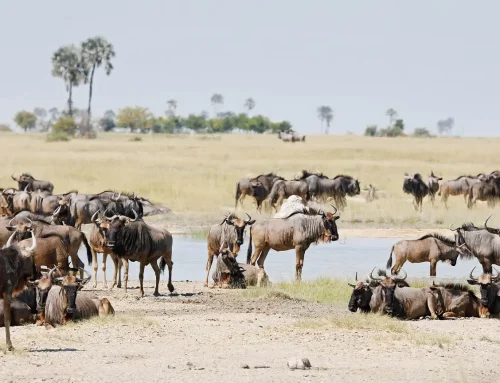
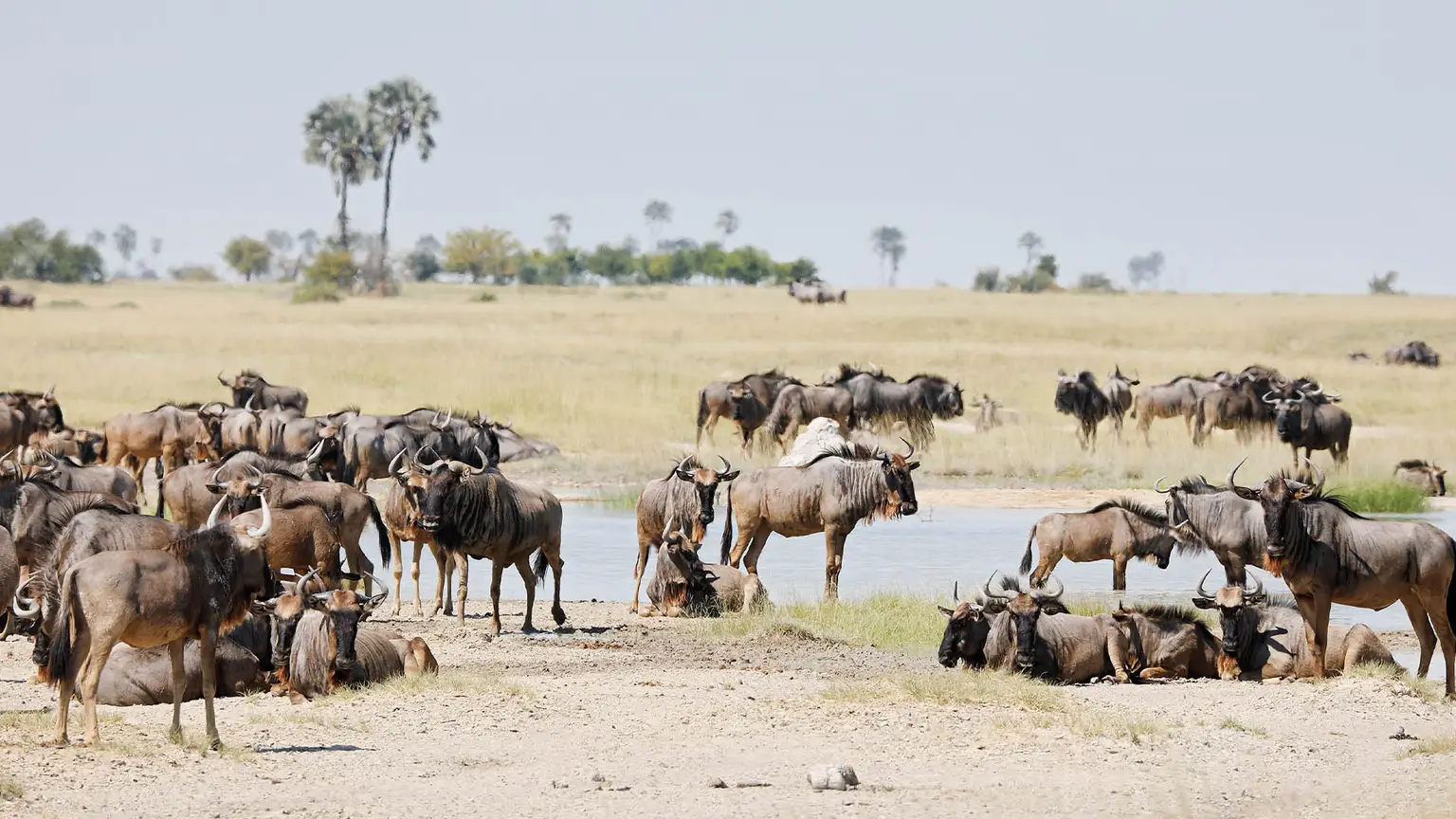
A common question is whether walking means better wildlife encounters. Not necessarily. A game drive vehicle offers elevation, reach, and the ability to cover ground efficiently, which can be invaluable for tracking predators or following seasonal concentrations of elephant, buffalo, and plains game.
Walking offers a different kind of encounter. You may see fewer large animals at close range, because responsible guides do not pursue or crowd wildlife. Instead, you learn to recognize signs and observe animals in ways that respect distance, wind, terrain, and natural behavior. When an elephant is encountered on foot, for example, the experience is managed calmly and conservatively, with the guide making every decision.
Safety is central to a quality walking safari. Guests receive clear instructions, walks take place with trained guides, and plans remain flexible. If the weather, animal activity, or group energy suggests another activity would be more suitable, the itinerary changes. That flexibility is not a compromise. It is the mark of responsible guiding.
The Best Answer Is Often Both
For many luxury travelers, the most fulfilling itinerary combines the strengths of both styles. A mobile safari through Moremi, Khwai, and Chobe can provide breadth, outstanding game viewing, and an evolving sense of Botswana’s habitats. A few nights at a camp known for guided walks can then create space to slow down and absorb what you have seen.
This combination works particularly well for couples seeking a private, meaningful honeymoon, families traveling with capable teenagers, and travelers returning to Africa with a desire to move beyond a game-drive-only safari. It also creates a natural rhythm: early walking mornings balanced by relaxed afternoons, vehicle-based wildlife viewing, excellent meals, and time simply to listen to the wilderness.
At Chloorokop Travel & Tours, itinerary design begins with the traveler rather than a fixed circuit. Your interests, preferred pace, comfort expectations, travel dates, and wider African plans all shape the recommendation. Botswana can pair beautifully with Victoria Falls, Cape Town and the Winelands, Rwanda or Uganda for gorilla trekking, or an Indian Ocean stay when rest is part of the purpose.
Choosing the Safari That Feels Like Yours
Choose a mobile safari if you are drawn to the romance of moving through remote landscapes with a trusted guide and team, and if you want a journey that reveals several sides of Botswana. Choose a walking safari if your idea of luxury includes time, attentiveness, and the chance to understand the bush beyond the headline wildlife moments.
Most importantly, allow room for the unexpected. The best safari day may be a leopard sighting at first light, but it may also be a quiet walk beneath leadwood trees, the guide pointing out a tiny track in the dust, and the realization that the wilderness becomes more extraordinary when you take the time to notice it.