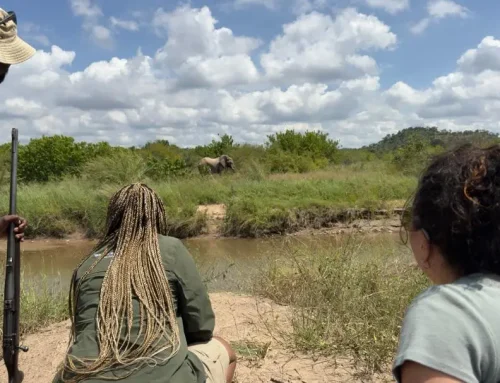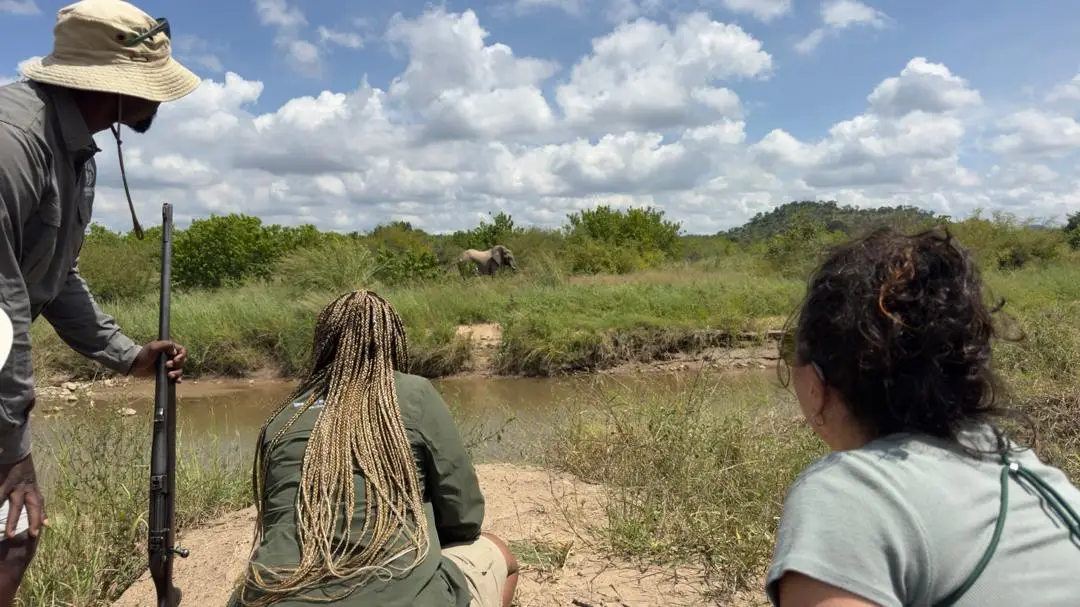
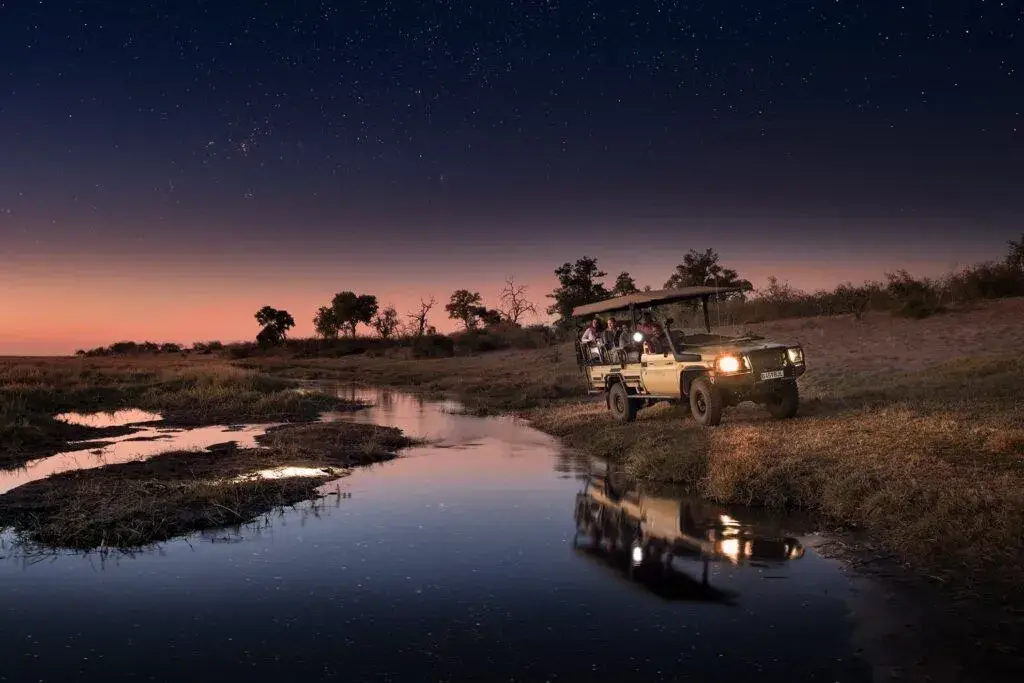
A mokoro slips through the papyrus channels of the Okavango Delta at first light. Elephants feed quietly at the water’s edge, and your guide pauses rather than hurrying toward the next sighting. This is the essential promise of luxury expedition travel: not simply seeing extraordinary places, but having the time, access, comfort, and expert support to experience them properly.
For travelers drawn to Africa’s wild spaces, luxury is not defined by excess. It is the confidence of a thoughtfully designed route, a private guide who reads the landscape, a beautiful camp in the right location, and every transfer, flight, and detail handled with care. It is adventure with room to breathe.
What Luxury Expedition Travel Really Means
An expedition is guided by curiosity. It takes travelers beyond a checklist of landmarks and into environments that reward patience: seasonal floodplains, river systems, ancient salt pans, desert valleys, forested mountain ranges, and wildlife corridors. The luxury lies in how that journey is arranged.
Instead of fixed departure dates and a one-size-fits-all schedule, the itinerary follows your interests and pace. A couple may linger at a remote Delta camp for unhurried game drives and private dinners under the stars. A family may combine wildlife-rich Chobe with the open spaces of the Makgadikgadi, balancing gentle adventure with time to rest. A photographer may prioritize private vehicle use, flexible hours in the field, and camps positioned for specific habitats or species.
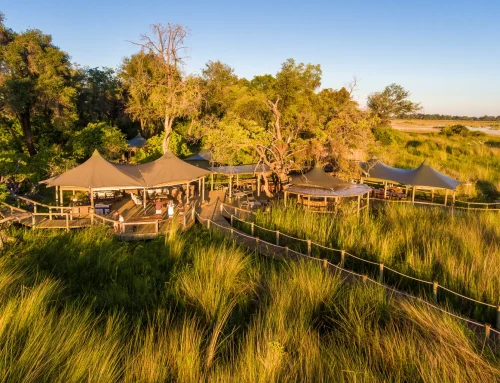
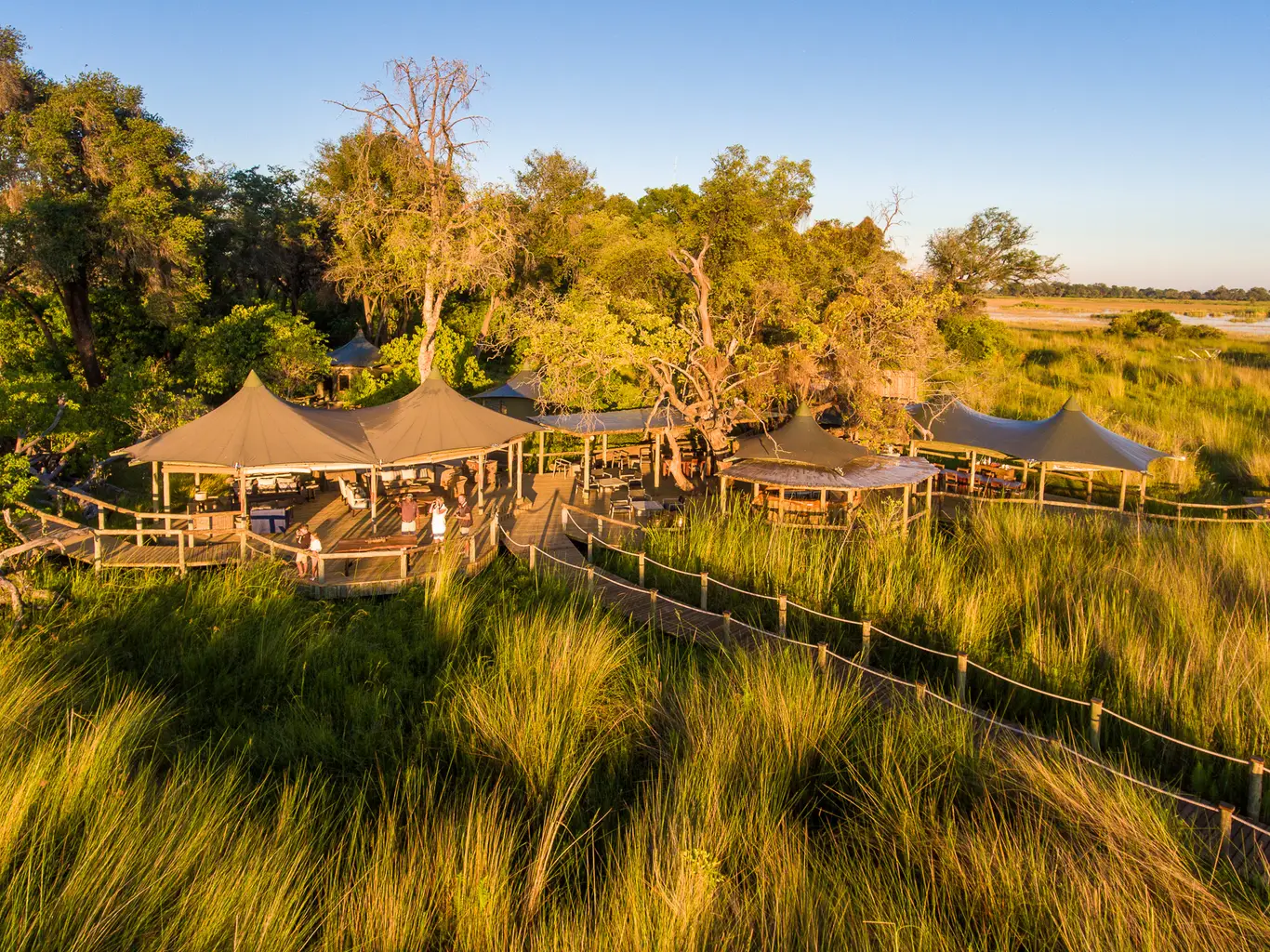
This style of travel also recognizes that comfort matters after a day outdoors. Exceptional camps and lodges offer considered design, generous hosting, excellent cuisine, and privacy without separating guests from the landscape. You might return from tracking lion in the Linyanti to a fireside drink overlooking an elephant-filled lagoon, or settle into a cool, elegant suite after an afternoon beneath the vast skies of the Central Kalahari.
Luxury expedition travel should feel personal rather than scripted. The best journeys leave space for the unexpected: a leopard moving through fever-berry thickets, a wild dog pack on the hunt, a spontaneous conversation with a local storyteller, or an extra morning in a place that has captured your imagination.
Why Botswana Is Made for Expedition-Style Safaris
Botswana’s approach to low-impact, high-value tourism has helped preserve wide areas of wilderness while supporting refined safari experiences. Its geography invites contrast. The Okavango Delta is a living inland wetland shaped by distant rains in Angola. Moremi Game Reserve brings woodland, floodplain, and lagoon habitats together in one remarkably productive ecosystem. To the north, Chobe and the Savuti region are known for dramatic elephant encounters and predator activity.
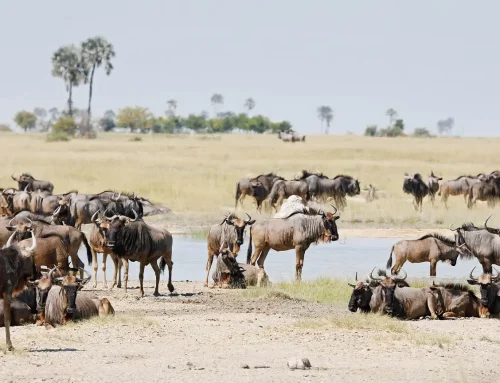
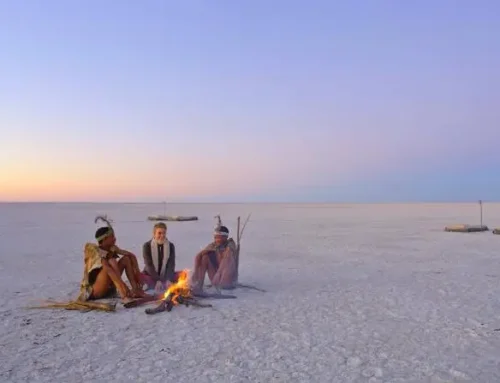
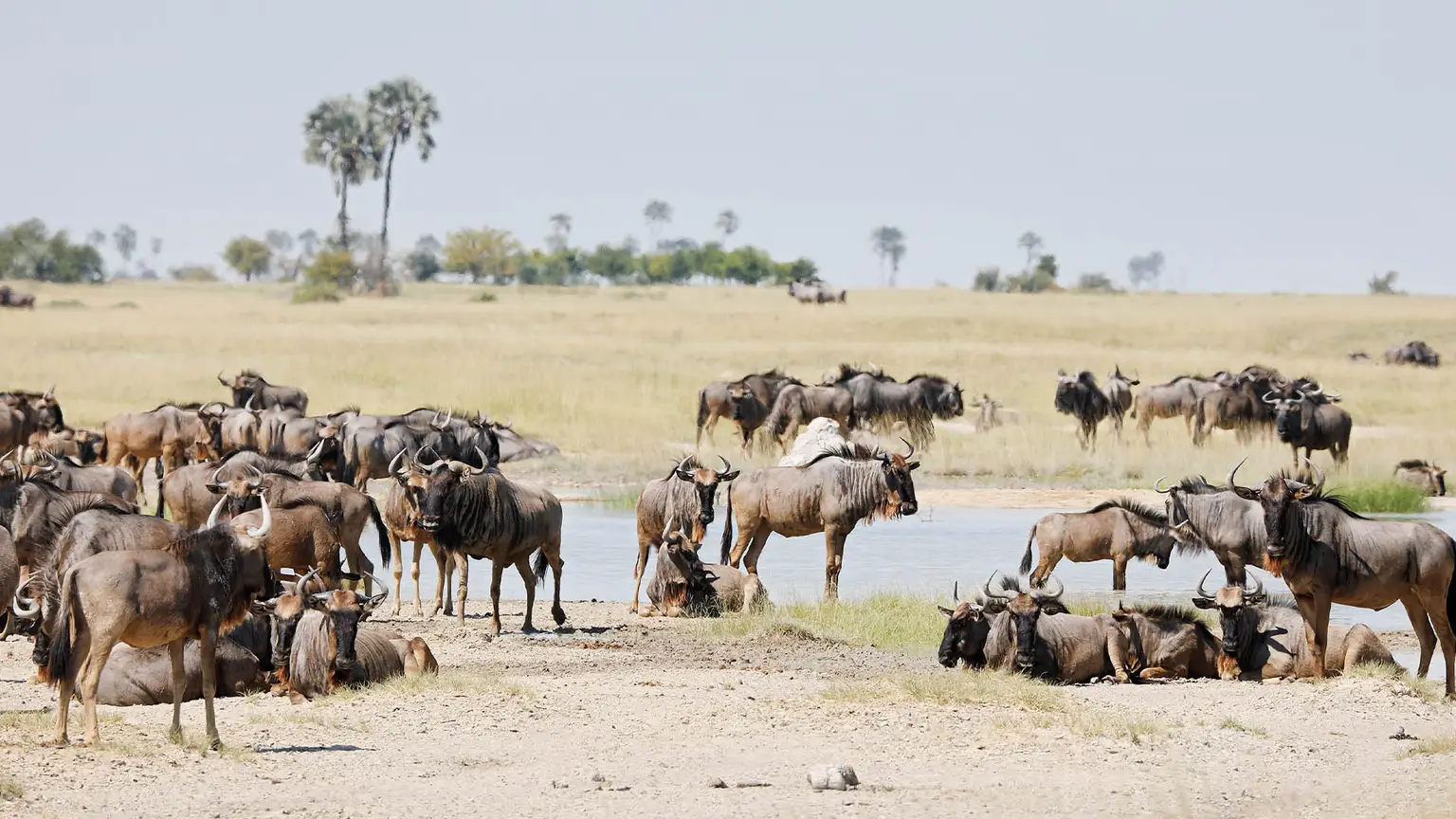
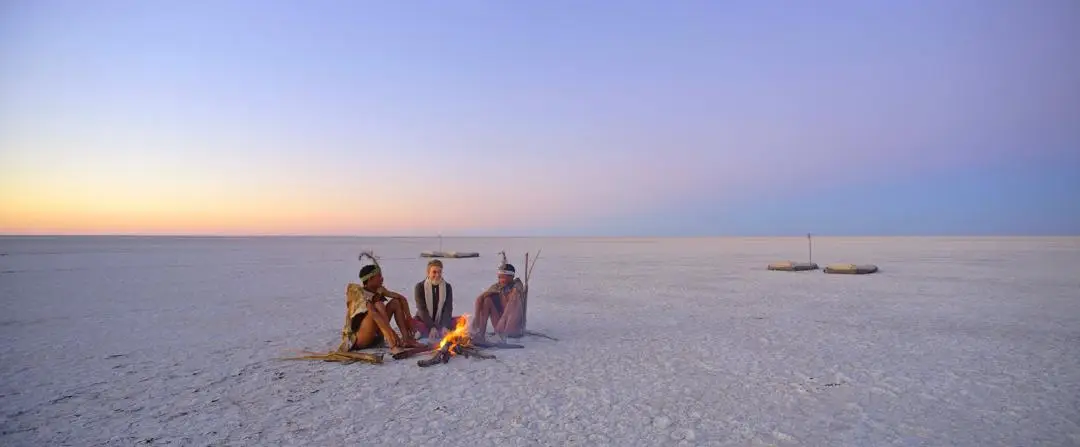
Then there are the quieter frontiers. Khwai offers a compelling blend of riverine habitats and community-linked conservation. Linyanti feels remote and intimate, with waterways that draw wildlife through the dry season. The Makgadikgadi offers a startling change of scale, where salt pans stretch toward the horizon and zebra migrations transform the landscape at certain times of year. In the Central Kalahari, the experience is defined by space, desert-adapted wildlife, and the rare pleasure of true silence.
No single region represents Botswana in full. That is why the journey design matters. Combining two or three distinct areas often creates a richer experience than trying to see too much too quickly. A Delta and Kalahari pairing, for example, reveals how dramatically Africa can change within one country: water, reeds, and islands in one chapter; golden grasslands and immense skies in the next.
The season shapes the experience
There is no universal best time for a Botswana safari. It depends on what you hope to see and how you want to travel. The Delta’s floodwaters generally arrive during the dry season, creating ideal conditions for mokoro excursions and water-based activities. Dry-season game viewing can be especially concentrated around permanent water sources, while the green season brings vivid landscapes, newborn animals, migratory birds, and fewer travelers in many areas.
Travelers seeking zebra migration in the Makgadikgadi must consider seasonal movement. Those focused on birding may favor a different window than guests hoping for peak predator viewing. An experienced local team can build around these nuances rather than relying on broad promises about a single perfect month.
The Details That Change an Expedition
Private guiding is one of the most meaningful ways to personalize a luxury safari. It allows days to be shaped around your interests, whether that means tracking, photography, birdwatching, botany, or simply spending longer with a compelling wildlife encounter. In areas where private vehicles are not possible or appropriate, the quality of the resident guiding and the camp’s location become even more important.
Air transfers are another consideration. Light aircraft flights are often part of reaching Botswana’s most remote camps, and they offer a remarkable perspective over channels, herds, and changing terrain. They also require practical planning around luggage limits, flight timing, and connections. A well-managed itinerary anticipates these details, ensuring that the route feels calm and well paced rather than overly complicated.
Accommodation selection should be about more than a category of luxury. A tented camp may offer the strongest sense of place, with canvas walls, open views, and the sounds of the bush at night. A more substantial lodge may suit multigenerational families or travelers who value additional space and facilities. The right choice depends on the destination, season, desired level of privacy, and the people traveling with you.
Designing Luxury Expedition Travel in Botswana and Beyond
A well-composed African journey can begin in Botswana and unfold naturally across the region. After the Delta or Chobe, Victoria Falls offers a powerful change of scene, with Zambia and Zimbabwe both providing distinctive ways to experience the Zambezi. Namibia can add sculpted desert landscapes and striking coastal contrasts. South Africa brings Cape Town, the Winelands, culinary experiences, and a sophisticated urban interlude before or after the wilderness.
For travelers with more time, East Africa adds another dimension. Rwanda or Uganda can be designed around gorilla trekking, while Kenya and Tanzania offer classic savannahs, cultural depth, and exceptional wildlife areas. A Mozambique or Mauritius extension may provide a restorative beach finale. The objective is not to collect countries. It is to create a journey with a rhythm that makes sense.
That rhythm is especially valuable for honeymoons, milestone celebrations, and family journeys. Too many camp changes can dilute the experience, even when each property is excellent. More nights in fewer places often allow for deeper connection with guides, landscapes, and daily patterns of wildlife. On the other hand, travelers with a specialist interest may gladly trade extra movement for access to a particular season, ecosystem, or conservation area.
Luxury With Purpose
In sensitive wilderness destinations, responsible travel is not an optional addition. It is part of what protects the experience travelers have come to enjoy. Choosing operators and camps that contribute to conservation, employ and develop local teams, respect wildlife, and engage communities meaningfully helps direct travel spending toward the long-term health of these places.
Responsible choices do not mean sacrificing comfort or extraordinary service. They mean asking better questions: How does a camp manage water and waste? What is its relationship with neighboring communities? Does the experience encourage respect for wildlife rather than pressure for close encounters? Are cultural visits built on genuine exchange and fair participation?
The most memorable encounters are often the most respectful. Watching elephants choose their path along the Chobe River, learning how local knowledge informs life in the Kalahari, or hearing a guide explain the interconnected life of the Delta can shift a journey from impressive to deeply meaningful.
Chloorokop Travel & Tours designs each journey from the ground up, bringing Botswana expertise together with trusted regional connections, attentive coordination, and a clear commitment to responsible travel. From arrival arrangements to private guiding, lodge selection, and multi-country logistics, the purpose is to let travelers be fully present in Africa rather than occupied by its moving parts.
A remarkable expedition does not need to rush to prove its value. Give it time: time to listen for lions after dark, to follow a spoor line through the sand, to watch the light change over the Delta, and to leave with a stronger connection to the places that welcomed you.