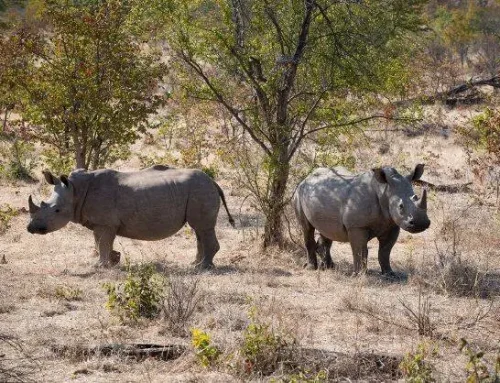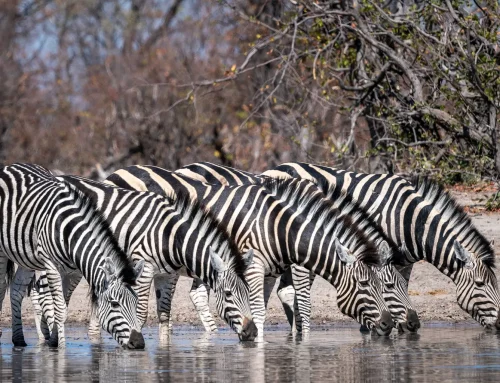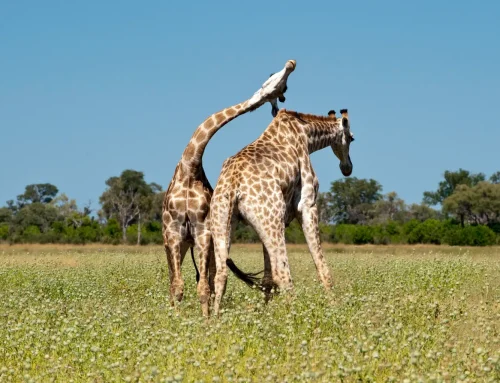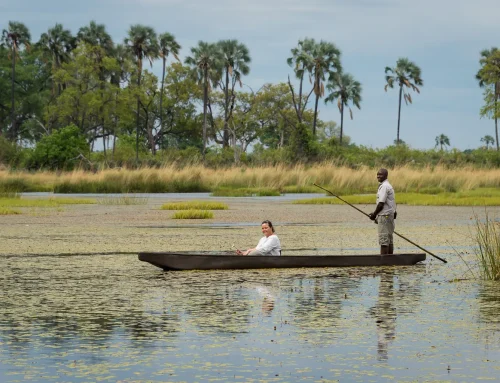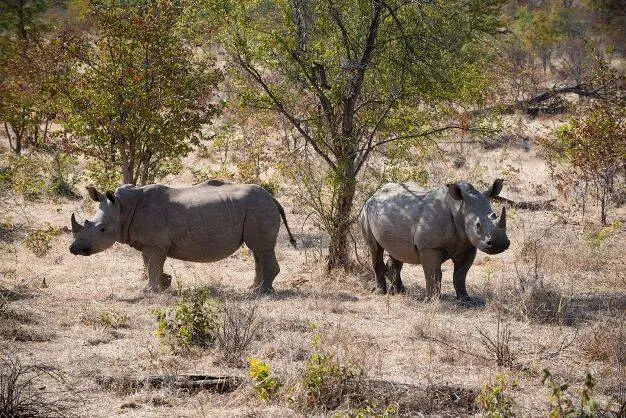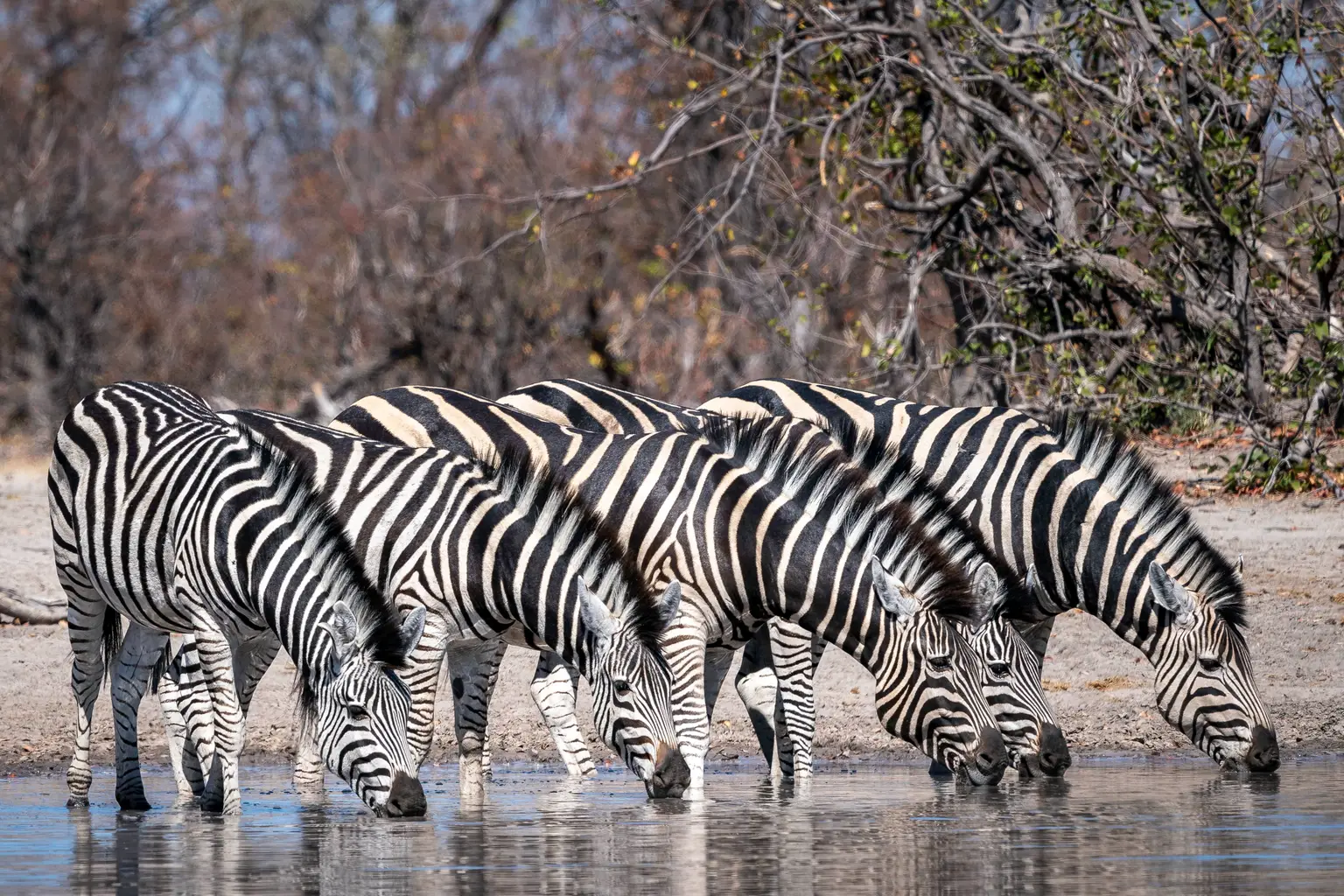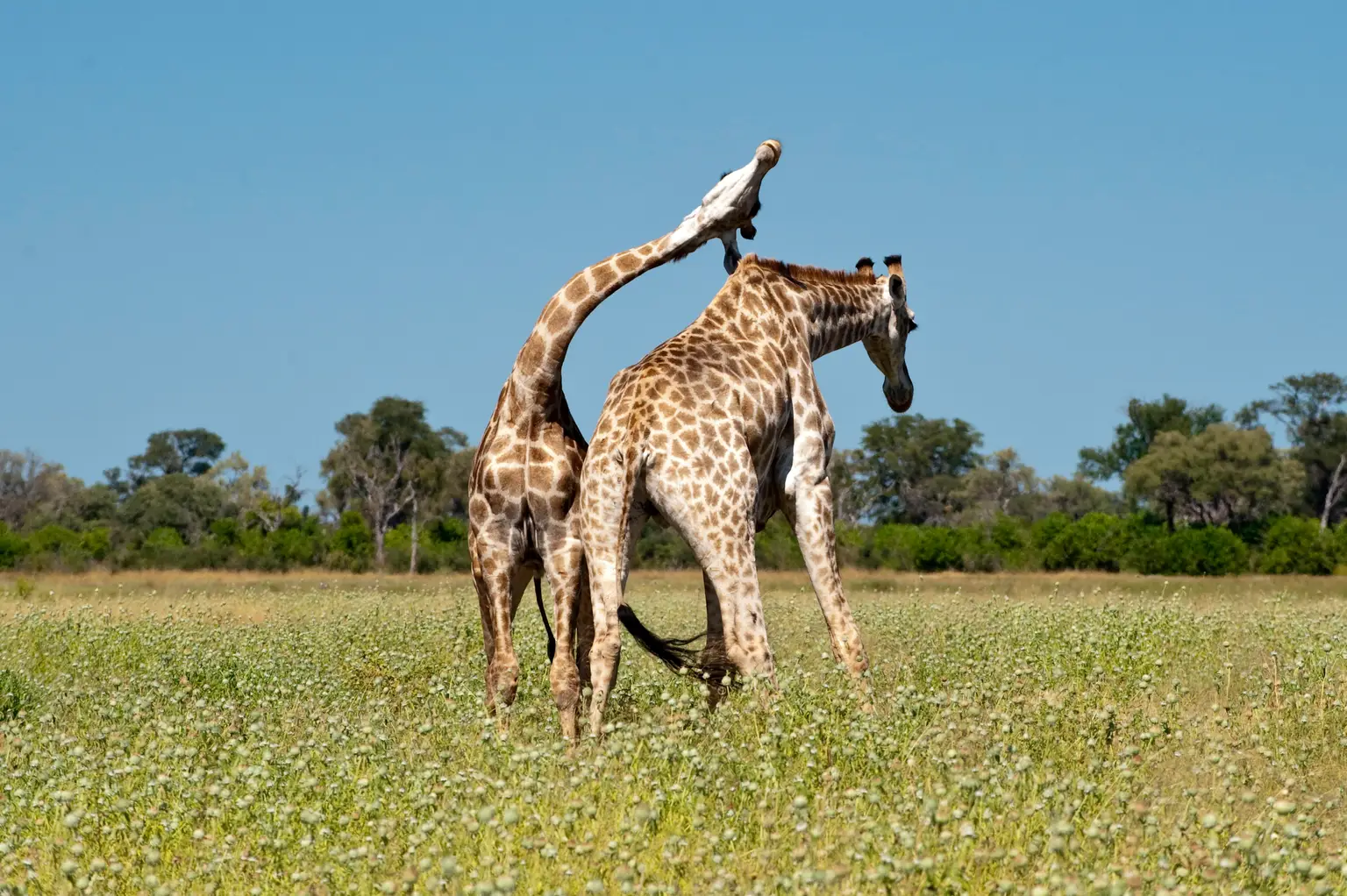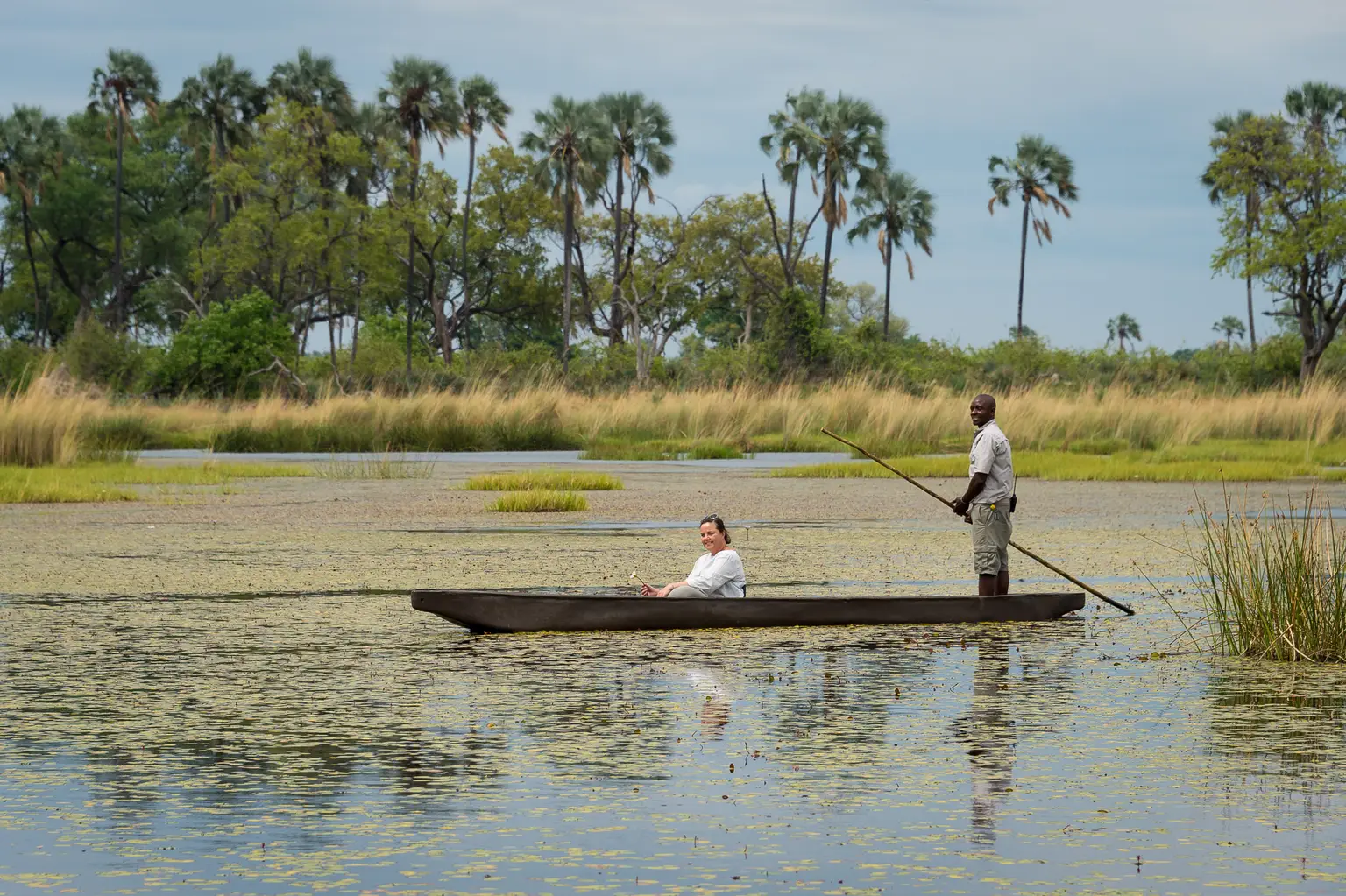
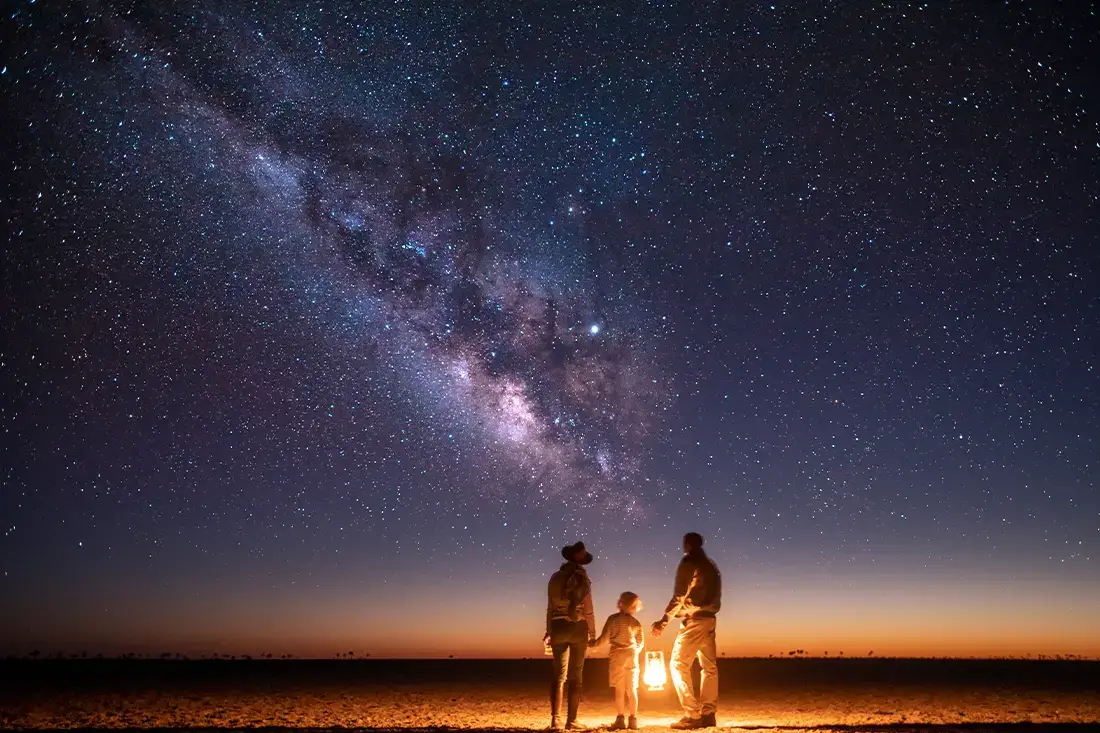
The Central Kalahari is not a destination that performs on demand. It asks for time, patience, and a willingness to trade crowded sightings for vast horizons, ancient silence, and a profound sense of place. This Central Kalahari guide is designed for travelers seeking Botswana at its most elemental – privately guided, carefully planned, and experienced with respect for the land.
At the heart of Botswana, the Central Kalahari Game Reserve is one of the world’s largest protected areas. Its scale changes the rhythm of a safari. Days unfold beneath wide skies; wildlife sightings can feel intensely personal; and the night carries a stillness that refined lodges cannot manufacture, only honor.
Why the Central Kalahari Feels Different
A Central Kalahari safari is defined less by constant action than by atmosphere. Here, fossil river valleys cut through open grasslands, salt pans shimmer in the distance, and low acacia scrub gives way to dunes shaped by wind and time. The landscape can appear spare at first glance, but it rewards close attention.
This is a place for following lion tracks across pale sand, watching a bat-eared fox emerge near camp, or lingering with a herd of springbok as afternoon light changes the color of the plains. It is also one of Botswana’s most compelling settings for travelers who value photography, solitude, and the rare privilege of being far from the usual safari circuit.
The reserve is especially known for black-maned Kalahari lions, often seen moving purposefully across open country. Cheetah, leopard, brown hyena, spotted hyena, wild dog on occasion, and smaller desert-adapted species may also be encountered. Wildlife is never guaranteed, and that uncertainty is part of the character of a true wilderness safari. The reward is not a checklist. It is the feeling that each sighting has been earned by the landscape itself.
Central Kalahari Guide: When to Travel
The best time depends on what you want from the reserve. Unlike Botswana’s wetter northern waterways, the Central Kalahari is shaped by dramatic seasonal contrast.
Green season: December through April
After good rains, the Kalahari can transform. Grasslands soften into green, wildflowers may appear, and grazing animals gather across the open pans and valleys. This is often a rewarding period for predator viewing, particularly around the Deception Valley area, as springbok, gemsbok, wildebeest, and other prey species become more visible on the plains.
For photographers, the green season brings luminous skies, dramatic cloud formations, and rich color. Birding is also particularly rewarding, with migratory species adding movement and variety. Afternoon showers can affect road conditions and flight schedules, however, so the journey benefits from flexible planning and experienced local ground handling.
Dry season: May through October
The dry months bring cooler mornings, clear light, and a more austere beauty. Days are generally comfortable, while nights can become surprisingly cold, especially from June through August. Wildlife disperses more widely than in the green season, meaning sightings may require patience and longer drives.
This period suits travelers who appreciate crisp desert air, exceptional stargazing, and the sculptural quality of a dry Kalahari landscape. It can also be a strong choice when combining the reserve with the Okavango Delta, Chobe, or Linyanti during their classic dry-season safari months.
The most suitable dates are ultimately shaped by your priorities. A honeymoon focused on seclusion may favor a quieter shoulder period, while dedicated wildlife photographers may choose travel around the rains. Families need to consider drive times, camp style, and the ages of younger travelers alongside the season.
How to Experience the Reserve Well
The Central Kalahari is best approached as a considered safari chapter rather than a quick stop. Three nights is a meaningful minimum; four or five nights allows the landscape to reveal more of its moods and gives your guide time to follow changing wildlife activity.
Access is usually arranged by light aircraft, often connecting through Maun, with camp transfers coordinated around the itinerary. Certain itineraries can include private road transfers or a privately guided mobile safari, but distances are substantial and conditions can be demanding. For most luxury travelers, a fly-in arrangement paired with an intimate desert camp offers the best balance of comfort, time, and immersion.
Camp styles vary. Some properties are designed around tented suites, outdoor decks, and fireside dining under immense skies. Others offer a more expeditionary character, with a smaller footprint and a deeper sense of remoteness. The right choice depends on whether you prioritize generous in-room comforts, private guiding, family configuration, photographic access, or an understated wilderness atmosphere.
A thoughtful itinerary should also account for the reserve’s scale. Long game drives can be deeply rewarding, but they are not for everyone. Travelers who prefer frequent activity changes or high-density wildlife viewing may be better suited to pairing a short Kalahari stay with the Okavango Delta or Chobe. Those drawn to silence, space, and desert ecology often find that the Kalahari becomes the journey they remember most vividly.
What You May See Beyond the Big Cats
The Central Kalahari’s smaller inhabitants are central to its appeal. Meerkats, ground squirrels, honey badgers, Cape foxes, bat-eared foxes, porcupines, and a range of reptiles and insects reveal the intelligence of life in an environment that can seem unforgiving.
Gemsbok are particularly emblematic of the Kalahari. Their striking markings and long, straight horns make them instantly recognizable, but their adaptation to arid conditions is just as remarkable. Springbok, hartebeest, wildebeest, giraffe, ostrich, and jackal are among the species that may shape a day’s sightings, depending on the area and season.
Birdlife deserves more than a passing mention. Raptors scan the plains from above, while sociable weavers build communal nests that can appear almost architectural in the thorn trees. In summer, the skies and grasslands become especially active. A specialist guide can turn a quiet morning into a lesson in tracks, calls, behavior, and ecological relationships.
Respecting a Living Cultural Landscape
The Kalahari is not empty land. It holds deep cultural and historical significance for San communities, whose knowledge of the environment reflects generations of close relationship with this landscape. Meaningful cultural experiences should be arranged with care, through respectful community-led partnerships that prioritize consent, fair benefit, and genuine exchange.
Responsible travel here means resisting the urge to treat culture as an attraction or a scheduled performance. The most valuable encounters create space for people to share what they choose to share, in their own voice. When thoughtfully designed, these experiences can deepen a safari far beyond wildlife viewing while supporting cultural preservation and local livelihoods.
Low-impact operations matter, too. The Kalahari is ecologically sensitive, and its distances make efficient planning essential. Choosing camps and partners with credible conservation commitments, minimizing unnecessary vehicle movement, and following guide protocols around wildlife are practical ways to travel with purpose.
Pairing the Central Kalahari With Botswana and Beyond
The Central Kalahari pairs beautifully with Botswana’s water-based wilderness areas because the contrast is so complete. Begin with mokoro excursions and lagoon views in the Okavango Delta, then continue to the desert for open plains, nocturnal sounds, and a different rhythm of game viewing. Alternatively, combine the Kalahari with Makgadikgadi for a journey shaped by salt pans, desert species, and expansive skies.
For a wider African itinerary, the Kalahari can be the quiet, grounding center between more active experiences. Victoria Falls, Cape Town and the Winelands, or a restorative Indian Ocean beach stay can each complement Botswana’s wilderness without diminishing it. The key is allowing enough time between flights and camps so the journey feels composed rather than hurried.
At Chloorokop Travel & Tours, we design Central Kalahari journeys around the way you want to travel: private and unhurried, wildlife-led, family-conscious, photography-focused, or woven into a longer African story. From aircraft timing and camp selection to guiding preferences and thoughtful regional extensions, every detail should serve the experience rather than interrupt it.
The Central Kalahari rewards travelers who arrive without trying to control every moment. Give it time, travel with a guide who reads the land closely, and leave room for the unexpected track in the sand, the distant roar after dark, and the rare freedom of seeing almost nothing between you and the horizon.