The most meaningful safari moments are increasingly shaped long before the first game drive: in a community meeting, a wildlife corridor agreement, a water-monitoring project, or a guide’s careful decision to give an animal more space. Emerging safari conservation trends are changing what thoughtful travelers look for in Africa. The question is no longer simply where to see wildlife, but how a journey contributes to the landscapes, livelihoods, and cultural heritage that make wildlife viewing possible.
For luxury travelers, this is not a call to compromise on comfort, privacy, or exceptional guiding. It is an invitation to choose journeys where those qualities are thoughtfully connected to place. In Botswana, where low-volume, high-value tourism has long informed the safari model, this connection can be especially tangible across the Okavango Delta, Chobe, Linyanti, Khwai, and the Kalahari.
Emerging Safari Conservation Trends Beyond the Lodge
Conservation is often presented as a simple promise: stay here, save wildlife. The reality is more complex. A responsible safari depends on land rights, sound governance, scientific monitoring, capable local teams, resilient habitats, and visitor behavior that respects the wildness people have come to experience.
The strongest current trend is a move away from treating conservation as an add-on. Instead, it is becoming part of how safaris are designed, operated, and interpreted. Travelers are asking better questions about who benefits from tourism, how a camp manages water and energy, whether local guides have meaningful career pathways, and how wildlife movement is protected beyond reserve boundaries.
This shift is valuable because conservation cannot be sustained by tourism alone. Rainfall, public policy, land use, livestock pressures, and regional economics all matter. Yet well-managed tourism can provide long-term revenue, employment, practical monitoring support, and a compelling reason to keep wilderness intact.
Community Partnerships Are Becoming More Visible
Across southern Africa, community-based conservation is gaining greater attention, particularly where tourism operates on communal land or alongside villages whose livelihoods are directly connected to the landscape. The most credible partnerships go beyond occasional donations or visits arranged solely for guests. They create local employment, leadership opportunities, lease income, enterprise development, and a genuine role in decisions affecting land and wildlife.
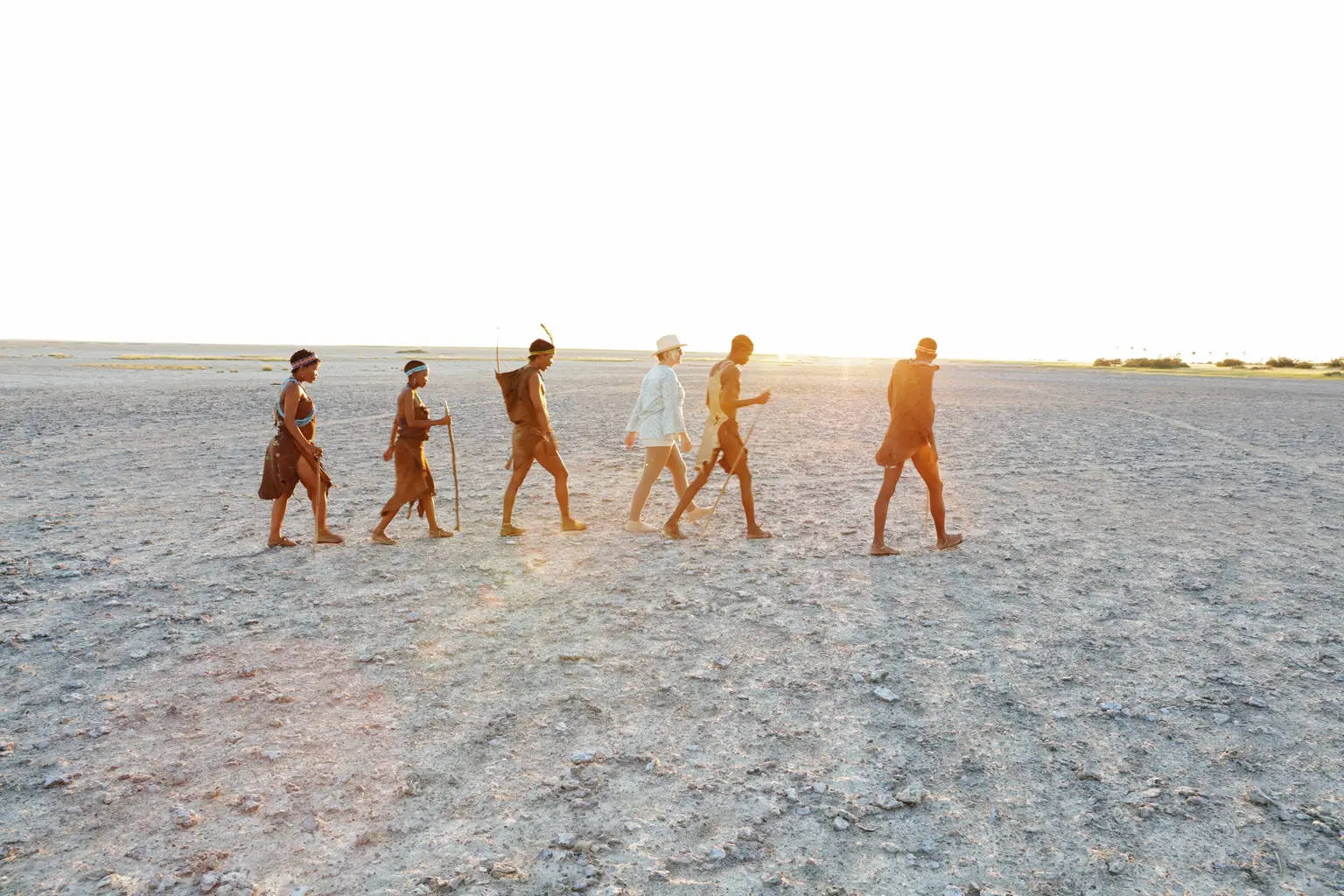
For travelers, this can mean meeting a resident guide, visiting an artisan initiative with proper context, or hearing how a concession arrangement supports a broader community. These experiences should never feel staged or intrusive. The best cultural exchanges are small-scale, respectfully hosted, and shaped by what communities wish to share.
There is no single model that works everywhere. A Delta community, a Kalahari settlement, and a conservancy bordering a national park may have different priorities. That is precisely why tailor-made travel matters. It allows an itinerary to include meaningful encounters only where they are appropriate, welcome, and genuinely connected to the destination.
What to Ask Your Safari Planner
Rather than looking for broad labels alone, ask how local people participate in the tourism economy, whether a property employs and develops people from nearby areas, and how community visits are arranged. A thoughtful answer will be specific, modest, and clear about what the experience does and does not support.
Wildlife Corridors Matter as Much as Wildlife Density
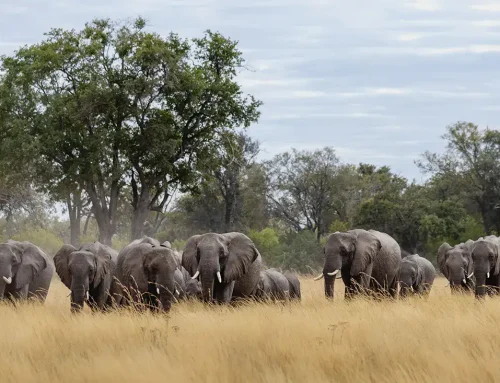
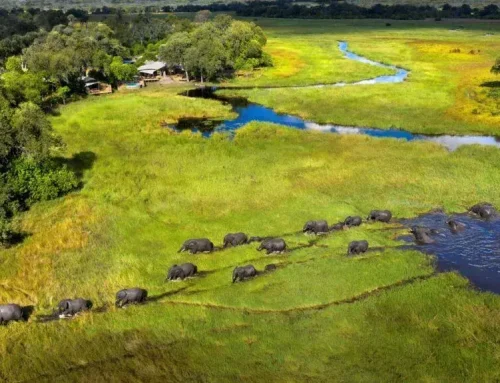
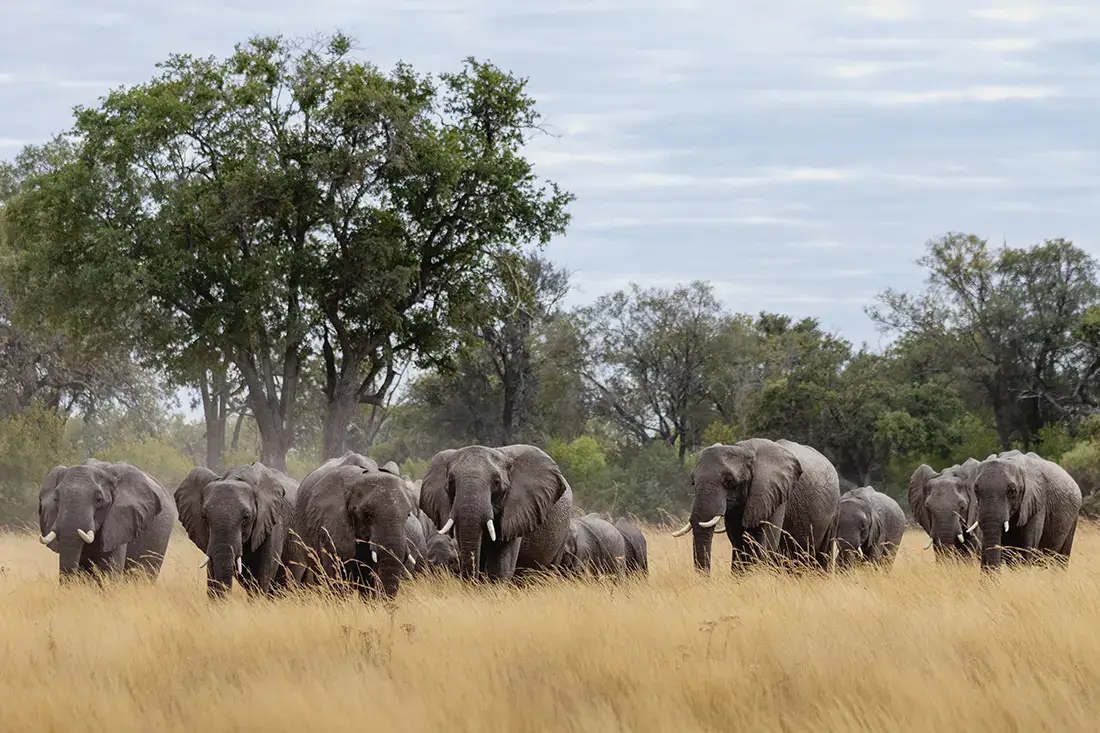
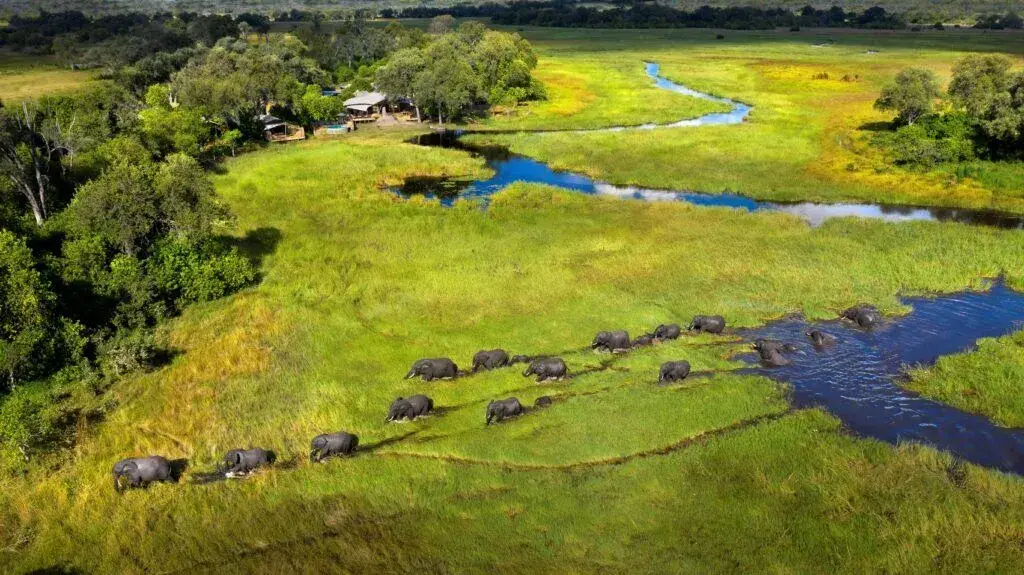
A safari can offer extraordinary wildlife viewing within a protected area, but animals do not recognize park boundaries. Elephants, wild dogs, predators, and seasonal herbivore migrations require room to move between feeding grounds, breeding areas, and water sources. As fencing, roads, agriculture, and settlement patterns expand in parts of Africa, maintaining connected habitats has become one of conservation’s defining challenges.
This is why emerging safari conservation trends increasingly focus on corridors, buffer zones, and landscape-level partnerships. Protecting a single reserve is not always enough if the ecological systems around it are under pressure. Conservation organizations, communities, governments, and tourism operators are working in different ways to maintain connectivity, reduce conflict, and support coexistence.
Botswana’s wide, low-density wilderness areas make this conversation especially relevant. The Okavango Delta and its surrounding concessions, the Chobe-Linyanti system, and the Makgadikgadi region are not isolated attractions. They are living systems shaped by seasonal water, wildlife movements, and neighboring land uses.
For guests, the practical expression of corridor conservation may be subtle: fewer vehicles around a sighting, routes planned to avoid sensitive areas, carefully managed off-road driving, or guides who prioritize animal behavior over a closer photograph. These choices can feel less dramatic in the moment, yet they protect the quality of the encounter for years to come.
Technology Is Supporting Better Decisions, With Limits
Conservation technology is advancing quickly. Camera traps, acoustic monitoring, satellite collars, drones, artificial intelligence-assisted image sorting, and digital ranger tools can help researchers understand animal movements and identify threats more efficiently. In remote landscapes, these tools may improve the speed at which teams detect unusual activity or gather ecological data.
But technology is not automatically conservation. A collar does not protect an animal without skilled people to interpret data and act responsibly. Drones may be useful for surveying large areas, but they must be deployed with strict consideration for wildlife disturbance, privacy, and regulations. Similarly, sharing real-time wildlife locations can create risk if sensitive information reaches the wrong hands.
The most encouraging approach pairs appropriate technology with experienced field teams and strong local knowledge. Guests may encounter this through conversations with guides, researchers, or camp staff rather than through a visible gadget. A well-guided safari should make science feel relevant without turning a wilderness experience into a laboratory visit.
Lower-Impact Luxury Is Becoming More Exacting
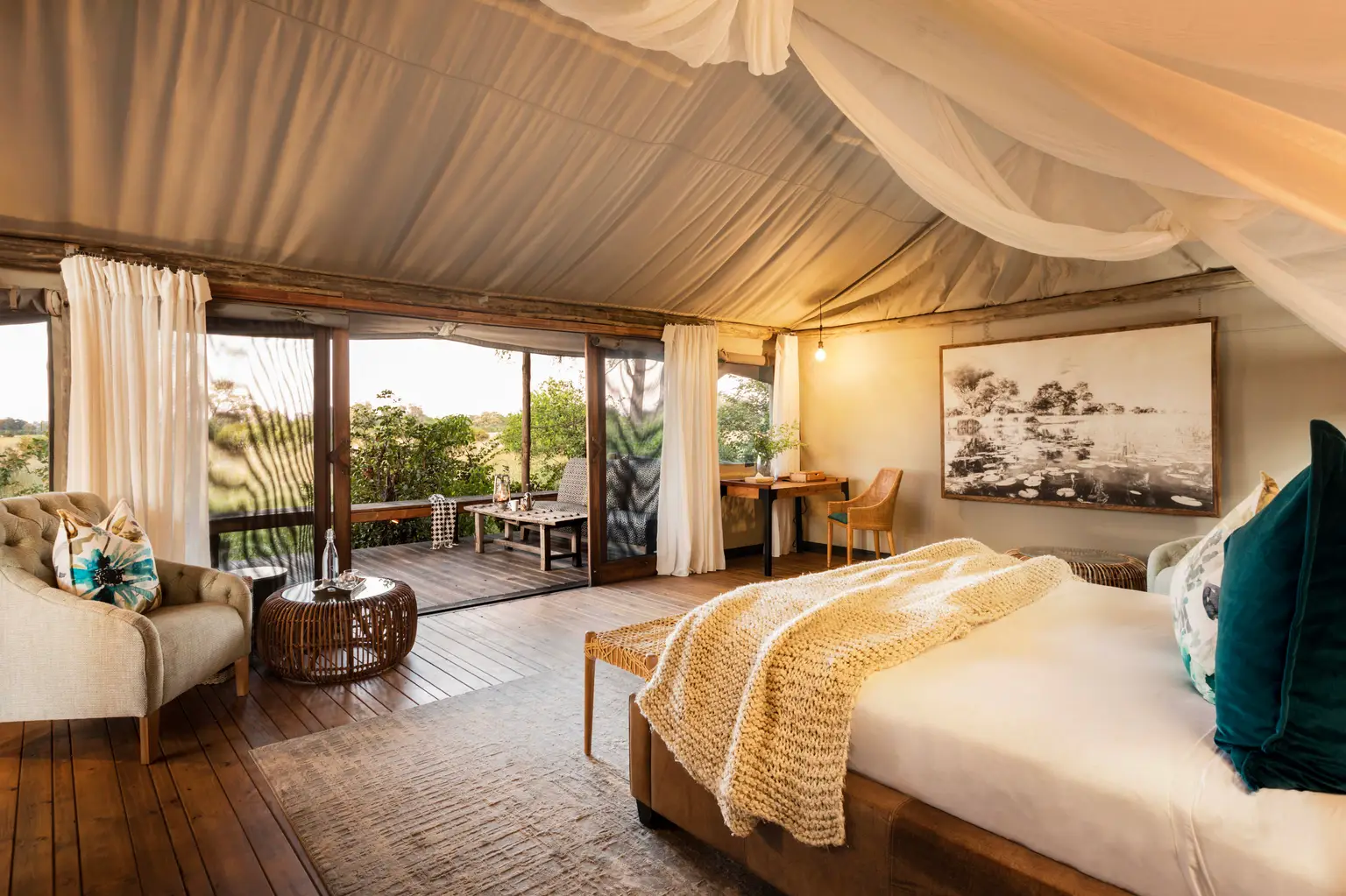
Luxury camps have long had to solve practical challenges in remote settings. The next phase is not simply installing solar panels or replacing plastic bottles. It involves taking a closer look at the full operating footprint: energy use, water sourcing, waste handling, building materials, supply chains, staff transport, and the number of guests a site can responsibly host.
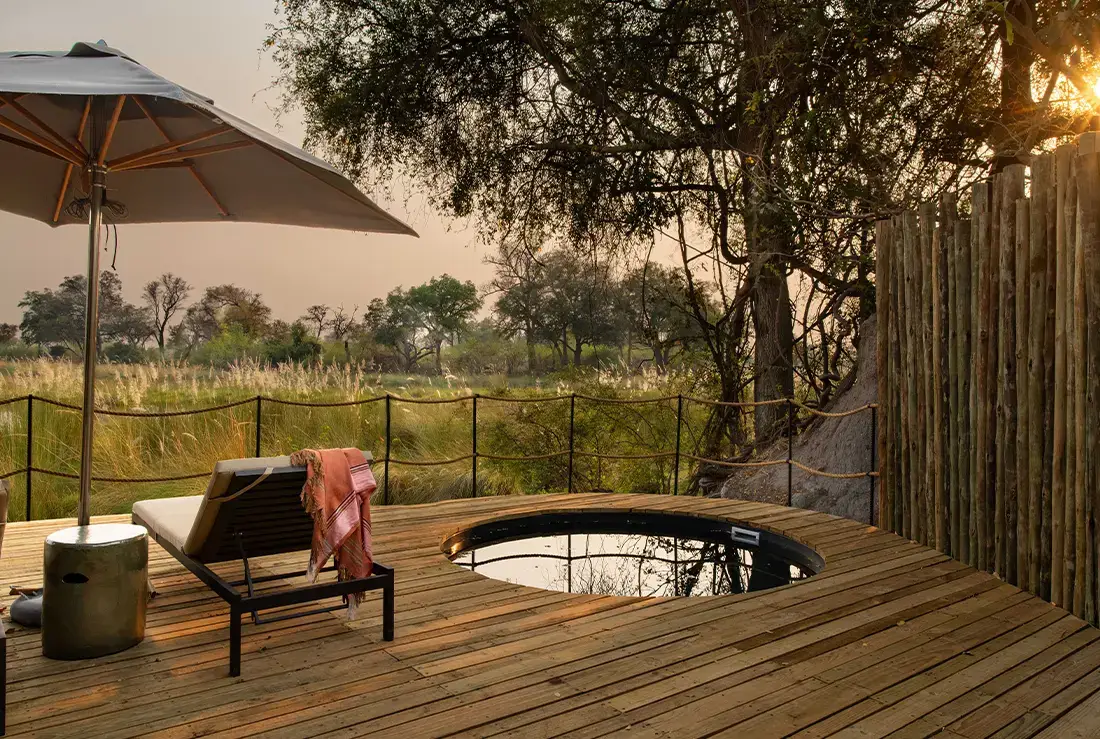
Solar power and battery storage can reduce reliance on generators, while careful water systems may lessen pressure on scarce resources. Composting, refillable amenities, and reduced single-use packaging are useful, but they are only part of the picture. In floodplains and dryland environments alike, the location and design of a camp matter greatly. A property must fit the ecosystem, not force the ecosystem to fit the property.
There are trade-offs. Flying between remote camps offers remarkable access and saves time, especially on multi-region itineraries, but it carries an emissions footprint. Road transfers can be more practical in some areas, though they may take longer and are not always suitable during seasonal conditions. Responsible planning is not about pretending these choices have no impact. It is about selecting routes, stays, and activities with intention, then making the time in each wilderness area count.
The Guide Is Central to Responsible Wildlife Viewing
No conservation trend has more immediate influence on a guest’s daily safari than guiding. An exceptional guide reads tracks, interprets behavior, shares ecological knowledge, and creates the calm, unhurried conditions that allow a sighting to unfold naturally. Just as importantly, they know when to move on.
Ethical wildlife viewing increasingly favors patience over pursuit. That includes keeping appropriate distance, limiting time with sensitive species, avoiding disturbance around dens or nests, and respecting limits on the number of vehicles at a sighting. For photographers, this can occasionally mean accepting a less crowded frame rather than insisting on the closest possible angle. The reward is a more natural encounter and a better chance of observing authentic behavior.
Private guiding can be particularly valuable for travelers with specific interests, whether birding, photography, family learning, or conservation. It provides flexibility to spend longer with a subject, return to a habitat at ideal light, or skip an activity that does not fit the group’s pace, without placing unnecessary pressure on wildlife.
Climate Resilience Is Shaping the Future of Safari
Climate variability is already influencing safari planning. Seasonal rains may arrive differently, water levels can affect access, temperatures may shift animal activity, and extreme weather can alter logistics. In the Okavango, the timing and scale of floodwaters influence the character of a season. In drier regions, water availability affects both wildlife distribution and community livelihoods.
For travelers, this does not mean a safari has become unpredictable in a negative sense. It means expectations should be informed by the rhythms of a changing natural world rather than by a fixed checklist. A skilled Africa specialist can recommend the right region, camp style, and activity mix for the season, while building enough flexibility into the itinerary to respond intelligently on the ground.
This is also where regional planning has value. A Botswana safari can be paired with Victoria Falls, Zambia, Namibia, or South Africa in a way that balances landscapes, interests, and seasonal conditions. The goal is not to rush across the continent, but to create a journey with a considered pace and a lighter operational burden.
Choosing a Safari With Purpose
A conservation-minded safari is not defined by a single certification, a donation line, or a perfect claim. It is defined by consistent decisions: smaller-scale stays where appropriate, respectful guiding, credible local partnerships, well-managed wilderness areas, and an itinerary that allows time to understand the places you visit.
At Chloorokop Travel & Tours, safari planning begins with the traveler, then connects personal interests to the right landscapes and partners. A honeymoon might prioritize secluded Delta camps and private experiences. A family journey may center on guides who make ecology engaging across generations. A photographer may need longer stays, flexible schedules, and access to habitats where patient observation is possible.
The most lasting way to travel beautifully and leave meaningfully is to give wilderness the time, attention, and respect it deserves. Choose places that invite you to look closer, listen longer, and carry the story of Africa home with a deeper understanding of what it takes to keep it wild.