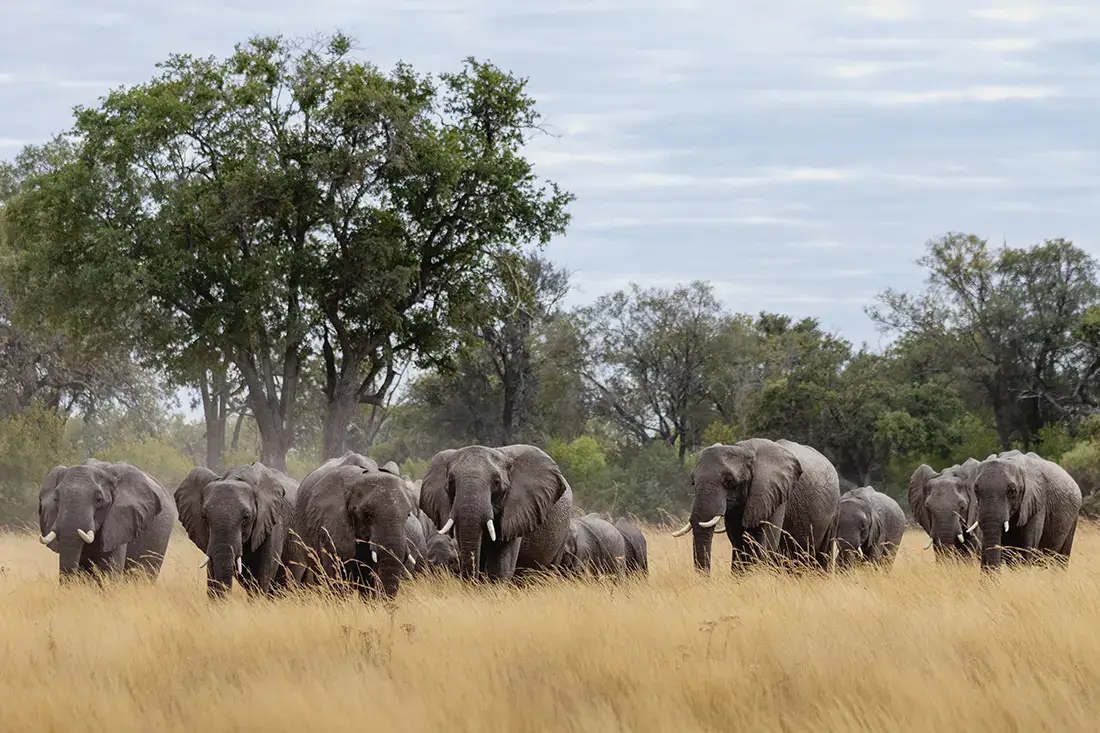
The first elephant tracks of the morning may lead through Moremi’s mopane woodland or across Khwai’s open floodplains, yet the feeling is different. A Moremi versus Khwai safari is not a question of one destination being better than the other. These neighboring wilderness areas offer exceptional wildlife, but their rules, landscapes, activities, and camp atmospheres can shape the entire rhythm of your Botswana journey.
For travelers seeking a private, beautifully paced Okavango safari, the best decision comes down to how you want to experience the wild: within the protected boundaries of a celebrated game reserve, or in a community concession where the day can continue after sunset.
Moremi versus Khwai safari: the essential difference
Moremi Game Reserve lies on the eastern side of the Okavango Delta and includes iconic areas such as Chief’s Island, Xakanaxa, and the Moremi Tongue. It is a formally protected reserve, known for an extraordinary mix of permanent water, reed beds, woodland, open grassland, and seasonal floodplains. It feels varied and classically wild, with changing habitats often encountered on a single game drive.
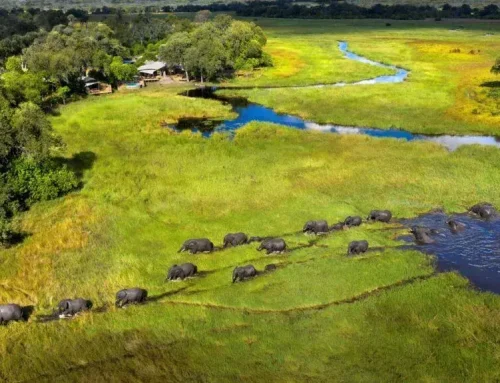
Khwai sits immediately northeast of Moremi, along the Khwai River and its surrounding floodplains. Much of the safari area is within the Khwai Community Concession, where tourism supports local community benefit and conservation. The terrain is often more open than central Moremi, with riverine forest, water channels, grassy plains, and woodland that attract wildlife throughout the year.
The boundary between the two is meaningful from a safari-planning perspective, even though animals do not recognize it. Moremi operates under national reserve regulations. Khwai, as a concession, may allow a broader set of activities depending on the camp, its location, and current operating permissions.
Wildlife: remarkable in both, with different strengths
Moremi and Khwai are both among Botswana’s most rewarding wildlife regions. Elephant, buffalo, giraffe, zebra, impala, kudu, warthog, hippo, crocodile, and a rich variety of birdlife are regularly seen. Predators are a genuine possibility in either area, including lion, leopard, African wild dog, spotted hyena, and occasionally cheetah.
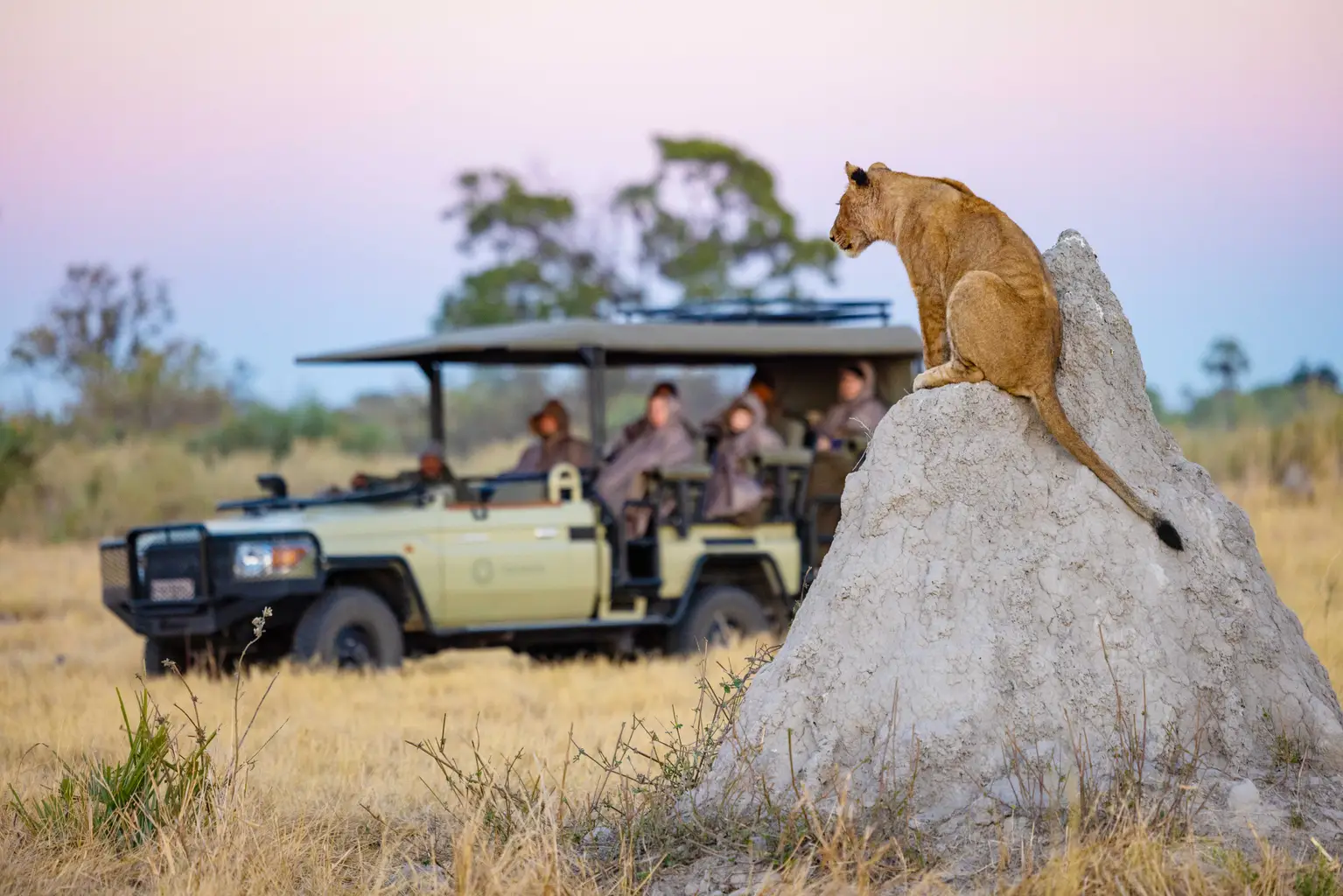
Moremi’s great appeal is habitat diversity. A morning drive may begin with red lechwe in shallow water, pass through cathedral-like leadwood forest, and end at a lagoon where hippos surface beside water lilies. The reserve is particularly compelling for guests who appreciate landscapes as much as sightings. Patient travelers and photographers can find superb opportunities for leopard, wild dog, and birds of prey, although wildlife is never scheduled to appear on cue.
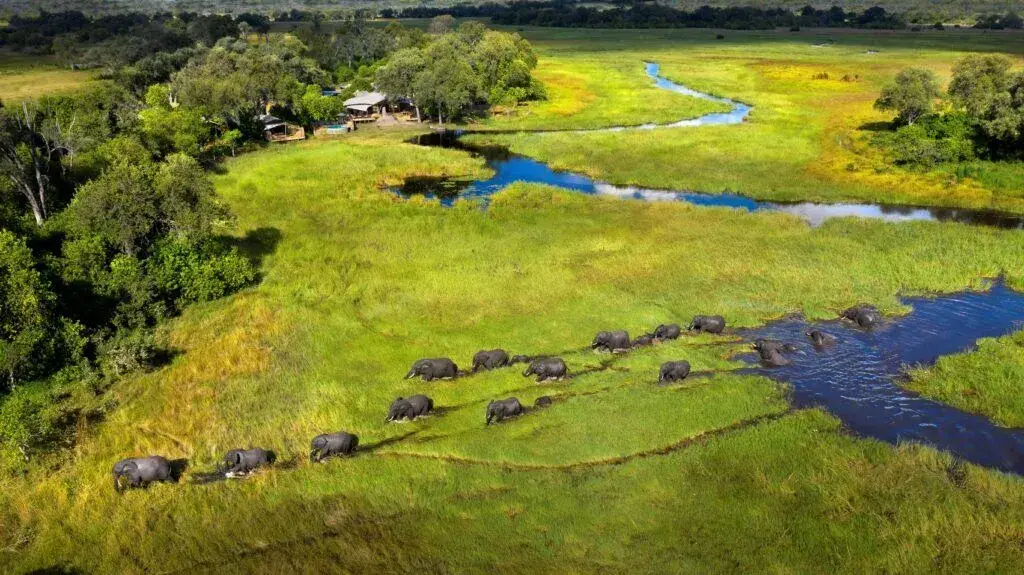
Khwai is especially known for strong elephant encounters and predator activity around the river system. Its more open areas can make it easier to scan for game, while the Khwai River draws animals to drink, wallow, and cross. In the dry season, concentrations of wildlife can be particularly impressive as water becomes a defining force in the landscape.
If your priority is the widest range of Delta habitats, Moremi often has the edge. If you are drawn to riverfront wildlife drama, elephants, and the possibility of seeing the bush after dark, Khwai may be the stronger fit. In practice, an itinerary that combines both can be more rewarding than trying to declare a winner.
Activities and safari rules
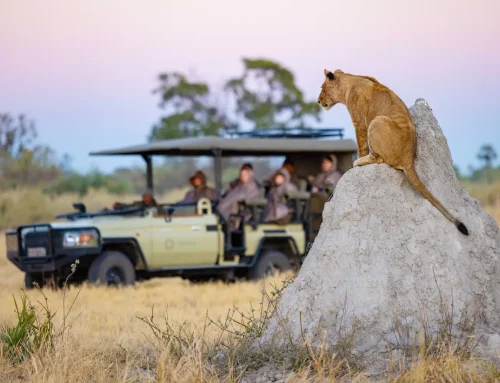
This is where the choice becomes most practical. In Moremi Game Reserve, game drives generally follow reserve roads and take place during daylight hours. This creates a classic, respectful reserve experience: early departures, long golden-hour drives, and evenings back at camp beneath a vast southern sky. The restrictions also help limit disturbance in a sensitive ecosystem.
Khwai can offer more flexibility. Certain camps may conduct guided night drives and off-road viewing, allowing guides to follow an appropriate sighting carefully while protecting the environment and other guests’ experience. After sunset, the focus changes. A spotlight may reveal a genet in the branches, a civet moving through the grass, or the bright eyes of a leopard hunting along the edge of a clearing.
Off-road driving is not about chasing wildlife. When handled responsibly, it can offer a better viewing angle or allow a guide to position the vehicle without obstructing other guests. It should always be guided by strict environmental judgment, seasonal ground conditions, and respect for the animal’s space.
Water activities also vary by location and season. Moremi’s channels and lagoons can support boating in certain areas, while a mokoro excursion is more commonly incorporated through camps in suitable Delta concessions. Khwai is primarily a land-based safari destination, though the river itself brings a powerful water presence. Your preferred camp and travel dates matter more than broad assumptions about either region.
The camp experience: reserve atmosphere or concession freedom
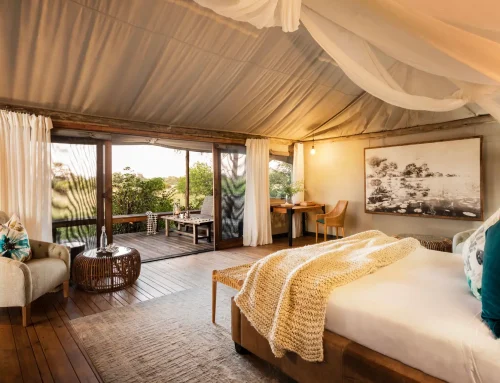
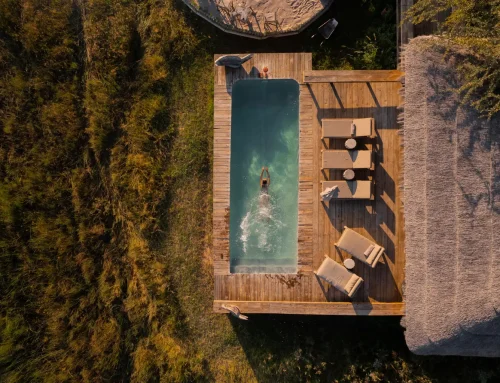
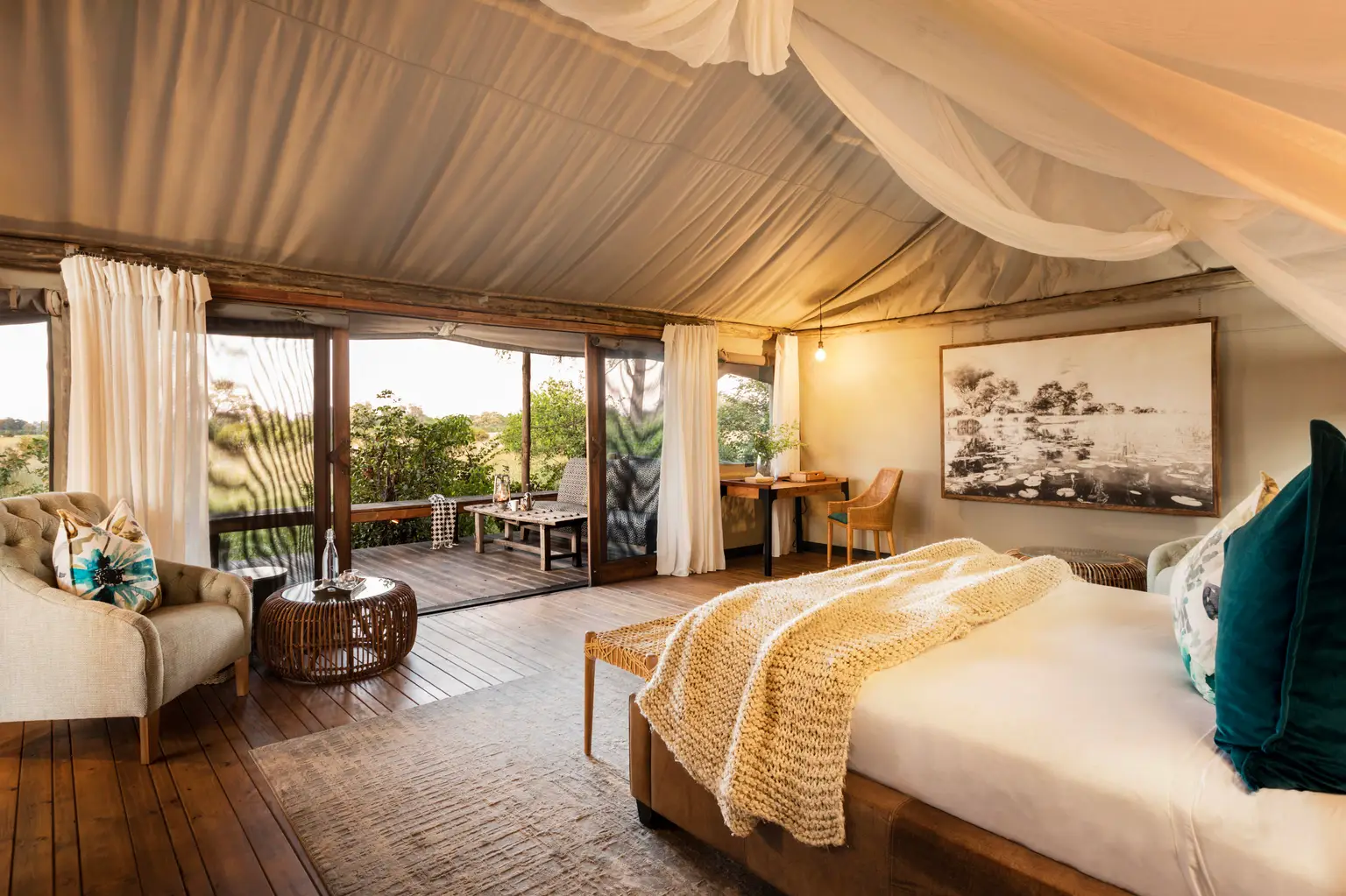
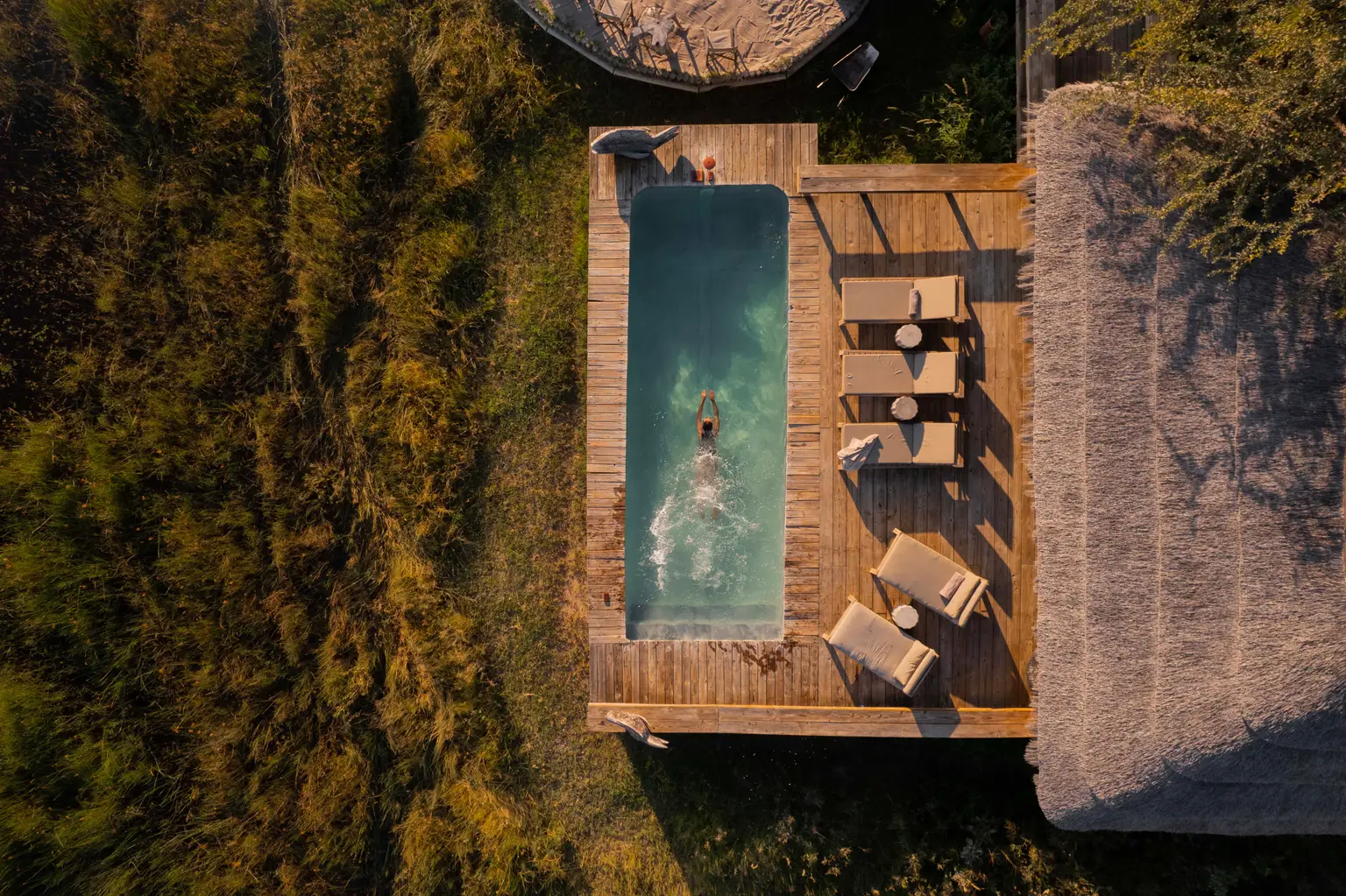
Luxury in both Moremi and Khwai is defined less by excess than by setting, service, guiding, privacy, and thoughtful design. Expect intimate camps, generous tented suites or refined rooms, exceptional guiding, and the pleasure of returning from a drive to a considered meal and the sounds of the bush beyond your veranda.
Moremi camps often appeal to travelers who want to feel immersed in a protected reserve with enduring safari heritage. The experience may feel especially polished for a first Botswana safari or a honeymoon, where scenic variety and the romance of the Delta are central to the journey.
Khwai camps often suit travelers who want a more flexible daily program and a deeper connection to community-led conservation. The Khwai Community Concession demonstrates how responsible tourism can create value beyond the camp itself, contributing to local livelihoods while safeguarding wildlife habitat. For guests who want their luxury safari to carry visible purpose, that dimension can be meaningful.
Neither setting is automatically more private or more luxurious. Camp size, room configuration, guiding model, vehicle policy, and seasonal occupancy make the real difference. Families, for example, may prefer a private vehicle and a camp with family accommodation, while dedicated photographers may prioritize extended game-drive flexibility and space for equipment.
When to go to Moremi or Khwai
Botswana is rewarding year-round, but the character of a Moremi or Khwai safari changes with the seasons. From roughly May through October, cooler, drier conditions bring excellent wildlife viewing as animals gather around reliable water sources. This is often the preferred period for first-time safari travelers, families traveling around school breaks, and guests focused on big game.
From November through March, the landscape transforms with summer rain. Green shoots, dramatic skies, migrant birds, and newborn animals bring a different kind of abundance. Wildlife can be more dispersed, and afternoon rain is possible, but the photographic opportunities are outstanding. Birders will find both Moremi and Khwai particularly rewarding at this time.
The Okavango floodwaters usually reach the Delta during the dry season, following rainfall far to the north in Angola. This means the relationship between water and season is wonderfully counterintuitive. A well-planned itinerary considers not only the month but also the exact camp location and the experiences you value most.
Which safari is right for you?
Choose Moremi if you want a richly varied Okavango landscape, classic daylight game drives, and the sense of being deep inside one of Africa’s great protected reserves. It is an excellent choice for travelers who value scenic diversity, unhurried wildlife viewing, and a safari that pairs beautifully with Delta water experiences elsewhere in an itinerary.
Choose Khwai if night drives, possible off-road sightings, elephant-rich riverfront landscapes, and community-centered conservation are high on your list. It is particularly appealing for repeat safari travelers, photographers, and guests who want more activity flexibility without compromising on comfort or guiding quality.
Choose both if you have the time. A stay in Moremi followed by Khwai creates contrast without complicated travel. You move from protected reserve landscapes to a community concession, gaining different guiding possibilities, habitats, and moods while staying within the greater Okavango ecosystem.
At Chloorokop Travel & Tours, we design Botswana journeys around these details rather than a fixed circuit. The right camp combination considers your interests, preferred pace, privacy needs, family dynamics, and how Moremi or Khwai will connect with destinations such as Chobe, the Makgadikgadi, Victoria Falls, or a final Indian Ocean retreat.
The most memorable choice is often the one that leaves room for stillness: coffee at sunrise while lion calls travel across the floodplain, time to watch elephants cross a river without rushing onward, and a guide who understands when the moment asks for silence. Travel beautifully, and let the wilderness set the pace.