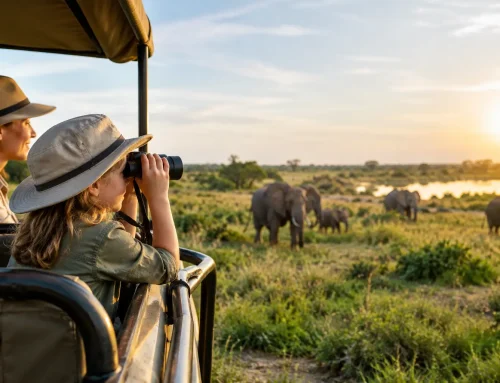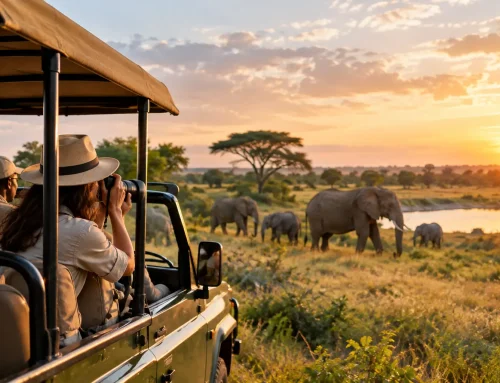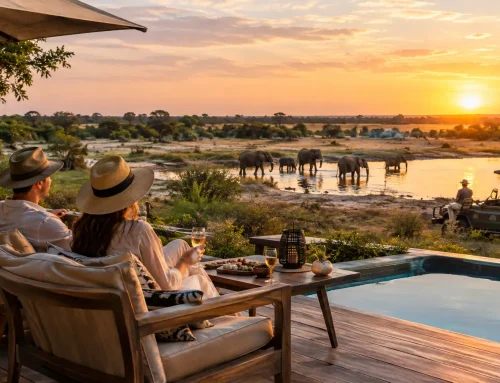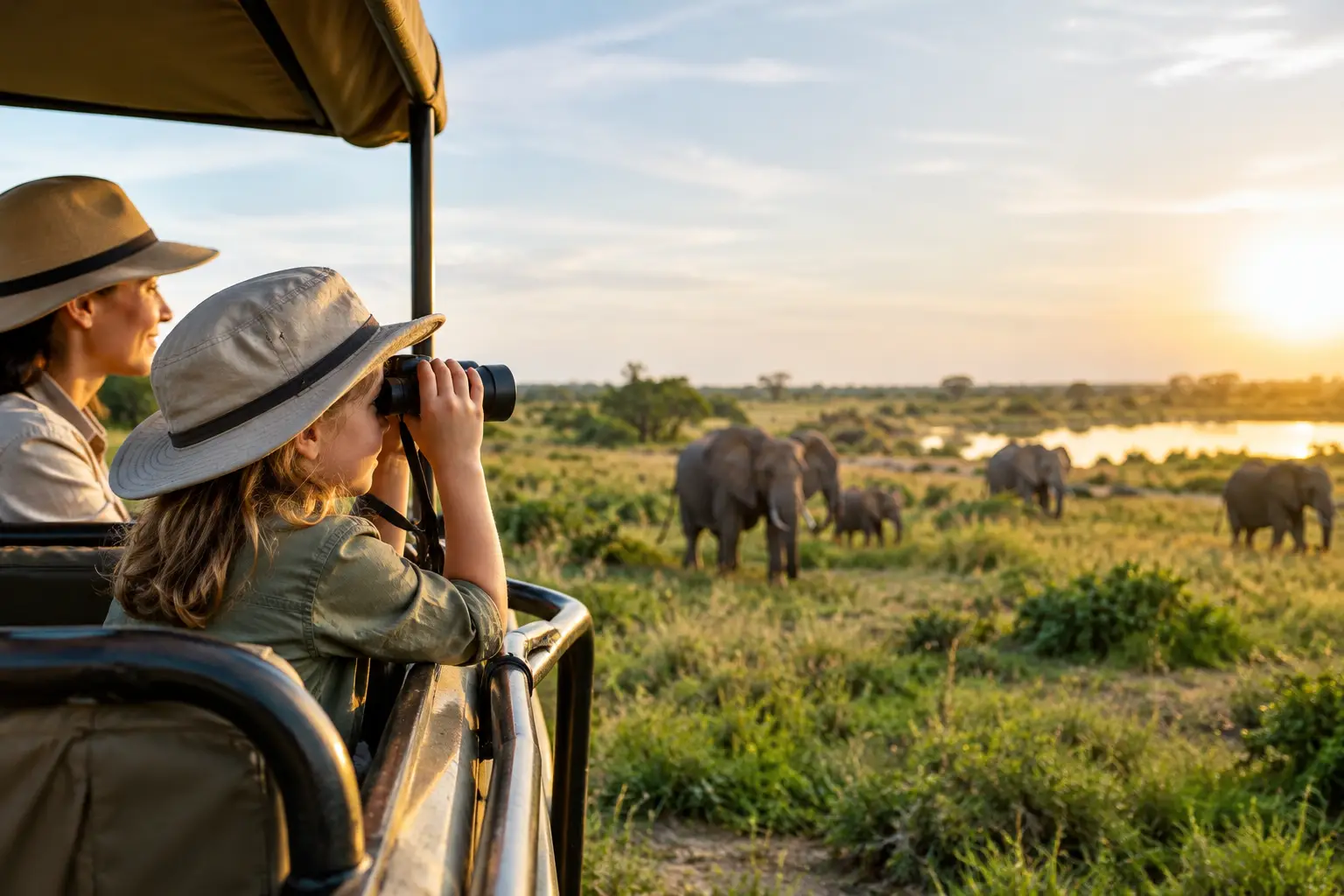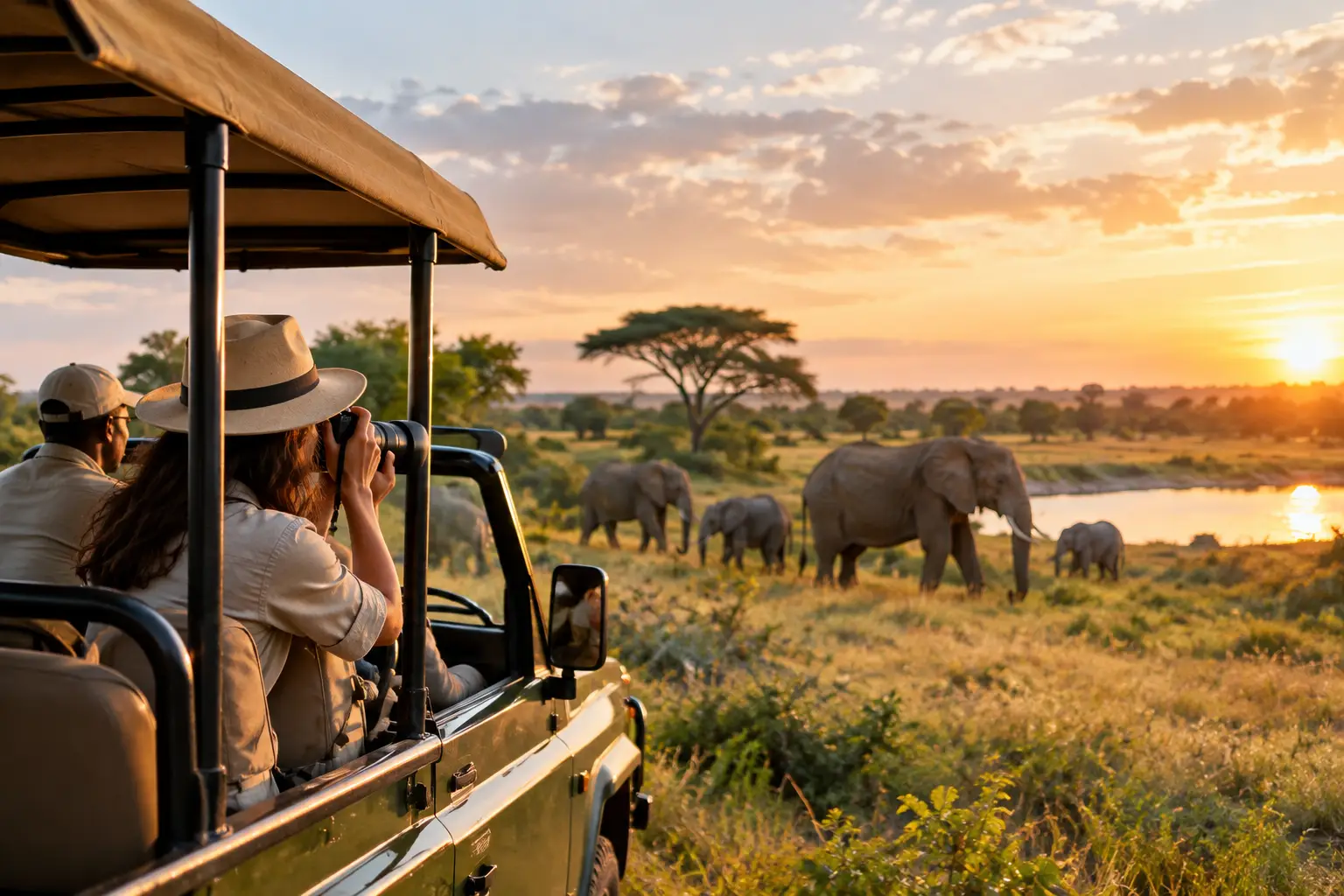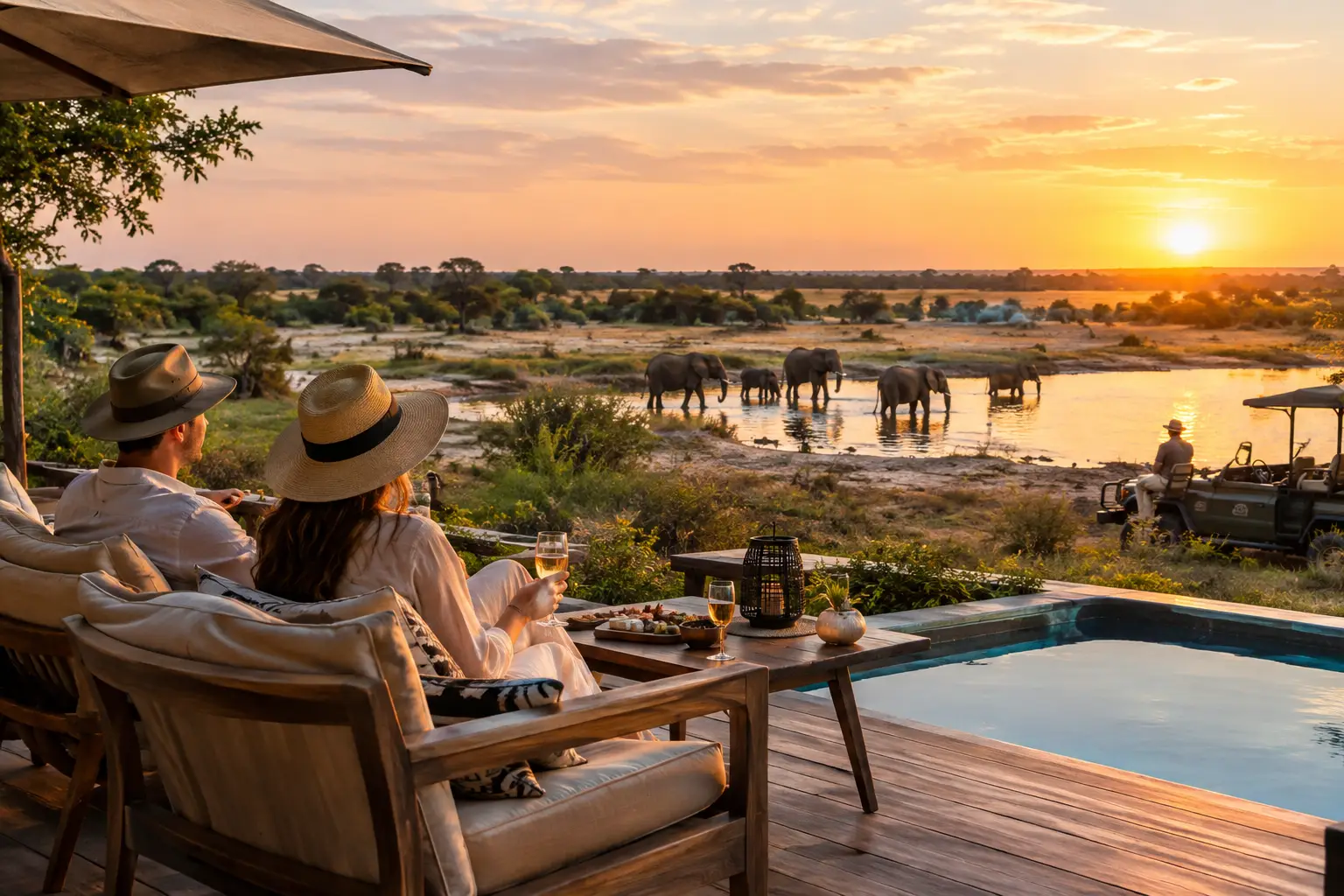
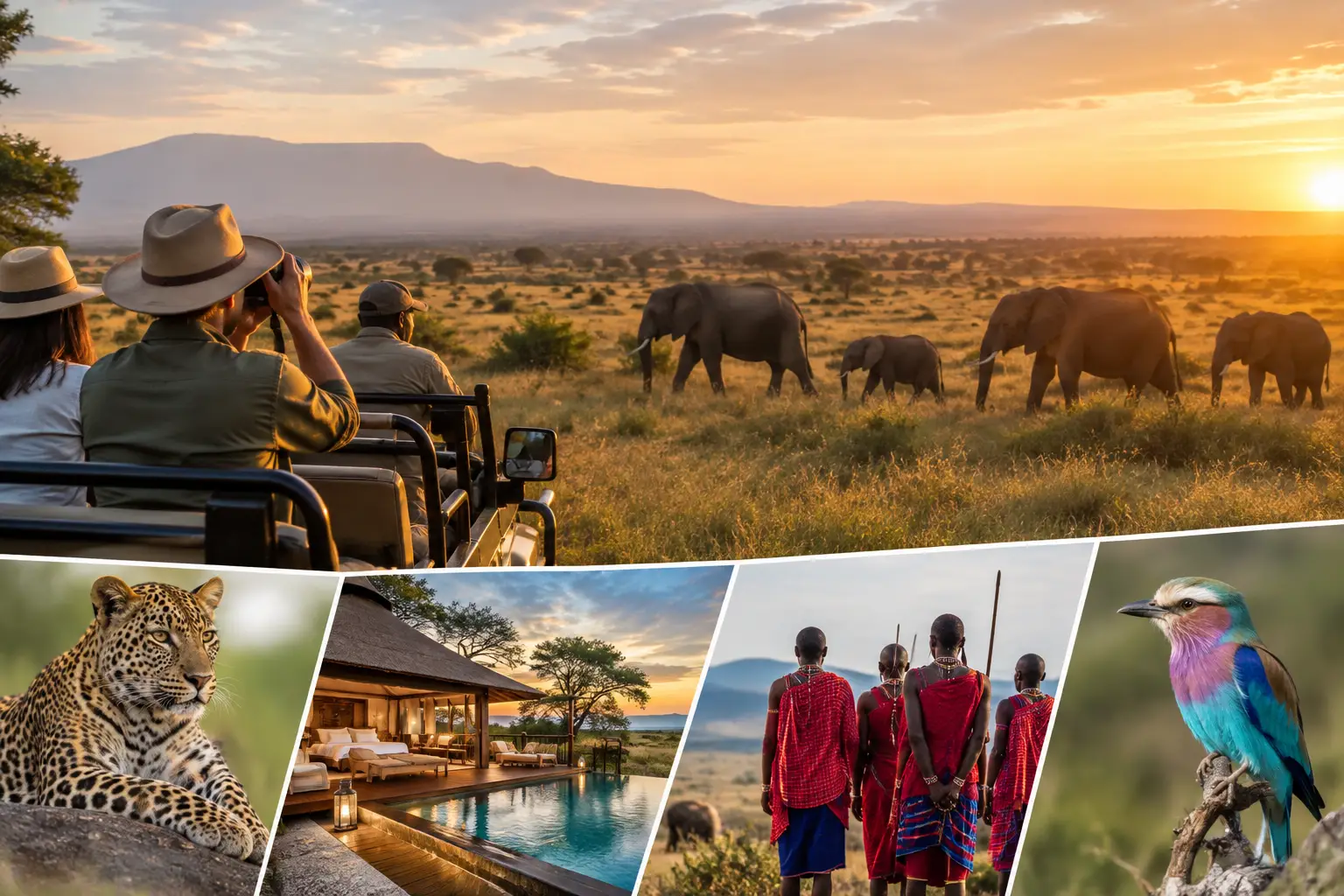
A Serengeti safari is often imagined as one long drive across grasslands, but the experience changes dramatically with where you sleep, how many nights you allow, and when you travel. The best Serengeti itinerary examples are not copied from a fixed template. They follow the seasonal movement of wildlife, leave room for unhurried game viewing, and match the journey to the travelers in the vehicle.
For most luxury travelers, three nights is the minimum that makes a Serengeti stay feel worthwhile. Four or five nights allow the landscape to reveal itself at a more natural pace: an early morning with lions, an afternoon following a leopard through riverine woodland, perhaps a private bush breakfast after a productive drive. Add time in Ngorongoro, Tarangire, or Rwanda, and Tanzania becomes part of a wider African journey rather than a stand-alone safari.
What Shapes a Serengeti Itinerary?
The Serengeti is immense, and choosing a camp is as important as choosing the number of days. The Central Serengeti, around Seronera, offers strong year-round resident wildlife and is a practical base for first-time safari travelers. The Northern Serengeti becomes especially compelling from roughly July through October, when the migration may gather near the Mara River and dramatic crossings are possible. In the south, the Ndutu plains are a remarkable choice from December through March, when vast herds calve and predators are never far away.
Migration timing is never guaranteed. Rainfall, grazing conditions, and the animals themselves determine where the herds move. A carefully designed itinerary therefore prioritizes excellent wildlife areas and guiding rather than promising a single spectacle on a certain day. Travelers hoping to see river crossings should also understand the trade-off: northern camps can be in high demand during peak migration months, while the Central Serengeti may offer exceptional sightings with fewer long-distance transfers.
Flights matter, too. Light aircraft can connect safari areas efficiently, preserving valuable time for the wilderness. A private road transfer can be rewarding when travelers want to experience changing landscapes, but a full-day drive should be chosen intentionally, not treated as an incidental detail between camps.
Serengeti Itinerary Examples for Different Travelers
1. Four Nights for a First Tanzania Safari
This is a focused itinerary for couples, honeymooners, or families who want a refined first encounter with the Serengeti without changing camps repeatedly. Arrive in Arusha, settle into a tranquil lodge, and begin the next morning with a scenic transfer or flight into the Central Serengeti.
Spend four nights at one thoughtfully chosen tented camp or lodge in the Seronera area. Morning and late-afternoon game drives create the foundation of each day, while the middle hours remain open for lunch, rest, and time to absorb the atmosphere of camp. Depending on the property and park regulations, private vehicles, sundowners, or a bush meal can add a more personal dimension.
This itinerary works well year-round because resident lions, leopards, elephants, buffalo, and plentiful plains game are regularly found in the central region. It does not try to cover every corner of the park. Instead, it gives guests enough time to follow sightings patiently and enjoy the comfort of one exceptional base.
2. Seven Nights Across Ngorongoro and the Serengeti
For travelers with a full week, combining the Ngorongoro Conservation Area with the Serengeti offers a richer understanding of northern Tanzania. Begin with two nights near Ngorongoro, where the highland air, volcanic landscapes, and crater descent provide a striking contrast to the open plains ahead. The crater supports an extraordinary density of wildlife, but it is a day-trip environment with designated driving routes and more vehicles than a private concession experience.
Continue for three nights in the Central Serengeti, ideally with a route that passes through the dramatic kopjes and grasslands between Ngorongoro and Seronera. These ancient granite outcrops are more than beautiful landmarks: they are favored resting places for lions and vantage points for cheetahs.
Finish with two nights in a second Serengeti location chosen for the season. In the green season, this may be the southern plains around Ndutu. From July to October, it may be the north, where rolling savanna meets wooded river corridors. This approach minimizes the temptation to rush through game drives while still revealing the Serengeti’s scale and variety.
3. Eight Nights for the Great Migration Season
When the migration is the central purpose of the trip, flexibility is more valuable than a rigid route. An eight-night itinerary can begin with two nights in the Central Serengeti, then continue to a mobile-style or permanent luxury camp positioned close to the herds’ likely location for that month.
From December through March, travelers may spend five or six nights in the southern Serengeti or Ndutu, where wildebeest calving creates a powerful concentration of life. The visual drama is not limited to newborn animals. Cheetahs scan the short grass, hyenas patrol at dusk, and lions work the edges of the herds. It is an exceptional period for photographers and guests who value intimate predator-prey encounters.
From July through October, the same length of stay can be divided between the Central and Northern Serengeti. Four or five nights in the north provide the patience needed for river activity. Crossings can happen quickly, remain quiet for hours, or occur beyond the view of a vehicle. Staying longer shifts the experience from waiting for an event to appreciating the complete ecosystem: giraffes in acacia country, elephants along the river, and the daily movement of migratory herds.
A migration-focused journey benefits from camps with knowledgeable guides, flexible game-drive schedules, and strong operational communication. Conditions can change overnight. The ability to adjust a flight, move a game drive earlier, or follow a promising wildlife report is part of what makes a tailored safari feel effortless.
4. Twelve Nights: Tanzania, Botswana, and Victoria Falls
Experienced safari travelers often want contrast rather than simply more nights in one park. A 12-night journey can pair four nights in the Serengeti with three nights in the Ngorongoro highlands or Tarangire, then connect through Southern Africa to Botswana’s Okavango Delta and Victoria Falls.
The Serengeti brings vast horizons and classic predator viewing. Botswana then changes the rhythm completely: mokoro excursions in seasonal floodwaters, quiet waterways alive with birdlife, and game drives through the Delta’s mosaics of islands and grassland. A finale near Victoria Falls introduces one of Africa’s great natural landmarks, with options for a private river experience, a scenic helicopter flight, or simply time to enjoy the spray and scale of the falls.
This itinerary suits travelers who value varied landscapes, intimate luxury camps, and meticulous coordination across several countries. It requires thoughtful flight planning and well-paced transitions, especially for guests arriving from North America. Done well, no destination feels like an add-on. Each one expands the story of the journey.
How Many Nights Should You Spend in the Serengeti?
Three nights can work within a broader East African itinerary, particularly when the Central Serengeti is the focus and internal flights are used wisely. Four nights is better for travelers who want a genuine sense of place. Five or more nights are ideal when migration viewing, photography, private guiding, or a second Serengeti region is important.
Families may prefer fewer camp changes and longer stays at properties with flexible family accommodations and guides who can tailor the pace. Honeymooners may prioritize privacy, a beautifully positioned suite, and time for relaxed afternoons between drives. Keen photographers often benefit most from longer stays and a private vehicle, which allows attention to light, behavior, and composition rather than a shared schedule.
The Details That Turn a Route Into a Journey
A successful Serengeti itinerary balances ambition with breathing room. There is little value in adding a distant region if it means spending every other day in transit. The best camp sequence considers seasonal wildlife patterns, flight schedules, room categories, dietary needs, and the small personal preferences that shape how guests feel in a place.
Responsible choices belong in this process as well. Selecting camps that employ locally, support conservation initiatives, reduce unnecessary waste, and respect wildlife viewing distances helps ensure that a remarkable safari contributes positively to the landscapes and communities that make it possible.
At Chloorokop Travel & Tours, Tanzania can be designed as a meaningful East Africa extension within a wider, personally managed African journey. The right itinerary is not the one that includes the most pins on a map. It is the one that gives you time to be present when the Serengeti becomes quiet, the light turns gold, and the next wildlife encounter arrives on its own terms.