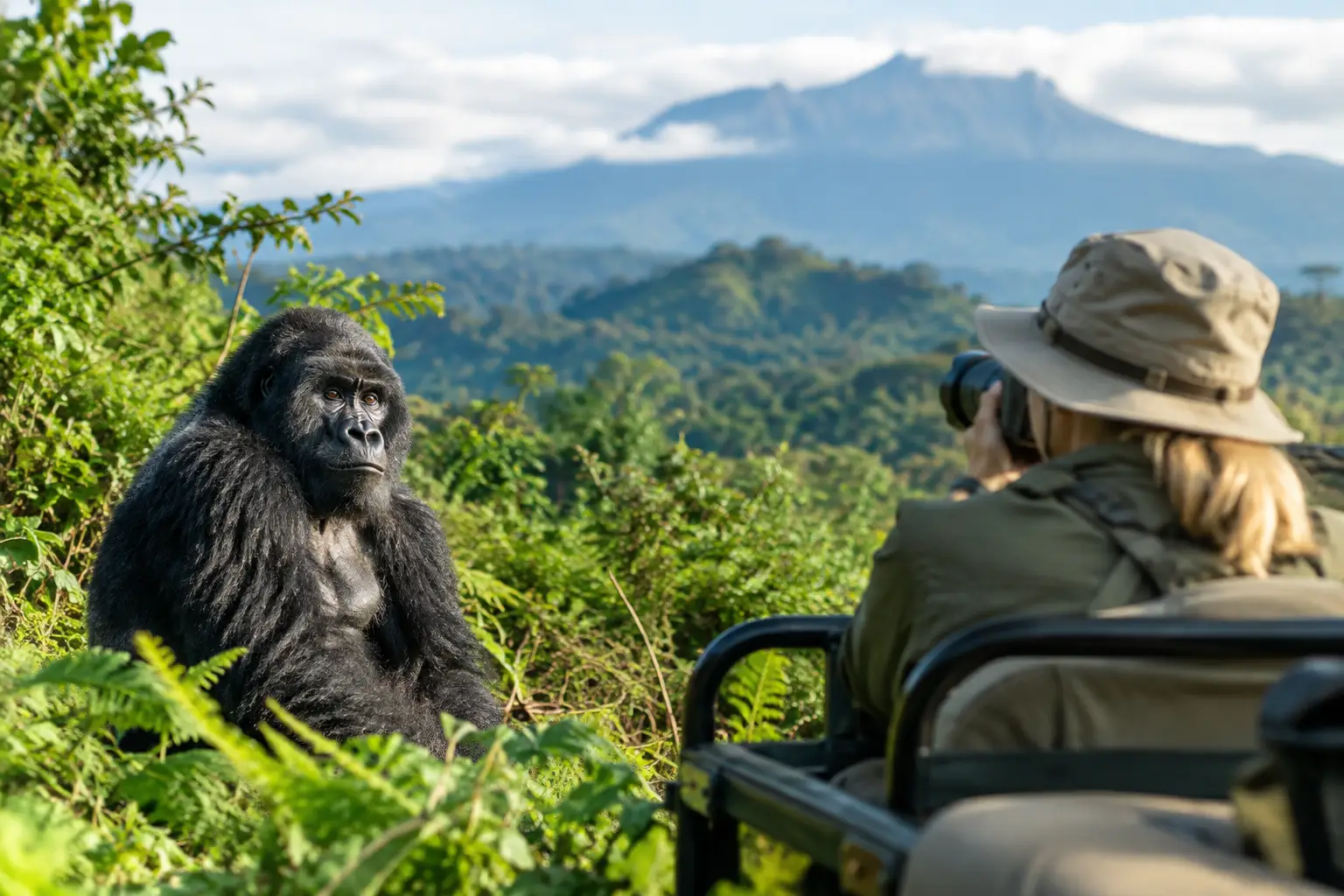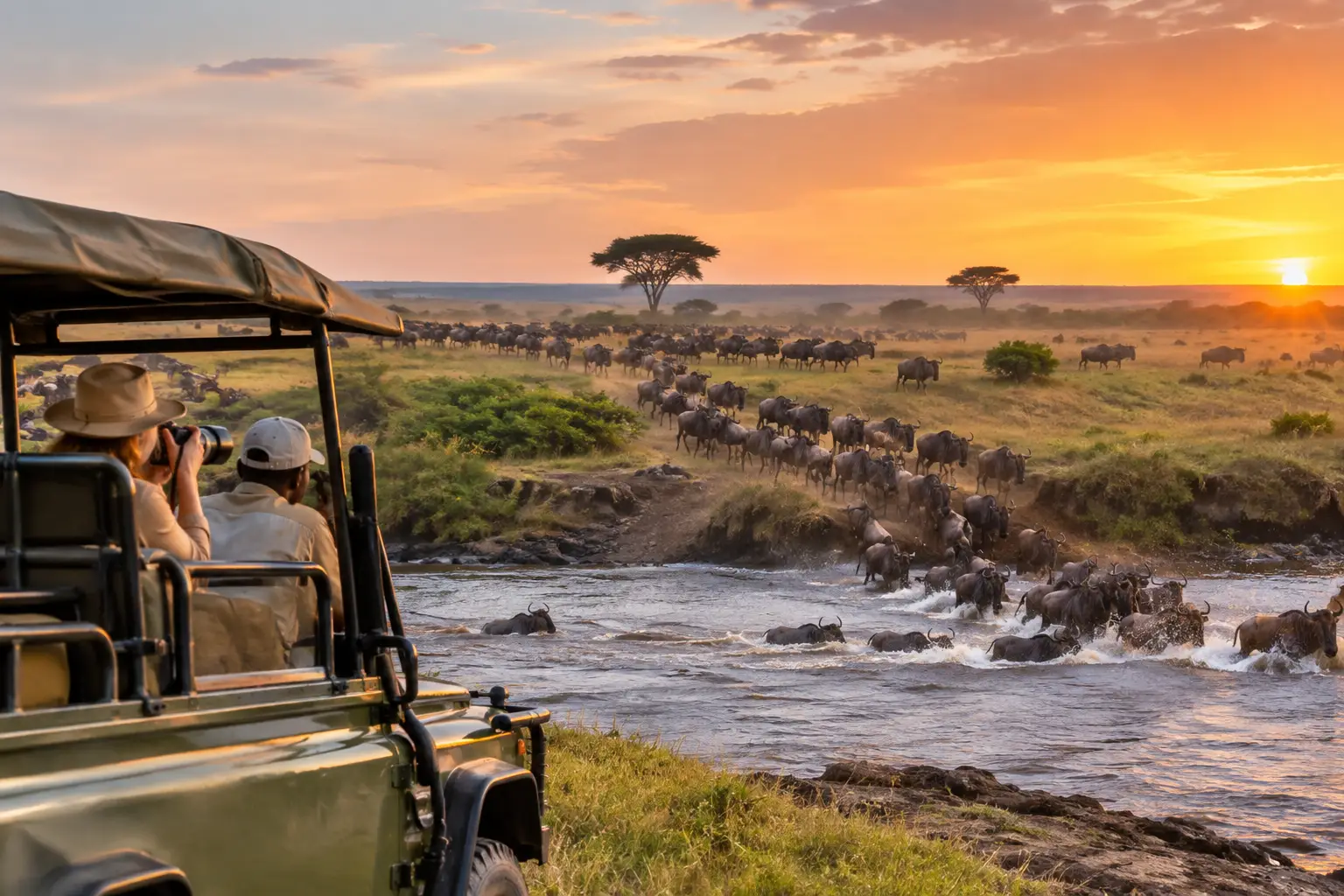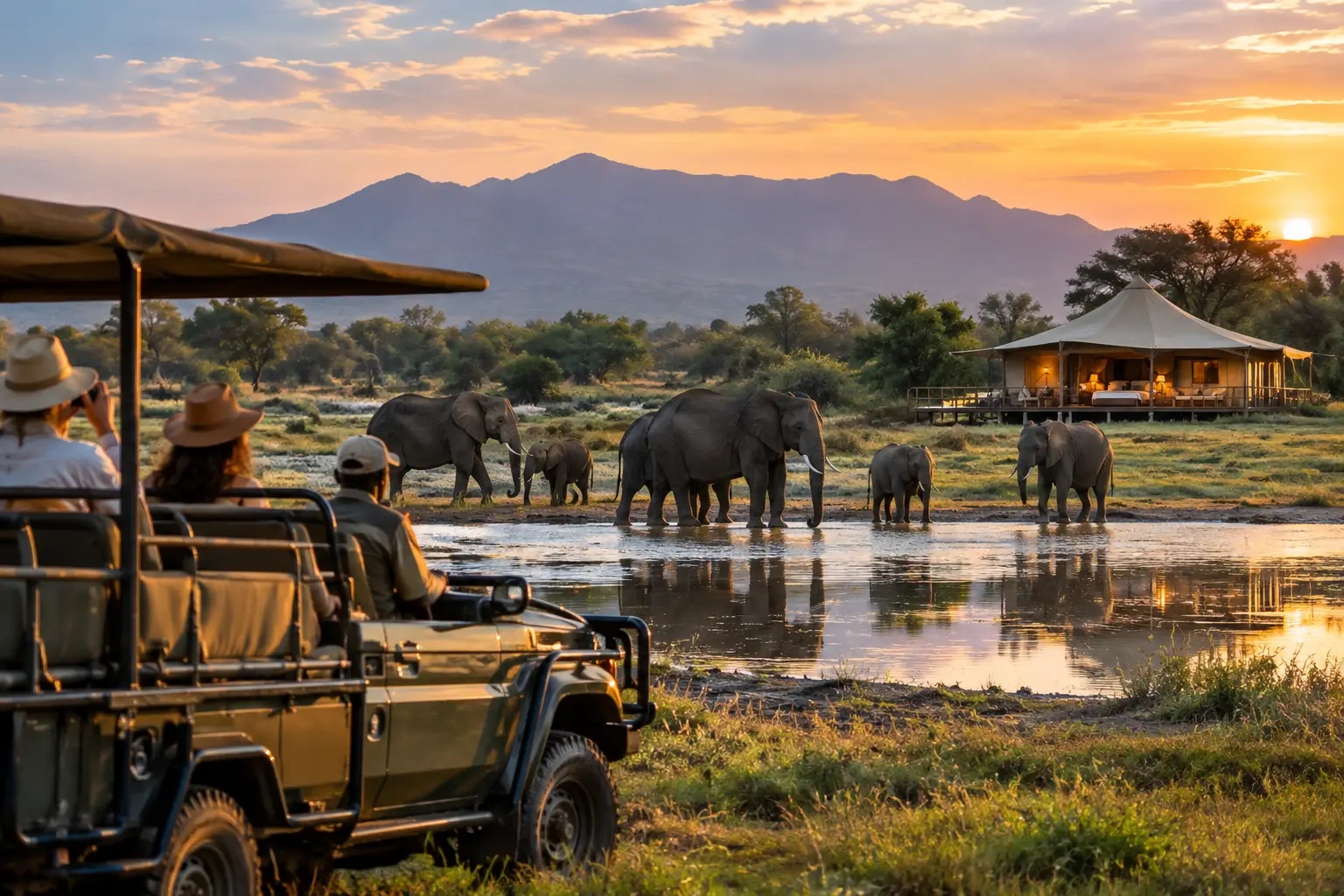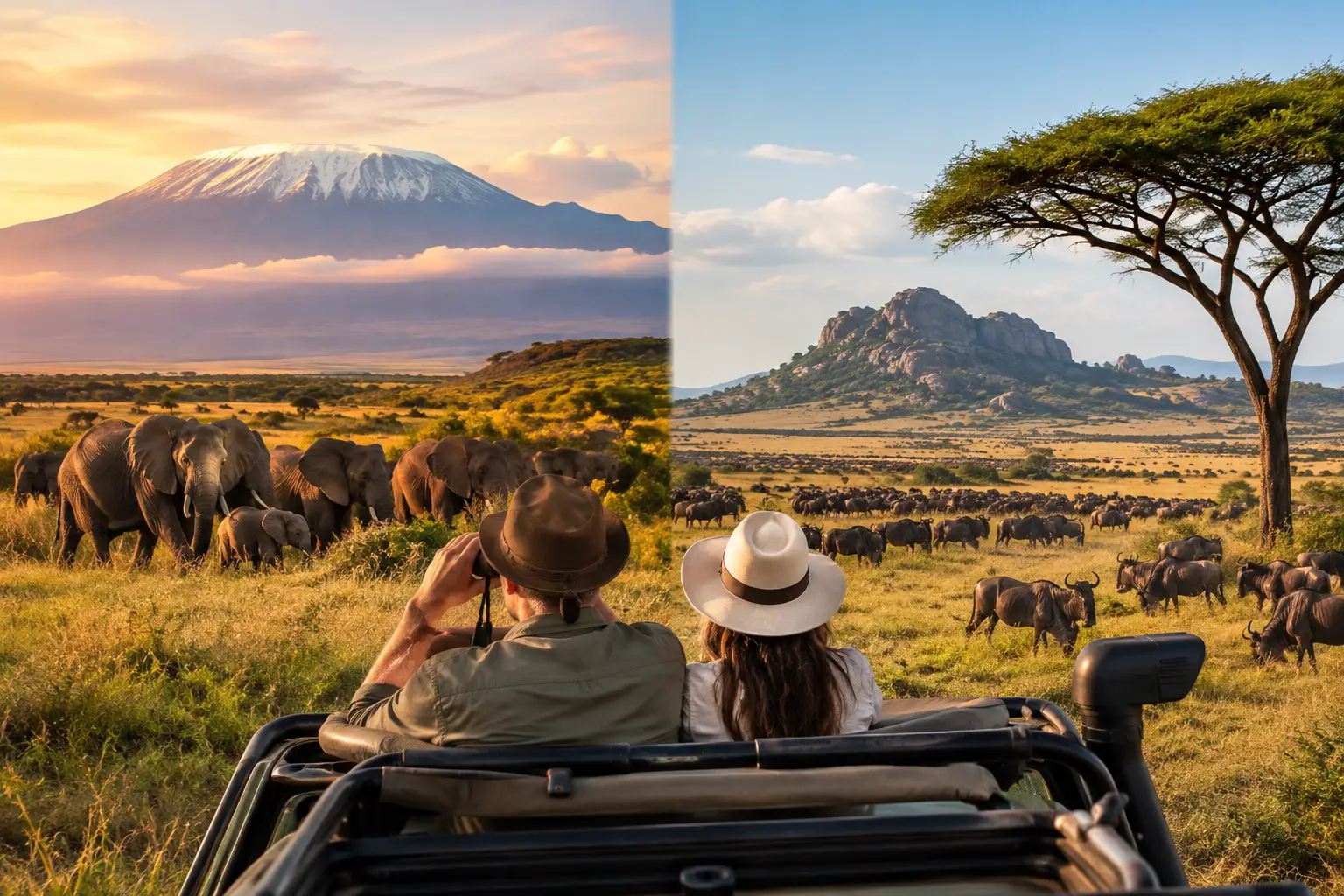
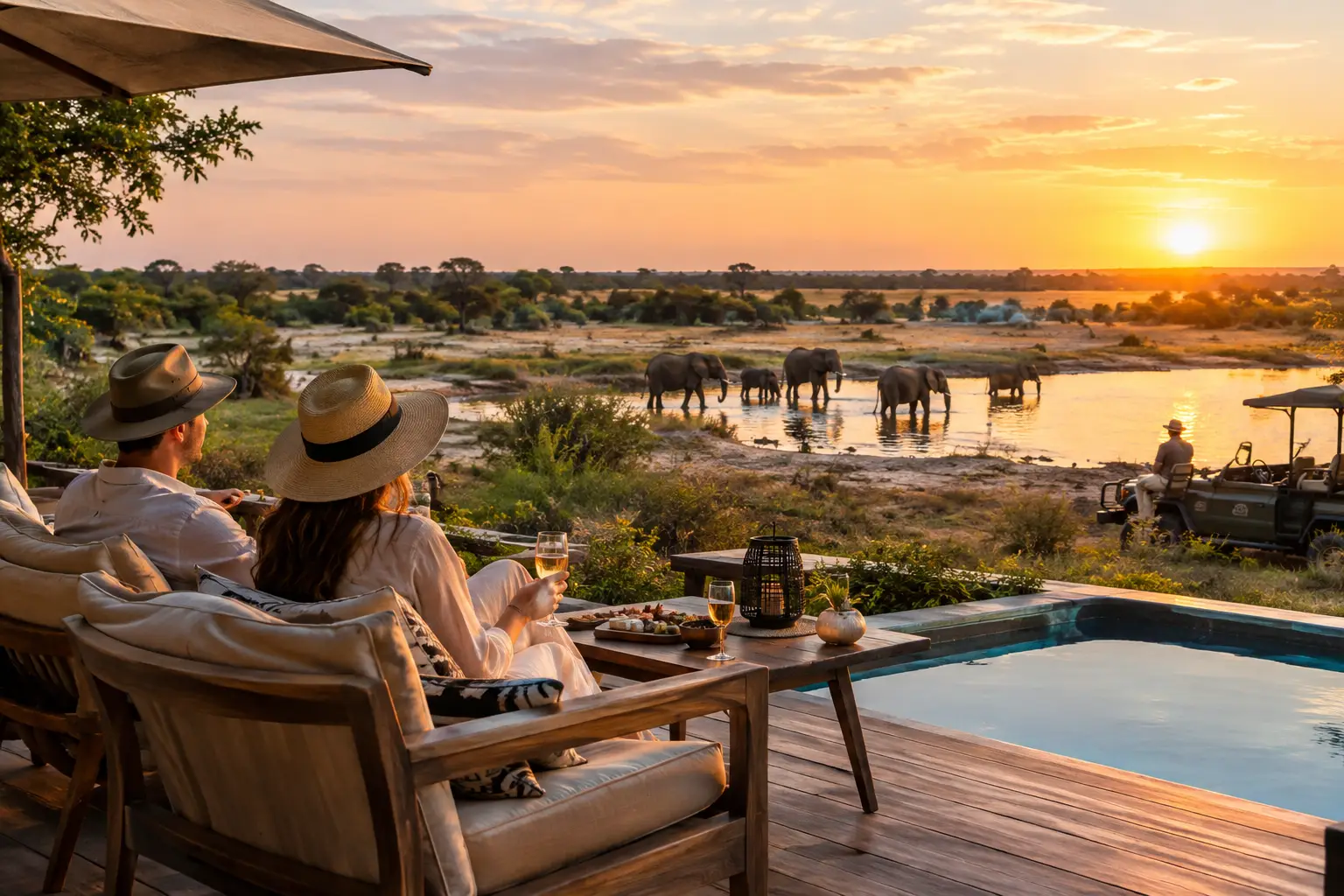
The most compelling luxury travel trends are less about adding more to an itinerary and more about making every moment count. For travelers looking toward Africa, luxury increasingly means waking to hippos in a Delta channel, spending an unhurried afternoon with a private guide, and knowing that the journey has been designed around their own pace, interests, and sense of purpose.
For Botswana and the wider continent, this shift feels especially natural. These are destinations where space, silence, expert interpretation, and genuine connection have always mattered. The difference is that discerning travelers now expect those elements to be thoughtfully coordinated, from the first arrival transfer to the final night under southern skies.
Luxury Travel Trends: Privacy With Real Presence
Privacy remains one of the strongest forces shaping high-end travel, but it is no longer simply about being removed from other people. Travelers want room to be together, the freedom to change a plan when a leopard is on the move, and the confidence that someone is managing the details quietly in the background.
In Botswana, private concessions, intimate camps, and exclusive-use villas can create that rare sense of being alone in a vast landscape without feeling disconnected. A family may choose a private vehicle so young children can follow their own rhythm. Honeymooners may prefer a camp where the day can unfold without a fixed schedule. Photographers may need a specialist guide, additional time at sightings, and the ability to remain out after other vehicles return to camp.
This is not the right approach for every traveler. Some guests enjoy the sociability of a small shared camp and the spontaneous conversations around a fire. The best itinerary considers where privacy adds value and where a shared experience can enrich the journey.
Private Guiding Is Becoming the Experience
A beautiful lodge is only part of a luxury safari. The person helping guests read the bush often becomes the lasting memory. Private guiding allows an itinerary to respond to the day: following fresh wild dog tracks in the Khwai area, lingering with elephant families in Chobe, or setting out before sunrise to photograph the soft light across the Makgadikgadi.
It also makes space for deeper interests. Birders can focus on seasonal migrations and less familiar species. Keen naturalists can explore tracks, plants, and predator behavior. First-time safari travelers can ask every question they have, without feeling rushed. Luxury, in this setting, is the privilege of attention.
Purpose Is Reshaping Luxury African Travel
Travelers are increasingly asking what their journey supports, who benefits, and how their presence affects the places they visit. Responsible tourism is not an add-on to luxury travel. In Botswana, it is closely tied to the future of the wildlife, waterways, landscapes, and communities that make a safari meaningful.
A well-considered itinerary can favor camps that employ locally, support conservation partnerships, reduce environmental impact, and create respectful opportunities for cultural exchange. It may include time with community-led initiatives, a visit shaped by local knowledge, or a guide whose storytelling brings regional history into view.
The distinction matters. Meaningful cultural experiences should never feel staged or intrusive. They require sensitivity, good local relationships, and an understanding that communities are not a backdrop for a vacation. Done well, they add context to the wilderness experience and create a more honest connection to place.
Conservation Is Part of the Journey
Botswana’s low-volume, high-value approach to tourism has helped protect extensive wilderness areas while supporting employment and conservation funding. Travelers can see the results in destinations such as the Okavango Delta, Linyanti, Moremi Game Reserve, and the Central Kalahari, where vast landscapes still allow wildlife to move across meaningful distances.
That does not mean every property or activity has the same impact. Choices around camp operations, aviation, water use, waste, and community partnerships all deserve consideration. A knowledgeable Africa specialist can match travelers with experiences that reflect their values without reducing a safari to a lesson in logistics.
Wellness Has Moved Into the Wild
Wellness travel is becoming less about a spa menu and more about restoration. Africa offers an unusually powerful setting for it: early morning light, long horizons, fresh air, time away from constant notifications, and days shaped by nature rather than a calendar.
For some travelers, wellness means a massage after a morning game drive and a private deck overlooking a floodplain. For others, it is a few quiet nights in the Kalahari, guided walking, meditation at sunrise, or a slower stay by the Indian Ocean after a safari. There is no single formula.
Safari-and-beach journeys remain particularly appealing for couples and families who want both adventure and rest. Botswana can pair beautifully with Victoria Falls, Cape Town and the Winelands, Mozambique, Mauritius, or selected East African destinations. The key is not to add destinations simply because they are available. Each transition should serve the traveler, whether that means rest, contrast, celebration, or a particular wildlife goal.
Slower Itineraries Create Better Memories
One of the most welcome luxury travel trends is a move away from constant movement. A journey with too many flights and one-night stops can feel impressive on paper yet leave little time to settle into a place.
For an Okavango Delta safari, three nights in one area may reveal changing animal behavior, weather, and light that a brief stay would miss. For a family, fewer camp changes often mean calmer days and more time for children to become comfortable in the bush. For a couple celebrating a milestone, a longer stay can turn a trip into a genuine pause from ordinary life.
There are exceptions. Travelers with limited time may prefer a carefully paced highlights itinerary, and experienced safari guests may be eager to compare several ecosystems. What matters is balancing variety with immersion.
Multi-Generational Travel Needs More Flexibility
Luxury family travel is also evolving. Parents and grandparents are investing in shared journeys that give different generations a story to carry home together. A safari is particularly suited to this, provided the planning accounts for differing energy levels, interests, and comfort needs.
Exclusive-use accommodations can make a major difference, giving a family their own guide, vehicle, dining schedule, and private space between activities. Some guests may want an active morning on the water in the Delta, while others may prefer a relaxed game drive and an afternoon by the pool. Thoughtful ground handling makes those choices possible without making the journey feel fragmented.
Intergenerational travel also benefits from carefully selected camps. Not every wilderness experience is appropriate for every age, and the right fit depends on minimum-age policies, activity options, room configurations, transfer times, and the family’s confidence in remote settings. These details are where destination expertise becomes essential.
What These Trends Mean for Planning a Safari
The most successful luxury journeys begin with better questions, not a fixed list of famous places. Do you want water-based safari experiences, big cat viewing, wide-open desert, photographic access, cultural context, or restorative time at the coast? Is this a first safari, a honeymoon, a family celebration, or a return to Africa with more specific interests?
Seasonality matters as much as style. The Okavango Delta’s floodwaters, Chobe’s dry-season elephant concentrations, the zebra migration around the Makgadikgadi, and green-season birding each create different opportunities. There is no universal best time to travel, only the right time for the experience a guest values most.
Planning early is wise for sought-after camps, private-use options, and travel during popular holiday periods. Yet flexibility can be valuable too. A skilled itinerary designer can often identify excellent alternatives when preferred dates or properties are unavailable, without compromising the character of the journey.
At Chloorokop Travel & Tours, this is the work behind every tailor-made African journey: listening carefully, applying local Botswana knowledge, coordinating trusted regional partners, and shaping each detail around the people traveling.
The future of luxury travel is not louder, faster, or more crowded. It is personal, considered, and rooted in place. Choose a journey that gives you time to look closely, travel respectfully, and leave Africa with more than photographs.