A private concession safari changes the rhythm of Botswana. Instead of sharing wildlife sightings with a long line of vehicles, you may follow fresh leopard tracks beyond the main roads, stop for sundowners where the light is best, or return from a night drive beneath a sky untouched by city glow. Knowing how to book private concessions begins with understanding what privacy means on the ground – and choosing the right style of access for the way you want to travel.
In Botswana, private concessions are generally large wildlife areas managed by safari operators under leases that support conservation and, in many cases, neighboring communities. They sit beside or within major wilderness ecosystems such as the Okavango Delta, Moremi, Khwai, Linyanti, Savuti, and the Kalahari. The experience can be remarkably exclusive, but it is not always the same as reserving an entire camp for your party.
What a Private Concession Actually Includes
A private concession is a low-density safari area, not automatically a private camp. Guests typically share the concession with a limited number of other camps or vehicles, subject to the operator’s rules. The difference is meaningful: access is restricted, vehicle numbers are controlled, and activities may extend beyond what is permitted in national parks.
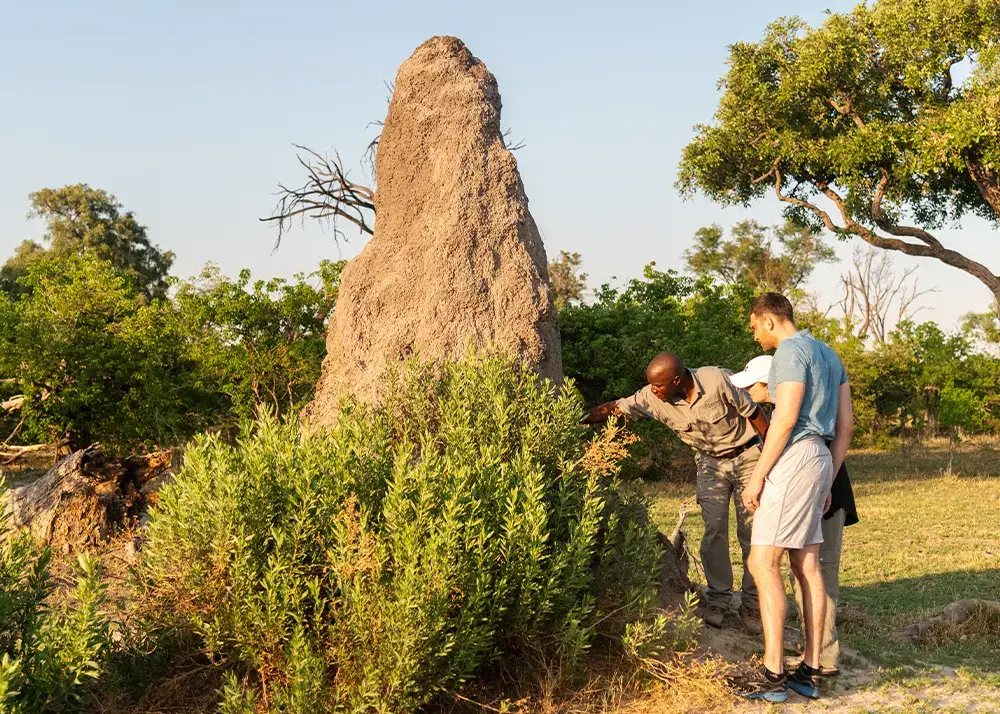
Depending on the concession and season, this can include off-road tracking for certain sightings, guided walks, night drives, mokoro excursions, boating, fishing, or sleep-outs. Regulations differ from one area to another. A water-based camp in the Delta may offer exceptional mokoro and boating experiences but limited land activities during high floodwaters, while a dry woodland concession in Linyanti may be especially rewarding for night drives, elephant encounters, and predator tracking.
For travelers who want complete privacy, the arrangement to request is an exclusive-use camp, villa, or mobile safari. This gives your family, friends, or travel party sole use of the accommodation and usually a dedicated vehicle and guide. It comes at a higher investment, but it creates the greatest flexibility around wake-up times, meals, activities, and the pace of each day.
How to Book Private Concessions With the Right Expectations
The best bookings start with a conversation about your preferred safari, not simply a lodge name. A honeymoon couple may value a quiet tented camp, private dining, and unhurried time around a waterhole. A multigenerational family may need interconnecting tents, flexible meal times, child-friendly guiding, and a private vehicle. A wildlife photographer may prioritize a specialist guide, doors-off opportunities where available, and multiple nights in predator-rich terrain.
Share the details that genuinely shape the experience: travel dates, number of guests, ages of children, interests, desired level of privacy, and whether you prefer polished contemporary design or a more classic, wilderness-led camp. Also mention any non-negotiables, such as walking, birding, photography, fishing, or celebrating an occasion. A well-designed itinerary uses these details to select the right concession rather than treating every private area as interchangeable.
Ask Whether You Need a Private Vehicle or Exclusive Camp
This is one of the most useful distinctions to make early. A private vehicle can be ideal for couples who want freedom over their daily schedule or photographers who may spend hours at a single sighting. It also allows a family to travel at its own pace without feeling rushed.
Exclusive camp use adds another layer of discretion. It is particularly suited to families, milestone celebrations, small private groups, and travelers who prefer their own guide team and shared spaces. Yet exclusivity is not always necessary. For two travelers, a small high-quality camp in a genuinely low-density concession can still feel deeply personal, while allowing the atmosphere of a traditional safari camp.
Match the Concession to the Season
Botswana’s safari seasons are shaped by rainfall, flood levels, vegetation, animal movements, and your personal priorities. The dry season, roughly May through October, is often associated with strong wildlife concentrations around permanent water, especially in Chobe, Linyanti, and parts of the Delta. It is also a popular period for travelers who prefer clear skies and cooler mornings.
Green season, generally November through March, brings dramatic skies, migratory birds, newborn animals, and lush landscapes. It can be outstanding for photography and for travelers who enjoy a quieter, more atmospheric safari. Rain may influence light aircraft schedules and road conditions, but a thoughtfully planned itinerary accounts for these realities rather than treating them as drawbacks.
The Delta is especially nuanced. Floodwaters usually arrive from Angola months after local rains, so the water experience does not follow a simple calendar. A specialist Botswana planner can explain whether your preferred camp is likely to be land-focused, water-focused, or a balance of both during your travel window.
Choose Location for the Experience, Not the Label
The Okavango Delta is often the first choice for a first-time Botswana safari, and for good reason. Its channels, islands, floodplains, and palm-lined waterways create a distinctive sense of arrival. Private Delta concessions can combine game drives with mokoro excursions, boating, and intimate camp settings, although exact activities depend on water levels and the concession’s location.
For large elephant herds and dry-season drama, Linyanti and Chobe’s private areas offer a different kind of wilderness. These regions are known for open riverfront landscapes, woodland, strong predator potential, and exceptional elephant viewing. Savuti appeals to travelers drawn to raw, changing landscapes and the possibility of big-cat action, while Khwai offers a productive mix of riverine habitat and varied safari activities near Moremi.
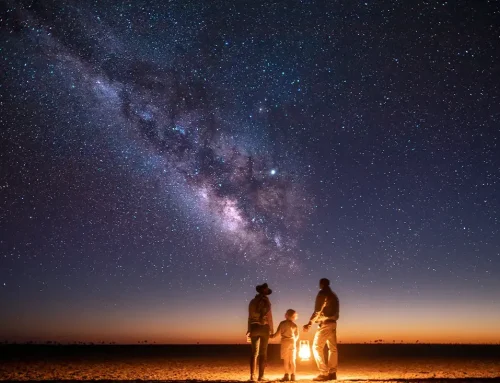
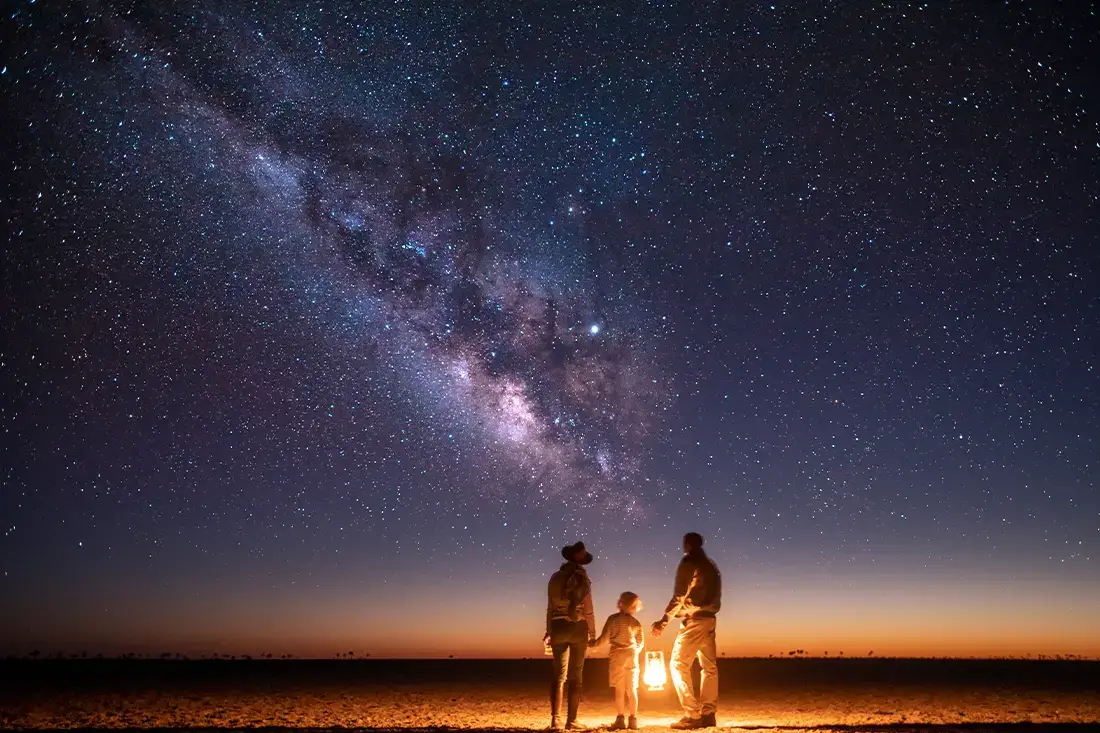
The Makgadikgadi and Central Kalahari invite a quieter, more elemental experience. Here, the luxury is often found in scale, silence, wide horizons, desert-adapted wildlife, and extraordinary night skies. These regions work beautifully as a contrast to the Delta, especially for returning safari travelers or those seeking a more contemplative African journey.
Confirm What Is Included Before You Commit
Luxury safari pricing commonly includes accommodation, meals, selected drinks, shared activities, and scheduled transfers, but inclusions vary. Private vehicles, premium beverages, helicopter excursions, spa treatments, conservation contributions, and charter flights may be additional. International flights and travel insurance are also usually arranged separately.
Ask for a clear itinerary that shows where you will sleep each night, how you will move between camps, which activities are included, and where private arrangements apply. In Botswana, small aircraft transfers are often part of the experience, linking remote concessions with views over waterways, floodplains, and elephant paths below. They also come with luggage limits that should be considered before packing.
It is wise to ask practical questions as well. Is the camp suitable for younger children? Are there steps, raised decks, or open waterways? Is the camp unfenced, meaning wildlife may pass through? What level of mobility is needed for mokoro transfers or light aircraft? Thoughtful answers allow the trip to feel effortless once you arrive.
Book Early, Especially for Exclusive Use
The most sought-after private concessions and exclusive-use camps have limited inventory by design. For peak dry-season travel, booking 10 to 14 months ahead is sensible, particularly for suites, family units, and holiday dates. Private groups may need even more lead time because every element – rooms, vehicles, guides, charter flights, and preferred activities – must align.
Traveling in shoulder or green season can offer more availability and a different character, but it should still be planned carefully. Rather than choosing dates only around availability, consider the wildlife story you want your journey to tell. A few extra nights in the right concession can be more valuable than moving rapidly between several regions.
Let Conservation Shape the Choice
Private concessions are not simply about fewer vehicles. When responsibly managed, they help finance wildlife protection, employ local residents, support skills development, and create economic value for keeping wild landscapes intact. The best safari choices balance comfort and access with respect for animals, habitats, and host communities.
Look for experiences that follow ethical wildlife-viewing practices: guides who do not pressure animals, camps that manage waste and water carefully, and operations that recognize community partnerships as central to long-term conservation. Responsible travel does not lessen the pleasure of a luxury safari. It gives that pleasure greater depth.
For travelers planning a Botswana-led journey with regional extensions, Chloorokop Travel & Tours can coordinate concession stays alongside Victoria Falls, Cape Town, Rwanda gorilla trekking, or an Indian Ocean beach retreat, while keeping every transfer and transition personally managed.
The right private concession does more than provide solitude. It gives you time – time to wait at a wild dog den, listen to the Delta after dark, and experience Botswana on terms set by the wilderness rather than a crowded itinerary.