The difference between a good safari and a deeply personal one is often decided before the first game drive. A thoughtful private safari comparison is not simply about choosing a vehicle reserved for your party. It is about deciding how you want to move through the wilderness, who interprets it for you, how much flexibility you need, and what kind of relationship you hope to have with Africa.
For couples celebrating a honeymoon, families traveling across generations, photographers waiting for the right light, or seasoned safari guests seeking quieter access, privacy changes the experience. Yet not every private safari is private in the same way. The right choice depends on your interests, preferred pace, destination, and the level of service that makes travel feel effortless.
What Does a Private Safari Actually Include?
At its simplest, a private safari gives your traveling party exclusive use of a guide, vehicle, or both. That can mean departing camp when you choose, lingering at a leopard sighting without consulting other guests, and shaping each day around young children, a photographer’s schedule, or a relaxed morning on the deck.
However, the arrangement varies significantly. Some lodges offer a private vehicle while guests still share the camp, dining spaces, aircraft transfers, and certain activities. At the more exclusive end, a private-use villa, mobile camp, or concession arrangement can create a fully tailored safari environment with dedicated staff, private dining, and complete control over daily activities.
Neither is automatically better. A couple may enjoy the intimate rhythm of a small luxury camp while wanting a private guide for selected days. A multigenerational family may value a private villa with its own lounge, plunge pool, chef, and vehicle. The important question is not, “Is it private?” but, “Which elements are private, and why do they matter to us?”
Private Safari Comparison: The Decisions That Matter
A meaningful comparison looks beyond room categories and nightly rates. These are the elements that shape the quality of time in the bush.
Guiding and flexibility
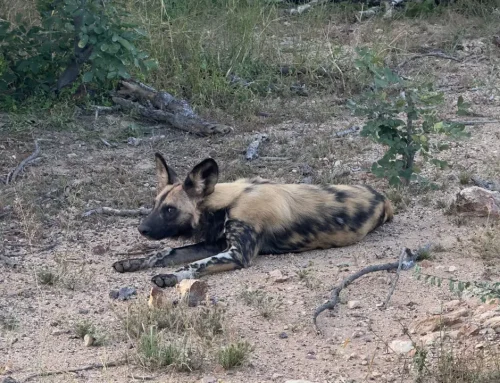
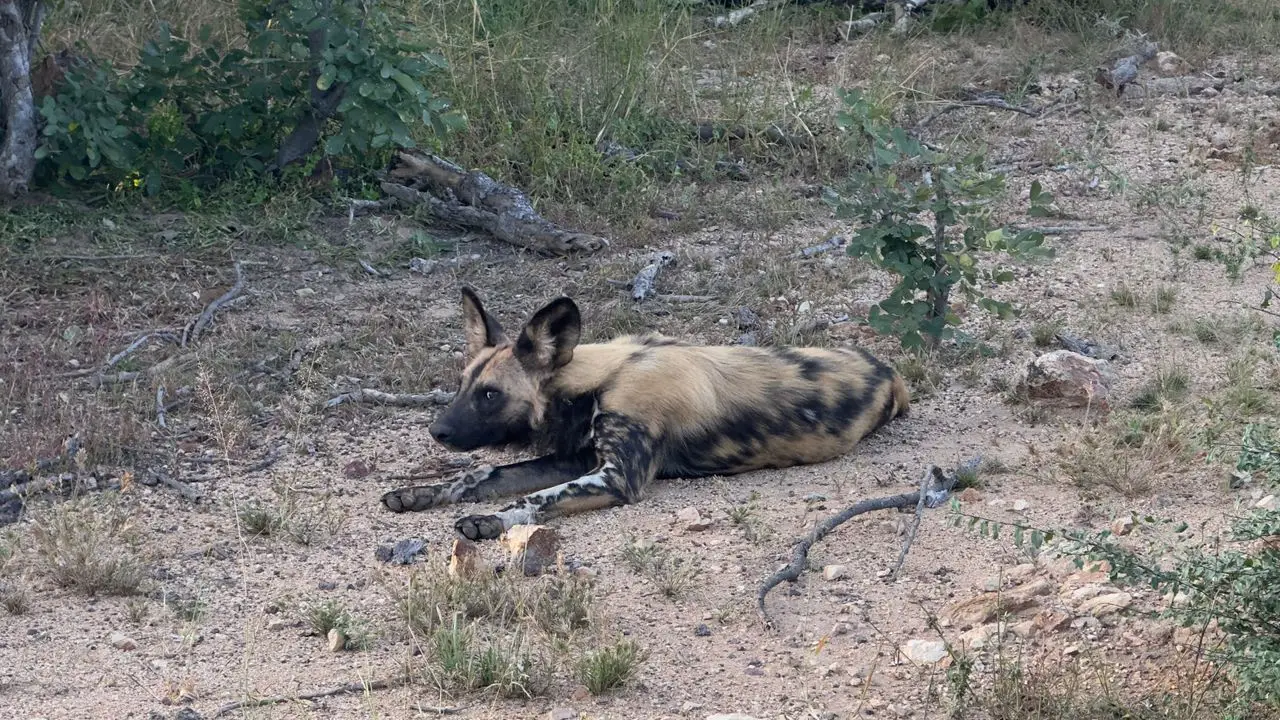
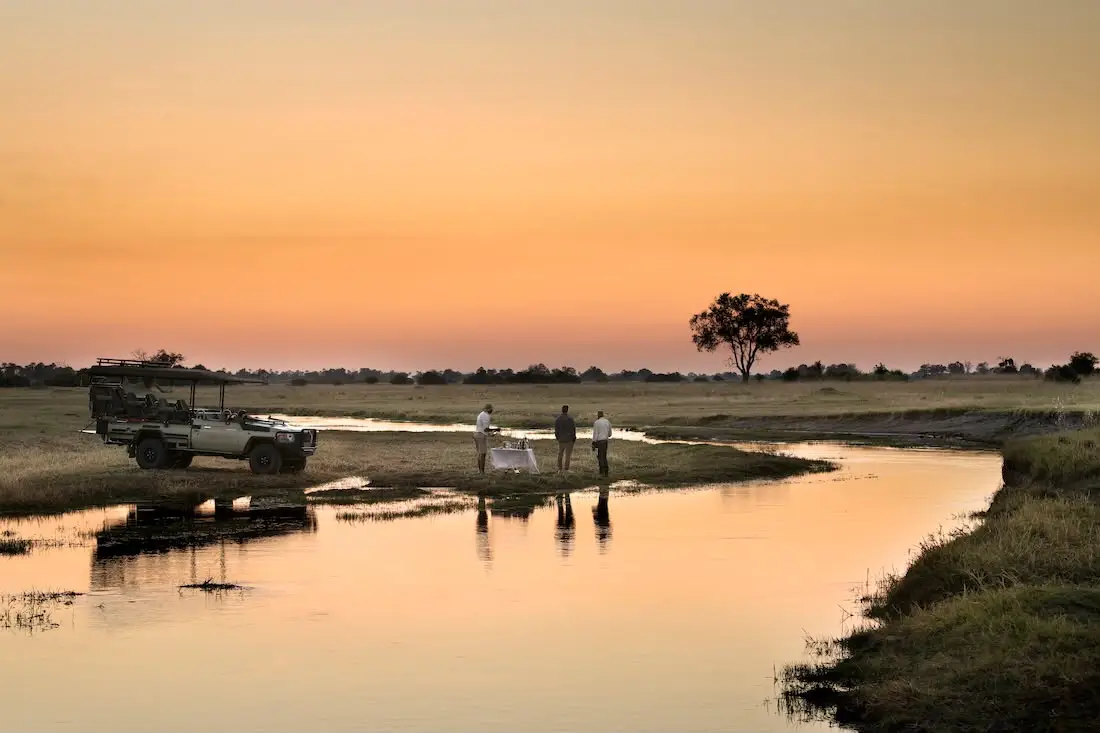
A private guide can transform a safari from a sequence of sightings into a journey built around your curiosity. In Botswana’s Okavango Delta, that may mean setting out early to follow fresh wild dog tracks, then returning to camp for a long brunch before an afternoon mokoro excursion. In the Central Kalahari, it may mean spending unhurried time with desert-adapted species and reading the subtle story of the landscape rather than chasing a checklist.
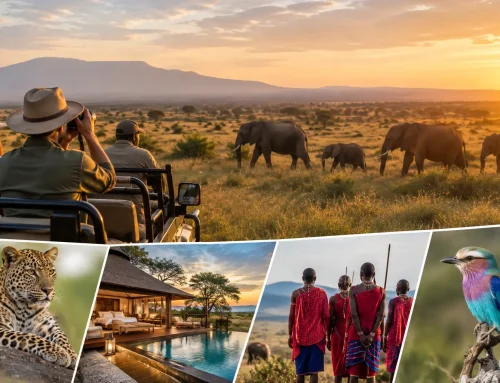
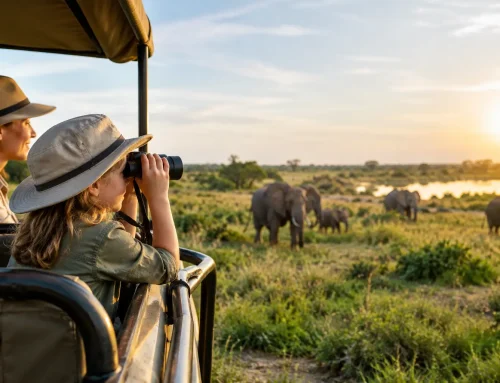
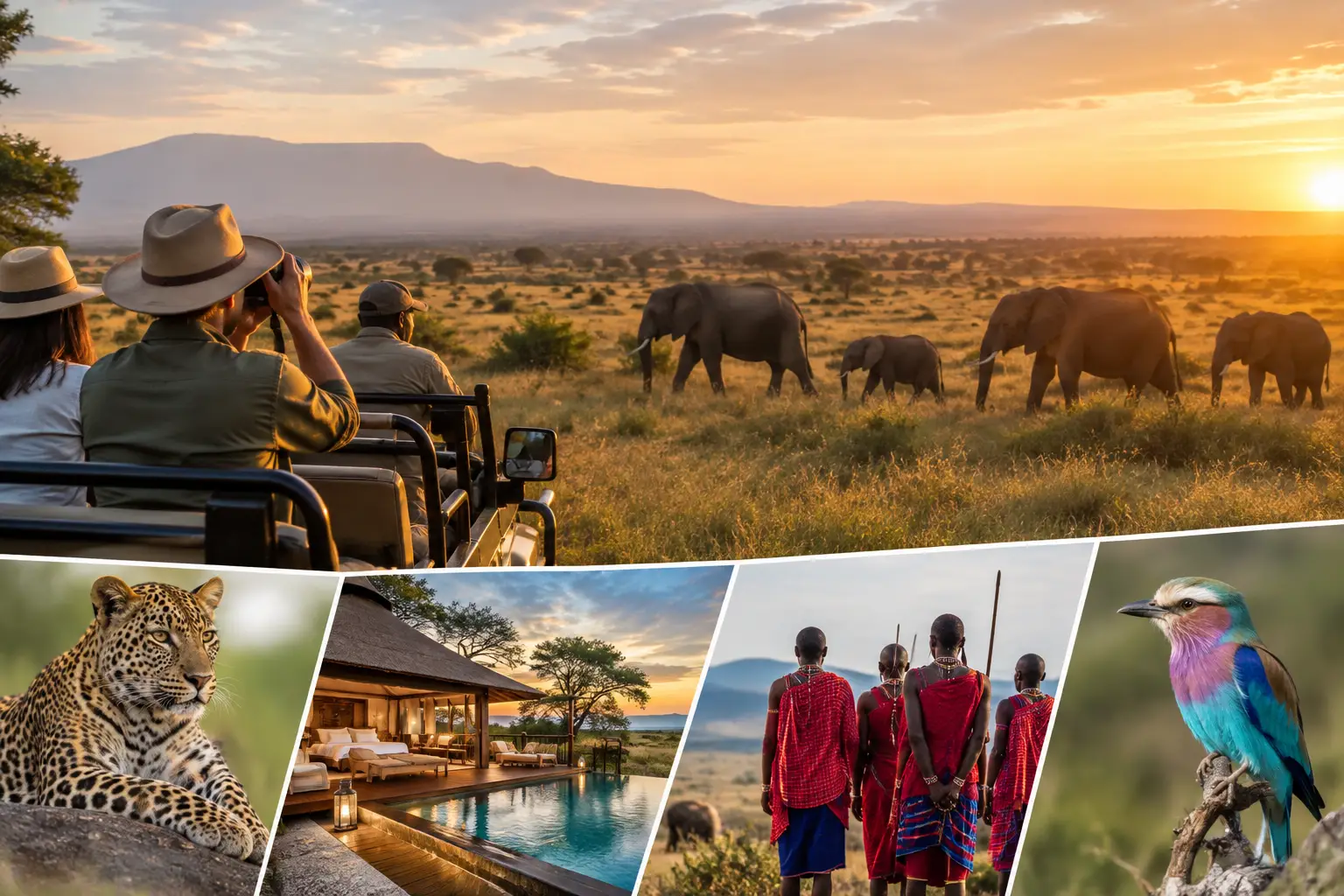
Shared drives can also be exceptional, especially in small camps where guides know how to balance different interests with grace. But a private vehicle gives you the freedom to choose the pace. Birders can focus on calls and habitat. Families can pause when children need a break. Photographers can wait for an elephant herd to cross a floodplain in soft evening light.
Ask whether the private guide remains with you throughout the itinerary or changes with each camp. Both models have strengths. A resident camp guide brings intimate knowledge of a particular concession, while a traveling specialist guide can provide continuity across several regions.
Where you can go
Privacy is also shaped by geography. Botswana’s private concessions offer a very different experience from more heavily used public areas. In places such as Khwai, Linyanti, and selected Delta concessions, off-road driving may be permitted under carefully managed rules, allowing guides to position vehicles respectfully for a better view. Night drives and guided walks may also be possible in certain private areas, adding dimensions that national park regulations may not allow.
Moremi Game Reserve and Chobe National Park deliver exceptional wildlife and iconic landscapes, but activity rules and vehicle access can be more structured. That does not diminish their appeal. Chobe’s riverfront, for example, is extraordinary from the water, while Moremi’s changing mosaics of woodland, lagoon, and floodplain are central to a classic Botswana safari. A well-designed itinerary often combines different settings rather than choosing one over the other.
The camp experience
A private-use residence and a small tented camp serve different kinds of luxury. A villa may suit guests who want complete seclusion, flexible mealtimes, family-friendly space, and personal staff. It is especially appealing for milestone celebrations or groups traveling together.
A small camp can feel equally exclusive in another sense: just a handful of suites, discreet service, a firelit dinner shared with fellow travelers, and conversations shaped by the day in the bush. For some guests, this social ease is part of safari’s enduring charm. For others, particularly honeymooners or families seeking uninterrupted time together, a fully private setting is worth prioritizing.
Consider the camp’s design as carefully as its amenities. In the Delta, raised decks and water views may be the dream. In the dry season, a camp overlooking an active waterhole can bring wildlife to your doorstep. In the Makgadikgadi, wide skies and salt-pan silence deliver a wilderness mood that is completely different from the lush channels of the Okavango.
Activities beyond the game drive
The finest itineraries use private access to create variety, not simply exclusivity. Depending on location and season, your days may include boating, mokoro excursions, walking safaris, helicopter scenic flights, fishing, sleep-outs, or time with community and conservation initiatives. These experiences should fit the place rather than be added merely to fill an itinerary.
Water-based activities in the Okavango are dependent on flood levels and camp location. Walking is often seasonal and guided by conditions. A responsible safari planner will explain these realities clearly, then design alternatives that preserve the spirit of the journey. Flexibility is a luxury, but honest planning is essential.
When a Shared Safari Can Be the Right Choice
A private safari is not the only route to a refined, personal experience. Many intimate Botswana camps host few guests and provide an attentive level of service as standard. Their guides are often deeply connected to the land, wildlife patterns, and local communities, while shared game drives can introduce guests to fellow travelers who share a genuine respect for the wilderness.
For a first safari, a small luxury camp with excellent guiding may be more valuable than a private vehicle at a less suitable property. If your priority is exceptional wildlife, a well-located camp in the right ecosystem can matter more than exclusivity alone. If privacy is important only for photography sessions, family outings, or special occasions, reserving a private vehicle for part of the stay may offer the best balance.
The answer depends on what you want to protect: your time, your space, your preferred pace, or a particular wildlife objective.
Comparing Private Safaris Across Africa
Botswana is particularly well suited to travelers seeking low-density wilderness and carefully managed safari experiences. Its remote camps, extensive conservation areas, and fly-in logistics create a sense of distance from ordinary life. But a private journey can also extend beautifully beyond Botswana.
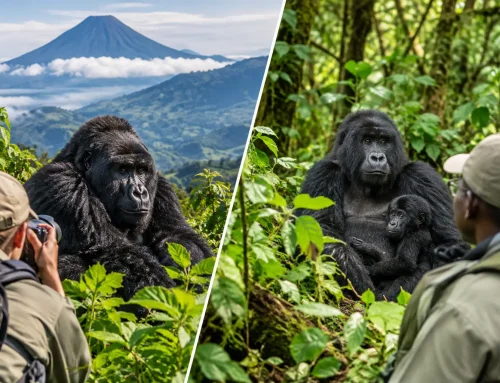
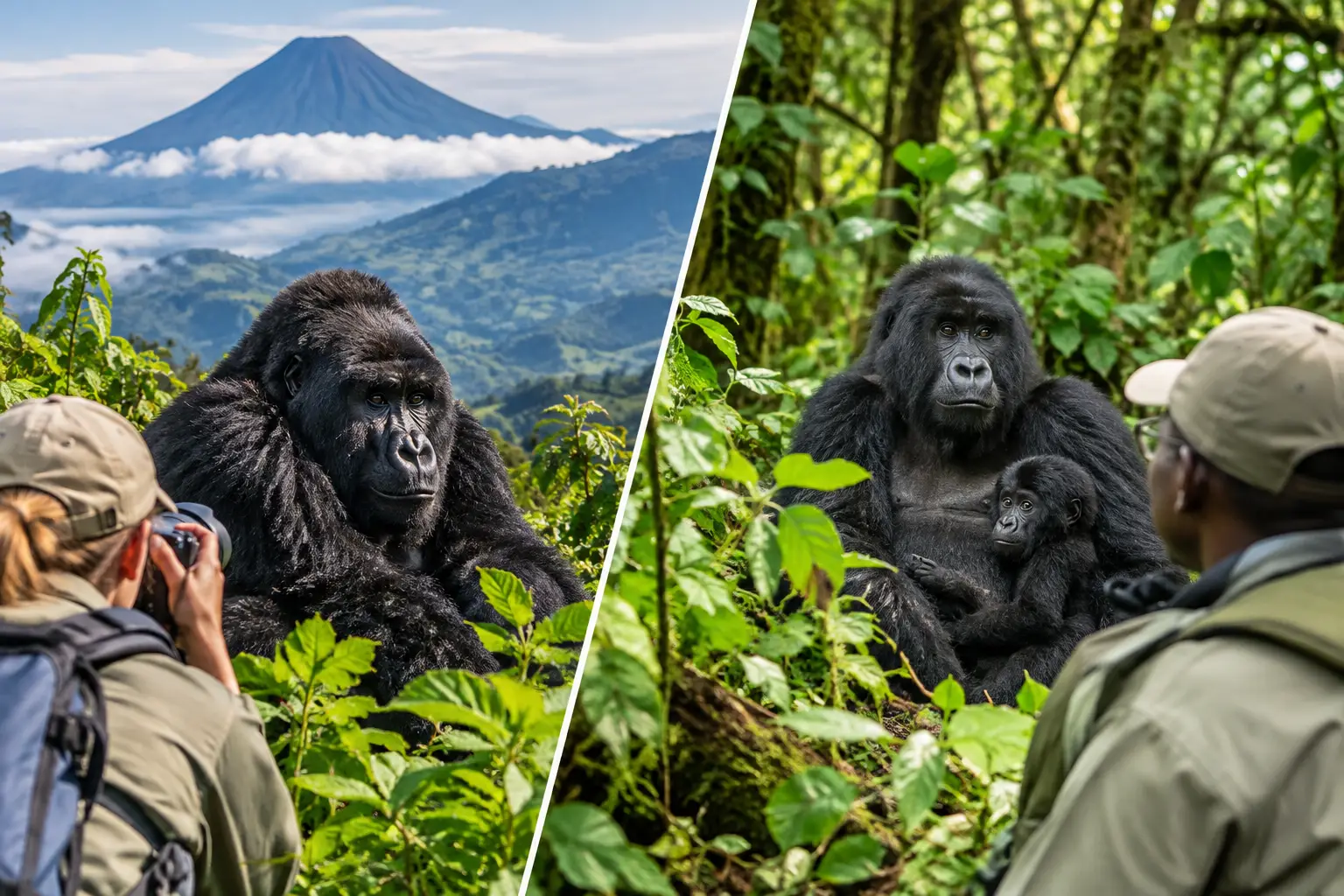
A Victoria Falls stay in Zimbabwe or Zambia can add dramatic landscapes and river-based experiences. South Africa may bring Cape Town, the Winelands, or a private reserve with excellent family facilities. Rwanda or Uganda can add gorilla trekking, while a safari-and-beach conclusion in Mozambique, Mauritius, or the Indian Ocean creates a gentler final chapter.
These combinations require more than matching destinations on a map. They require thoughtful pacing, realistic flight connections, luggage coordination, appropriate accommodation styles, and a clear understanding of where private guiding adds the most value. This is where a Botswana-based DMC brings practical reassurance alongside local insight.
Questions to Ask Before You Reserve
Before confirming a private arrangement, ask whether the vehicle is exclusively yours for every drive or only on selected activities. Clarify whether a private guide, tracker, or specialist guide is included, and whether guiding languages or particular interests can be accommodated. It is also wise to ask about conservation rules governing off-road driving, night activities, and walking.
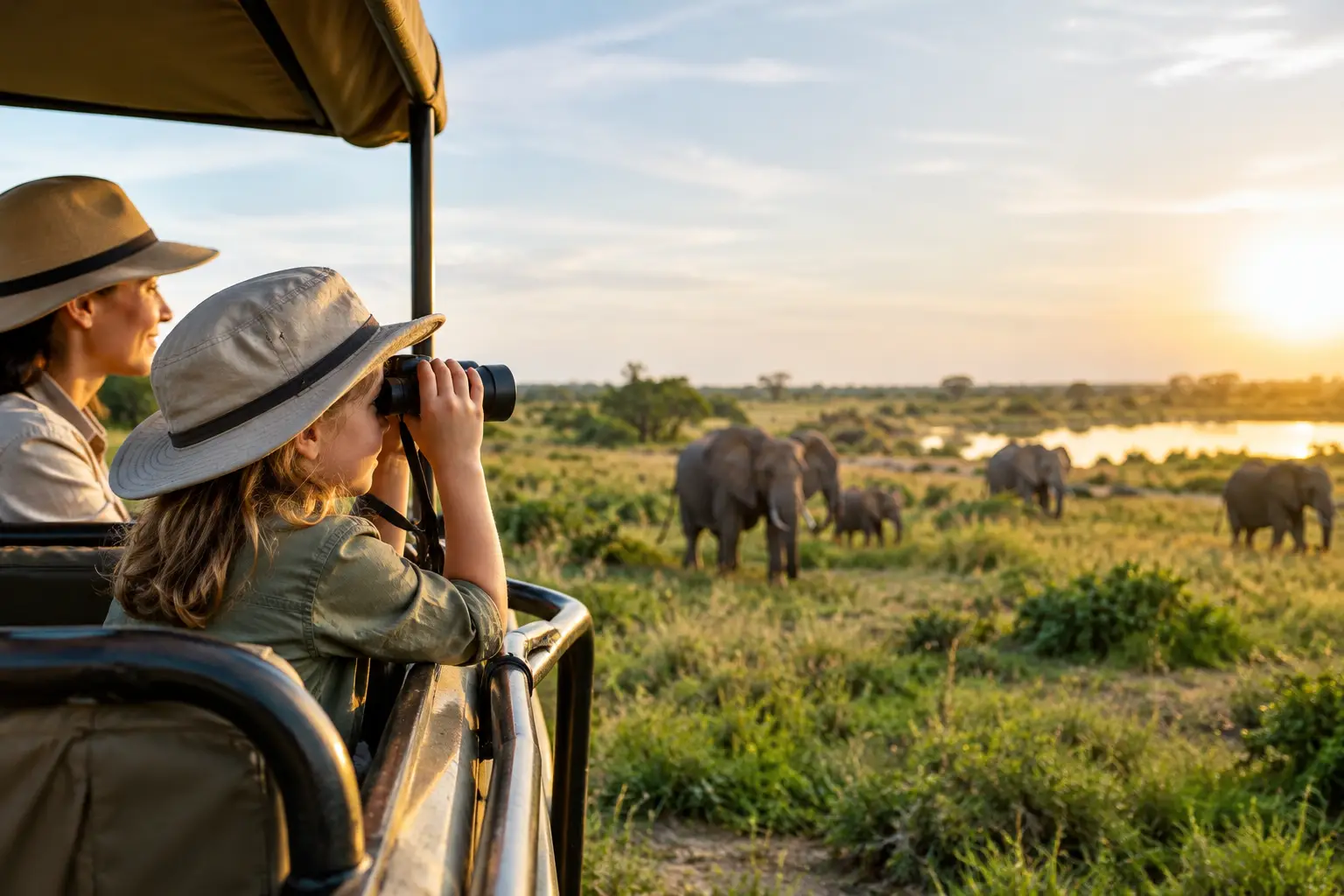
For families, discuss ages, room configurations, child policies, meal preferences, and the rhythm of each day. For photographers, ask about vehicle layout, beanbags or camera supports, charging facilities, and the possibility of spending extended time at a sighting. For honeymooners, consider whether privacy means a private vehicle, a secluded suite, private dining, or simply an itinerary with fewer camp changes.
Most importantly, ask how the journey supports the places you visit. High-quality safari travel can contribute to habitat protection, local employment, guide development, and community partnerships. Responsible tourism is not separate from luxury in Botswana. It is part of what preserves the quiet, wildlife-rich landscapes travelers have come so far to experience.
Chloorokop Travel & Tours designs each private journey around the people taking it, from Botswana’s floodplains and elephant corridors to carefully chosen African extensions. The goal is not to make every moment scheduled. It is to leave room for the moment you did not expect: lions calling beyond camp, your child spotting a first giraffe, or a sunset boat ride that needs no explanation.
Choose privacy where it gives your journey more meaning, not simply more distance from others. The most memorable safari is the one that feels attuned to you while remaining respectful of the wilderness that makes it possible.