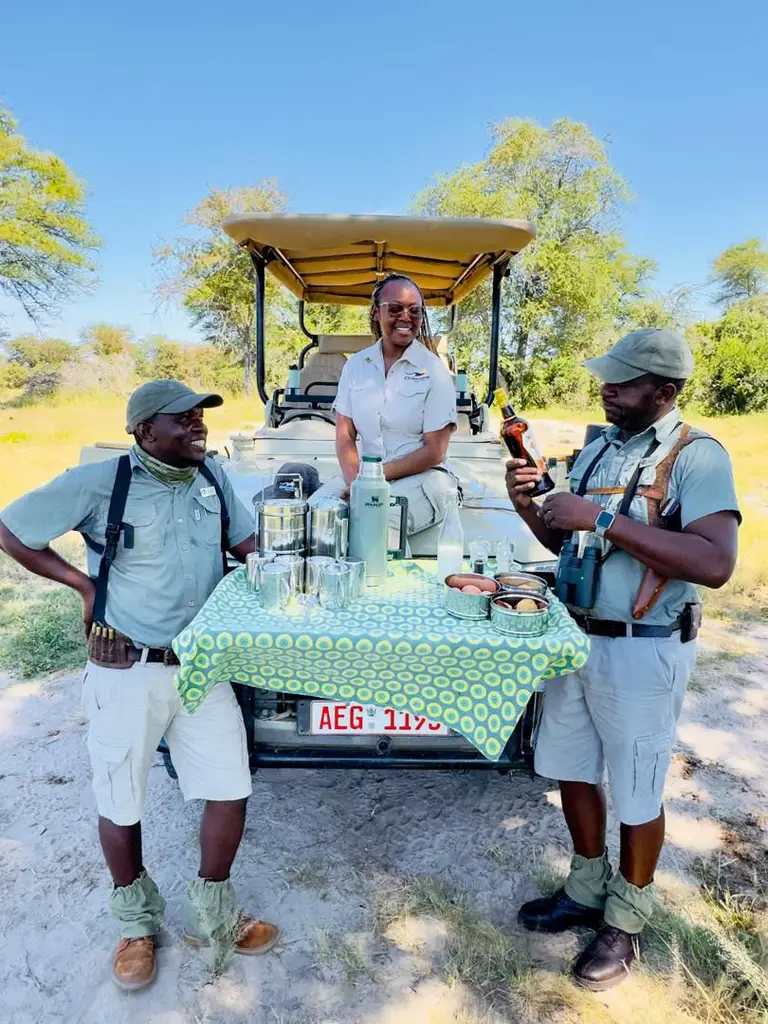
The difference between a good safari and a deeply personal one is often decided long before you arrive in the Okavango Delta. A Botswana DMC brings destination-level knowledge to every choice: which camp suits your travel style, when to move between regions, how long to stay, and where a private guide can add real value. It is the difference between booking a collection of lodges and having a journey designed around you.
Botswana rewards thoughtful planning. Its most remarkable places are remote, its seasons shape each experience, and many of its finest camps are reached by light aircraft. For couples, families, photographers, and seasoned safari travelers, local ground handling turns that complexity into a well-paced, carefully managed adventure.
What a Botswana DMC Actually Does
A Destination Management Company is your on-the-ground travel partner. While a travel advisor may help shape the broad vision from home, a Botswana DMC has the local relationships and operational knowledge to make that vision work in the field.
That begins with listening. A honeymoon itinerary has different priorities from a multigenerational family safari. A wildlife photographer may want longer stays in predator-rich areas and private vehicle access, while a traveler drawn to culture may value time with community partners alongside game viewing. There is no single right Botswana itinerary, even when the destinations appear similar on paper.
A skilled DMC coordinates accommodation, scheduled and private charter flights, road transfers, specialist guides, activities, dining requirements, and timing between camps. Just as importantly, it manages the details that are less visible: luggage allowances for light aircraft, seasonal water levels, arrival buffers, camp-specific child policies, and communication between each supplier.
For international guests, that local presence is reassuring. You may be traveling from New York, London, Sydney, or Cape Town, but the people managing the journey understand what is happening on the ground and can respond quickly if weather, aircraft schedules, or individual needs require a change.
Why Botswana Requires Local Safari Knowledge
Botswana is not a destination to rush. Its wilderness areas are vast, lightly developed, and distinct from one another. The right route depends on the season, your interests, and how you want each day to feel.
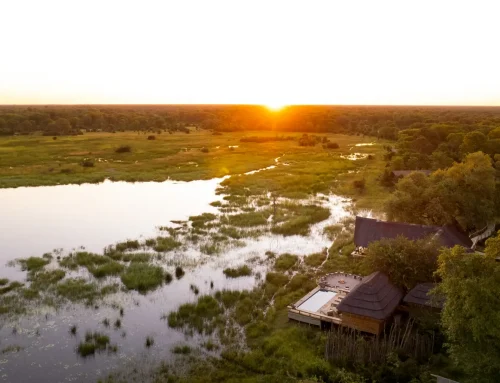
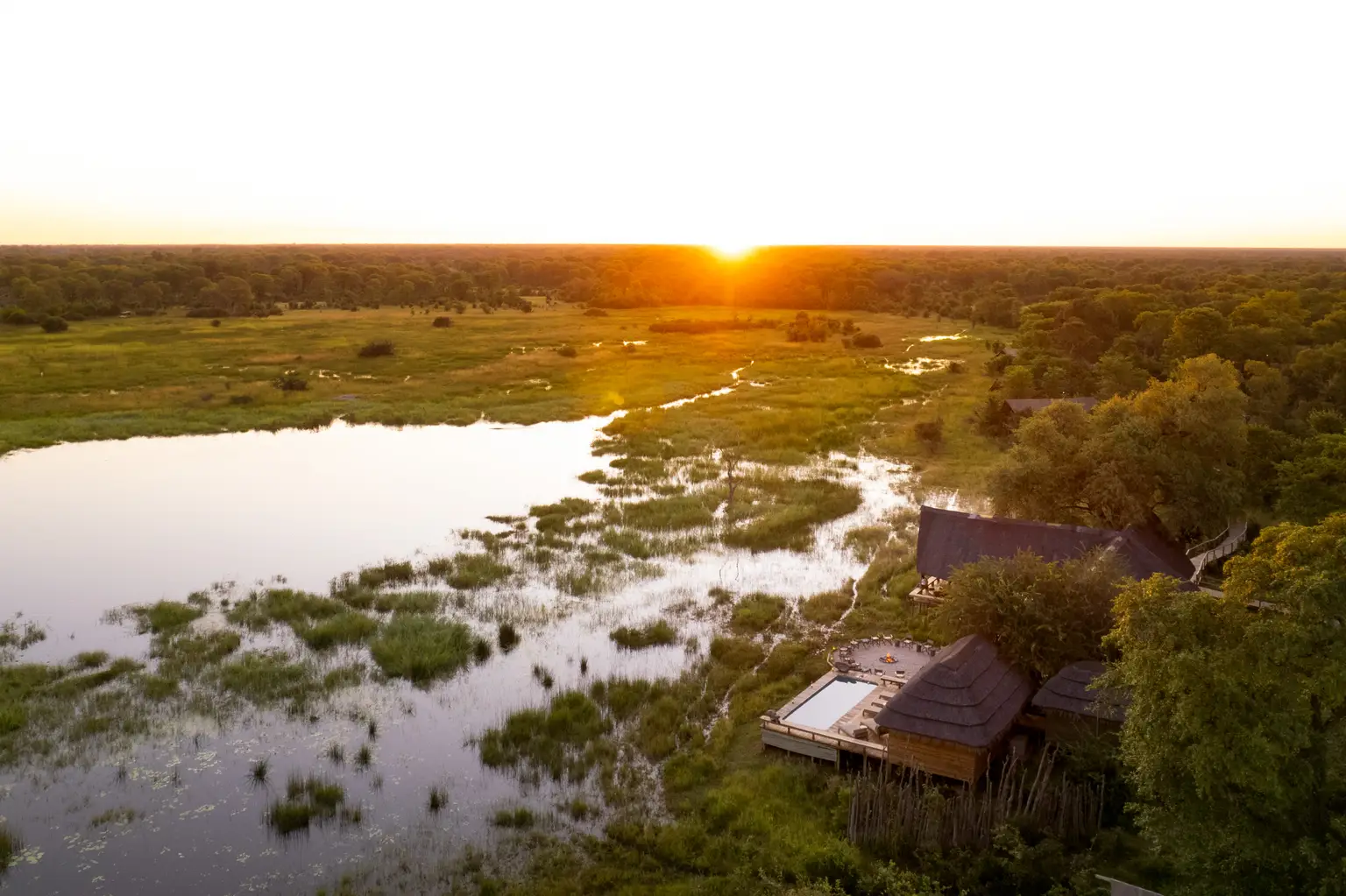
The Okavango Delta is defined by water and shifting channels. During flood season, mokoro excursions and boat safaris can become central to the experience, while land-based game viewing remains exceptional in selected concessions. Moremi Game Reserve offers a rich mix of floodplains, woodland, and lagoons, often appealing to first-time visitors seeking a varied introduction to the Delta.
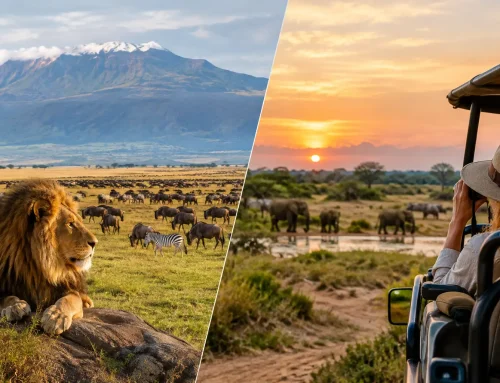
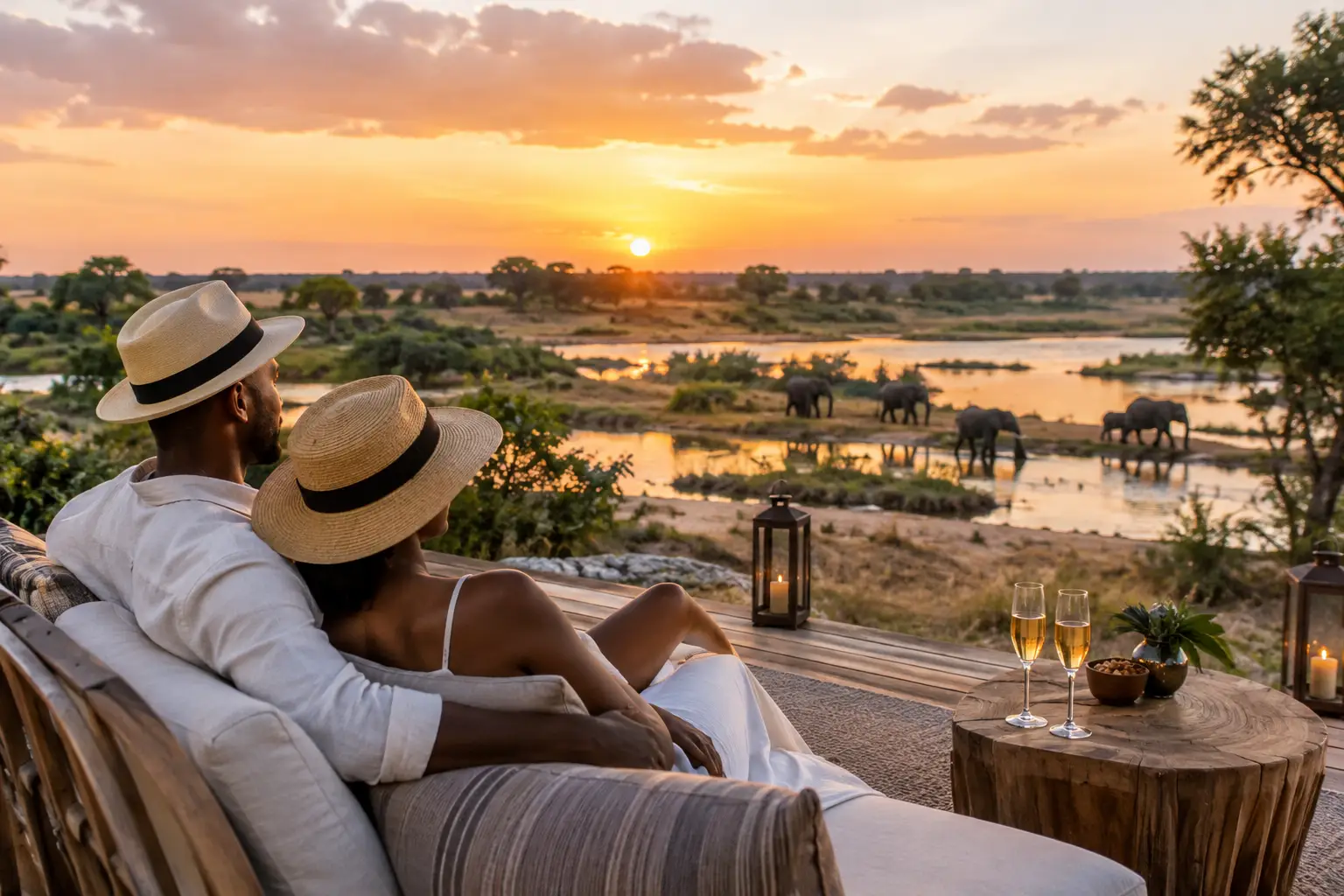
North of Moremi, Khwai combines strong wildlife viewing with a more open community-concession character. Savuti is known for dramatic predator encounters and elephant movement, while Chobe National Park is particularly compelling for its great herds along the riverfront. In Linyanti, a quieter and more exclusive rhythm can suit travelers seeking privacy, excellent guiding, and time in a less traveled wilderness.
Then there are Botswana’s desert landscapes. The Makgadikgadi offers salt pans, wide skies, meerkat encounters, and a striking contrast to the Delta. The Central Kalahari can deliver profound stillness, black-maned lions, and the sense of being far from the usual safari circuit.
A well-designed journey does not simply try to include everything. Moving too frequently can turn a safari into a series of check-ins. Often, three nights in a place allows guests to settle in, understand the habitat, and let the unpredictability of wildlife viewing work in their favor. Four nights can be especially rewarding for private travelers, photographers, or anyone who wants room for both early starts and unhurried afternoons.
Seasonality Is Part of the Design
Botswana is a year-round safari destination, but each period has its strengths. Dry-season months generally bring easier wildlife viewing around permanent water sources, while the green season offers dramatic skies, newborn animals, migratory birds, and fewer visitors in many areas. The Delta’s annual flood usually arrives during Botswana’s dry winter months, a counterintuitive natural event that makes timing especially important.
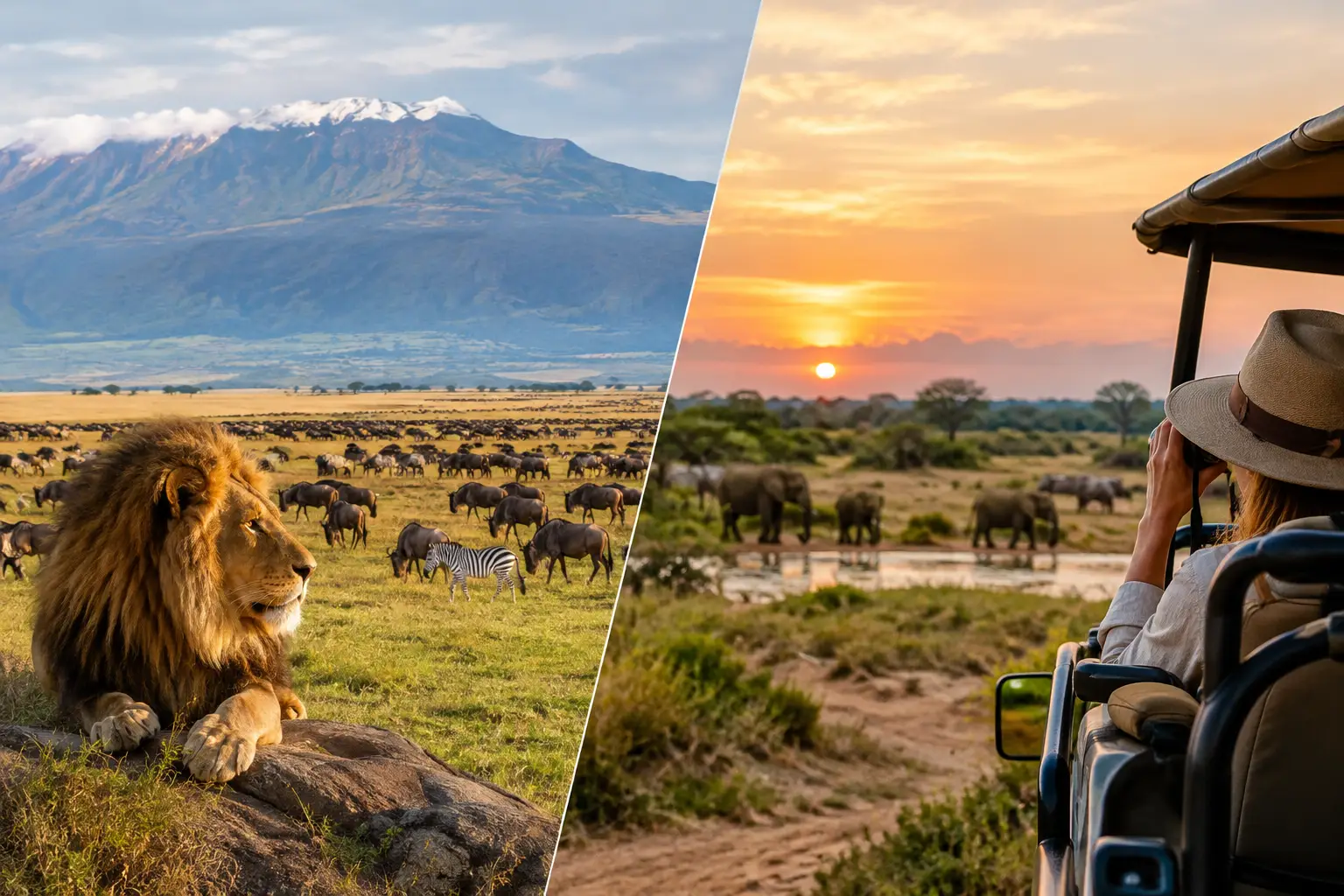
The best time depends on what matters most to you. If elephants, big cats, and classic dry-season game viewing are the priority, a northern Botswana itinerary may take one shape. If you are interested in birding, landscapes, or the contrast of desert and Delta, another period may be more compelling. A Botswana DMC should explain these trade-offs clearly rather than sell a single season as ideal for everyone.
The Value of Tailor-Made Ground Handling
Luxury in Botswana is not only about the setting of a camp. It is the freedom to travel at your own pace, the confidence that someone has anticipated the practical details, and the feeling that every transition has purpose.
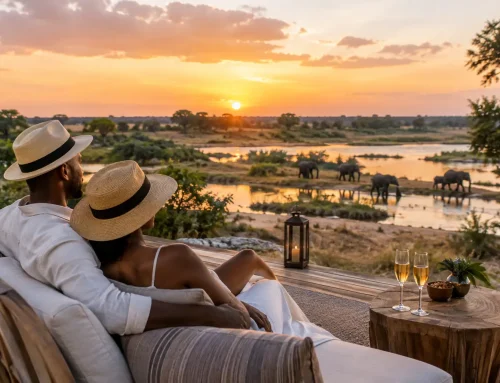
For a couple, that might mean arranging a private dinner under the stars after a day on the water. For a family, it could mean selecting camps with suitable room configurations, engaging guides, and activities that respect different ages and energy levels. For a corporate retreat, it may involve private-use accommodation, discreet coordination, and meaningful experiences that bring a team together without losing the integrity of the destination.
The right local partner also knows when not to overengineer an itinerary. A safari benefits from unscripted moments: following fresh lion tracks at dawn, lingering at a leopard sighting, or returning to camp as the light changes over the floodplain. Good planning creates the conditions for those moments without trying to control them.
At Chloorokop Travel & Tours, Botswana is the foundation of each journey, with planning informed by firsthand destination knowledge and trusted local partnerships. The aim is personal management from arrival to departure, with every element aligned to the guest’s pace, interests, and preferred level of privacy.
Botswana as the Heart of a Larger African Journey
Botswana works beautifully as a complete safari in its own right, yet it can also anchor a wider African itinerary. The key is to connect destinations with a reason, not simply add countries to a map.
Victoria Falls pairs naturally with Chobe and the Delta, adding a powerful change of scale from quiet waterways to thundering water. Zambia can extend the journey into walking safaris and wild river landscapes. Namibia offers desert architecture, coastal contrasts, and wide-open roads, while South Africa brings Cape Town, the Winelands, culinary experiences, and private reserves.
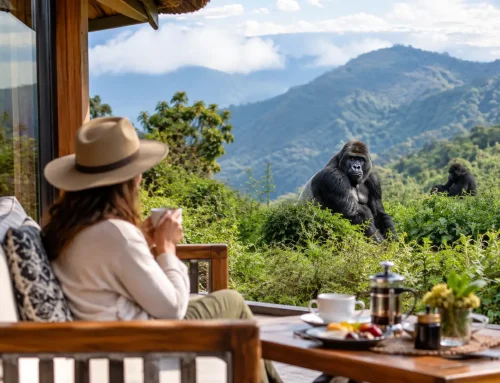
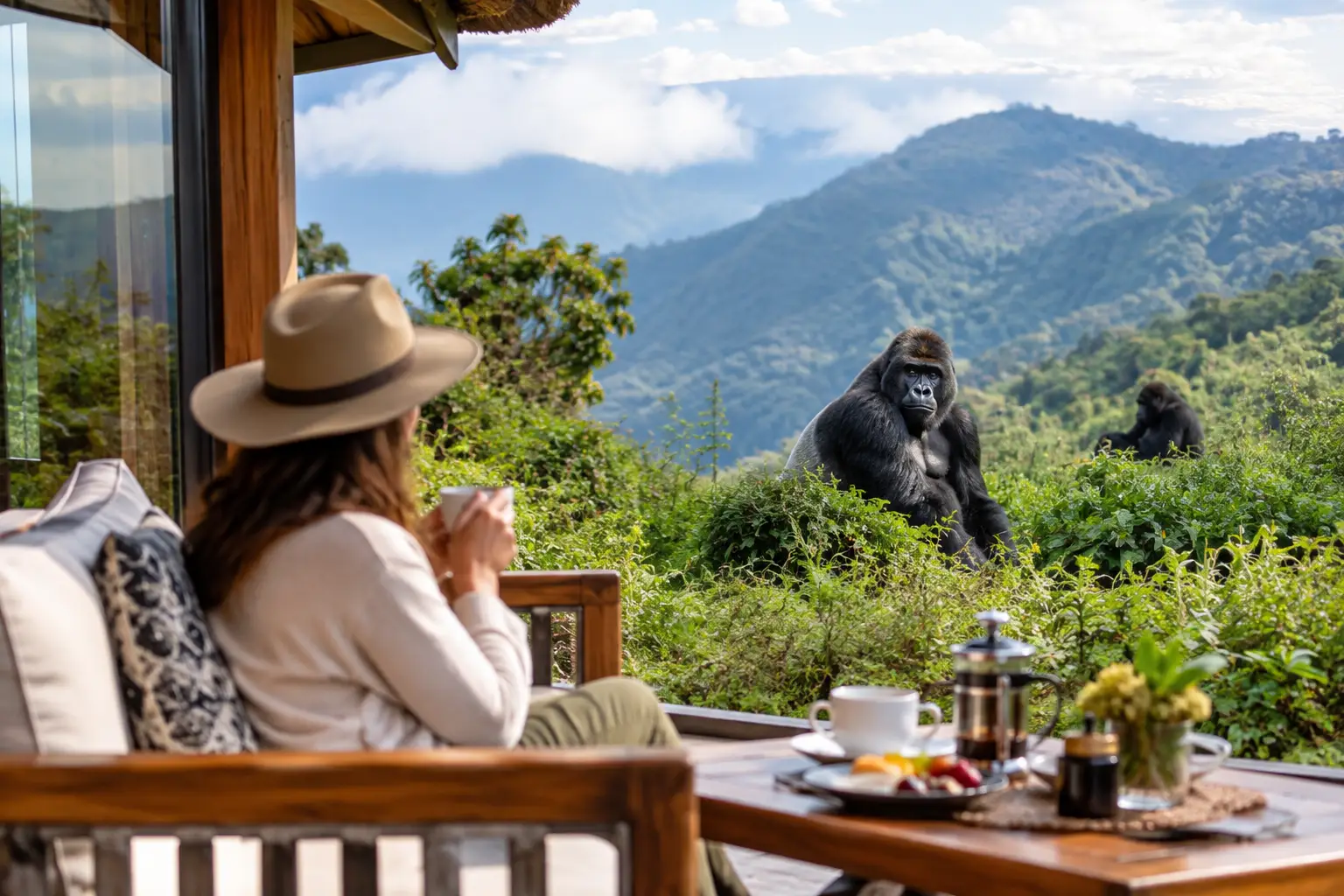
For travelers with more time, Botswana can be followed by gorilla trekking in Rwanda or Uganda, or by a beach stay in Mozambique, Mauritius, Madagascar, Kenya, or Tanzania. These combinations require careful handling of flights, border crossings, luggage, health requirements, and pacing. A two-week itinerary can feel generous or hurried depending on how those elements are arranged.
The most satisfying multi-country journeys retain a sense of rhythm. A few nights in the Delta followed by a few nights near Victoria Falls can be elegant. Adding Cape Town may offer a welcome shift from bush to city. Adding gorilla trekking asks more physically of travelers, so it is often best placed with recovery time before or after. Personalization matters because luxury is as much about energy and ease as it is about exceptional places.
Responsible Travel Belongs in the Experience
Botswana’s high-value, low-volume tourism model has helped protect large areas of wilderness while supporting conservation and employment. Visitors play a role in that system through the camps they choose, the concessions they visit, and the local enterprises they support.
Responsible travel should never feel like an afterthought or a lecture. It can be present in a camp’s conservation work, in respectful cultural exchanges, in locally guided experiences, and in decisions that reduce unnecessary pressure on fragile places. It also means traveling with humility: asking before photographing people, respecting community customs, and recognizing that wildlife encounters happen on nature’s terms.
A responsible DMC considers the impact of an itinerary alongside its comfort and appeal. That may mean selecting properties with meaningful local partnerships, avoiding overly compressed routing, or recommending experiences that create direct value for communities. Luxury with purpose is not a compromise. It is a more considered way to travel.
Choosing the Right Partner for Your Safari
Ask how the company designs itineraries, who manages the journey once you arrive, and whether it can explain the practical differences between regions and seasons. Look for specificity rather than vague promises. The right partner should be able to discuss camp styles, guiding, transfer times, private options, accessibility, and what may need to change if conditions shift.
It is also wise to be clear about your priorities from the start. Tell your planner whether you prefer unhurried mornings, active days, exceptional food, private guiding, family connection, serious photography, wellness, or conservation-focused experiences. The more honestly those preferences are shared, the more thoughtfully a journey can be shaped.
Botswana is at its finest when it feels unforced: a quiet mokoro glide through reeds, elephant herds crossing a riverbank, dinner beneath an immense southern sky, and time enough to notice the details. Choose a partner that plans for those moments with care, then leaves space for the wild to do the rest.