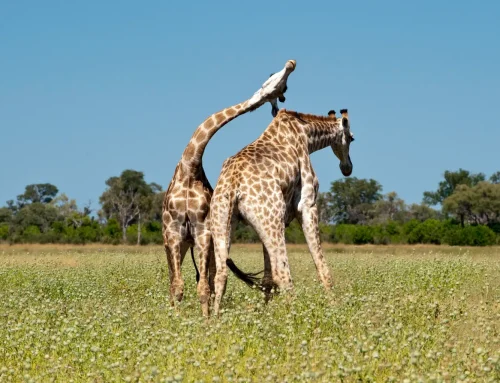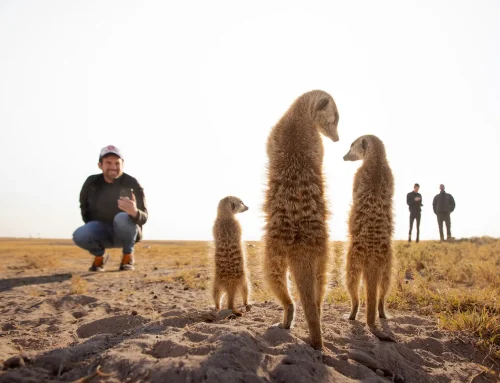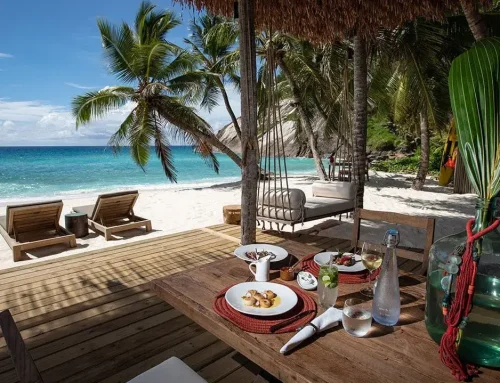
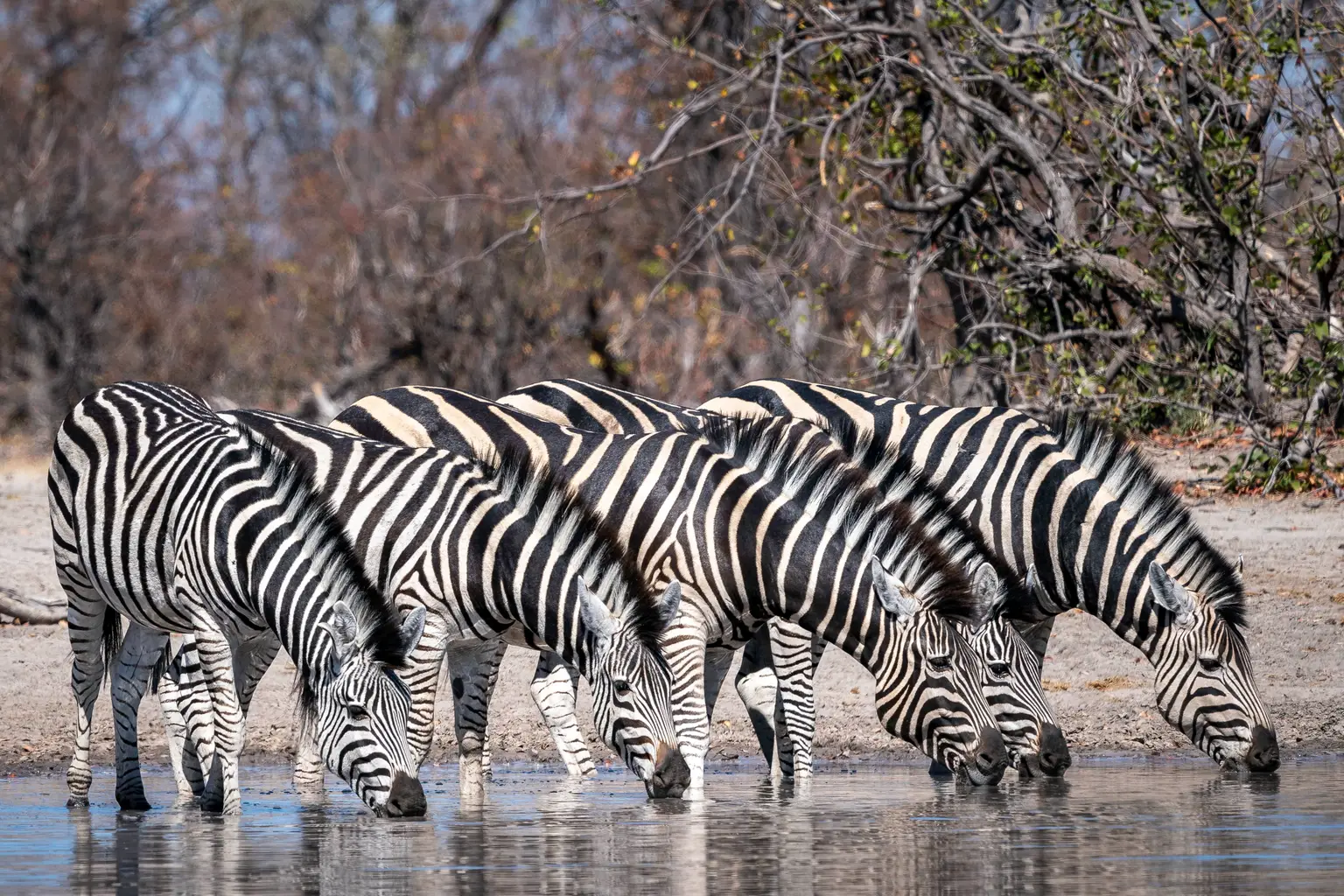
A lion’s roar before dawn in the Okavango Delta and a barefoot dinner beside the Indian Ocean can belong in the same journey. To combine safari beach time well is not simply to add a few nights by the sea after game drives. It is to create a change of pace that feels earned: intimate wildlife encounters, then space to rest, swim, sail, and absorb what you have seen.
For travelers who value privacy, exceptional guiding, and thoughtful service, Botswana offers a remarkable starting point. Its low-density wilderness areas reward patience, while carefully chosen beach extensions in Mozambique, Mauritius, Tanzania, or Kenya provide an entirely different expression of Africa. The art lies in choosing the right sequence, season, and balance of experiences.
Why combine safari and beach in one African journey?
Safari days are immersive by nature. Early starts follow the rhythm of wildlife, afternoon game drives often continue into sunset, and evenings bring stories around the fire under wide southern skies. They are exhilarating, but they ask you to be present.
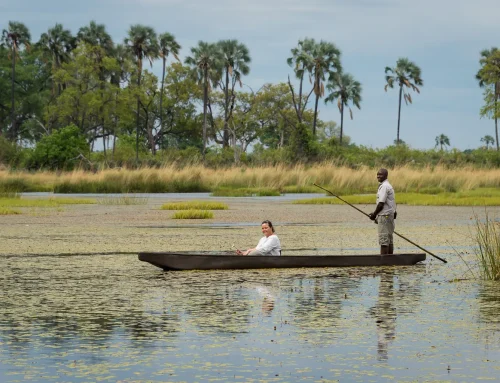
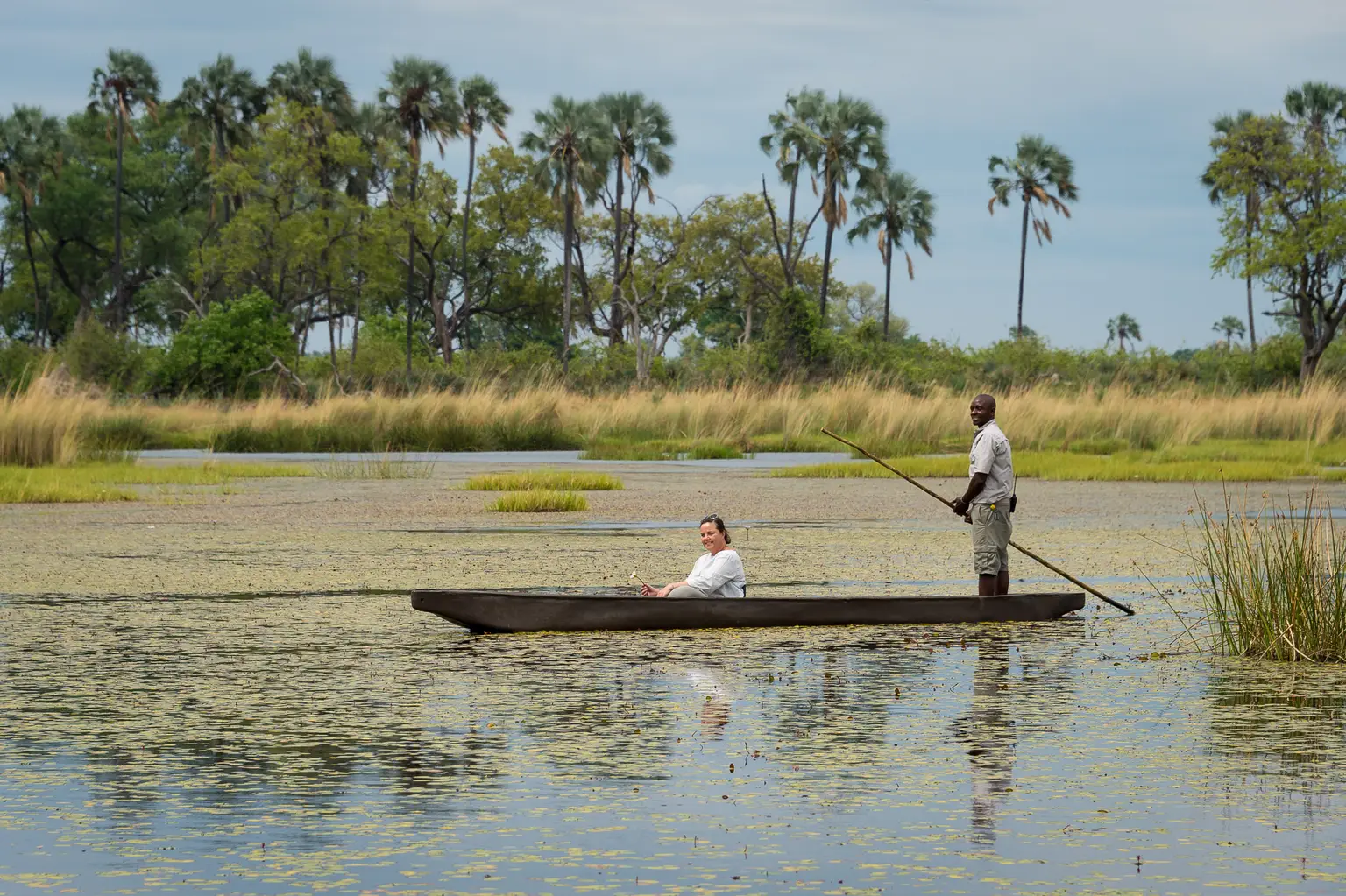
A beach stay creates room for that presence to settle. After tracking wild dogs through the floodplains of Moremi, watching elephants cross the Chobe River, or drifting through Delta channels by mokoro, a few slower days beside the ocean feel less like an add-on and more like the natural second half of the trip.
The pairing also suits different travel styles. Honeymooners may want private villas, spa treatments, and sailing at sunset. Families may prefer calm-water snorkeling, flexible meal times, and spacious rooms after a shared safari adventure. Wildlife photographers often appreciate beach time that allows for rest and editing between ambitious game-viewing schedules. The right itinerary does not force every traveler into the same formula.
Start with Botswana’s wilderness
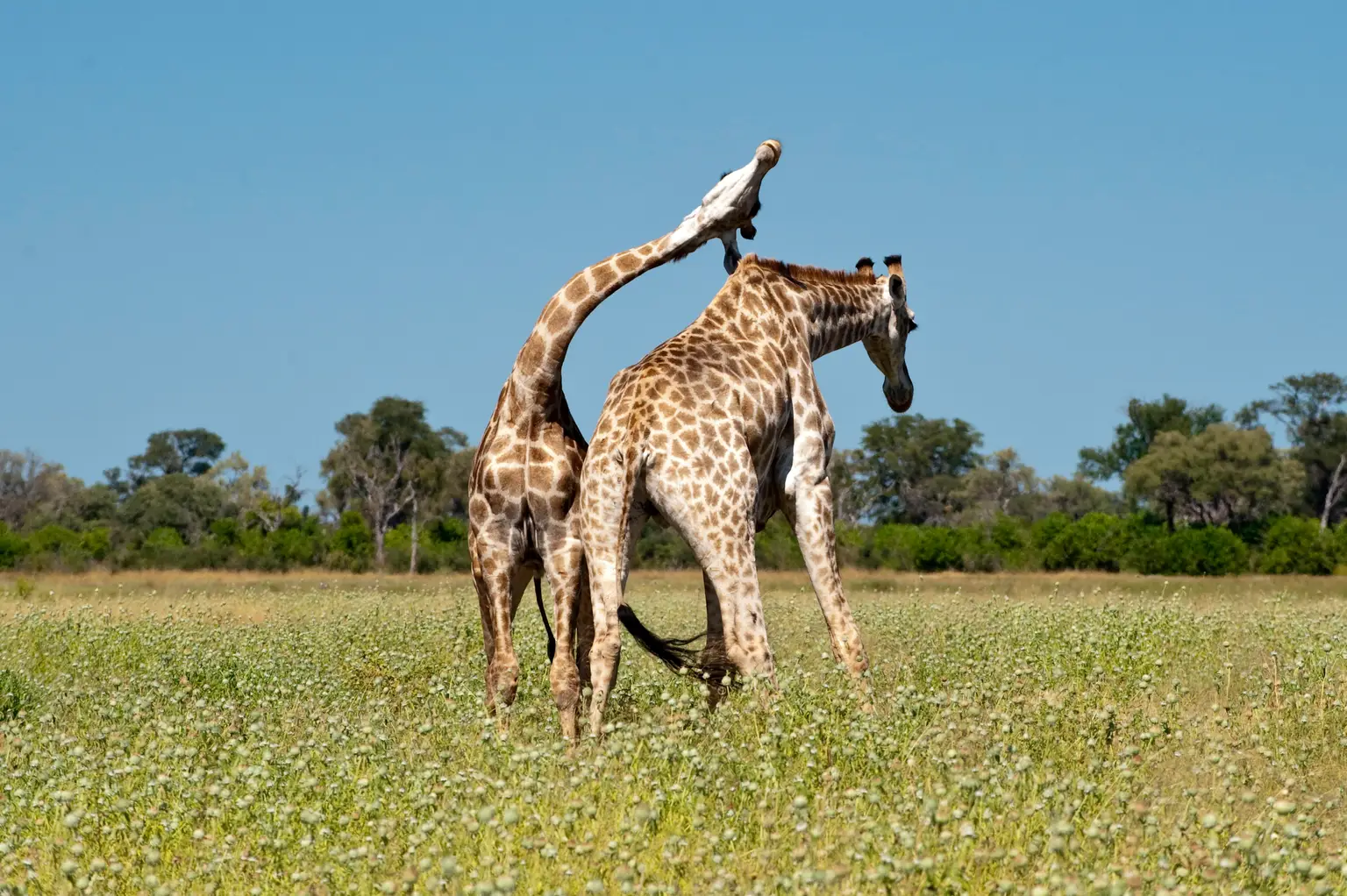
Botswana works particularly well as the safari foundation because its leading regions offer distinct landscapes and refined, uncrowded experiences. A tailor-made itinerary might begin in the Okavango Delta, where seasonal floodwaters create a mosaic of channels, lagoons, islands, and grasslands. Here, activities can include water-based exploration, game drives, and walking safaris where conditions and camp operations allow.
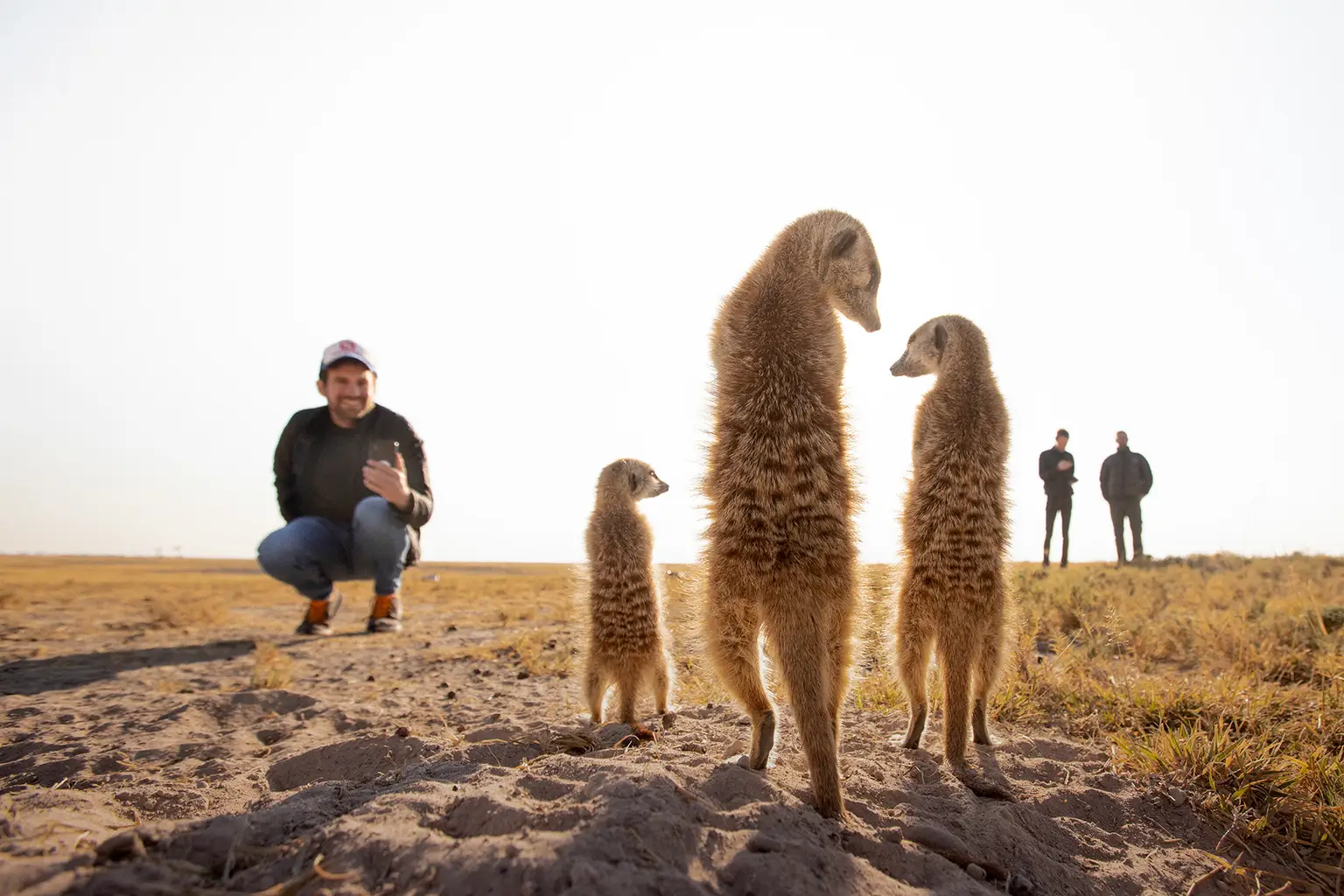
Moremi Game Reserve and the Khwai area add excellent opportunities for predator viewing and varied habitats. Chobe is compelling for elephant encounters, especially along the river, while Savuti and Linyanti appeal to travelers drawn to remote landscapes and dramatic wildlife movement. For a contrasting desert chapter, the Makgadikgadi pans and Central Kalahari offer open horizons, ancient landscapes, and a quieter, more elemental sense of Africa.
There is a practical reason to avoid trying to see every Botswana region in one trip. Safari camps are often reached by light aircraft, and changing camps brings a real shift in landscape and activity. Two or three well-chosen safari locations usually feel more rewarding than a rushed circuit of five. This also leaves enough time for the beach portion to do its work.
A strong safari rhythm
For many first-time visitors, six to eight nights on safari creates an ideal foundation. Consider three or four nights in a water-and-land setting in the Delta, followed by three or four nights in a predator-rich or elephant-focused region such as Khwai, Moremi, Chobe, or Linyanti.
Travelers returning to Botswana may choose a more specialized approach: a photographic safari in the Delta, a mobile-style wilderness experience in the Kalahari, or a private guided journey focused on birds, conservation, or seasonal wildlife behavior. The beach extension should complement the energy of this first chapter, not compete with it.
The best places to combine safari beach experiences
The best destination depends on your preferred shoreline, travel dates, desired flight routing, and how much activity you want after the safari. Each option has a different character.
Mozambique for island privacy and warm water
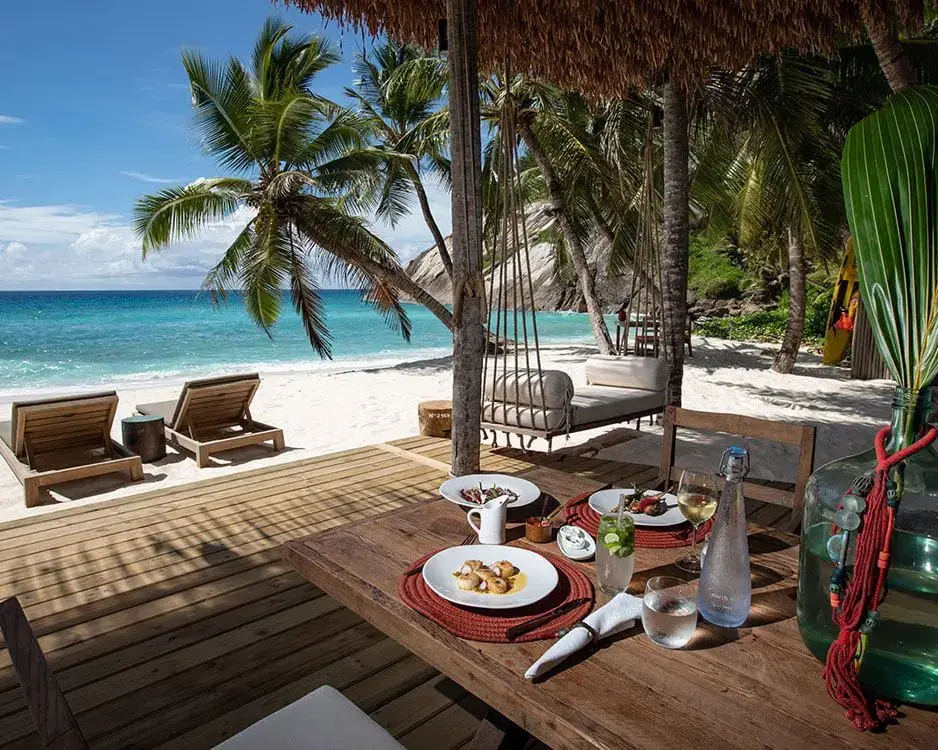
Mozambique is a natural partner for a Botswana safari, particularly for travelers seeking a relaxed Indian Ocean finish. Its coastal islands and marine reserves offer clear water, dhow sailing, snorkeling, diving, and long, quiet beaches. Properties range from elegant beachfront lodges to private island retreats, with an emphasis on barefoot ease rather than formal resort routines.
This is an especially appealing choice for couples and honeymooners who want privacy after the sociable rhythm of a safari camp. It can also work beautifully for families when the lodge offers protected swimming areas and flexible activities. Sea conditions, seasonal weather, and access logistics matter, so the specific island or coastal area should be selected carefully rather than chosen by image alone.
Mauritius for polished resort comfort
Mauritius is a strong choice for guests who want sophisticated accommodations, reliable infrastructure, excellent dining, and a broad selection of wellness and water-based experiences. It offers a more developed resort setting than many remote island escapes, with calm lagoons in certain areas, golf, sailing, and cultural excursions beyond the beach.
For multigenerational families or travelers who appreciate an extensive range of facilities, Mauritius can be particularly easy. It is less about wilderness isolation and more about effortless comfort, with the ocean always close at hand. A shorter beach stay can work well here because the transition from safari to resort life is straightforward.
Tanzania or Kenya for safari continuity and coast
Tanzania and Kenya suit travelers who want a second wildlife chapter before the coast. Tanzania can pair a Botswana safari with the Serengeti, Ngorongoro, or a more remote southern circuit, followed by Zanzibar or another Indian Ocean retreat. Kenya allows for a similar contrast, combining iconic savanna landscapes with the Swahili coast.
These combinations are ideal for guests who have time for a longer Africa journey and want to compare ecosystems, guiding styles, and cultures. They require thoughtful pacing. Adding too many internal flights or too many one- and two-night stays can turn a dream itinerary into a checklist. A well-designed route preserves unhurried time in each place.
When should you travel?
There is no single best month for a safari-and-beach journey because Botswana and Indian Ocean destinations follow different weather patterns. The classic dry-season safari period in Botswana generally runs from May through October, when wildlife concentrates around available water and Delta floodwaters are often at their most evocative. This period can align well with beach destinations, although local wind, rainfall, and marine conditions vary widely by coast and island.
The green season, roughly November through April in Botswana, brings dramatic skies, fresh grasses, migratory birds, and young animals. It can be outstanding for photographers and travelers who enjoy a more verdant landscape. Beach choices need closer consideration during this period, particularly where tropical rain or humidity may influence the experience.
Rather than choosing dates around a broad promise of “perfect weather,” start with your priorities. Are you hoping for peak wildlife concentrations, birding, diving, a quiet honeymoon, or school-break travel with family? From there, the safari and beach components can be matched to the season with greater precision.
How long should a safari beach itinerary be?
A minimum of 10 nights allows the journey to breathe, such as six or seven nights in Botswana and three or four by the ocean. Twelve to 14 nights is often more comfortable for travelers crossing long distances from the United States, Canada, Europe, or Australia. It creates room for two safari regions, a properly restorative beach stay, and sensible flight connections.
The order usually matters. Safari first and beach second is the most satisfying arrangement for most guests. You begin alert and eager for early mornings, then gradually move toward slower starts and open days. A beach stay before safari can work when flight schedules make it necessary, but it may make the transition back to dawn game drives feel sharper.
Private transfers, light-aircraft schedules, international connections, baggage allowances, and room configurations all influence the final shape of the itinerary. These are not minor details. They determine whether the experience feels calm from arrival to departure.
Travel beautifully and leave meaningfully
A luxury safari-and-beach escape can be deeply connected to conservation and local communities. In Botswana, choosing camps that operate with respect for fragile ecosystems and support surrounding communities helps protect the wilderness that makes the journey possible. Along the coast, responsible marine practices matter just as much: reef-safe habits, respectful wildlife encounters, locally rooted experiences, and properties that take resource management seriously.
Ask not only what an experience offers you, but how it supports the place hosting you. A private guided cultural visit, locally sourced cuisine, or a marine activity led by people who know the coastline can add meaning without making the trip feel overly structured.
At Chloorokop Travel & Tours, we design these journeys around the way you want to travel: Botswana-born expertise, carefully matched beach extensions, and personal management of the details between them. The most memorable itineraries leave you with more than photographs – they leave you rested, moved by the wild, and more connected to Africa’s living landscapes.