A Zambia versus Zimbabwe safari is rarely a simple choice between two neighboring countries. It is a decision about the rhythm of your days, the style of your wilderness experience, and what you want Victoria Falls to mean within a larger African journey. Both countries deliver remarkable guiding, dramatic landscapes, and intimate camps. Yet they do so in distinct ways.
For travelers pairing a classic safari with Botswana, the answer is often not either-or. Zimbabwe and Zambia each connect naturally with Chobe, the Okavango Delta, or a broader Southern African itinerary. The right fit depends on whether you are drawn to concentrated wildlife viewing, remote walking country, the mood of a heritage-rich safari, or a quieter perspective on the Zambezi.
Zambia Versus Zimbabwe Safari: The Essential Difference
Zimbabwe is often the stronger choice for travelers seeking a classic, wildlife-led safari with varied habitats and a well-established network of polished camps. Hwange National Park, Mana Pools National Park, and the Victoria Falls area can combine beautifully, particularly for first-time safari guests, families, and returning travelers who want exceptional game viewing with a strong sense of place.
Zambia feels more spacious and exploratory. It is widely respected for walking safaris, privately guided experiences, and wild river landscapes. South Luangwa National Park is a standout for leopard sightings and walking, while Lower Zambezi National Park brings canoeing, boating, fishing, and land-based game drives together along a magnificent stretch of river.
Neither country is inherently better. Zimbabwe may suit a traveler who wants diversity and dependable wildlife density across a refined itinerary. Zambia may speak more strongly to someone who values immersion, fewer vehicles, and the pleasure of moving through the bush on foot with an expert guide.
Victoria Falls: Two Sides, Two Experiences
Victoria Falls is shared by Zambia and Zimbabwe, but the experience differs meaningfully depending on where you stay.
Zimbabwe offers the broadest and most consistently dramatic views of the main falls. Walking paths through the rainforest reveal sweeping panoramas, especially when water levels are high. The town of Victoria Falls also provides a larger selection of restaurants, hotels, and activity options, which can be helpful for multigenerational families or travelers who appreciate a little more choice between safari camps.
Zambia offers a closer, more elemental relationship with the Zambezi. From Livingstone, guests can experience the falls from different angles and enjoy easy access to the river above them. In the drier months, certain viewpoints and seasonal activities can feel especially adventurous. The atmosphere is generally more relaxed and less built-up than across the border.
For honeymooners, either side can be deeply romantic when paired with a riverside lodge, private sunset cruise, or scenic flight. Travelers who want the most iconic frontal views often lean toward Zimbabwe. Those seeking a quieter base and a river-focused stay may prefer Zambia. A carefully planned itinerary can also include both sides, subject to border formalities and the pace you prefer.
Wildlife and Safari Style
Zimbabwe: Variety, Heritage, and Big-Game Country
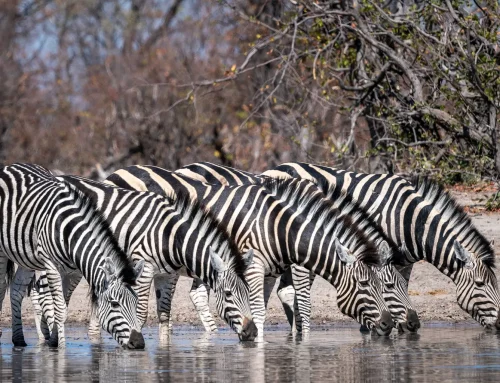
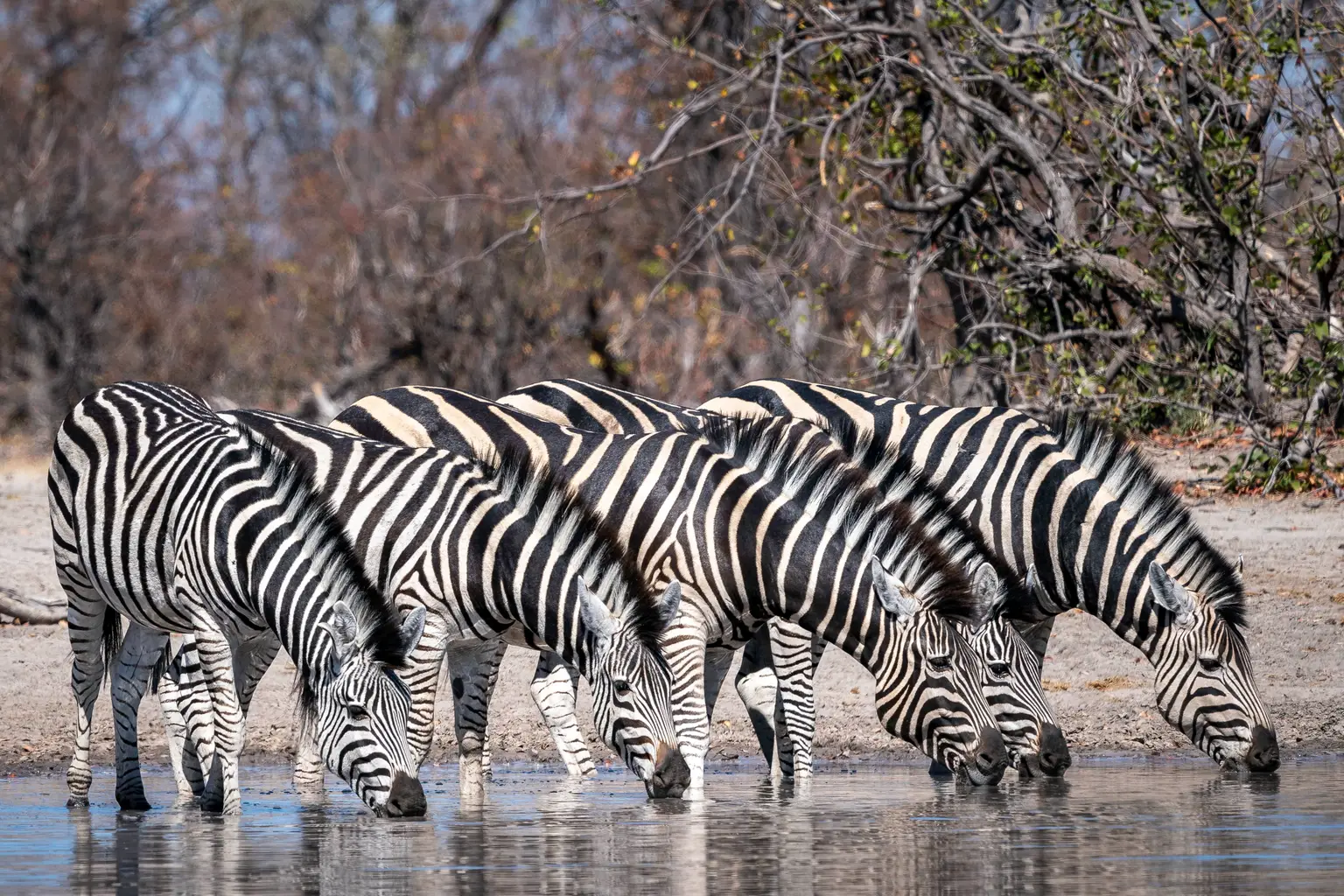
Hwange is Zimbabwe’s largest national park and a natural complement to Victoria Falls. Its grasslands, teak forests, and waterholes support large elephant herds, buffalo, lion, wild dog, and a rich variety of plains game. In the dry season, patient time at a productive waterhole can be as memorable as a game drive.
Mana Pools, a UNESCO World Heritage Site on the Zambezi River, offers a different kind of safari. Here, elephants feed beneath winterthorn trees, hippos crowd the channels, and game drives may be complemented by canoeing and guided walks. Its appeal lies in both the wildlife and the freedom of the landscape. This is safari at a more unhurried, deeply atmospheric pace.
Zimbabwe’s guiding tradition is a genuine strength. Private guides bring natural history, tracking skill, and a calm command of the bush that makes even a quiet morning feel purposeful. For photographers, the country’s mix of open landscapes, waterholes, and river scenes creates welcome variety.
Zambia: Walking, Rivers, and Wild Space
South Luangwa is one of Africa’s great safari destinations, defined by the Luangwa River, oxbow lagoons, ebony groves, and a remarkable concentration of wildlife. Leopards are frequently seen, elephants move through camp areas, and the valley becomes particularly compelling during the dry season as animals gather around remaining water.
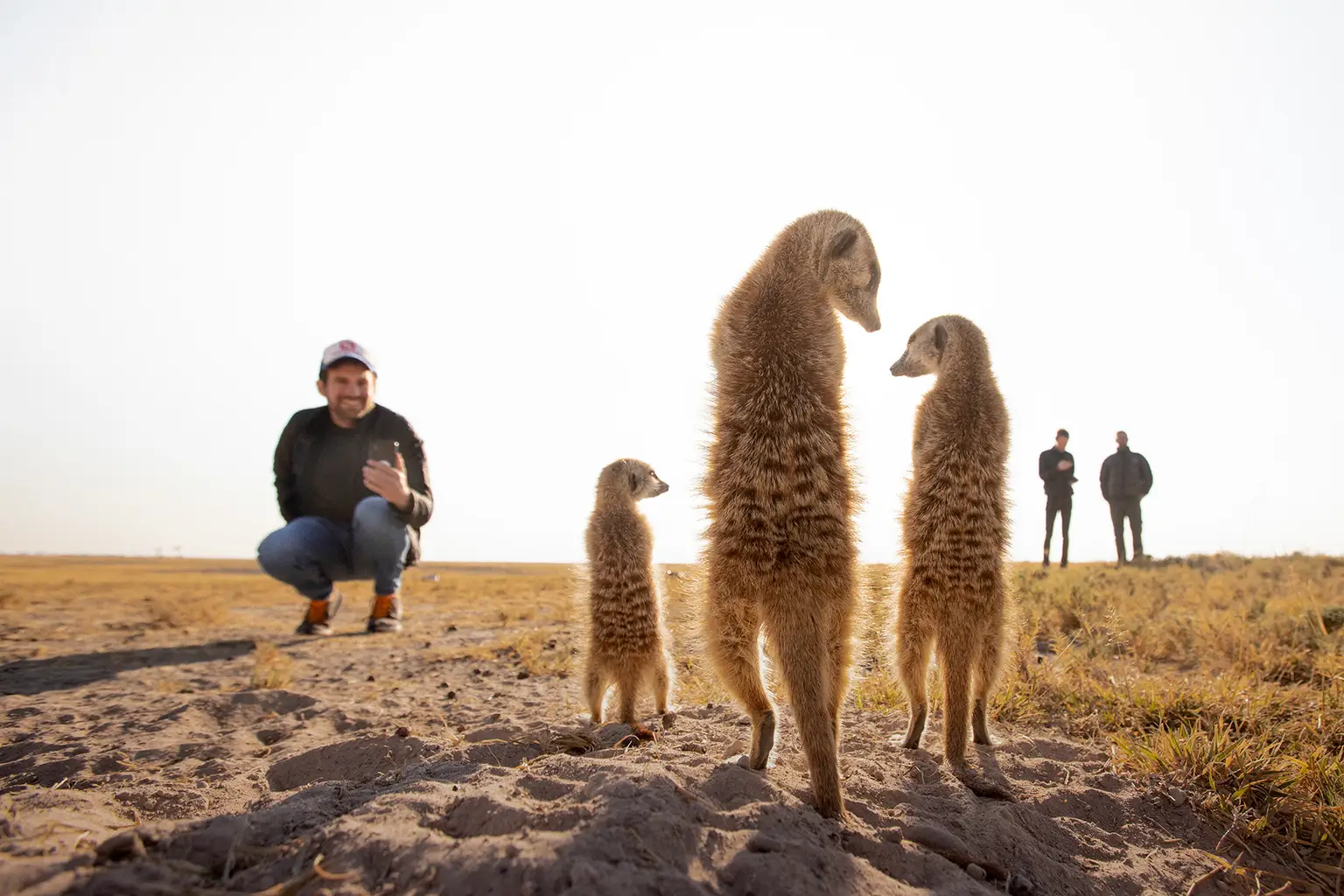
Walking safaris are central to Zambia’s identity. A walk is not about covering distance or seeking drama at every turn. It is a slower education in tracks, bird calls, medicinal plants, insects, and the subtle signs that reveal how an ecosystem works. It suits travelers who enjoy being present and active, and who are comfortable trading some predictability for a more visceral connection with the bush.
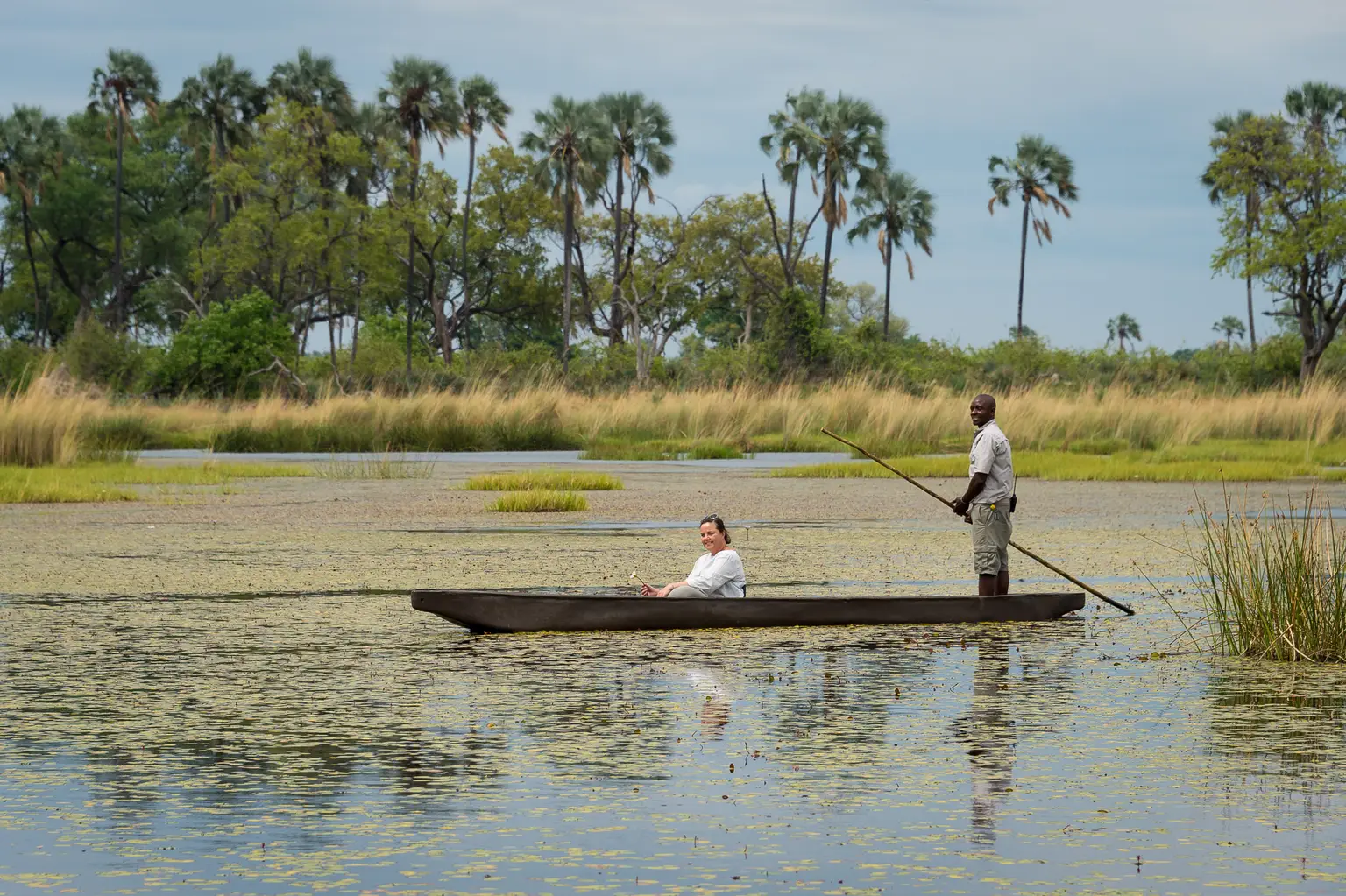
Lower Zambezi adds another dimension. Canoeing between islands, watching elephants at the river’s edge, and returning to a secluded camp after sunset creates a safari that feels both active and restorative. It is particularly appealing for couples and specialist travelers who want wildlife without following the most conventional safari pattern.
When to Go
The dry season, broadly from May through October, is often the easiest period for concentrated wildlife viewing in both countries. Vegetation is thinner, animals gather near water, and days are generally sunny and pleasant. August through October can be especially productive for game viewing, although October heat can be intense.
The green season has a different beauty. From roughly November into April, rains transform the landscapes, birdlife is abundant, and the air carries a freshness that dry-season travelers never see. Some remote camps close seasonally because roads become difficult or access relies on changing river conditions. Others remain open and reward guests with fewer people, dramatic skies, and excellent photographic light.
Victoria Falls is fullest after the rainy season, usually around March to May. At peak flow, spray can obscure some views but amplifies the scale and power of the experience. Later in the year, the water level drops, revealing different rock formations and changing the character of activities around the falls. Timing should be shaped by your priorities rather than a single idea of the “best” month.
Lodges, Logistics, and Who Each Country Suits
Both Zambia and Zimbabwe offer sophisticated safari camps where attentive hosting, excellent food, private decks, and thoughtful guiding create genuine comfort in remote places. Luxury here is not excess for its own sake. It is the ease of arriving to a cold drink after an afternoon drive, knowing your preferences are understood, and sleeping beneath canvas to the sounds of the bush.
Zimbabwe can be easier to shape into a varied first safari, particularly when combining Hwange, Victoria Falls, and Mana Pools. It works well for families with older children, wildlife enthusiasts who want broad species variety, and travelers interested in history alongside wilderness.
Zambia is especially rewarding for repeat safari guests, active couples, birders, anglers, and anyone interested in walking or canoeing. It can also be superb for first-time travelers when the itinerary is well paced and combines a gentle introduction, such as Livingstone or Lower Zambezi, with a more immersive bush camp.
Internal flights, road transfers, border crossings, camp opening dates, and luggage allowances deserve careful coordination. These are not details to leave until the final weeks of planning. A well-managed itinerary protects the feeling of spontaneity by making the practical elements feel effortless.
The Strongest Choice May Include Botswana
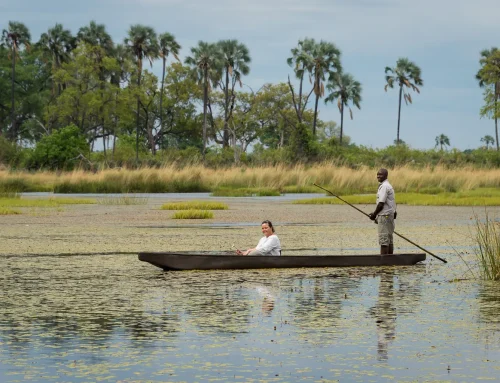
For a complete Southern African journey, Zambia or Zimbabwe can be an exceptional extension to Botswana. Zimbabwe pairs naturally with Chobe and the Okavango Delta, creating a progression from Victoria Falls and elephant-rich Hwange to Botswana’s water-based wilderness. Zambia can add walking, river time, and a distinctly different safari rhythm before or after the Delta.
This combination also allows travelers to experience different conservation landscapes and communities without rushing. Responsible travel is most meaningful when there is time to listen: to the guide who knows a lion’s territory, to the camp team whose knowledge shapes every day, and to the local stories that give a place its texture.
The best safari is not the one with the longest list of parks. It is the one that leaves room for a sunrise that runs late, a memorable sighting, and the quiet realization that you are exactly where you hoped to be. Travel beautifully. Leave meaningfully.