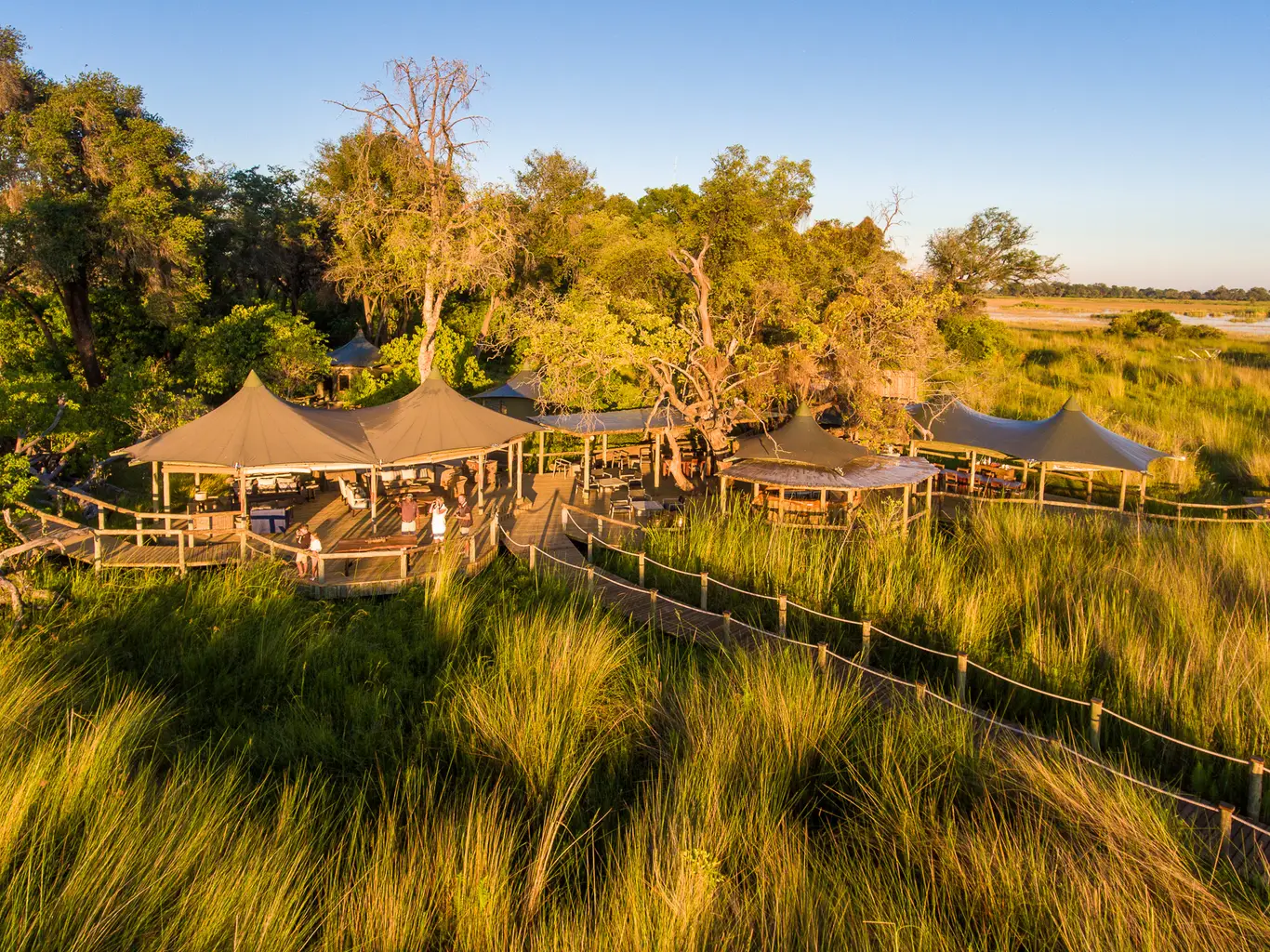
The first sunrise over the Okavango Delta should be spent listening for hippos, not searching for a clinic. If you are asking what vaccines for African safaris you need, the most useful answer is not a generic checklist. Your recommendations depend on your exact route, the season, your health history, where you have recently traveled, and whether your safari continues beyond Botswana to places such as Kenya, Tanzania, Rwanda, Uganda, Zambia, Zimbabwe, or Mozambique.
For a tailor-made journey, health planning deserves the same considered attention as choosing a private camp or deciding how many nights to spend in the Delta. Arrange a consultation with a travel-health clinician four to six weeks before departure where possible. They can review official requirements current at the time of travel and advise on the vaccinations and malaria prevention appropriate to you.
What Vaccines for African Safaris Are Usually Considered?
Most travelers begin by ensuring their routine vaccinations are current. This may include measles, mumps, and rubella; tetanus, diphtheria, and pertussis; polio; influenza; COVID-19; and shingles or pneumococcal vaccination where age or health guidance applies. These are not safari-specific, but international travel is a sensible moment to check that routine protection has not lapsed.
A travel-health clinician will commonly discuss hepatitis A, since it can be acquired through food and water, and hepatitis B, particularly for longer stays, repeat travel, medical care abroad, or activities where contact with blood may be possible. Typhoid may also be recommended depending on your itinerary, dining plans, and personal risk profile.
The advice is individual. A guest spending a week at refined wilderness camps in Botswana has a different exposure profile from someone combining safari with extended city stays, community visits, freshwater activities, or a longer multi-country expedition. Luxury travel reduces certain practical risks through carefully managed food, water, transfers, and accommodation, but it does not replace medical preparation.
Yellow fever: the vaccine that can affect entry
Yellow fever is often the source of the most confusion because it concerns both health protection and border requirements. Botswana is not a yellow-fever-risk destination. However, proof of yellow fever vaccination may be required for travelers arriving from, or sometimes transiting for a specified period through, a country considered at risk for yellow fever transmission.
This matters for African journeys with connections or extensions in parts of East and Central Africa, as well as for travelers whose international routing passes through a relevant country. Requirements can change, and rules may differ based on your passport, countries visited before arrival, transit duration, and the order of your itinerary.
The yellow fever vaccine is not appropriate for everyone. It has specific timing requirements and may require careful assessment for infants, pregnant travelers, older adults receiving it for the first time, and people with certain immune conditions or allergies. Do not rely on an old online itinerary or a fellow traveler’s experience. Confirm the current entry rules with your travel-health professional and the appropriate authorities before travel.
Rabies: consider the journey beyond the game drive
Rabies vaccination is not automatically necessary for every safari guest, but it is worth discussing. It may be more strongly considered for travelers spending considerable time in remote areas, children who may approach animals unexpectedly, guests undertaking longer trips, and those whose itinerary includes running, cycling, volunteer work, or frequent contact with animals.
Safari guides and camp teams are trained to keep wildlife encounters respectful and safe. Still, rabies risk is more commonly associated with dogs, bats, and other mammals than with the iconic wildlife you photograph from a vehicle. Pre-exposure vaccination does not remove the need for urgent medical care after a bite or scratch. It can, however, simplify treatment after an exposure, a valuable consideration in remote regions.
Botswana Safari Health Planning Is Different From East Africa
Botswana is rightly known for extraordinary, low-density wilderness. Its health considerations are also route-specific. The Okavango Delta, Chobe, Khwai, Savuti, and Linyanti are generally visited through well-managed camps and lodges, often reached by light aircraft or private road transfer. Yet these areas are within or near malaria-risk zones, especially during and after the rainy season.
Malaria is not prevented by a standard travel vaccine. Your clinician may recommend prescription antimalarial medication based on your destinations, travel dates, medical history, and tolerance for particular medications. They will also advise when to start and stop it. For travelers combining Botswana with Victoria Falls, Zambia, Zimbabwe, Mozambique, South Africa’s Kruger region, or East Africa, the recommendation may change as the itinerary changes.
Medication is only one layer of prevention. In camp, wear long sleeves and trousers at dawn and dusk when practical, use a suitable insect repellent, and sleep under the mosquito protection provided. Air-conditioned rooms and attentive camp service add comfort, but consistent personal precautions remain worthwhile.
If fever, chills, headache, or flu-like symptoms occur during travel or after returning home, seek medical attention promptly and tell the clinician exactly where and when you traveled. Malaria symptoms can appear after a journey has ended, so this detail helps guide timely testing.
Build Time Into Your Safari Countdown
Vaccines may need more than one appointment, and some take time to provide meaningful protection. A rushed consultation a few days before departure can still be useful, but it narrows your options. Ideally, raise the subject while your itinerary is being designed, particularly if you are considering a Botswana safari combined with gorilla trekking in Rwanda or Uganda, a Kenyan or Tanzanian migration experience, or an Indian Ocean stay in Mozambique, Mauritius, or Madagascar.
Bring your immunization record to your appointment. Tell the clinician about every country on the itinerary, including airport transit points and any pre-safari stopovers. Mention allergies, pregnancy, immune conditions, current medications, and previous reactions to vaccines. Travelers over 60 and parents traveling with young children should allow extra time for personalized advice.
A thoughtful travel-health visit also covers more than injections. Ask about altitude if your journey includes highland gorilla trekking, traveler’s diarrhea precautions, safe food and water choices, motion sickness for small-aircraft transfers, prescription medication documentation, and travel insurance with medical evacuation coverage. Carry essential medications in your hand luggage, in original labeled containers, with enough supply for the full journey and a little extra in case of disruption.
Questions Worth Asking Before You Travel
Rather than asking only, “Which shots do I need?”, take a more precise set of questions to your clinician. Are any vaccinations required for entry based on my full routing? Which are recommended for my age and medical history? Do I need malaria medication for each safari region? What should I do if I am bitten, scratched, or develop a fever? And are there any medicines or vaccines that conflict with my current prescriptions?
This approach protects the quality of your trip as well as your health. It allows you to travel with confidence, knowing the practical details have been addressed before the first bush flight lifts over a maze of Delta channels.
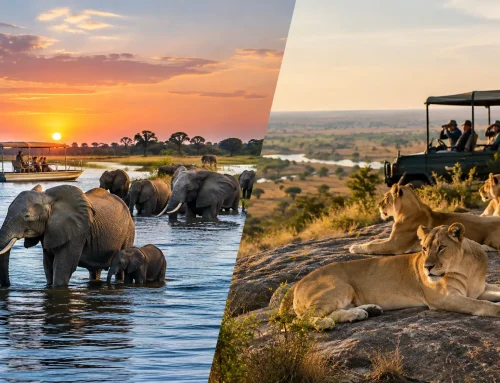
At Chloorokop Travel & Tours, we can help travelers understand the destination-specific health questions to raise as an itinerary takes shape, while medical decisions remain with qualified healthcare professionals. Good preparation leaves more room for the moments that matter: the quiet approach of elephants at a waterhole, a child’s first sight of a lion, and the privilege of experiencing Africa with care and respect.