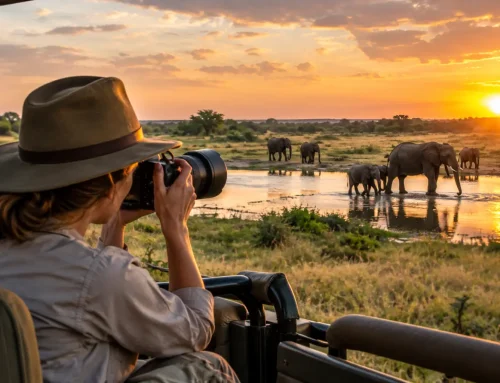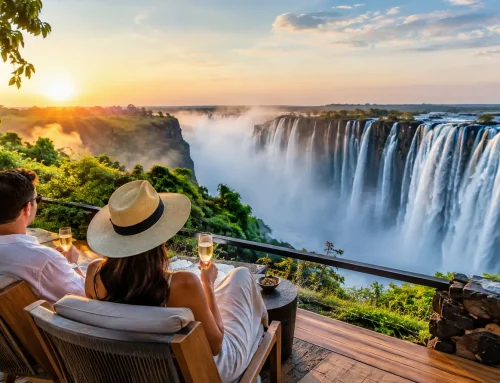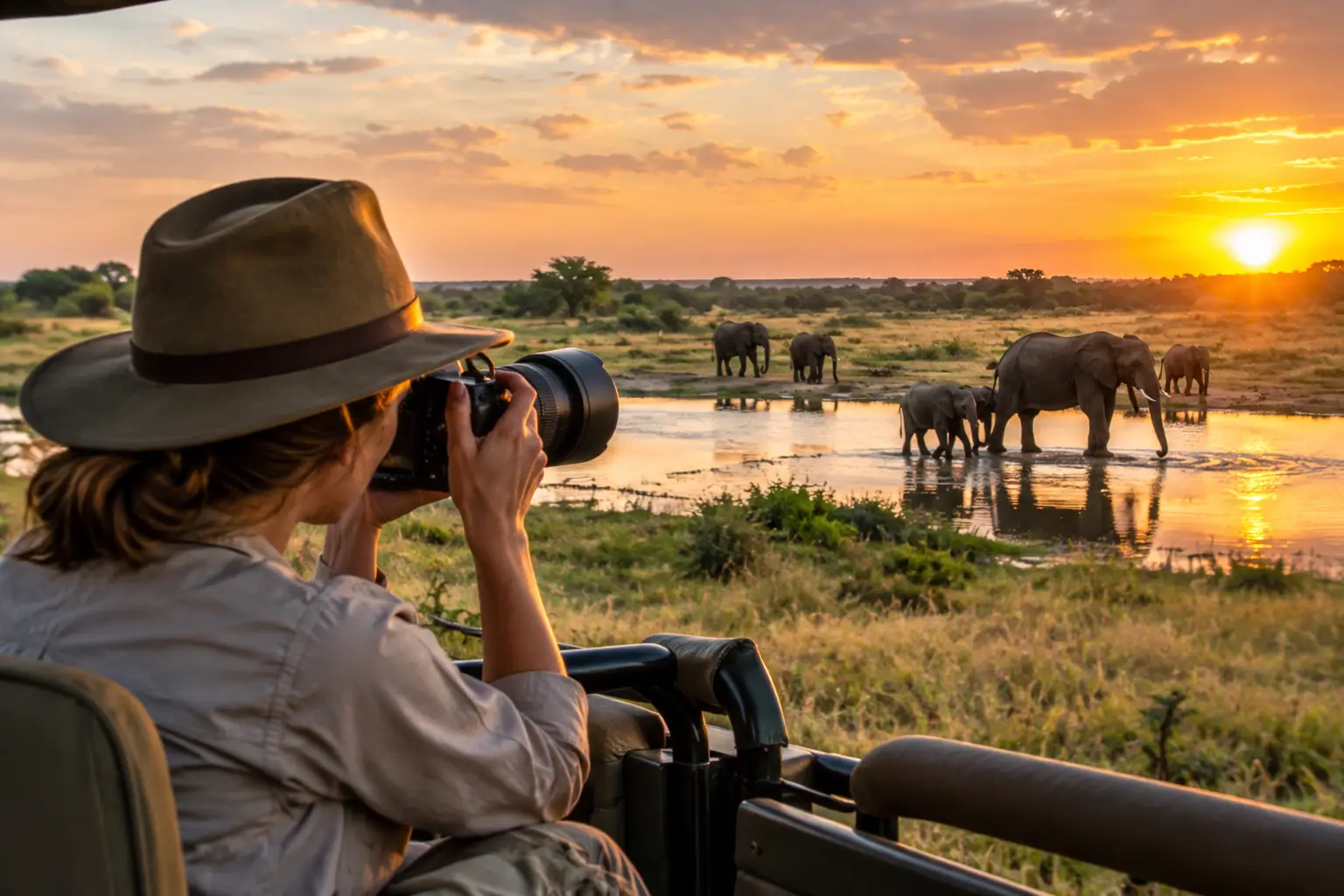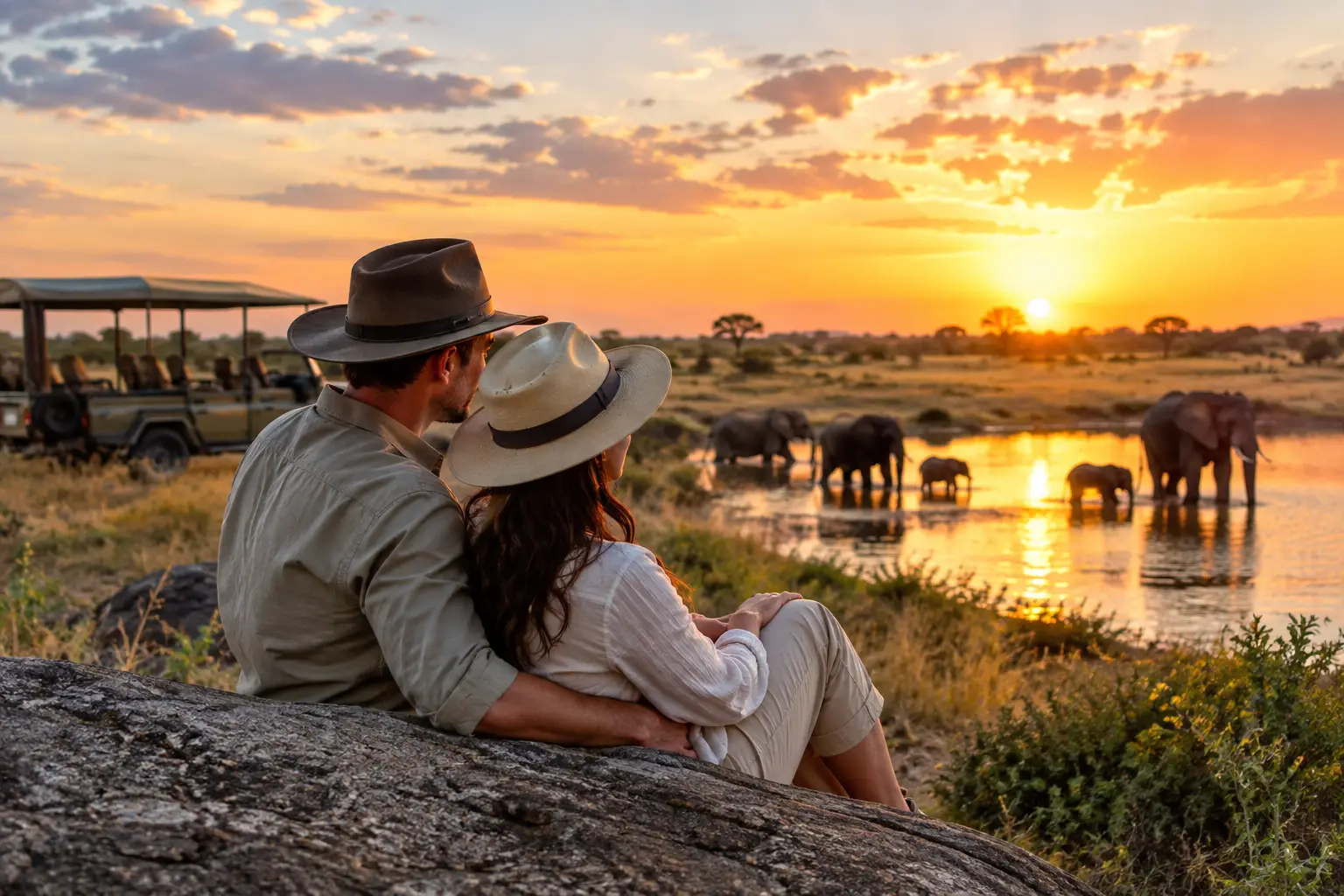
A boardroom agenda can clarify priorities. It rarely changes how people listen to one another. Corporate safari retreats create the conditions for a different kind of working session: a small executive team gathers after a dawn game drive, phones are put away, and the day’s strategic conversation begins with clear minds and a wider perspective.
For organizations planning an off-site that must feel both purposeful and exceptionally well cared for, a safari is not simply a reward trip with meetings added. Done well, it is a deliberately paced leadership experience. Botswana’s vast protected landscapes, discreet luxury camps, and experienced private guides offer privacy, perspective, and time that is increasingly difficult to protect in ordinary business life.
Why Corporate Safari Retreats Work
The value of taking a team into the wilderness is not that wildlife automatically makes people collaborate. The value is distance. Away from headquarters, routines, and back-to-back video calls, leaders have room to consider decisions without the usual urgency pressing in from every direction.
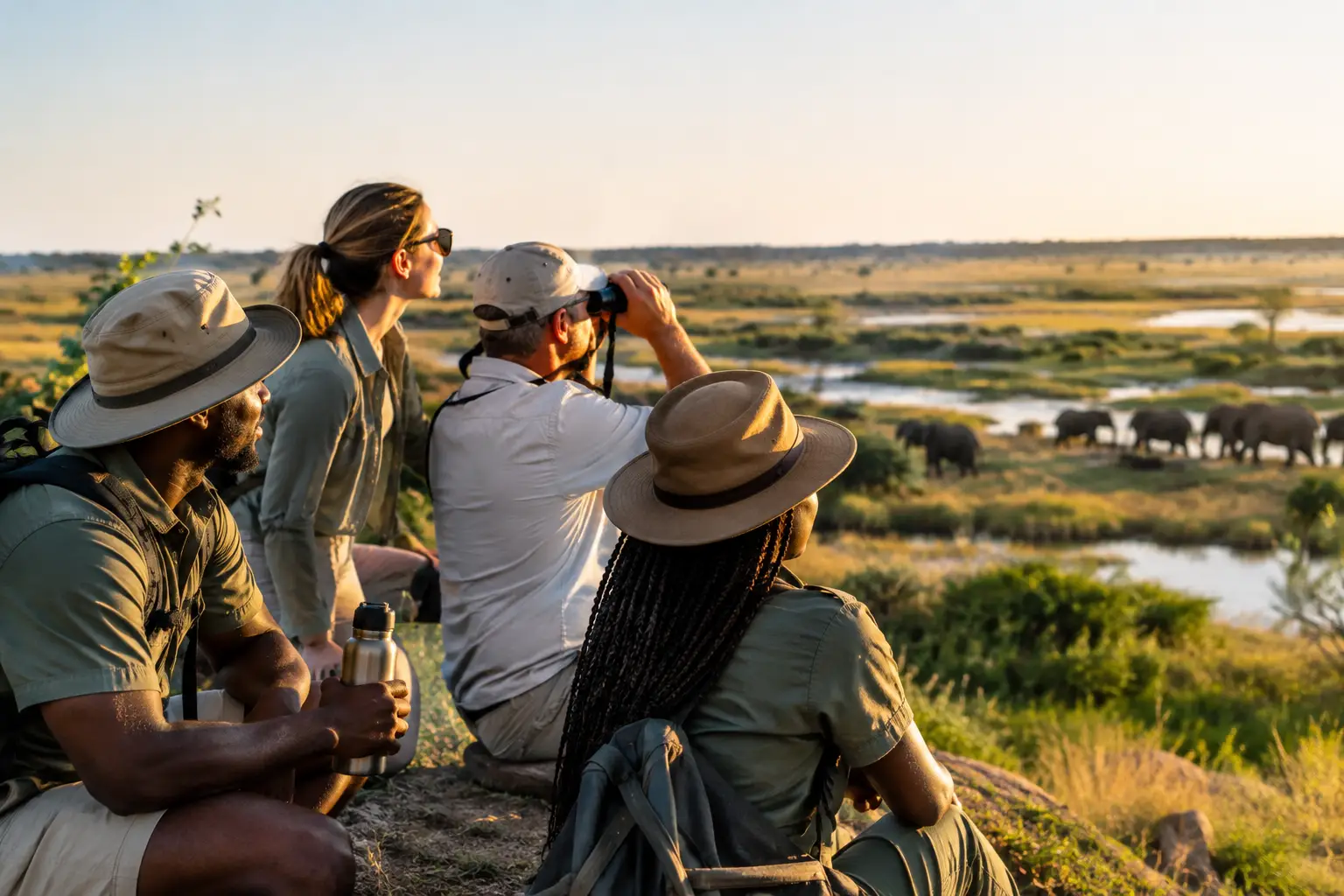
A well-designed retreat alternates focused work with restorative experiences. A morning session might address a business transition, a new market, or succession planning. In the afternoon, the group heads out with a guide who can read the landscape, track wildlife, and interpret the subtle connections between water, habitat, animals, and communities. That change of setting gives conversations time to settle. It also creates shared memories that feel earned rather than manufactured.
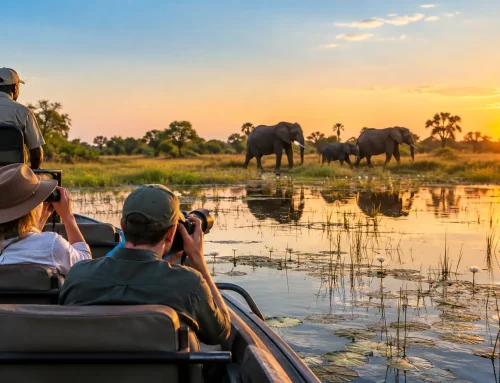
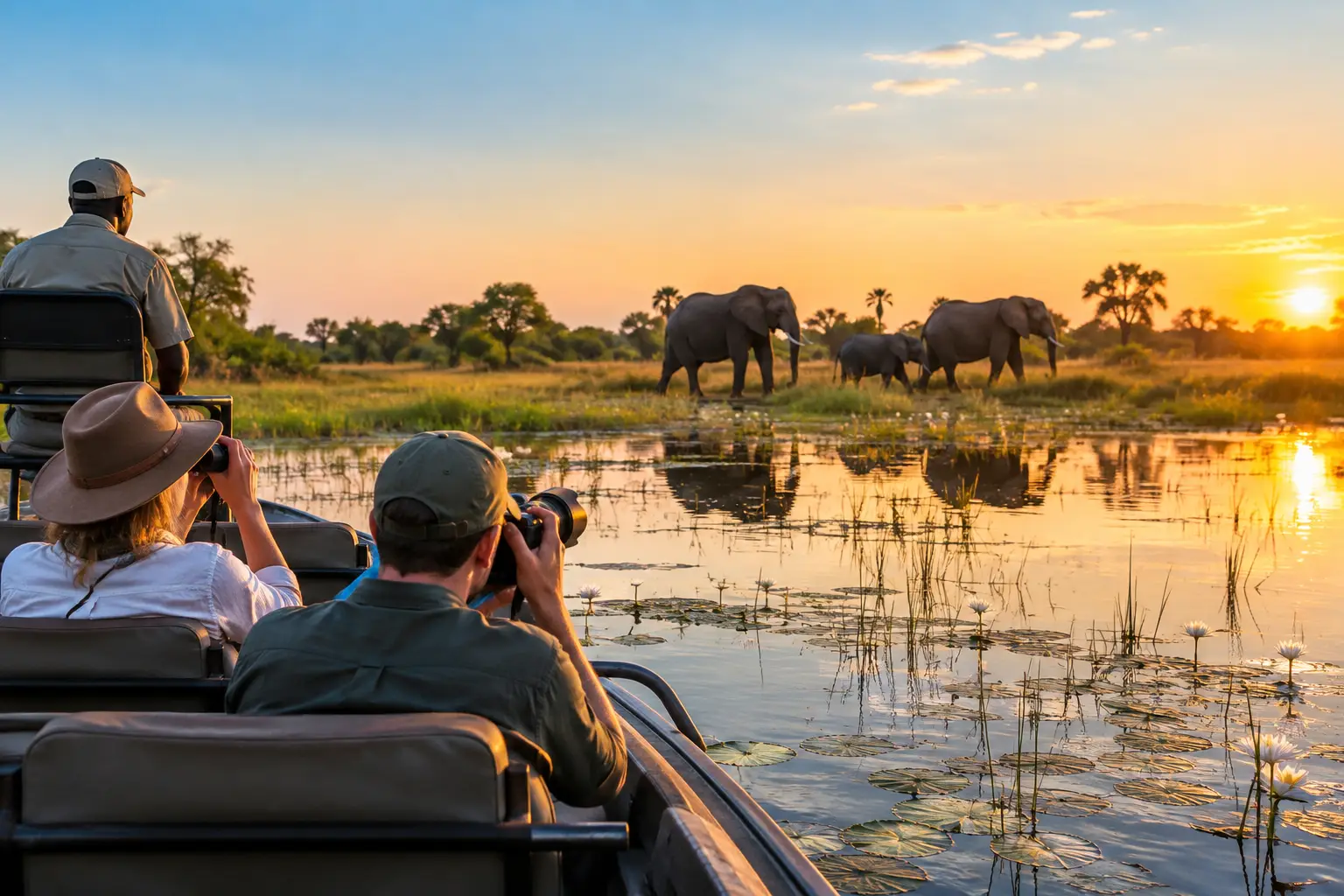
Botswana is particularly suited to intimate executive gatherings. The Okavango Delta, with its seasonal floodplains and channels, lends itself to quiet mokoro excursions and unhurried wildlife viewing. In Chobe, elephants move through riverine landscapes in remarkable numbers, while the Linyanti offers a more remote, private atmosphere. Each region brings a distinct rhythm, so the destination should follow the group’s objectives rather than a standard itinerary.
Start With the Outcome, Not the Destination
The strongest retreats begin with a clear question: what does this team need to accomplish together? A leadership alignment retreat needs protected meeting time, confidentiality, and enough space for serious discussion. A recognition trip for high-performing colleagues may place greater emphasis on shared adventure, exceptional dining, and restorative time. A cross-functional team rebuilding trust after rapid growth needs both structured facilitation and informal opportunities to connect.
This distinction affects every practical choice. A three-night stay at one exceptional camp can support depth and calm. A multi-region itinerary may be better for a longer incentive retreat, especially when the aim is to show guests the range of Southern Africa. More movement creates variety, but it also uses time and energy. For a compact leadership group, fewer transfers often lead to better conversations.
It is also worth deciding early whether the retreat is intended to be purely internal or to include clients, partners, or board members. These groups may need different accommodation layouts, a more formal hosting program, and tighter control over private meeting moments. Luxury in this context is not excess. It is the confidence that each guest’s comfort, privacy, dietary needs, arrival schedule, and level of participation have been considered.
Build an agenda with breathing room
Safari days run on natural light. Early mornings can be extraordinary, and many guests welcome a game drive before breakfast. Yet an agenda that fills every hour defeats the reason for leaving the office. A thoughtful structure leaves time to rest, write, have an unplanned conversation on a deck, or simply watch the landscape change.
A useful pattern is one substantial work block each day, supported by shorter check-ins rather than a full conference schedule. Meetings can be held in a private area of camp or, where appropriate, in an exclusive-use setting designed around the group. Afternoon and evening activities then become part of the retreat’s social architecture: a sunset cruise, a guided walk, a fireside dinner, or a stargazing session can invite the honest exchanges that rarely appear on an agenda.
Connectivity deserves a candid conversation. Many premium camps offer Wi-Fi, but remote wilderness locations are not meant to replicate an urban office. For some teams, that is precisely the point. Others need dependable access for a limited window each day. Establish expectations before departure, nominate an on-call contact if needed, and protect the retreat from avoidable interruptions.
What Luxury Logistics Should Cover
A corporate retreat can lose momentum quickly when travel details are left to chance. International arrivals, charter flights, luggage limits on light aircraft, meeting equipment, dietary preferences, and individual departure plans all need coordination. This is where destination-level planning matters as much as the itinerary itself.
For international teams, the journey may begin with coordinated flight bookings and a carefully timed arrival night before onward travel. Within Botswana, light aircraft transfers connect remote camps efficiently and add to the sense of arrival, but they also require precise baggage guidance and contingency planning. Guests should understand the flow of the journey well before they leave home, without being burdened by unnecessary operational detail.
The retreat host also needs a single, well-informed point of contact. That person should know who is arriving late, who requires a specific meal, where a private session is taking place, and how to adjust plans if weather or operational conditions change. Chloorokop Travel & Tours approaches this through tailored itinerary design, private guiding, premium accommodations, and concierge-led coordination from the first flight plan to the final departure.
Choose camps for the group, not just the view
A beautiful camp is essential, but it is only one part of the decision. For corporate use, consider the number and configuration of suites, privacy between rooms, shared areas that allow the group to gather naturally, and whether there is a suitable space for confidential discussion. Exclusive-use villas or private camps can be ideal for senior teams, particularly when discretion and flexible scheduling are priorities.
Service style matters, too. Some groups enjoy a highly social camp atmosphere. Others prefer a quieter property where their conversations remain fully their own. The right choice depends on team culture, seniority, and the purpose of the gathering. A knowledgeable planner will ask those questions before recommending a property.
Make Purpose Part of the Experience
Responsible travel should not be treated as a presentation slide or a staged visit. In Botswana and across Africa, tourism can support conservation areas, create skilled employment, and strengthen community enterprises when it is managed thoughtfully. The most meaningful corporate programs allow guests to understand that relationship with respect.
Depending on the destination and the interests of the group, this may include learning from conservation professionals, meeting local artisans through a fairly structured community partnership, or hearing how local residents and wildlife managers navigate the realities of living near wildlife. These encounters must be handled with care, consent, and adequate time. Communities are not an attraction, and a meaningful exchange cannot be rushed between activities.
For companies with environmental or social commitments, the retreat can also become a place to examine how values translate into decisions. The wilderness does not offer simplistic lessons, but it does make interdependence visible. Water, land, wildlife, livelihoods, and long-term stewardship are connected. That is a useful frame for leaders considering growth, resilience, and responsibility.
The Questions to Ask Before You Commit
Before confirming a safari retreat, clarify the group size, the desired level of exclusivity, the dates, and the true purpose of the time away. Ask how much meeting infrastructure is needed, whether spouses or partners are joining, and how guests will travel from different international gateways. Be open about physical considerations as well. Safari activities can be adapted, but walking, boat access, vehicle seating, and flight restrictions should be planned around the people attending.
Seasonality also shapes the experience. Botswana’s green season can offer dramatic skies, lush landscapes, fewer guests, and rewarding birdlife. Dry-season months often bring concentrated wildlife viewing around water sources and more predictable conditions. Neither is universally better. The ideal timing depends on the retreat’s priorities, the locations under consideration, and the pace the group wants.
A corporate retreat should leave people with more than photographs and a polished agenda. It should give them the rare experience of seeing their colleagues, their work, and the wider world with renewed attention. In Africa’s great wilderness spaces, that kind of perspective has a way of staying with a team long after everyone has returned home.