A tigerfish strikes with the force and unpredictability that make anglers forget the heat, the distance, and even the camera at their shoulder. A Zambezi tiger fishing safari is not simply a day on the water. It is an expertly paced wilderness journey through one of Southern Africa’s great river systems, where serious sport fishing can sit naturally alongside elephants at the bank, sundowners under riverine trees, and quietly exceptional lodge stays.
For travelers who want a fishing trip with genuine depth, the Zambezi offers something few destinations can match: challenging angling in a landscape that remains intensely alive. The experience is best planned around your preferred pace, the river’s seasonal conditions, and whether fishing is the centerpiece of the journey or one part of a broader safari through Zambia, Zimbabwe, Namibia, or Botswana.
Why the Zambezi Is Made for Tigerfish
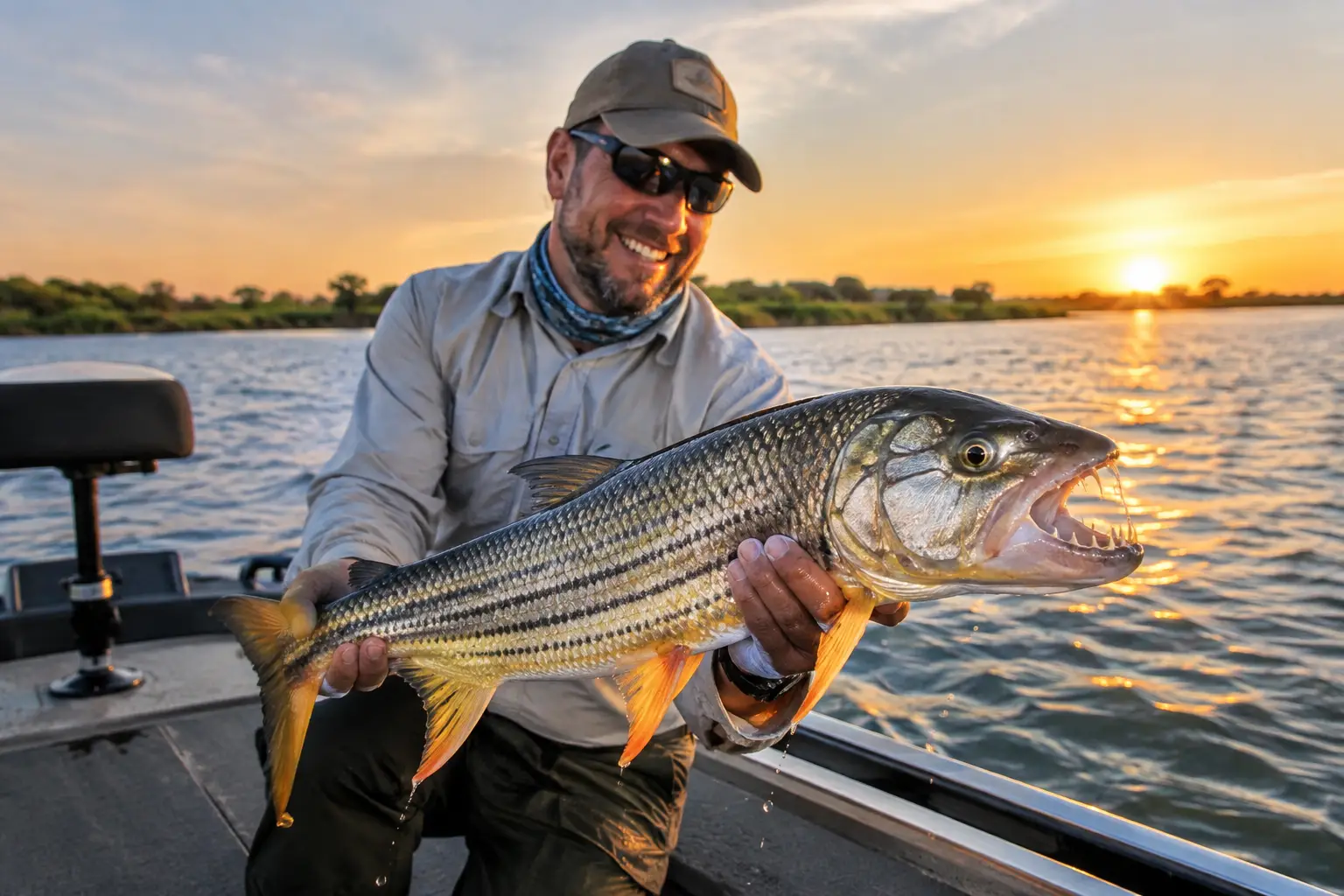
The Zambezi is Africa’s fourth-longest river, but its appeal to anglers lies in its character rather than its scale. In different reaches, it can be broad and calm, broken by islands and channels, or quickened by currents, submerged structure, and the pull of distant rapids. These changing conditions create excellent habitat for tigerfish, particularly the widespread Hydrocynus vittatus, a powerful predator recognized by its silver body, dark lateral stripes, and unmistakable teeth.
Tigerfish are not forgiving quarry. They hit hard, turn quickly, and use current, snags, and open water to their advantage. A lost fish is part of the story, not a failure of the day. That uncertainty is precisely what experienced anglers value. Every cast carries possibility, and every connection demands focus.
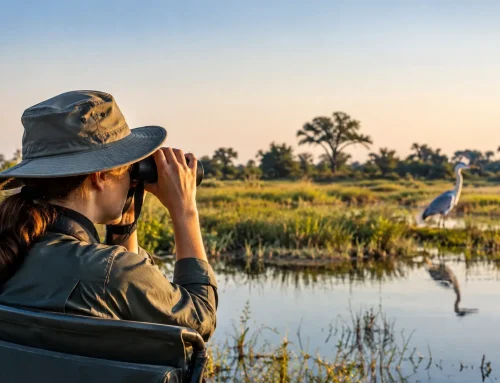
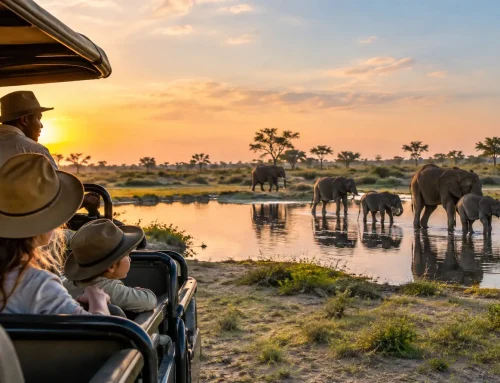
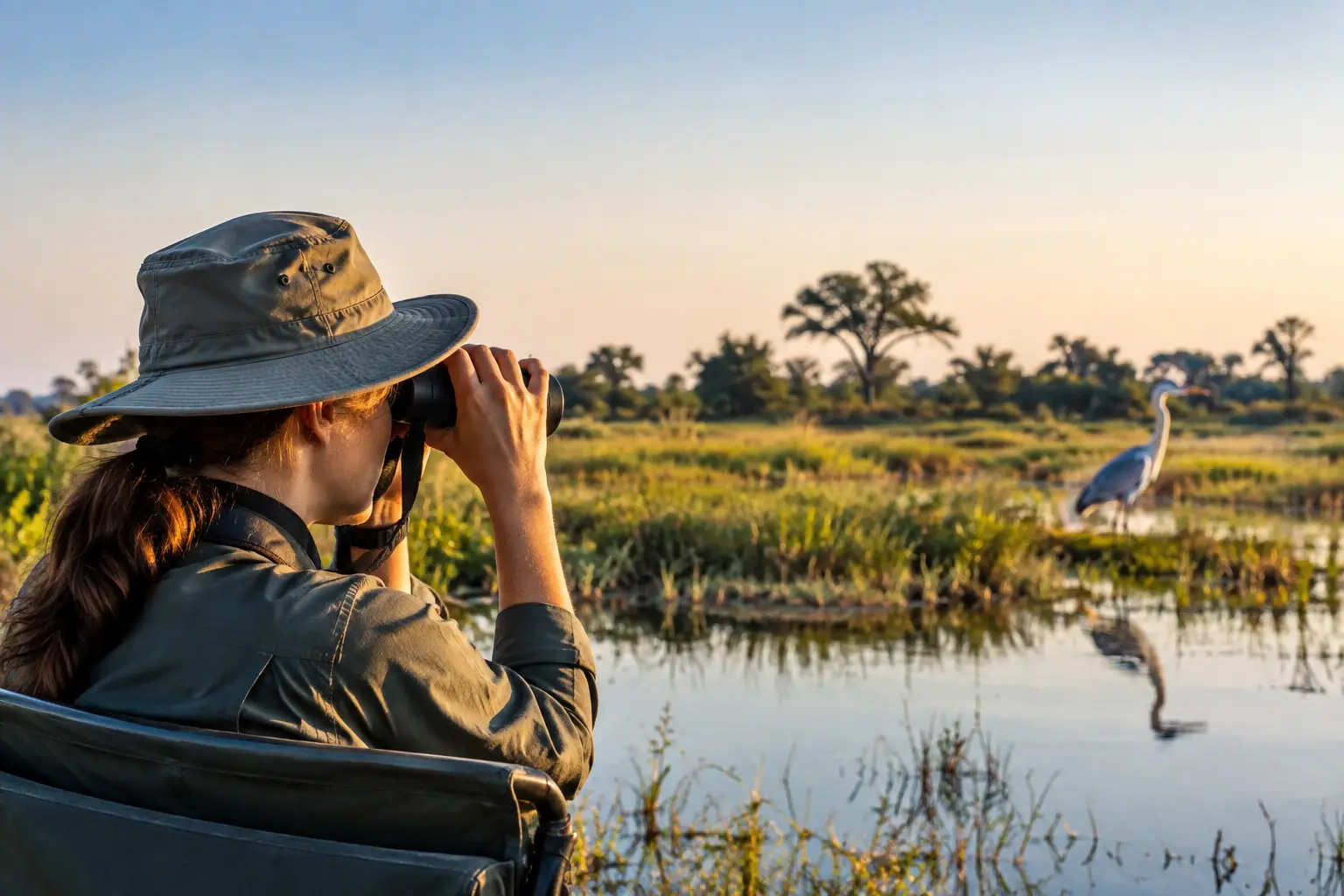
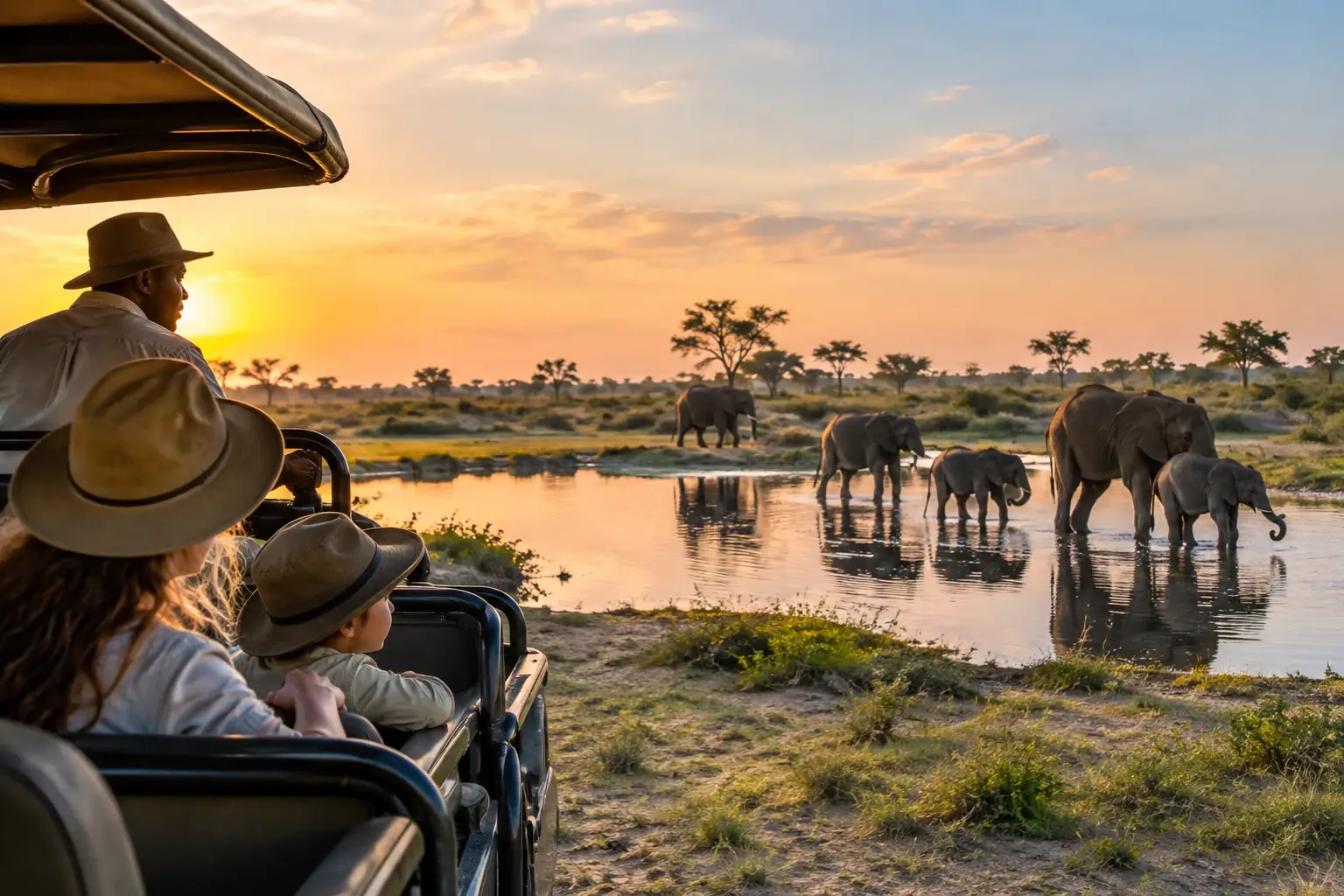
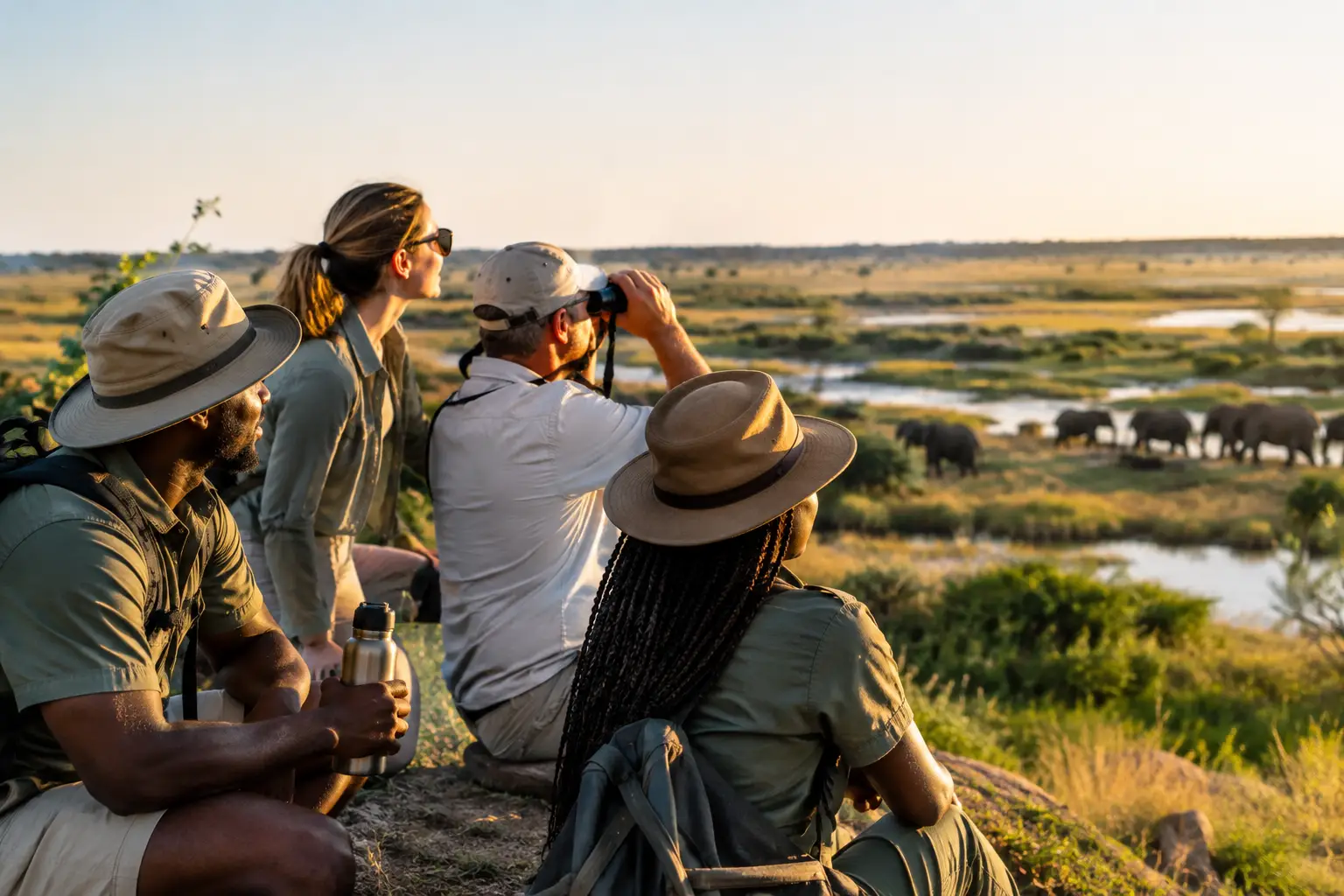
The river also rewards travelers who appreciate more than the catch. Fish eagles call from high branches. Hippos surface in quiet channels. Crocodiles hold their place on sandy edges, while elephants may cross the shallows or feed along the floodplain. On the Zambezi, fishing takes place within the rhythm of a working wilderness, not apart from it.
Choosing the Right Zambezi Tiger Fishing Safari
There is no single version of a Zambezi tiger fishing safari. The right itinerary depends on the fishing style you enjoy, your comfort preferences, and the level of wilderness you seek.
The Upper Zambezi, around the river corridors near Victoria Falls and the borders of Zambia, Zimbabwe, Namibia, and Botswana, is often favored for its channels, islands, and varied structure. This region can combine beautifully with a stay near Victoria Falls, a private river cruise, or a Chobe extension for guests who want both fishing and classic big-game viewing.
Further east, stretches of the river in Zambia and Zimbabwe can offer a more remote feel, with longer days dedicated to casting, trolling, or drifting productive water under the guidance of specialists who know the channels intimately. These areas can be particularly compelling for anglers who want fewer interruptions and are comfortable placing the fishing experience first.
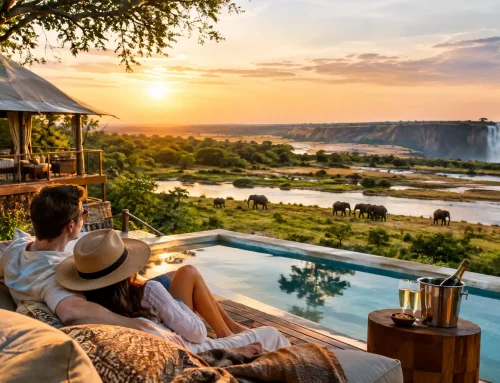
Accommodation matters as much as location. A refined riverside lodge or intimate safari camp changes the shape of the journey: early coffee before launch, a well-equipped boat waiting at the jetty, a return to a shaded suite after a warm afternoon, and dinner shaped around the day’s best story. Privacy, thoughtful service, and an excellent guide are not extras here. They allow the experience to feel effortless without making the wilderness feel managed.
Fishing-focused or safari-balanced?
A dedicated angler may prefer three to five full fishing days, with early-morning and late-afternoon sessions built around the river’s most productive periods. This approach gives your guide room to adapt – working a channel that fished well the day before, changing lure size after a weather shift, or returning to a promising run when the light softens.
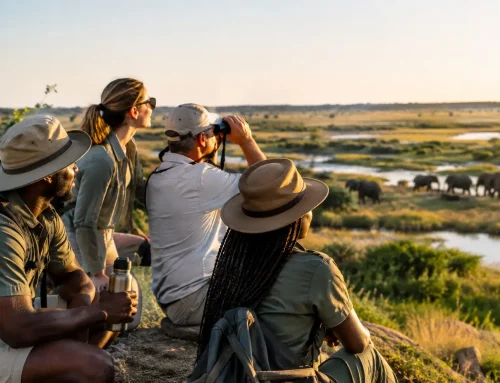
For couples, families, or mixed-interest groups, a balanced itinerary is often the better choice. One traveler can fish while another enjoys birding, photography, spa time, or a gentle river cruise. Shared afternoon outings can bring everyone together for wildlife viewing and sunset. The most successful tailor-made trips make space for different interests without reducing anyone’s experience to a compromise.
When to Go for Tigerfish on the Zambezi
Water level, temperature, weather patterns, and the particular river section all influence tigerfish behavior. Generally, the drier months from late winter into spring, roughly August through November, are popular for tigerfish fishing in many Zambezi areas. As water levels drop and temperatures rise, fish may concentrate around channels, drop-offs, and current lines.
That said, the “best” time depends on what you want from the journey. September and October can offer exciting fishing but bring serious daytime heat. The green season may introduce changing water conditions, yet it also brings dramatic skies, lush scenery, migratory birds, and a quieter atmosphere in some destinations. A specialist guide will read the river on the day rather than rely on a fixed formula.
If you are pairing fishing with a broader safari, seasonal wildlife patterns deserve equal consideration. In Botswana’s Chobe region, for example, dry-season riverfront game viewing can be exceptional. In other parts of Southern Africa, green-season travel may better suit travelers drawn to photography, birdlife, and softer landscapes. Thoughtful itinerary design weighs all of these elements together.
The Gear, Techniques, and Guidance That Matter
Most luxury fishing safaris provide quality tackle, boats, and local expertise, though keen anglers may wish to bring a favorite rod or selected lures. Because tigerfish have sharp teeth and explosive takes, leaders, hooks, and knots require particular attention. Strong spinning or baitcasting setups, wire or heavy fluorocarbon traces where appropriate, and reliable landing equipment are standard considerations.
Your guide may use casting, trolling, drifting, or live-bait techniques depending on the destination’s regulations, water conditions, and the day’s fishing. Casting surface lures or spoons along structure can be thrilling, while trolling allows anglers to cover water and locate active fish. Neither method is automatically superior. The river, the season, and your experience level should guide the approach.
A skilled local guide provides far more than technical instruction. They understand safe boat positioning around hippos and crocodiles, recognize changing weather, interpret currents, and know when to move on from unproductive water. They also help novice anglers develop confidence quickly without diminishing the challenge for more seasoned fishers.
Responsible Fishing on a Living River
Tigerfish are a precious sporting resource, and responsible angling protects the quality of the experience for future guests and local communities. Catch-and-release practices are widely encouraged on specialist trips, particularly for large breeding fish. Fish should be landed efficiently, handled with wet hands or appropriate equipment, kept in the water as much as possible, and released carefully once revived.
Responsible travel also extends beyond the fish. Boat operators should maintain respectful distances from wildlife, avoid sensitive nesting or feeding areas, and follow local park, fisheries, and community rules. Regulations can vary by country and river section, so permits, fishing methods, and any seasonal restrictions should always be confirmed before travel.
At Chloorokop Travel & Tours, we believe refined travel and responsible travel belong together. A well-designed fishing safari can support local guides, lodge teams, conservation-minded operators, and the communities whose knowledge and stewardship help keep these river landscapes remarkable.
Pairing the River With a Wider Southern Africa Journey
The Zambezi is ideally placed for a multi-destination itinerary. Start with a few fishing days on the river, then continue to Victoria Falls for misty viewpoints and helicopter scenery, or cross into Botswana for Chobe’s elephant-rich riverfront and the quieter waterways of the Okavango Delta. A Zambia and Zimbabwe combination can add remote bush camps, walking safaris, and dramatic escarpment landscapes.
The key is not to add destinations simply because they are nearby. Too many flights and one-night stops can dilute a trip that should feel unrushed. Private transfers, well-timed regional flights, and stays of at least several nights in each place create a more graceful rhythm. For a honeymoon, that may mean alternating active fishing mornings with restorative afternoons. For a group of friends, it may mean a private-use camp where the day’s schedule remains entirely flexible.
A great tigerfish safari leaves you with more than a photograph of a remarkable fish. It leaves you remembering the sudden tension in the line, the guide’s calm instruction, the hush after release, and the river continuing around you – wild, generous, and entirely on its own terms.