A bowl of slow-simmered seswaa after an afternoon in Botswana’s wilds can say more about a place than a polished tasting menu ever could. The finest African culinary travel experiences are not built around ticking off dishes. They bring travelers close to the landscapes, seasons, hosts, growers, fishers, and cooks whose knowledge gives every meal its character.
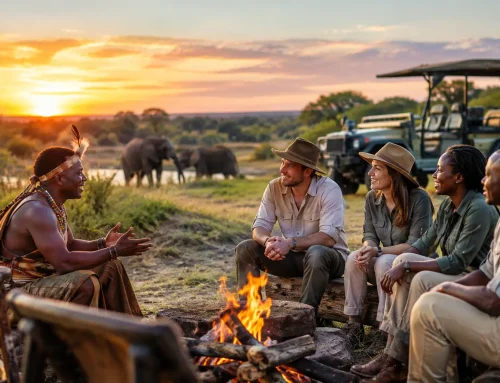
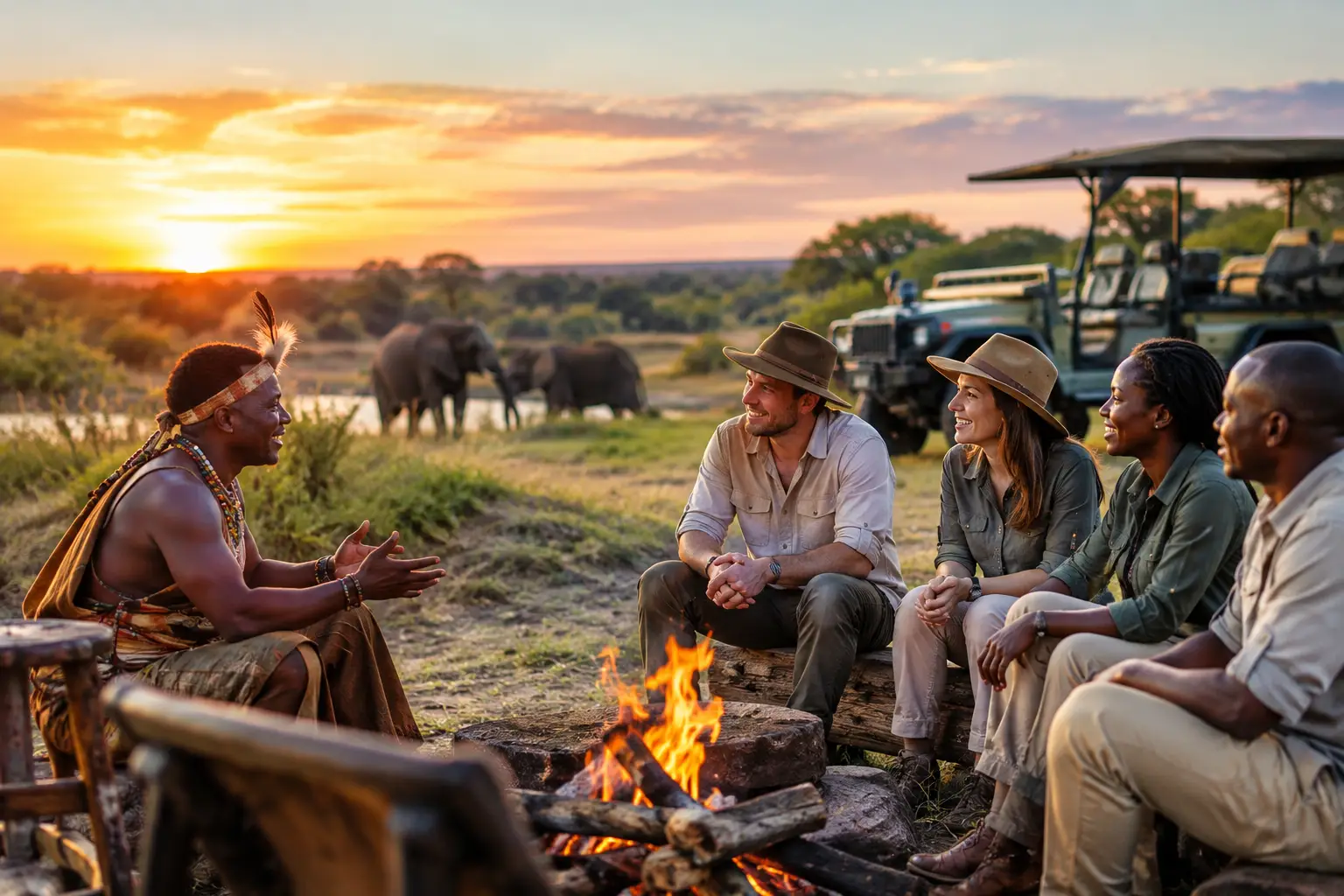
For travelers who expect comfort but want genuine connection, food becomes a natural thread through an itinerary. It may begin with coffee before a private game drive, continue with a chef’s interpretation of regional ingredients at a remote camp, and end around a fire with stories shared over a local specialty. The point is not to make every meal ceremonial. It is to make room for the moments that reveal Africa, personally.
What Makes African Culinary Travel Experiences Distinctive
Africa is not one cuisine, and treating it as one misses the pleasure of traveling here. Coastal East Africa carries the influence of Indian Ocean trade in fragrant spices, coconut, seafood, and rice. Southern Africa brings together indigenous ingredients, farming traditions, and layered culinary histories. In North Africa, preserved lemon, olive oil, grains, and slow-cooked dishes reflect both climate and centuries of exchange. West African kitchens offer bold heat, fermented flavors, smoke, and extraordinary depth.
The most memorable culinary journeys respect this regional specificity. A meal in Botswana’s Okavango Delta should feel different from dinner in Cape Town’s winelands, a spice-focused afternoon in Zanzibar, or a fireside feast in Namibia’s desert. Luxury lies in having the time, access, and thoughtful guidance to understand those differences without sacrificing ease or privacy.
Food also changes with the environment. In the delta, menus may feature freshwater fish, seasonal greens, and locally sourced beef alongside refined international dishes. In South Africa, a private cellar tasting can be paired with the region’s produce and coastal seafood. In Rwanda or Uganda, coffee offers a compelling connection to highland landscapes and the people who cultivate them. The experience is strongest when the setting and plate speak to each other.
Begin in Botswana: Wilderness With a Sense of Place
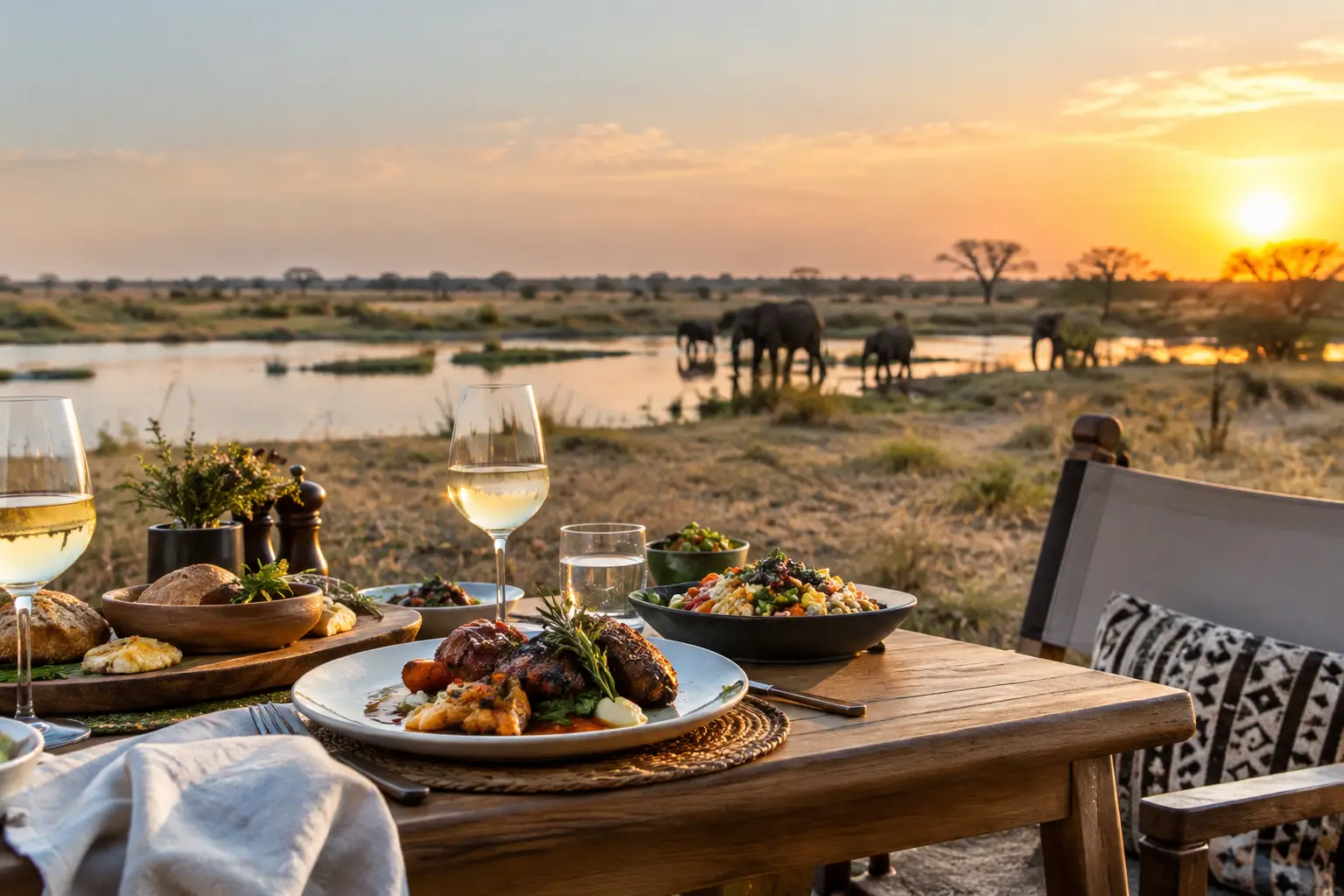
Botswana offers a particularly elegant starting point for a culinary safari. Its camps and lodges are often set in remarkably remote environments, where logistics matter and good hospitality is a craft. The best properties balance sophisticated cooking with a real sense of place: breakfast before the floodplains wake, chilled refreshments after a mokoro excursion, and dinner under wide southern skies.
Traditional foods can be woven into a bespoke itinerary with care. Seswaa, a tender pounded beef dish, is central to Botswana hospitality and is often served with pap, a maize porridge. Morogo, a term used for leafy greens, may appear in seasonal preparations. Local ingredients such as sorghum, wild spinach, river fish, and indigenous fruits can add texture to lodge menus when availability and sourcing allow.
There is a trade-off worth understanding. The more remote the camp, the more complex fresh provisioning becomes. That is part of the reality of a true wilderness stay, not a compromise in service. Skilled camp chefs work within those conditions to create generous, beautiful meals, while a well-planned itinerary can combine remote safari dining with more expansive culinary experiences in places such as Cape Town, the Winelands, or Victoria Falls.
Dining in the Delta
In the Okavango Delta, food is best experienced as part of the rhythm of the day. An early breakfast supports a morning game drive. A shaded lunch creates a pause during the heat. Sundowners mark the shift into evening, followed by a dinner that can be as private or sociable as a traveler prefers.
For honeymooners, a secluded dinner arranged away from the main lodge can feel deeply personal without becoming theatrical. For families, a hands-on cooking moment with a chef may create more lasting memories than a formal tasting. For photographers, flexible meal timing is essential when light and wildlife activity dictate the schedule. This is where a tailored journey matters: the culinary experience should support the reason you came, not interrupt it.
Beyond the Lodge: Markets, Makers, and Meaningful Encounters
Exceptional lodge dining is only one part of a food-centered African itinerary. Markets, farms, kitchens, wineries, and small-scale producers provide another kind of access. They bring travelers into contact with the human side of a destination, often through conversations that cannot be replicated in a restaurant.
In Cape Town, an itinerary might include a private guide-led introduction to the city’s food cultures followed by a winelands lunch chosen for its estate, chef, or setting. In Zanzibar, the aromas of cloves, cardamom, and cinnamon offer an entry point into Swahili culinary history. In Kenya, a visit with a community-based food initiative can reveal how local agriculture, hospitality, and conservation are connected. The right experience depends on a traveler’s interests and on whether the visit is genuinely welcome, well-run, and beneficial to the host community.
That last point matters. Responsible culinary travel is not about treating people’s kitchens or traditions as entertainment. It means choosing experiences where hosts retain agency, are fairly compensated, and can share their culture on their own terms. It also means being curious without demanding access to every private ritual or home. A knowledgeable local guide helps set the right tone.
How to Design a Culinary Journey That Still Feels Like a Safari
A food-focused trip does not need to become a succession of reservations. In fact, the most satisfying itineraries leave space for wildlife, rest, and the surprises that make Africa unforgettable. Culinary elements work best when they are integrated rather than overprogrammed.
Start by deciding what food means to you. Some travelers want chef-led dining, private wine experiences, and distinctive urban restaurants. Others are drawn to regional home cooking, coffee, tea, spice, fishing, or farm-to-table stories. There is also room for travelers who simply want excellent meals alongside a beautifully paced safari. All are valid priorities, but they lead to different route choices.
Timing is equally important. Southern Africa’s safari seasons, East Africa’s migration patterns, harvest periods, and coastal weather vary considerably. A wine-focused extension in the Cape may pair naturally with a Botswana safari, while a Zanzibar stay can offer a restorative contrast after gorilla trekking or a Kenya safari. The ideal sequence depends on travel dates, tolerance for internal flights, desired pace, and how much time you want in each setting.
For a multi-country journey, professional coordination makes a tangible difference. Private transfers, flight schedules, dietary requirements, luggage handling, reservations, and camp timing must all work together. Chloorokop Travel and Tours designs these details around the individual traveler, pairing Botswana-born safari knowledge with carefully selected experiences across Africa.
Questions Worth Asking Before You Go
Dietary needs deserve a clear conversation well before departure. Luxury camps and leading hotels are often highly capable with vegetarian, vegan, gluten-free, halal, kosher-style, and allergy-conscious dining, but standards and ingredient availability can differ in remote areas. Early notice allows chefs and hosts to plan well rather than improvise.
It is also wise to ask how culinary visits are sourced. Are local guides leading them? Do producers or community partners benefit directly? Is the experience designed for a small private party, or will it place you in a crowded group? Privacy and authenticity are not identical, but thoughtful planning can often deliver both.
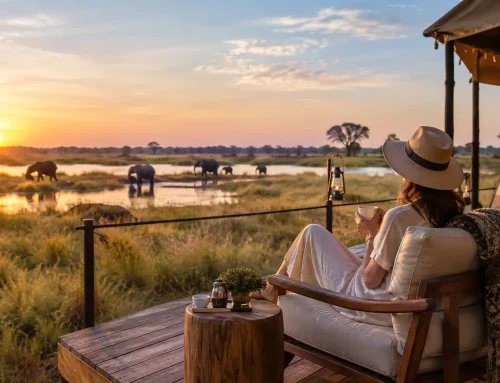
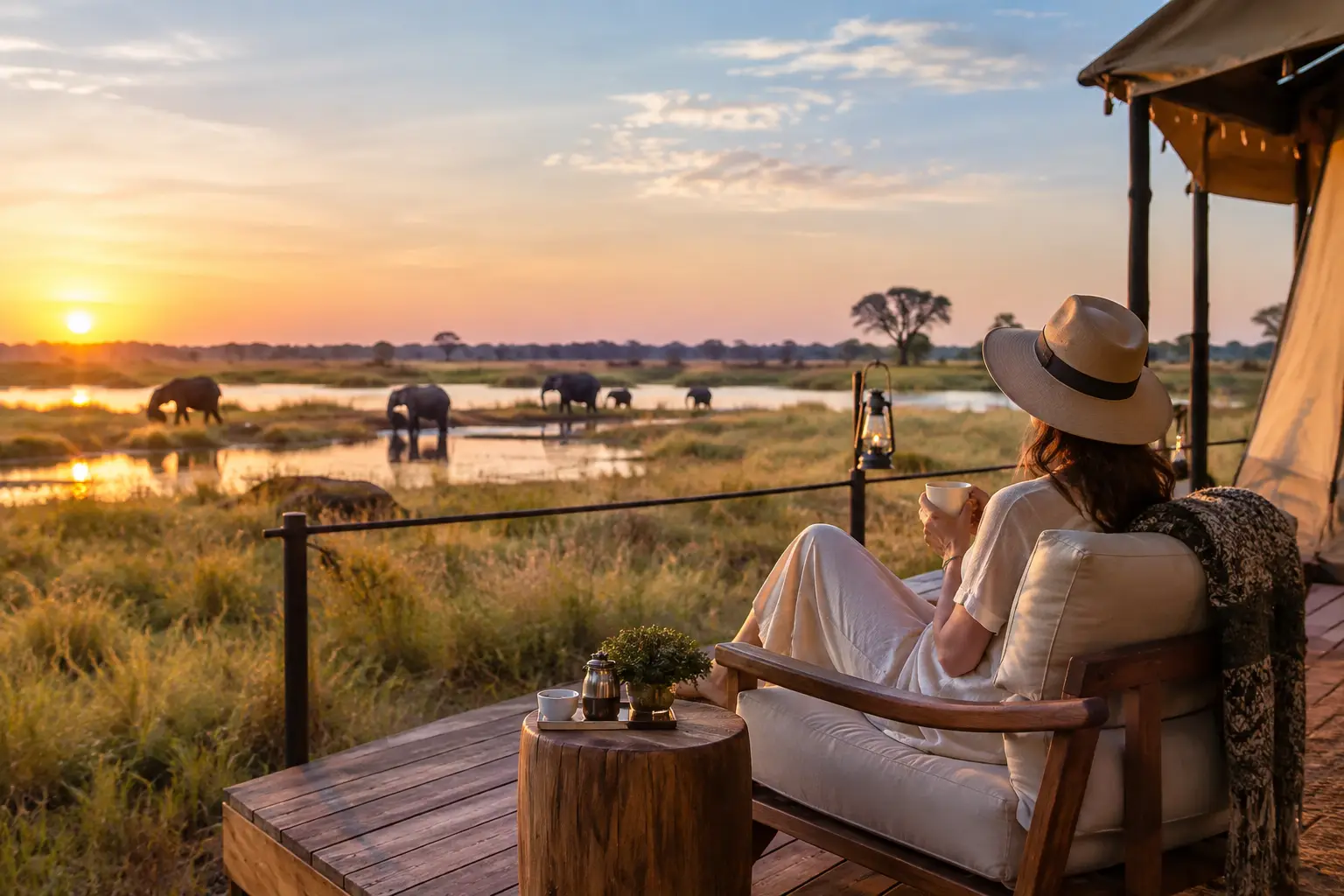
Finally, leave room for a meal with no agenda at all. It may be a simple breakfast on a lodge deck as elephants move through the distance, a fresh catch prepared near the coast, or a familiar dish offered with quiet pride. Travel beautifully, leave meaningfully, and let the table be one of the places where Africa stays with you.