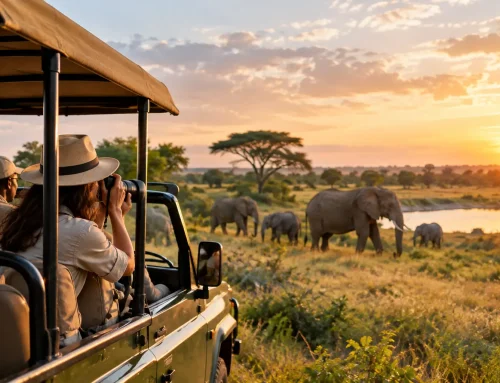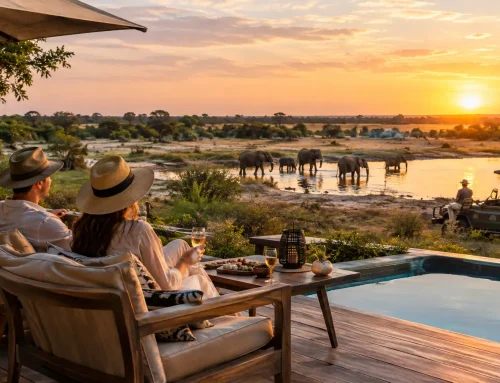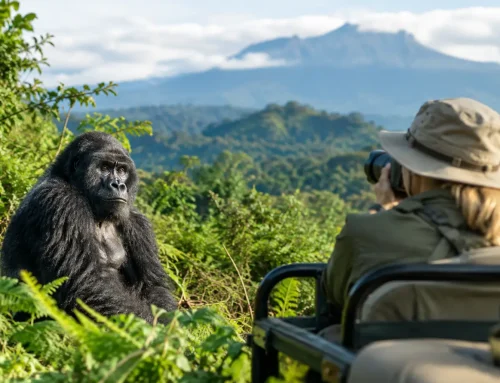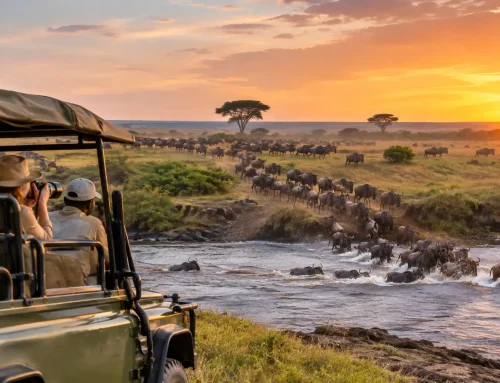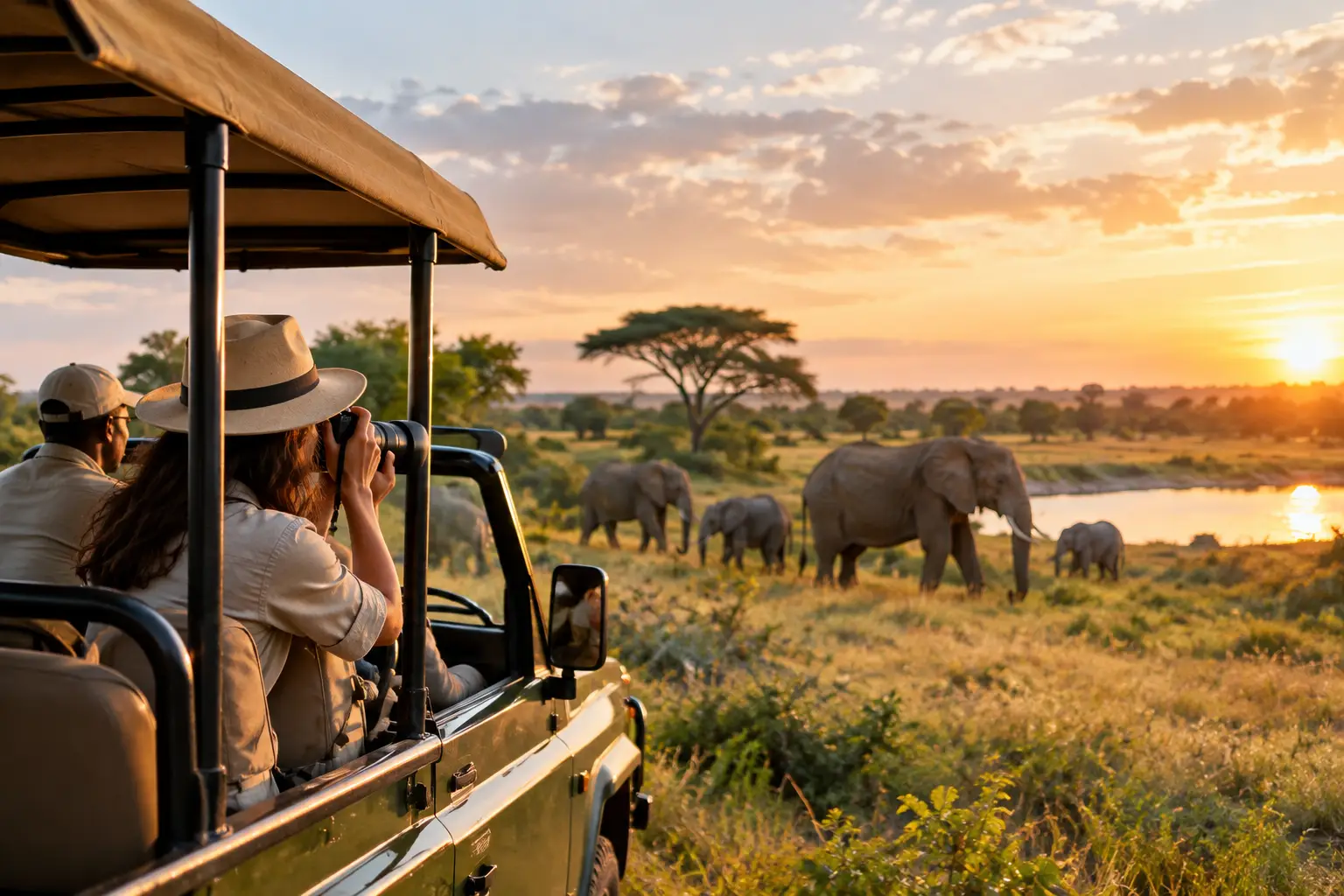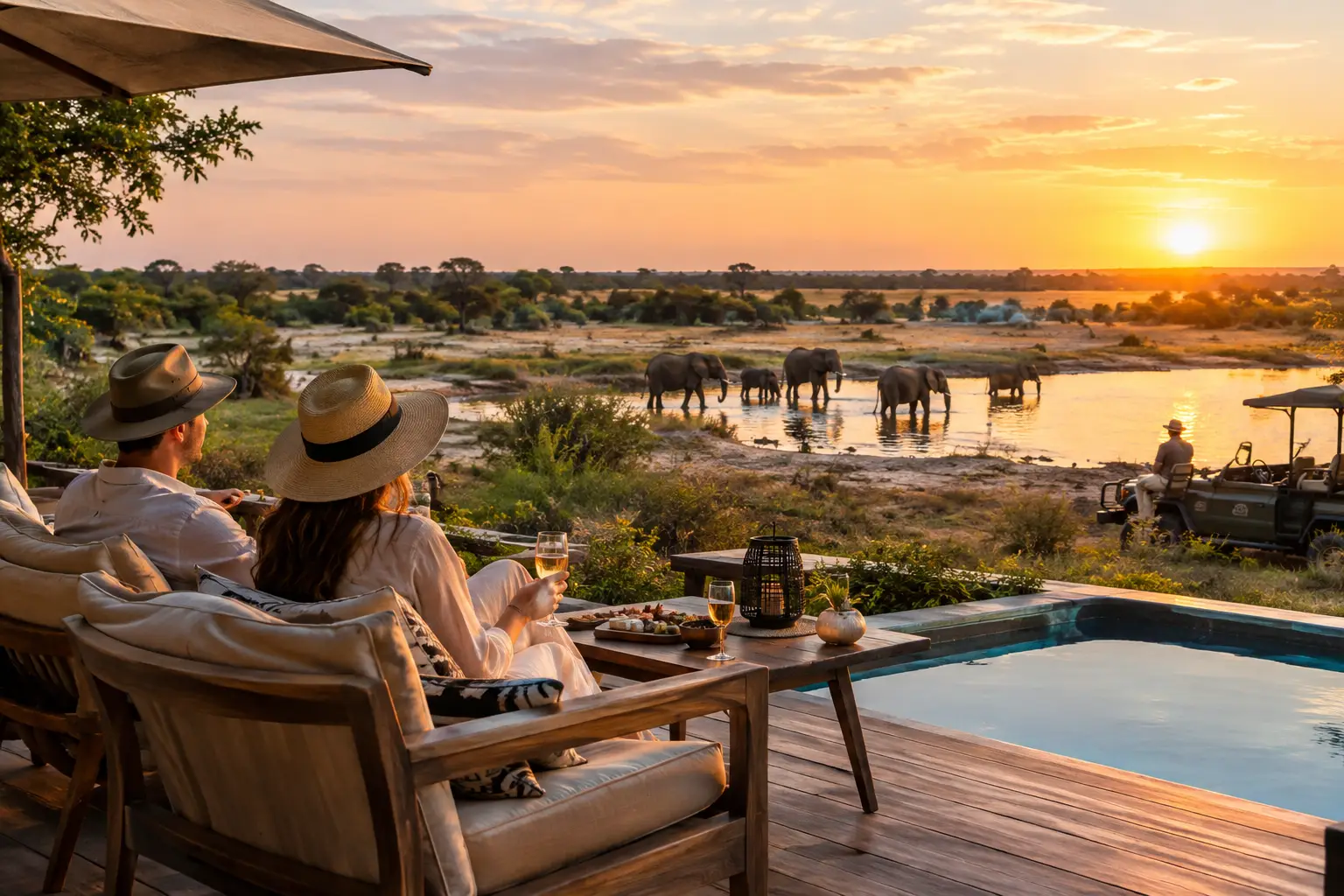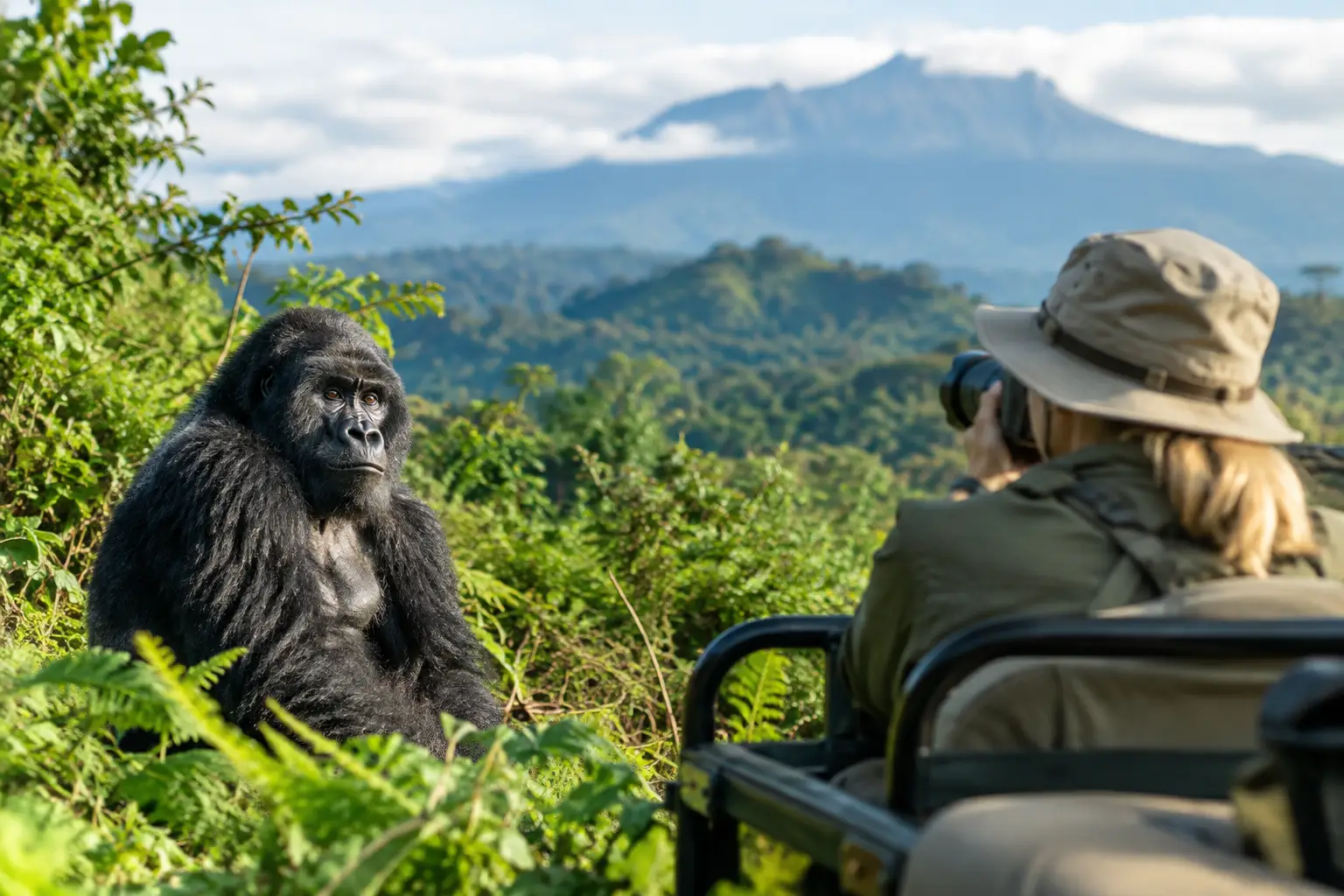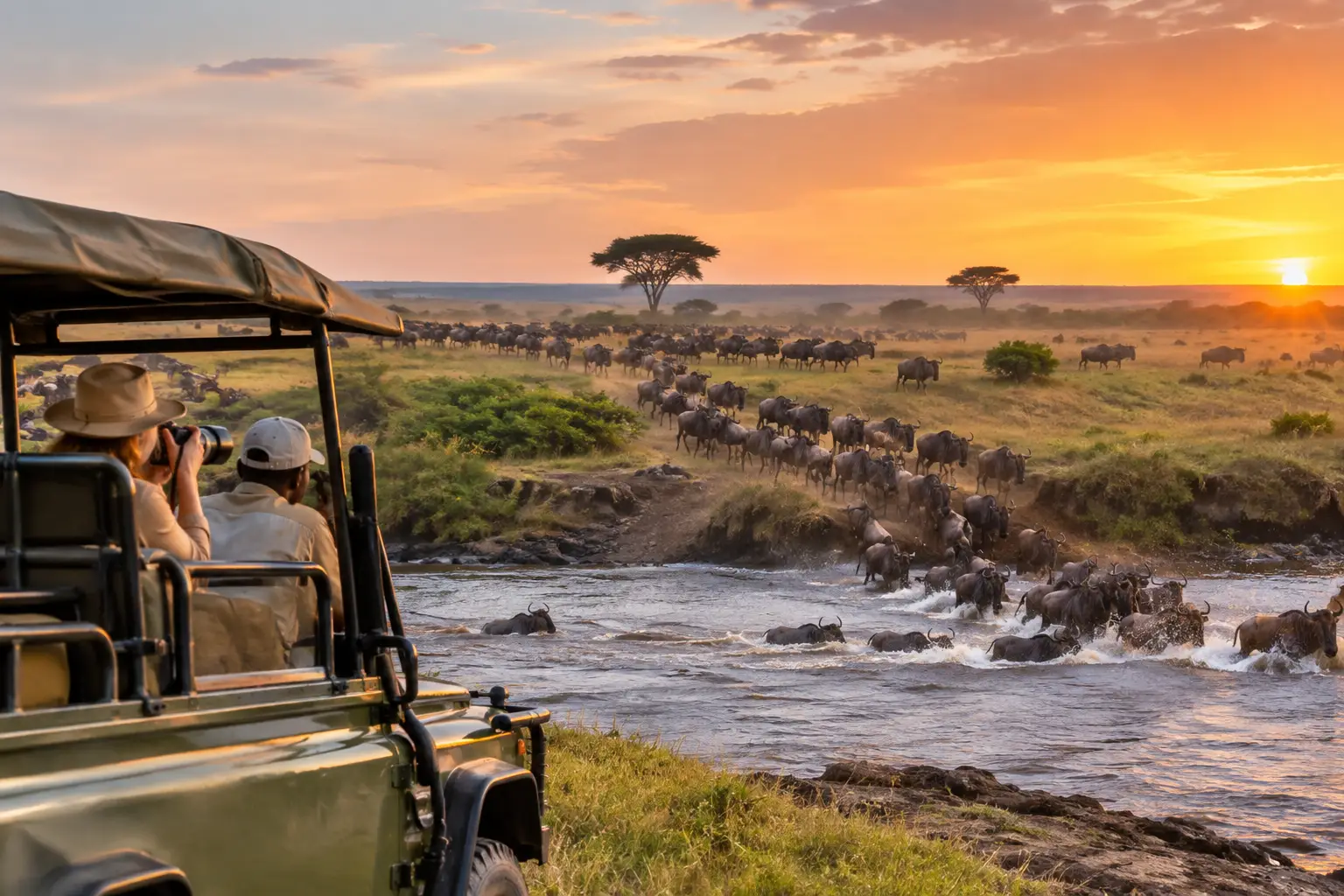
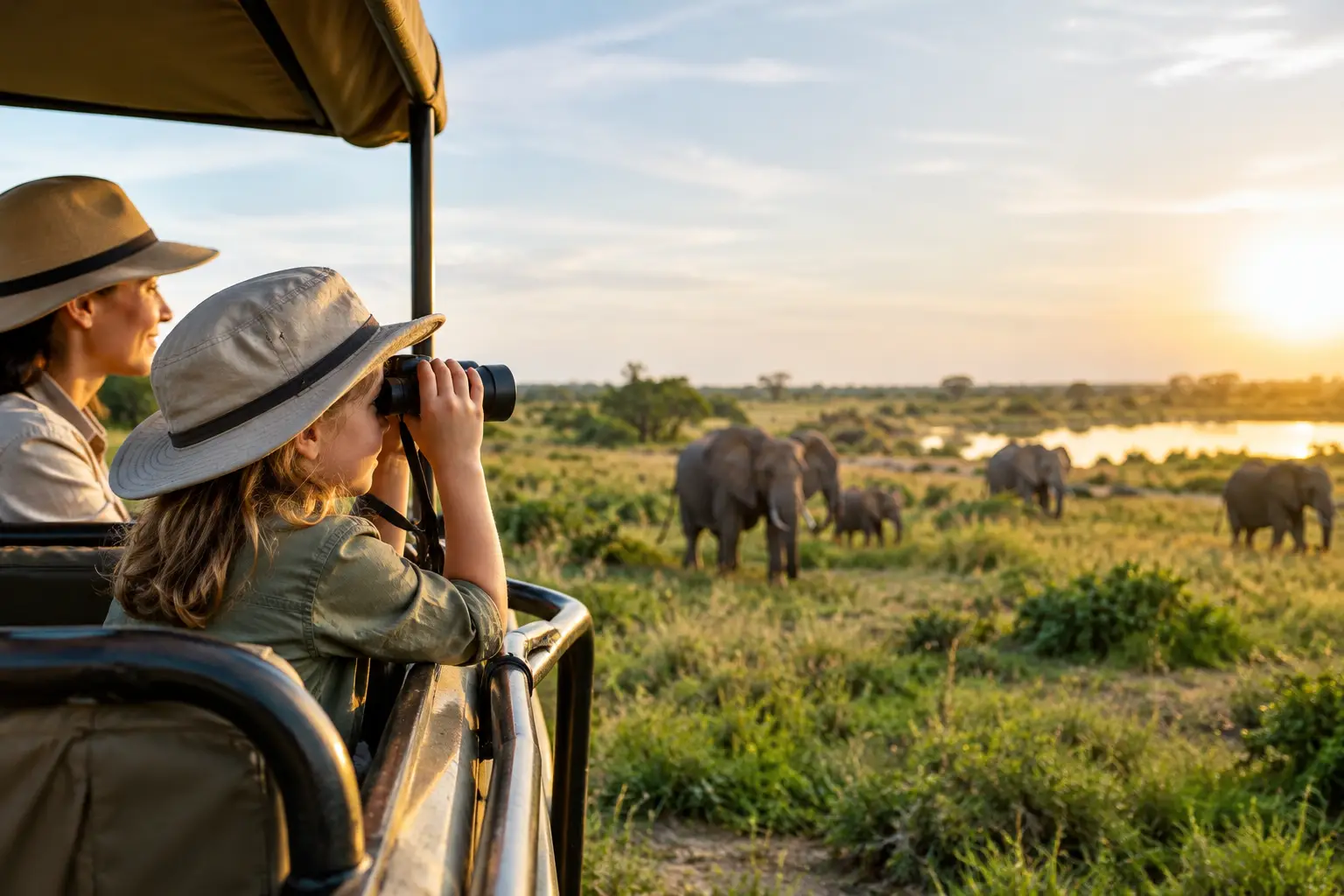
A leopard settles into the shade beside a riverbank. Your child is quiet, binoculars raised, watching a scene that no screen could reproduce. This is the promise behind a well-planned family journey, but can children join safari experiences in Botswana? Absolutely – provided the itinerary is designed around their age, temperament, and your family’s preferred level of privacy and comfort.
A safari with children is not simply an adult itinerary with an extra bed added. The right journey considers camp age policies, flight connections, drive times, wildlife-viewing etiquette, and the pace at which young travelers can truly enjoy the bush. When those details are thoughtfully managed, Botswana can offer one of the most memorable family adventures in Africa.
Can Children Join Safari in Botswana?
Yes, children can join safari trips in Botswana, though each lodge, camp, and activity has its own minimum-age policy. Many family-friendly properties welcome children from six years old, while some private villas and exclusive-use camps can accommodate younger children. More remote camps, shared game drives, mokoro excursions, and walking safaris may carry higher age limits for good reason.
There is no single answer because Botswana’s wilderness areas are wonderfully varied. A child who is ready for a relaxed safari in the Chobe region may not yet be suited to light-aircraft transfers into the Okavango Delta or long, quiet wildlife drives in predator-rich concessions. The best itinerary matches the family rather than trying to make the family fit a fixed route.
Private travel makes a significant difference. A private vehicle and guide allow a family to return to camp when a child is tired, spend longer with elephants rather than searching for a rare cat, or pause for a snack without worrying about other guests. It also gives guides the freedom to turn a game drive into a conversation about tracks, bird calls, animal behavior, and conservation.
Age Rules Are About Safety, Not Exclusion
Age limits are often misunderstood as a restriction, when they are primarily a safety measure. On a shared open vehicle, everyone must remain seated and quiet when wildlife is close. On a walking safari, guests need to understand instructions immediately and respond calmly. Water-based activities can have their own requirements, particularly during high-water months in the Delta.
As a general planning principle, children ages six to 11 are often best suited to carefully selected camps with child-friendly programming, private game drives, and shorter activities. Teenagers can usually enjoy a broader range of experiences, including selected canoeing, horseback riding, fishing, and cultural visits, subject to the operator’s rules and ability level.
Very young children can still experience Botswana beautifully, especially at private-use villas or lodges with enclosed family accommodations, flexible meal times, and attentive staff. A shorter stay in the bush combined with Victoria Falls, Cape Town, or a beach extension in Mozambique or Mauritius can create a more balanced journey for multigenerational families.
Why private guiding matters for families
A private guide is not merely an added luxury. For many families, it is the key to a more relaxed and meaningful safari. Children are naturally curious but not endlessly patient. They may be fascinated by a dung beetle, a herd of zebra, or a lion for five minutes rather than 45. A private guide can follow that curiosity, adjust the day’s rhythm, and make every sighting accessible without forcing the experience.
It also allows parents to set clear priorities. Perhaps the family wants to focus on elephants in Chobe, the waterways and birdlife of the Okavango Delta, or the wide-open landscapes of the Makgadikgadi. Perhaps a teenager dreams of photography while a younger sibling would rather learn how to identify tracks. A tailored plan gives each person room to have their own adventure.
Choosing the Right Botswana Safari Areas
Botswana is exceptionally rewarding for families, but not every region delivers the same type of experience. Chobe is often an excellent place to begin, particularly for families drawn to large elephant herds and river-based wildlife viewing. A boat cruise on the Chobe River offers a comfortable, gentle way to see hippos, buffalo, crocodiles, and remarkable birdlife, with the chance to move around more freely than on a game drive.
The Okavango Delta feels more immersive and remote. Its channels, islands, and floodplains create a magical setting, especially for families who enjoy water, birds, and the sense of being deep in the wilderness. However, getting there commonly involves small aircraft flights, and activity options depend on the season, water levels, and the camp’s policies for children.
For families who value space and fewer transfers, the Moremi Game Reserve and Khwai area can work particularly well. They offer classic game viewing, varied habitats, and opportunities to see elephants, wild dogs, big cats, and abundant plains game. They also make it easier to build in private vehicle flexibility.
The Makgadikgadi Pans offer something altogether different: immense salt pans, big skies, and a profound sense of quiet. Older children and teenagers often respond strongly to this landscape, especially when the experience includes a visit with habituated meerkats, seasonal zebra migration, or time with local communities. In the green season, the transformation of the pans can be extraordinary.
How to Make a Safari Enjoyable for Every Age
The most successful family safaris are not packed with activities from dawn to dusk. They leave space for rest, swimming, reading, and simply absorbing where you are. Wildlife is unpredictable, and that is part of its magic. A child who has had time to recharge is far more likely to enjoy an early morning drive.
Aim for fewer properties with longer stays rather than moving every two nights. Three or four nights in one well-chosen camp allows children to become comfortable with the guide, learn the landscape, and notice the rhythms of the bush. It also reduces packing, transfers, and the feeling of being constantly in transit.
Accommodation matters as much as the destination. Look for family tents or interconnecting suites, private plunge pools where appropriate, shaded decks, and clear child supervision policies. Confirm whether children must be accompanied by an adult in camp and whether the property can accommodate dietary requirements, early dinners, and age-appropriate menus.
Bring familiar comforts, especially for younger travelers. A favorite book, compact games, a camera, and a small wildlife journal can make quiet moments more enjoyable. Neutral-colored clothing is practical for game drives, while layers are essential: early mornings and evenings in Botswana can feel surprisingly cool, even after a hot afternoon.
Talking to Children About Wildlife Respect
A safari is exciting because it takes place in wild country, not a theme park. Before departure, it helps to explain that animals set the terms of every encounter. Children should understand why voices stay low, arms remain inside the vehicle, and flash photography is avoided. These rules protect both guests and wildlife.
This is also an opportunity to introduce the deeper purpose of responsible travel. Botswana has earned global respect for its conservation-led approach, where wildlife habitat, local livelihoods, and high-quality, low-impact tourism can support one another. A thoughtful guide can help children see that a safari is not just about spotting animals. It is about understanding the systems that allow wild places to endure.
Cultural experiences deserve the same respect. When visiting communities, the goal should be genuine exchange rather than observation from a distance. Choose experiences led by local people, listen with curiosity, and encourage children to ask considerate questions. These encounters can become some of the most lasting memories of an African journey.
Questions to Ask Before You Book
Before confirming a family safari, ask the practical questions early. What is the minimum age at each camp? Are children permitted on shared drives, boat excursions, or mokoro activities? Can the family reserve a private vehicle? How many light-aircraft flights are included, and what luggage limits apply? Is there a family suite or exclusive-use option?
Also ask how the itinerary will handle the realities of travel: arrival times, private airport transfers, meal flexibility, medical access, dietary needs, and 24/7 ground support. These details are rarely glamorous, yet they are what make a complex African journey feel calm from arrival to departure.
At Chloorokop Travel & Tours, family safari planning begins with these conversations, then builds outward into a journey with the right camps, guides, transfers, and pace. Botswana-born expertise matters when every element needs to work together.
A child may not remember every species seen on safari. They may remember the sound of elephants drinking after sunset, the first time they saw a lion’s tracks in the sand, or the guide who showed them that even the smallest creature has a role in the wilderness. Give them time, comfort, and space to be curious, and Africa can stay with them for a lifetime.