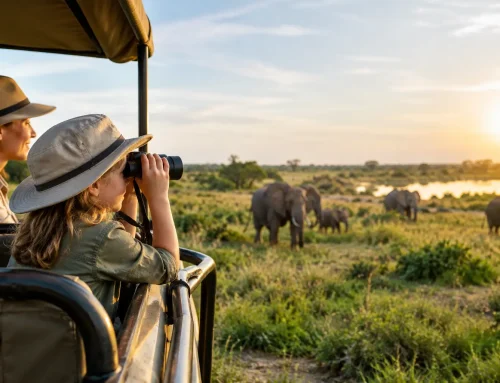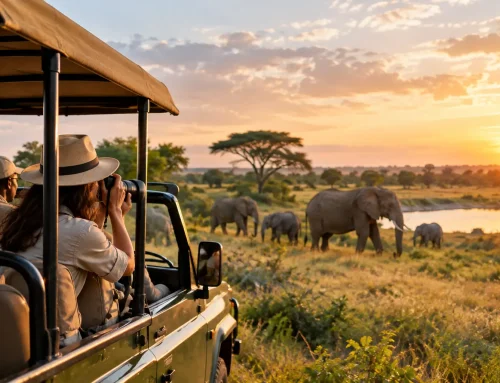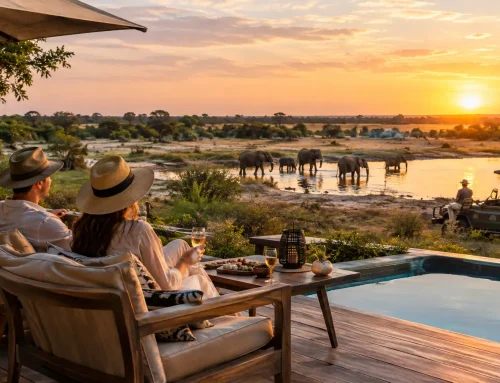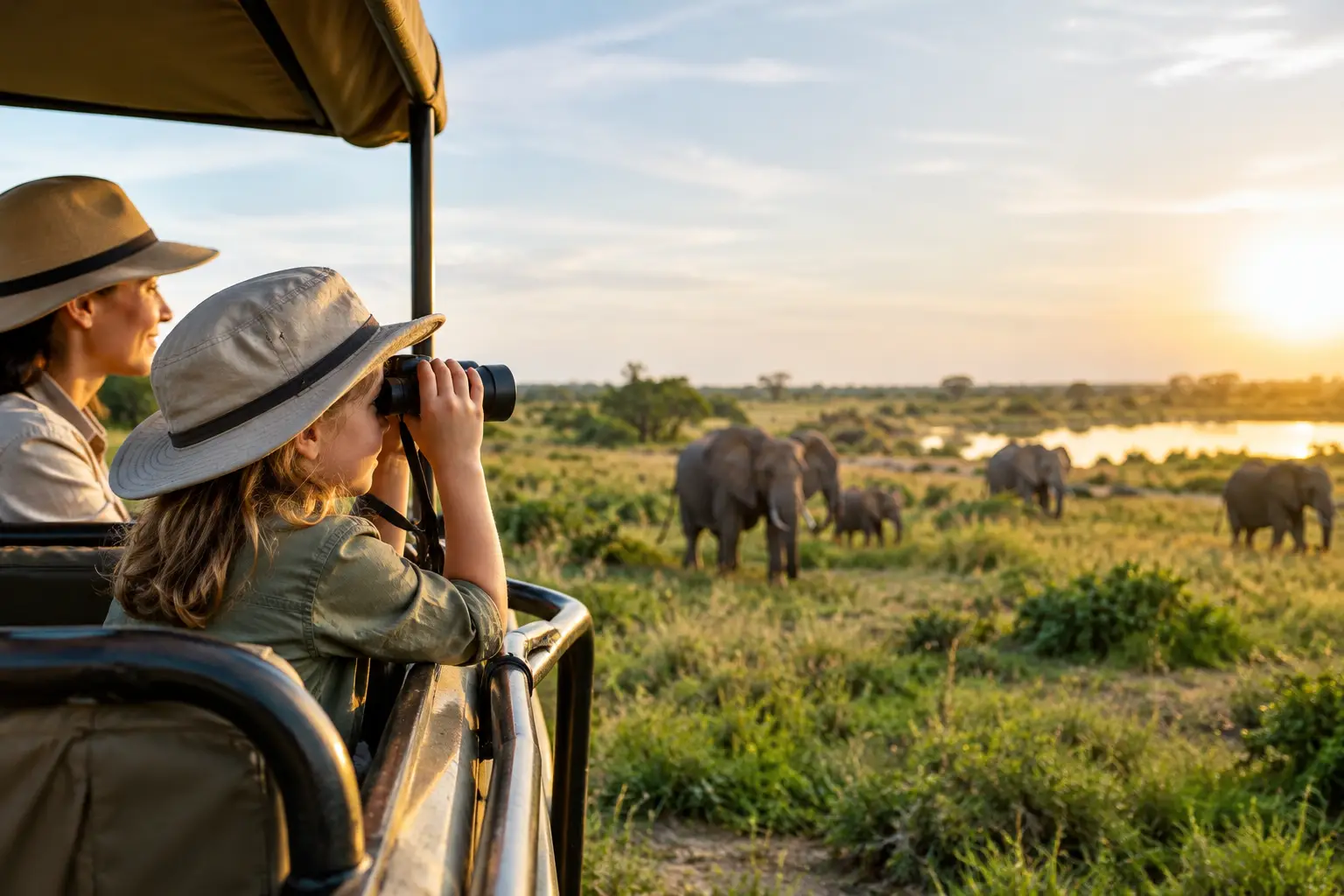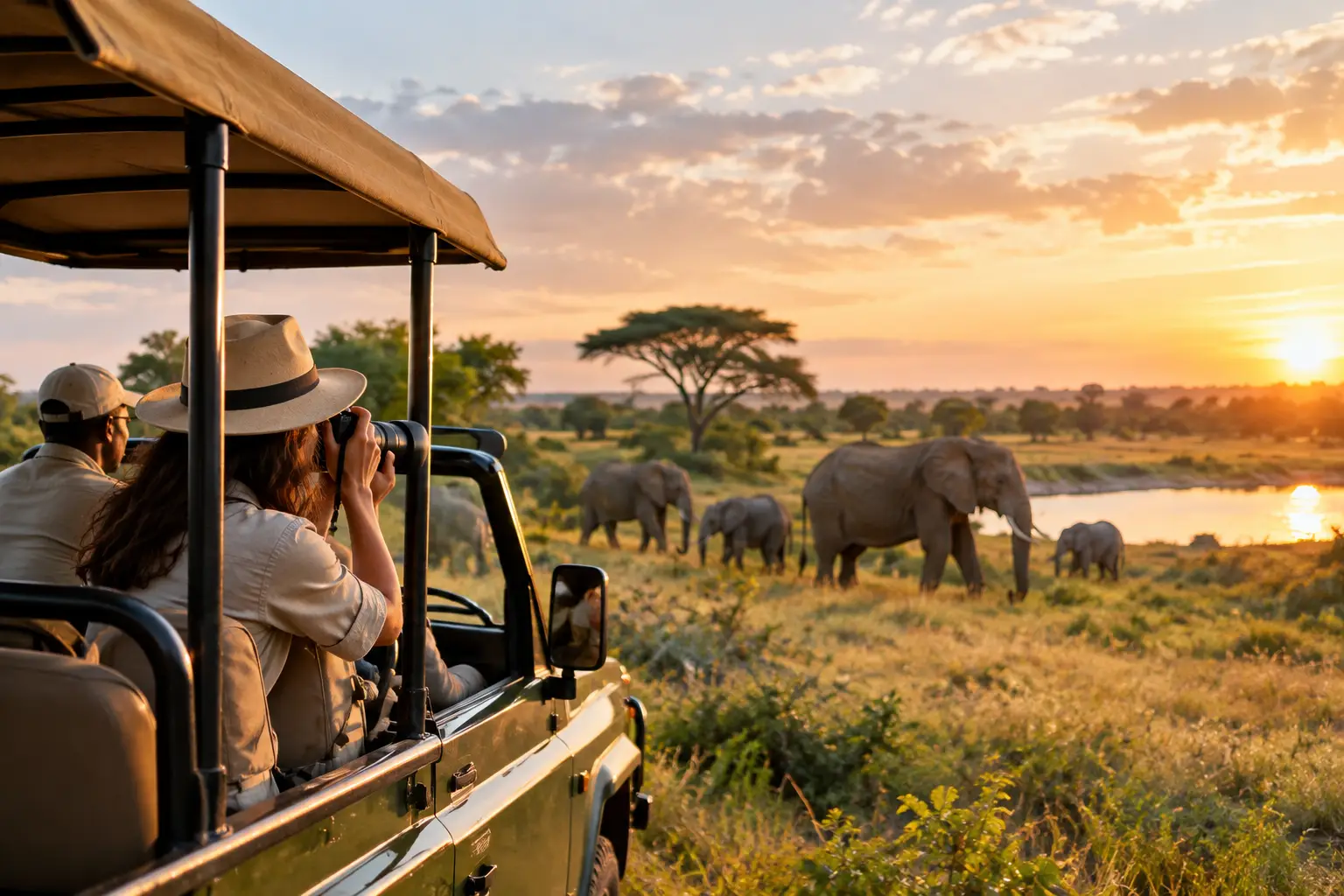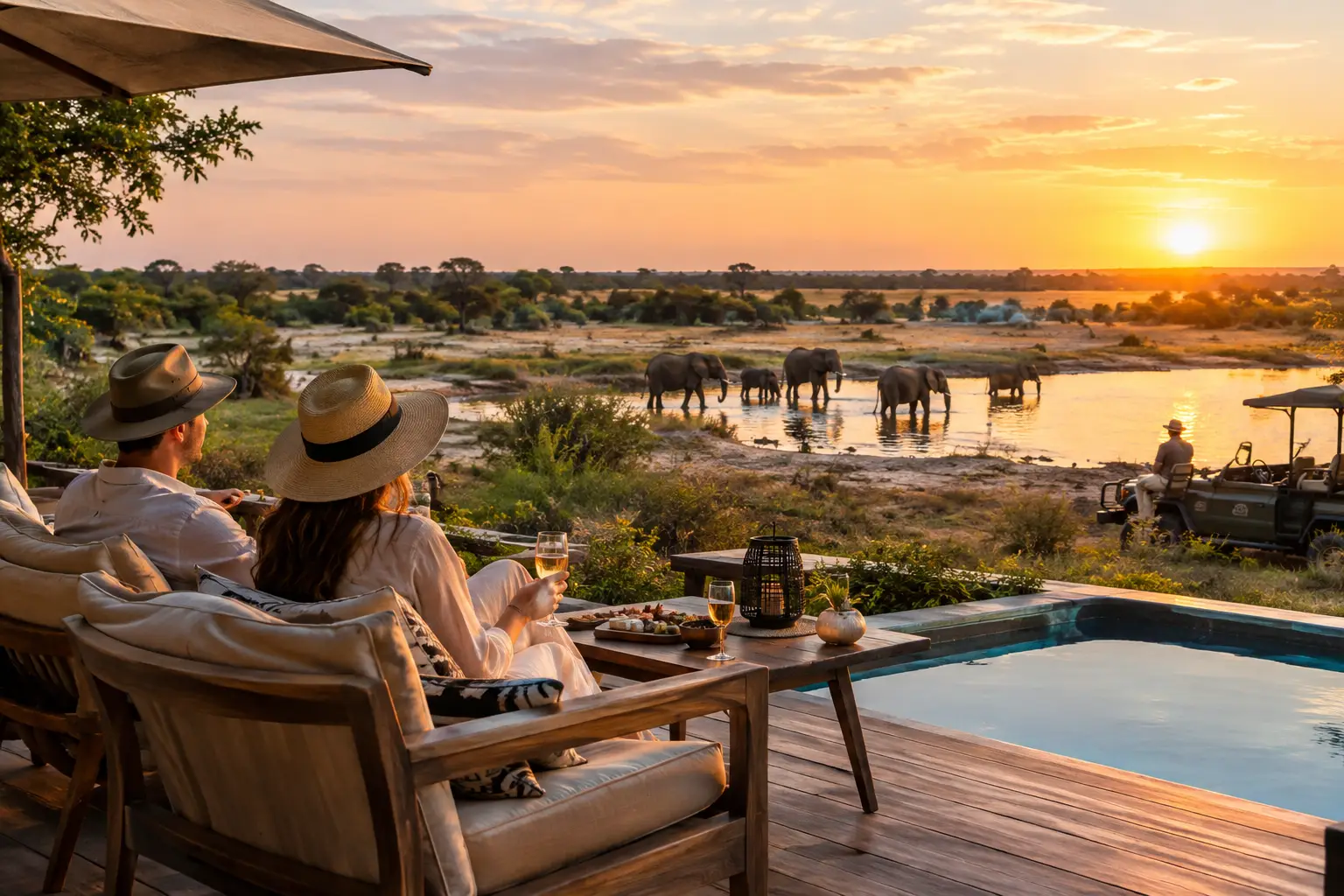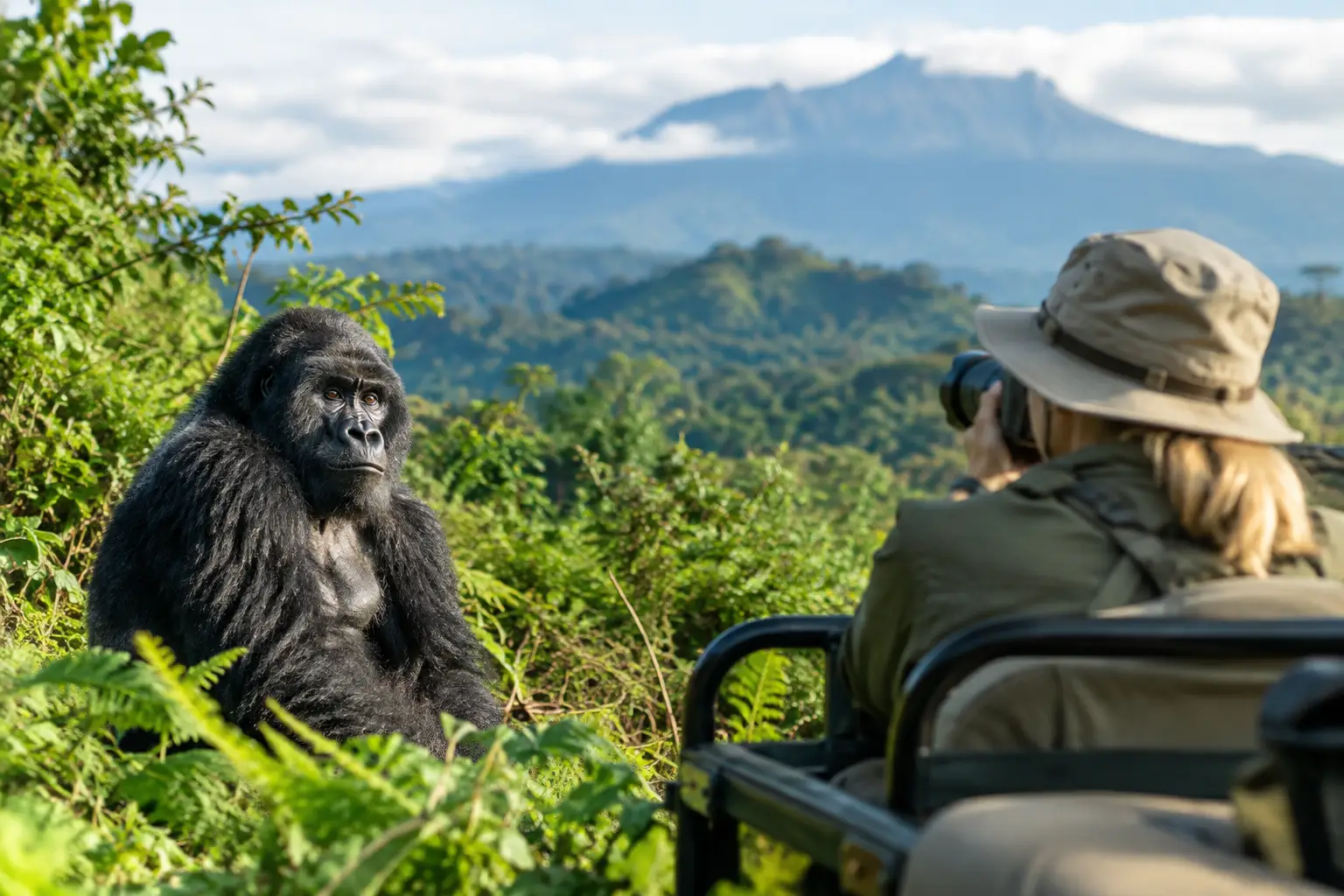
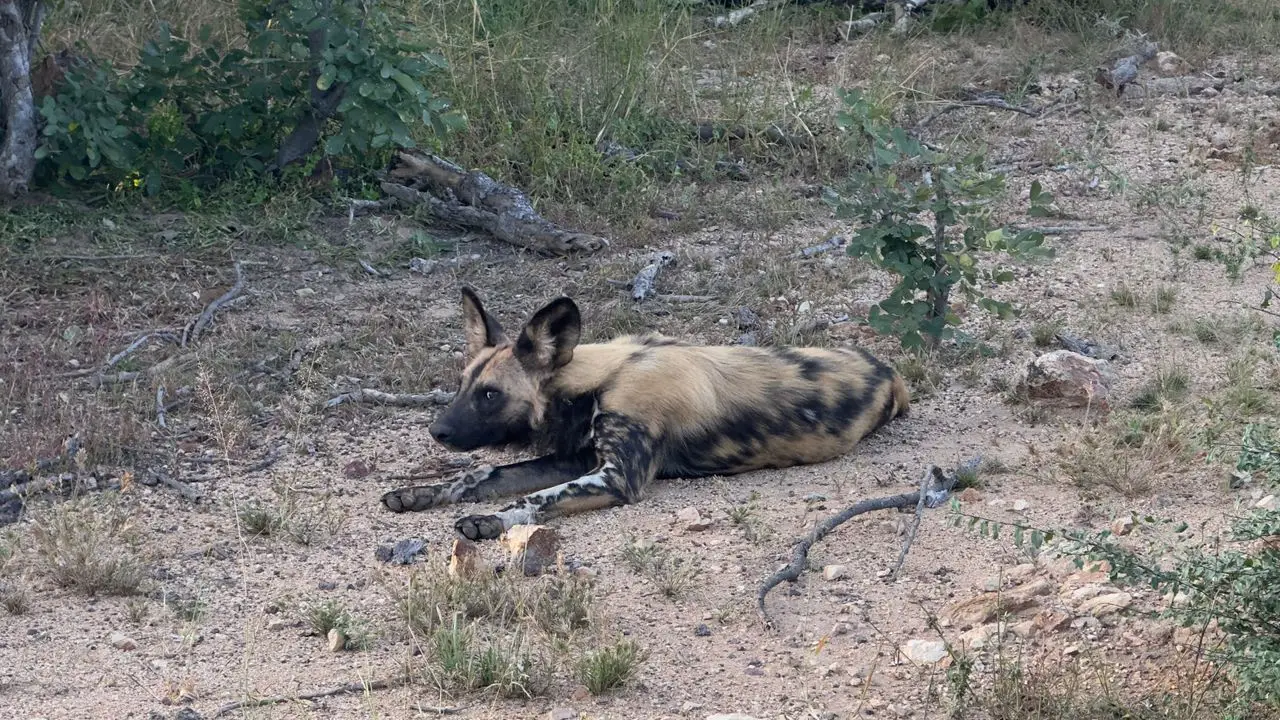
The difference between seeing Botswana and feeling its wild rhythm is often decided long before arrival. Thoughtful safari planning turns a collection of camps and game drives into a journey with room for the moments that cannot be scheduled: elephants crossing a channel at sunset, a leopard calling beyond your tent, or a quiet mokoro glide through the Okavango Delta.
A well-designed safari is not about fitting in every famous place. It is about choosing the landscapes, pace, and experiences that suit the way you want to travel. For some, that means private guiding and long days focused on photography. For others, it is a celebratory honeymoon with beautiful lodges, unhurried afternoons, and a few memorable surprises along the way.
Start Safari Planning With the Experience You Want
Before choosing a country, camp, or travel date, consider what you most want to take home from Africa. Wildlife is often the starting point, but the kind of wildlife encounter matters. A first-time safari may call for a classic combination of varied game viewing, refined comfort, and knowledgeable guiding. A returning traveler may prefer remote wilderness, specialist birding, conservation experiences, or a focused photographic itinerary.
Botswana rewards travelers who value space. Its low-volume approach to tourism means many areas feel wonderfully uncrowded, particularly when compared with more densely visited safari regions. Yet each concession and national park has its own character. The Okavango Delta is defined by water, islands, and floodplains. Moremi brings together delta scenery and prolific land-based game viewing. Chobe is renowned for its great elephant herds, while Savuti and Linyanti offer a wilder, more remote atmosphere and excellent predator country.
The Central Kalahari and Makgadikgadi offer a different kind of drama. Their open horizons, desert-adapted wildlife, night skies, and sense of stillness can be transformative for travelers who do not need every day to center on the Big Five. The best itinerary often pairs contrasting environments rather than repeating the same experience across several camps.
Choose the Season That Matches Your Priorities
There is no single best time for a Botswana safari. There is only the season that best matches your interests, desired pace, and tolerance for heat, rain, or cooler mornings.
The dry season, broadly from May through October, usually offers easier wildlife viewing as animals gather near dependable water sources. Days are generally sunny, vegetation is thinner, and the Delta’s floodwaters are often at their most rewarding from around June through August. This is an exceptional period for mokoro excursions, boating, and classic game viewing, though sought-after camps can book far in advance.
The green season, generally from November through April, has a beauty of its own. Summer rains revive the grasslands, migratory birds arrive, and the landscape becomes vivid and dramatic. It is a particularly appealing time for birders, photographers drawn to stormy skies and rich color, and travelers interested in the zebra migration around the Makgadikgadi and Nxai Pan area. Afternoon rain showers are possible, and some routes can be affected by conditions, but this is not a lesser safari season. It is simply a different one.
For families, school calendars may narrow the options. For honeymooners, the decision may come down to whether a water-based Delta experience, warm summer skies, or peak dry-season game viewing feels most romantic. A tailored itinerary should make those trade-offs clear rather than promising everything at once.
Plan early for sought-after dates
For travel during the prime dry-season months, beginning the planning process 10 to 14 months ahead gives far more choice in intimate camps, preferred room categories, and internal flights. Festive-season journeys and private-use villas can require even more lead time.
Planning earlier does not mean fixing every detail too soon. It means securing the right foundation, then allowing the finer touches to reflect your interests: a private vehicle where appropriate, a celebratory dinner in the bush, a sleep-out experience, or an extension to Victoria Falls, Cape Town, Rwanda, or the Indian Ocean.
Build an Itinerary With a Natural Rhythm
An elegant safari itinerary should feel spacious. Moving every two nights can look impressive on paper, but it often leaves little time to settle into a landscape, learn the patterns of local wildlife, or enjoy a lodge at its best.
For many travelers, three nights in each location creates a comfortable rhythm. It allows for changing weather, varied activities, and the pleasure of returning from an afternoon drive to a familiar view. Four nights can be especially worthwhile in a destination with a strong specialist focus, such as a private concession for photographers, a water-based Delta camp, or a remote desert lodge.
Internal light aircraft flights are often part of the experience in Botswana. They save considerable travel time and reveal the scale of the Delta, pans, and waterways from above. They also require practical planning: luggage allowances are usually strict, soft-sided bags are generally preferred, and flight timings can vary with routing and weather. These details are small, but they shape how relaxed a journey feels on the ground.
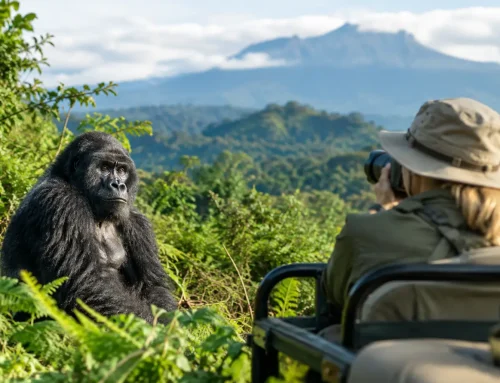
A safari need not begin and end in Botswana. The country pairs naturally with Zimbabwe or Zambia for Victoria Falls, Namibia for desert landscapes, South Africa for Cape Town and the Winelands, or Mozambique and Mauritius for a restorative beach stay. East African extensions can add gorilla trekking in Rwanda or Uganda, or a migration-focused safari in Kenya or Tanzania. The key is not adding countries for their own sake. Each extension should create a meaningful contrast and allow enough time to enjoy it.
Select Camps for More Than Their View
Luxury on safari is deeply personal. One traveler may value a large private deck, plunge pool, and exceptional food. Another may place expert guiding, a small number of guests, and access to an exclusive wildlife area above all else. The ideal camp brings these priorities together without losing its connection to place.
When comparing accommodations, look beyond photographs. Ask whether the camp is in a private concession or national park, whether off-road driving is permitted, whether night drives and walking safaris are available, and whether it offers water activities during your travel period. These permissions influence the character of every day.
Families should also consider room configurations, age guidelines, private-vehicle options, and the balance between adventure and downtime. For multi-generational travel, a private villa or exclusive-use camp can create an easy shared base while allowing each guest to enjoy the safari at their own pace.
Responsible choices matter here as well. Many of Botswana’s leading camps contribute directly to conservation, employ and train local residents, support community initiatives, and operate with a careful awareness of water, energy, and waste. Choosing a camp with real local relationships is one way to travel beautifully while leaving meaningfully.
Let Your Interests Shape Each Day
The most rewarding journeys leave room for preference. A wildlife photographer may want early departures, flexible drive times, and a guide experienced in positioning for light and behavior. A birder may prioritize seasonal habitats and slower observation. Anglers, walkers, wellness travelers, and guests interested in local culture each need a different style of itinerary.
Communicate these interests at the beginning, including the less obvious ones. Let your travel designer know if you prefer quiet evenings to communal dining, need to celebrate a milestone privately, enjoy long walks, dislike early starts, or want your children to learn about conservation in an engaging way. These details make personalization meaningful rather than decorative.
It is also wise to share practical needs early: dietary requirements, mobility considerations, travel insurance preferences, and any concern about small aircraft. Experienced ground handling can coordinate transfers, accommodations, guides, and activity timings in a way that protects both comfort and valuable time in the wilderness.
Prepare Well, Then Travel Lightly
A safari is more enjoyable when the practical work is done before departure. Confirm passport validity, entry requirements, recommended health precautions, and travel insurance well ahead of time, particularly for a multi-country itinerary. Requirements can change, so current professional guidance is essential.
Pack neutral, comfortable layers for cool dawns and warm afternoons, along with sun protection, a hat, and closed walking shoes. Avoid bright colors and strong fragrances for game activities. Most camps provide thoughtful amenities, and laundry is commonly available, which makes packing light especially practical when flying between camps.
Bring curiosity as well. Ask your guide about animal behavior, the history of the land, local languages, water systems, and conservation work. The best guides do more than find wildlife. They help you understand the relationships that make a wilderness thrive.
Chloorokop Travel & Tours approaches safari design from that perspective: Botswana knowledge first, then a journey shaped around the people traveling, the places they value, and the impact they hope to have. A considered safari plan leaves space for the unexpected, because those unscripted moments are often the ones that remain with you longest.