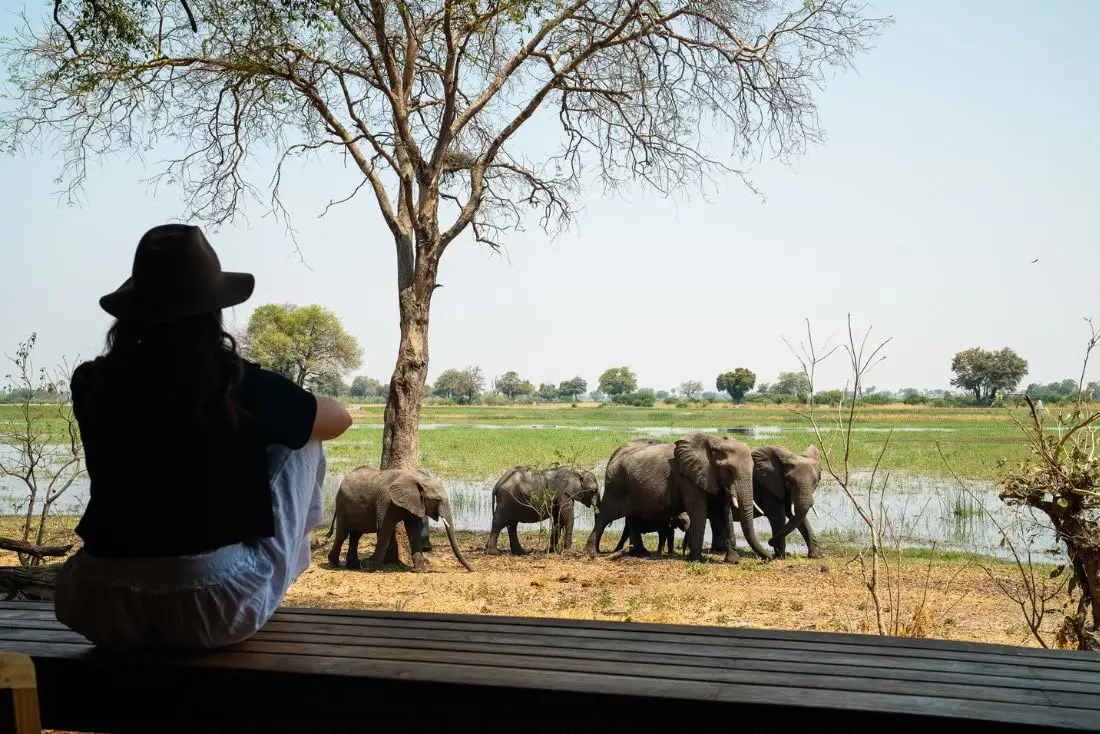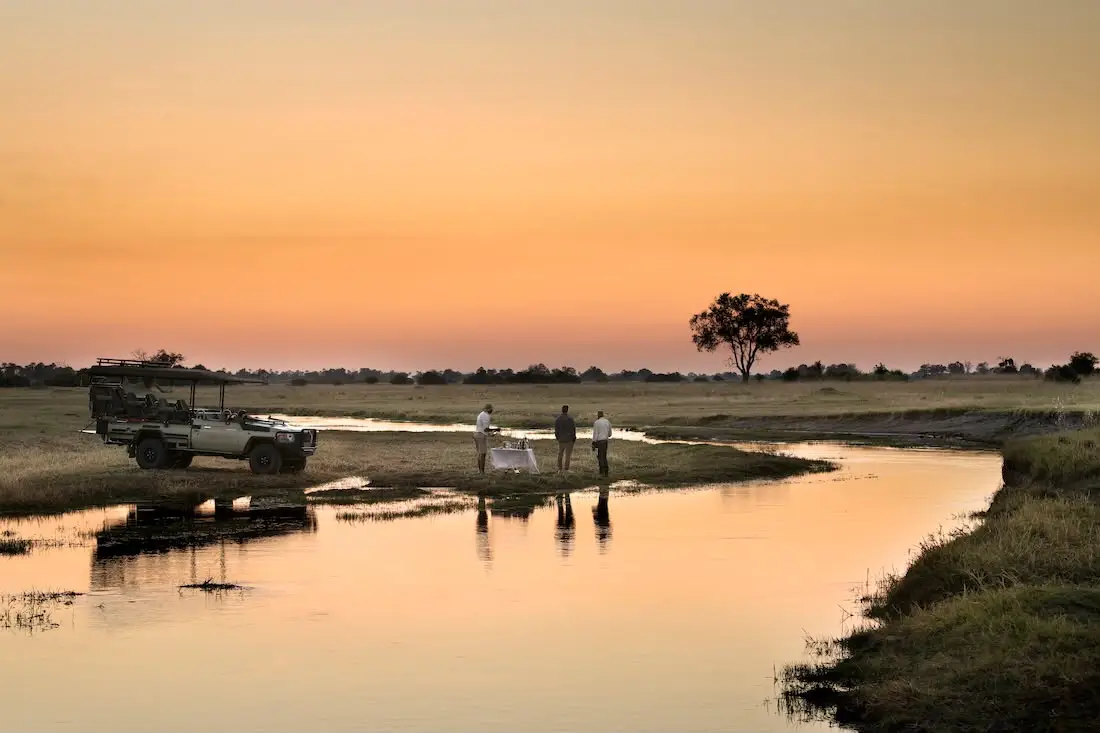
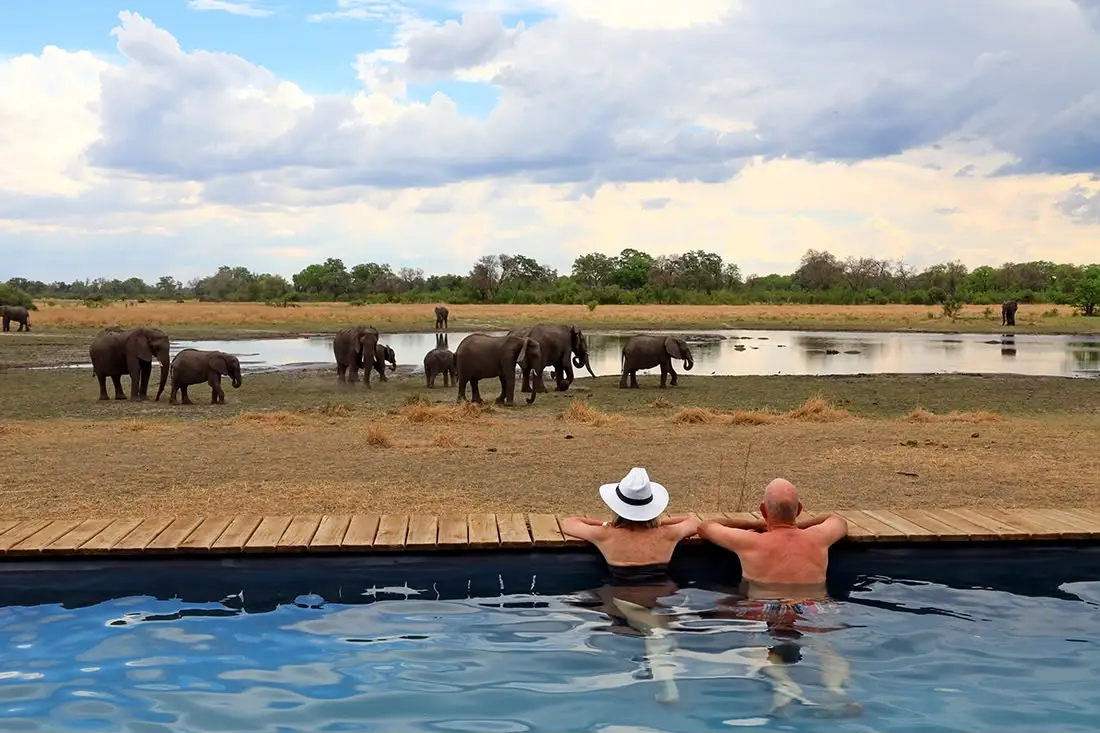
A morning in the Okavango Delta can begin with the soft call of a fish eagle outside your tent and end beneath a sky crowded with stars. Yet the difference between a good trip and a deeply personal one is rarely the wildlife alone. When travelers search for ways to plan luxury safari travel, they are often looking for something more considered: the right wilderness areas, the right pace, and the reassurance that every detail has been handled with care.
Botswana is especially rewarding for travelers who value space, privacy, exceptional guiding, and wild landscapes that still feel genuinely remote. Planning well means allowing the destination to shape the itinerary rather than trying to fit every headline experience into one hurried vacation.
Start by defining what luxury means to you
Luxury safari travel is not one fixed experience. For one couple, it may mean a private plunge pool overlooking a floodplain, unhurried game drives, and a candlelit dinner beneath ebony trees. For a family, it may mean a spacious two-bedroom suite, flexible meal times, a patient private guide, and activities designed around children’s curiosity. A keen photographer may place a higher value on specialist vehicles, flexible hours in the field, and camps positioned near seasonal wildlife concentrations.
Begin with the feeling you want to take home. Do you want the stillness of the Delta, dramatic predator sightings in Savuti, elephants gathering along the Chobe River, or the stark beauty and night skies of the Central Kalahari? Your priorities determine where to stay, how many nights to allow, and whether private guiding is worth the added flexibility.
It also helps to be candid about your preferred rhythm. Some travelers are happy with dawn starts and full days outdoors. Others want a gentle morning game drive, long lunches, and afternoons reserved for a spa treatment, a book, or time by the pool. A tailor-made itinerary should accommodate both the wilderness and your natural pace.
How to plan a luxury safari around Botswana’s seasons
Botswana offers remarkable safari experiences throughout the year, but the character of the journey changes with the seasons. There is no single best time for every traveler.
The drier months, generally from June through October, bring easier wildlife viewing as animals gather near permanent water sources. This is a classic period for the Okavango Delta, Moremi Game Reserve, Chobe, Linyanti, Khwai, and Savuti. Vegetation is thinner, temperatures rise toward October, and game drives can be exceptionally productive. It is also a popular season, so sought-after camps and preferred room categories should be considered well ahead of travel.
The green season, usually from November through March, offers a different kind of luxury: vivid landscapes, dramatic afternoon skies, migratory birds, young animals, and fewer guests in many areas. Rainfall is often brief and refreshing rather than constant. For photographers and birders, the rich light and changing skies can be a compelling reason to travel then. In the Makgadikgadi, the summer months may also bring zebra migration and wide-open salt-pan scenery transformed by rain.
April and May are particularly appealing for travelers who enjoy mild temperatures, green landscapes, and a quieter transition into the dry season. In the Delta, floodwaters arrive from rains in Angola rather than Botswana’s local rainfall, so the waterways may be at their fullest well after the green season has passed. This is why seasonal knowledge matters when choosing mokoro excursions, boating, or water-based camps.
Choose fewer camps and stay long enough to belong
A luxury itinerary should not feel like a relay race. Botswana’s safari regions are often connected by light aircraft, and those scenic flights are part of the experience, revealing channels, islands, herds, and vast dry woodland from above. But every move involves packing, timing, and a change of atmosphere.
For many first-time visitors, three carefully chosen camps over eight to ten nights create a satisfying balance. A water-focused camp in the Okavango Delta can be paired with a land-based camp in Moremi or Khwai, followed by elephant-rich Chobe, Linyanti, or Savuti. This combination creates contrast without sacrificing time in each place.
Stay at least three nights in most camps when possible. Wildlife does not operate to a timetable, and a longer stay allows you to follow a leopard’s territory, revisit a promising area at different times of day, or simply decide that a slow morning on your deck is exactly what the day needs. For honeymooners and travelers marking a milestone, an extra night often offers more value than adding another property.
Match the camp to the experience, not just the room
Beautiful design matters, but location and guiding matter more. A refined tented camp may offer direct access to outstanding game viewing, while an elegant lodge in another area may be better suited to boating, fishing, walking, or family time. Ask what happens beyond the suite: how many guests share a vehicle, whether private vehicles can be arranged, what the guiding style is like, and which activities are seasonal.
For example, mokoro excursions through Delta channels can feel wonderfully quiet and immersive, but they depend on water levels. Walking safaris offer a more intimate understanding of tracks, plants, and birdlife, yet they are not designed around close predator encounters. A balanced safari combines activities according to your interests while respecting the conditions of each wilderness area.
Build your safari around meaningful wildlife moments
Botswana’s low-density tourism model makes it possible to experience wildlife with a sense of space. In private concessions, guides may have greater flexibility to conduct off-road viewing where permitted, night drives, and guided walks. National parks and public reserves follow different regulations, often with more defined routes and hours. Neither is automatically better. The right choice depends on the experience you value most.
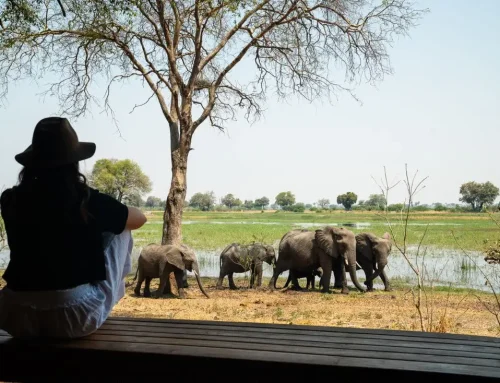
In Moremi and Khwai, you may seek classic game drives through mopane woodland and floodplain habitats. In Savuti, changing channels and open grasslands create excellent conditions for predator viewing and large elephant herds. Chobe is known for its riverfront wildlife, where a boat safari offers a distinct perspective on elephants, buffalo, crocodiles, and waterbirds.
The Central Kalahari asks for a different kind of attention. Its immense horizons, black-maned lions, desert-adapted wildlife, and star-filled nights reward travelers who find luxury in remoteness rather than constant activity. The most memorable itinerary often includes contrast: water and dry land, big-game drives and quiet observation, refined comfort and a true sense of wildness.
Plan the practical details early
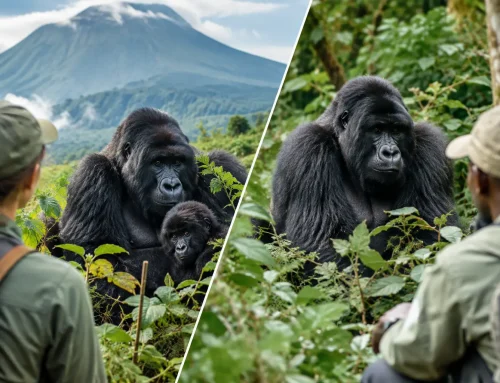
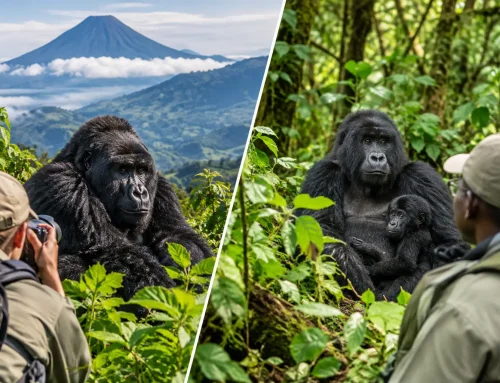
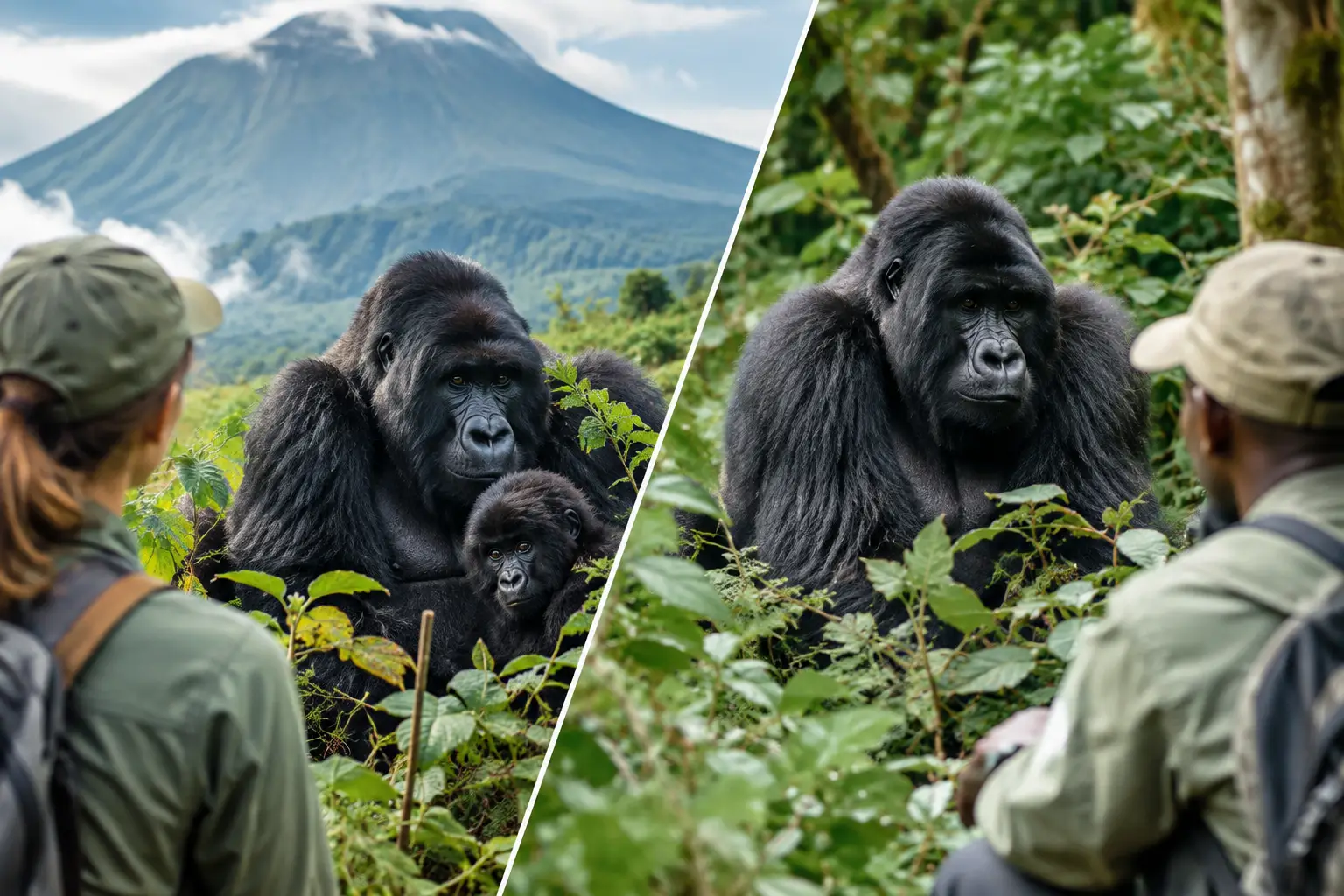
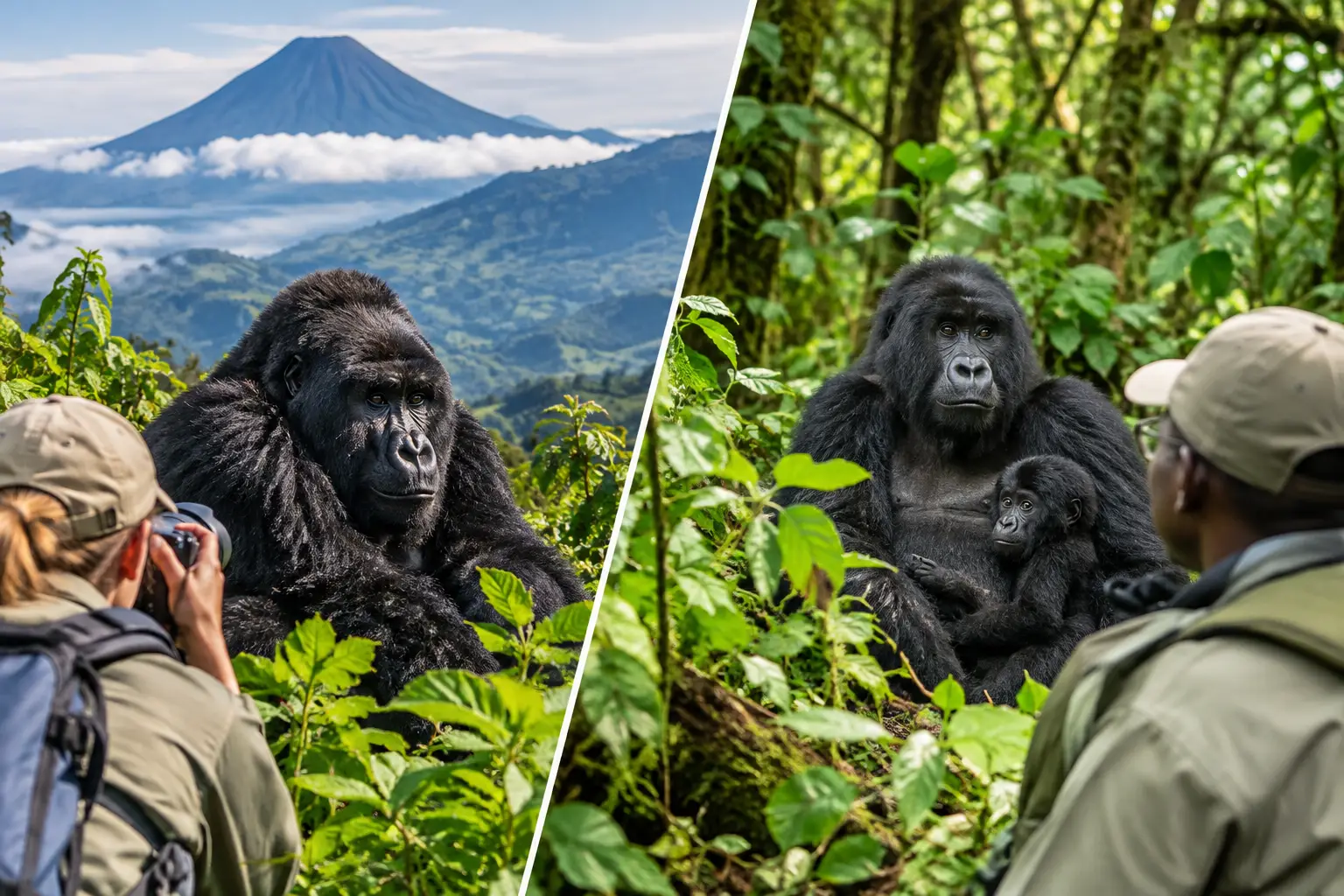
A polished safari is built on logistics that are almost invisible to the guest. International arrivals, regional flights, light-aircraft connections, road transfers, baggage allowances, dietary preferences, and special occasions all need to work together. This becomes even more valuable when adding Victoria Falls, Cape Town and the Winelands, Rwanda or Uganda for gorilla trekking, or an Indian Ocean stay in Mozambique, Mauritius, or Madagascar.
Light-aircraft baggage limits are a common consideration in Botswana. Soft-sided luggage is generally more practical than hard-shell cases, and packing should suit changing temperatures. Mornings can be cool during the dry season, while midday game drives may be warm. Neutral, comfortable clothing, a light jacket, sun protection, and footwear suitable for uneven ground will serve most travelers well.
Families should discuss ages, interests, and sleeping arrangements from the outset. Not every camp accepts young children, and not every activity is suitable for every age group. Private vehicles and family suites can transform the experience by allowing the day to move at your family’s pace.
Let responsible travel shape the journey
A luxury safari carries greater meaning when it helps protect the places that make it possible. Botswana’s conservation approach, including community partnerships and low-impact tourism in sensitive wilderness areas, is central to its appeal. The camps, guides, and local partners chosen for an itinerary should demonstrate genuine respect for wildlife, landscapes, and neighboring communities.
Responsible travel can include learning from local guides, supporting enterprises that create local employment, engaging with culture respectfully, and choosing experiences that place conservation ahead of spectacle. It does not require sacrificing comfort. It asks only that comfort be connected to care for the destination.
Work with a Botswana specialist who listens
The strongest safari plans begin with thoughtful questions, not a pre-set package. How much privacy do you want? Is this your first safari or your fifth? Would you rather spend an extra morning tracking wild dogs or have time for a relaxed lunch and an afternoon on the water? Are you celebrating, traveling with children, or combining Botswana with another African destination?
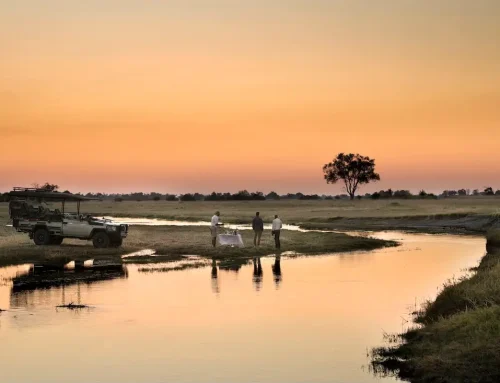
A Botswana-based DMC such as Chloorokop Travel & Tours can coordinate the moving parts while designing around those answers: trusted camps, expert guides, regional flights, private transfers, and the small personal touches that make a journey feel effortless. The aim is not to fill every hour. It is to create room for the unexpected moments that cannot be scheduled: elephants crossing a channel at sunset, a lion’s call beyond camp, or the quiet realization that you have arrived somewhere truly wild.
Travel beautifully, leave meaningfully, and give Botswana the time it deserves.