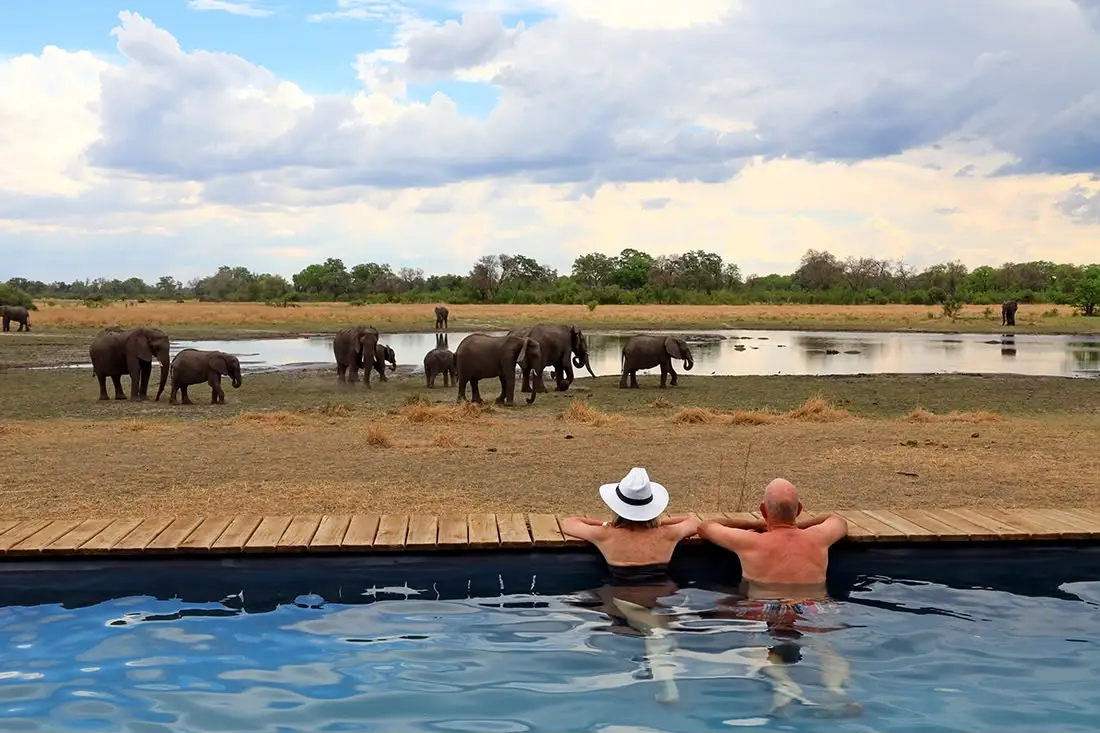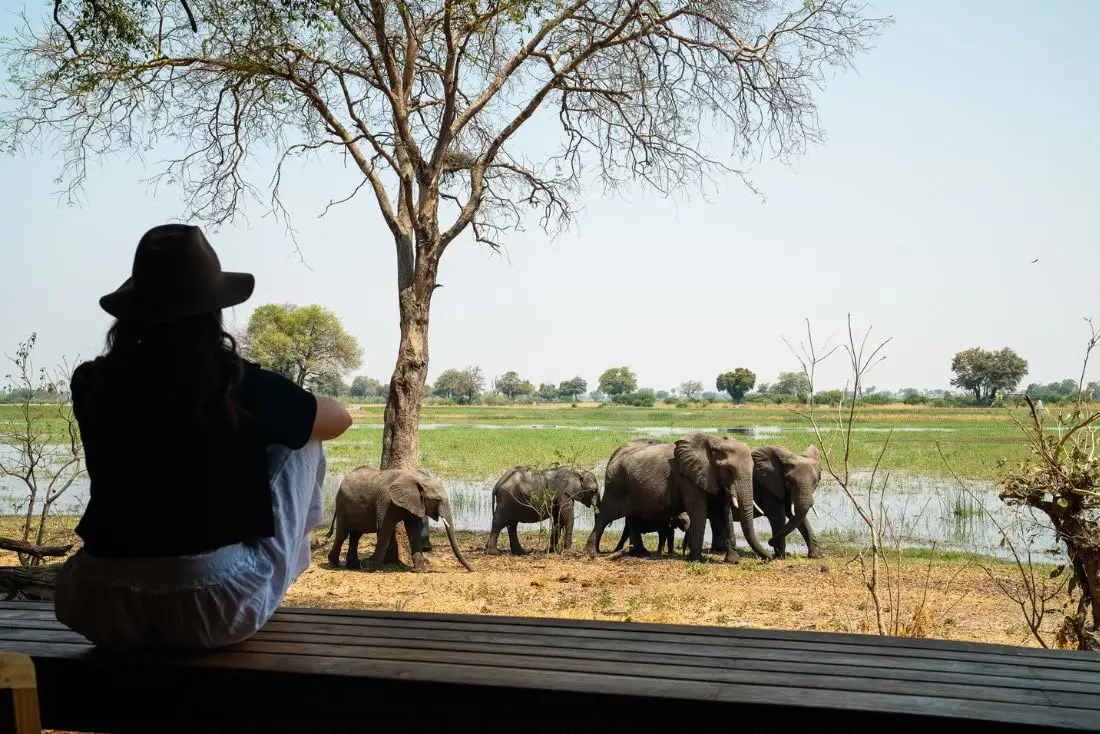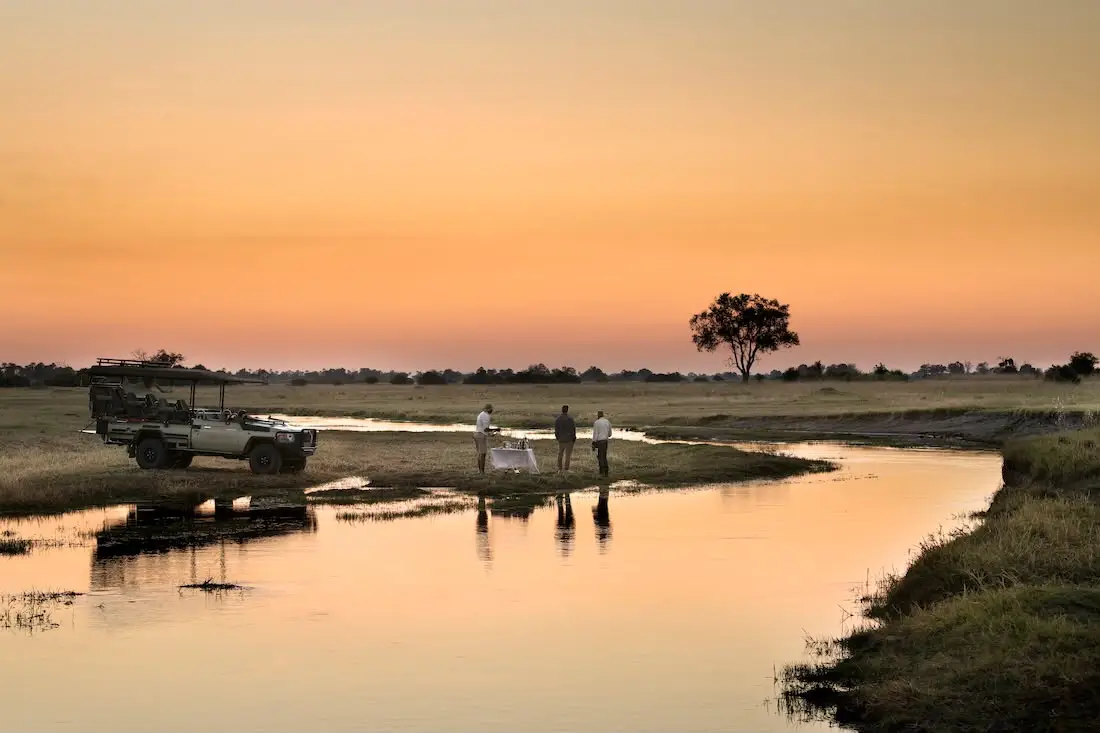
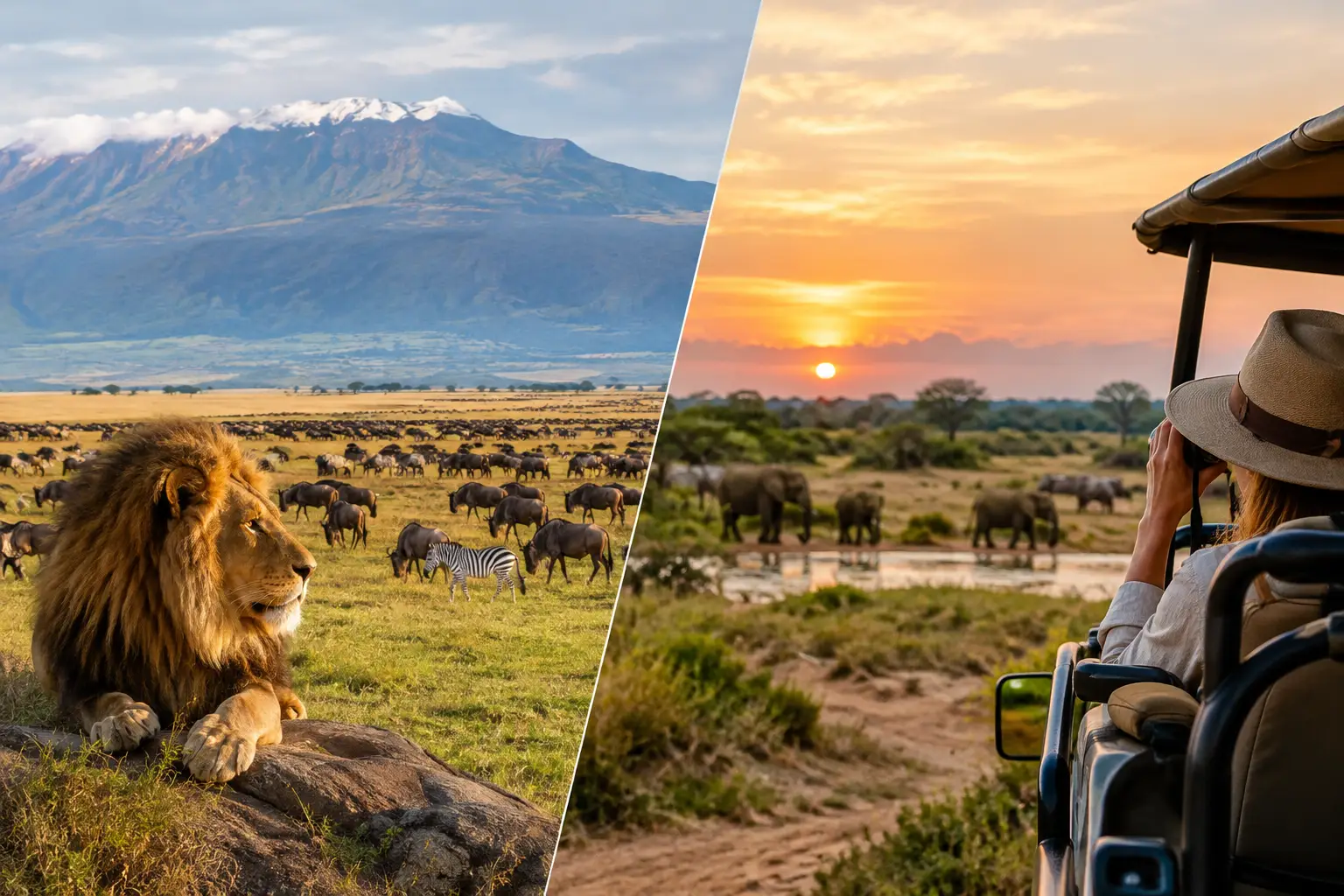
A river crossing is one of Africa’s great wildlife spectacles, but it is not the only measure of an extraordinary safari. The choice of Serengeti versus Maasai Mara comes down to the kind of wilderness time you want: Tanzania’s immense, shifting horizons and longer, more secluded journey, or Kenya’s compact grasslands, dramatic crossings, and excellent fit for a shorter luxury escape.
Both ecosystems are connected by the same ancient migration route. Wildebeest, zebra, and gazelle move across the unfenced Serengeti-Mara landscape in response to rain and fresh grazing, followed by lions, cheetahs, hyenas, and crocodiles. Yet the experience on the ground can feel remarkably different. A well-designed itinerary considers more than where the herds may be. It accounts for your travel dates, preferred pace, interest in photography, tolerance for busy sightings, and the style of camp that feels right for you.
Serengeti versus Maasai Mara: the essential difference
The Serengeti National Park and its surrounding conservation areas occupy a vast portion of northern Tanzania. Its scale is its defining quality. The plains seem to continue beyond sight, granite kopjes rise unexpectedly from the grass, and a game drive can feel like a passage through an almost unpeopled world. For travelers with time, the Serengeti rewards patience and movement between regions as the seasons change.
The Maasai Mara National Reserve and neighboring conservancies in southwestern Kenya are smaller but exceptionally wildlife-rich. Its rolling savanna, acacia-dotted ridges, and riverine forests create a more intimate visual setting. Wildlife encounters can be immediate and frequent, particularly in the Mara Triangle and the private conservancies bordering the reserve.
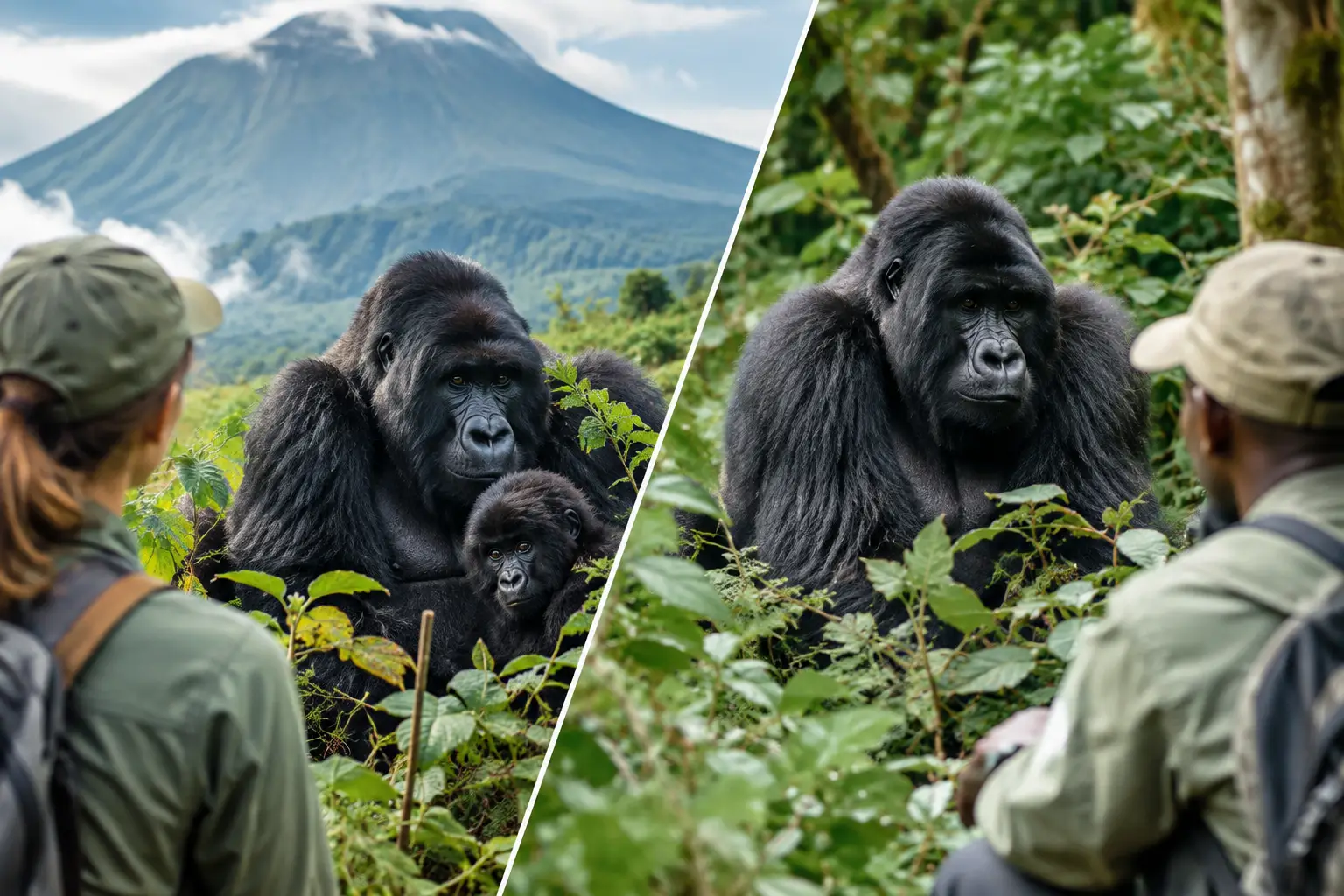
Neither destination is inherently better. The Serengeti often suits travelers seeking immersion, open space, and a multi-night safari rhythm. The Maasai Mara is especially compelling for those who want an efficient, high-impact wildlife experience, often paired with Kenya’s coast, Rwanda gorilla trekking, or a broader East African journey.
The Great Migration: timing matters more than the label
Travelers often ask which destination has the Great Migration, but both do. What changes is the location of the herds and the character of the experience.
From roughly December through March, many wildebeest gather in the southern Serengeti and Ndutu area, where short grass plains provide food for newborn calves. Calving season can be deeply moving, with thousands of young animals arriving in a remarkably short period. It also draws predators, making this an outstanding time for guests interested in big-cat behavior and the raw pace of the natural world.
As rains shift, the herds generally travel west and then north through the central and western Serengeti from around April to July. The exact timing varies every year. By about July through October, large concentrations are often in the northern Serengeti and Maasai Mara, where dramatic river crossings may occur. These crossings are unpredictable. A herd may hesitate for hours, turn away, or cross in a quieter moment before vehicles arrive.
The Maasai Mara is often favored from August through October for travelers hoping to see migration herds and potentially river crossings during a concise safari. However, this is also a popular period. Thoughtful camp selection and private conservancy stays can make a meaningful difference to the quality of each game drive.
The Serengeti offers migration possibilities over a far longer season because travelers can position themselves in the right region. It is the stronger choice for a dedicated migration itinerary, particularly for guests able to spend six or more nights across two or three areas.
Wildlife beyond the herds
A migration safari is thrilling, but it should never be planned around wildebeest alone. The Serengeti supports superb resident wildlife year-round. Central Serengeti, particularly around Seronera, is known for reliable lion, leopard, and cheetah sightings, even when the migration is elsewhere. Its kopjes are favored lookout points for lions, while river systems and woodland edges offer excellent leopard habitat.
The Maasai Mara is equally renowned for predators, with its open terrain making sightings especially rewarding for photographers and first-time safari travelers. Lions are regularly seen, cheetahs hunt across the plains, and leopards can be found near rivers and mature trees. Elephant, buffalo, giraffe, hippo, and a rich variety of birdlife complete the experience.
For a classic Big Five safari, either destination is excellent, although rhino sightings require precise planning. In Kenya, certain private conservancies and reserves beyond the Mara can add stronger rhino opportunities. In Tanzania, combining the Serengeti with Ngorongoro Crater offers another powerful wildlife contrast, with good chances to see black rhino in the crater.
Landscape, privacy, and the feeling of a day on safari
The Serengeti feels epic. Long drives are part of its appeal, and so is the possibility of seeing very few other vehicles in remote areas. Mobile tented camps that follow the migration can place guests close to seasonal wildlife while preserving a light footprint on the land. Permanent luxury camps in the central Serengeti offer comfort, attentive hosting, and productive game viewing throughout the year.
The Maasai Mara can feel more concentrated. A short drive may reveal lions, elephants, and grazing herds in the same morning, which is valuable for families or guests with limited time. The trade-off is that popular river crossings and prime sightings inside the national reserve can attract multiple vehicles in peak months.
Private conservancies surrounding the Mara provide a different model. Vehicle numbers are managed, and many conservancies allow activities not permitted inside the reserve, such as guided bush walks, night drives, and off-road tracking under carefully regulated conditions. They also operate through partnerships that generate lease income and employment opportunities for Maasai landowners. For travelers who value privacy and meaningful community benefit, this can be a decisive advantage.
Tanzania’s northern safari circuit brings a broader sequence of landscapes. A journey may include the coffee-growing foothills around Arusha, the Ngorongoro highlands, and several Serengeti regions. Kenya can be equally varied when combined with Laikipia, Amboseli, or a private conservancy experience, but the Maasai Mara itself is often approached as a concentrated safari chapter.
Getting there and choosing the right pace
The Maasai Mara is generally easier for a four- or five-night safari. Guests typically fly from Nairobi’s Wilson Airport to a Mara airstrip, then transfer to camp by vehicle. This makes it a practical choice after international flights into Nairobi or as part of a Kenya, Rwanda, and beach itinerary.
The Serengeti asks for more time, and that is usually time well spent. Light aircraft flights connect the park’s regions, while a road journey can be incorporated between Ngorongoro and central Serengeti. A minimum of five nights works well for a single Serengeti area combined with Ngorongoro. Seven to nine nights allows a more considered route that follows seasonal wildlife and avoids treating the destination as a checklist.
For honeymooners, the choice may rest on atmosphere. A secluded Serengeti camp can feel wonderfully remote, with lantern-lit dinners and vast night skies. A Mara conservancy can offer a similarly intimate stay with the added flexibility of night drives and private bush experiences. For families, the Mara’s shorter transfers and dense game viewing can be appealing, while the Serengeti is ideal for families who enjoy unhurried exploration and have enough days to settle into camp life.
When responsible travel shapes the decision
Luxury and responsibility should travel together. In both Tanzania and Kenya, camp choice matters. Smaller properties with strong local employment, low-impact operations, conservation partnerships, and respectful cultural engagement can help ensure that a safari contributes to the landscapes and communities that make it possible.
Avoid itineraries built around chasing a single crossing at any cost. This can create pressure on wildlife and lead to crowded, frustrating days. A better approach is to choose a camp in an ecologically appropriate area, travel with guides who prioritize animal welfare, and leave room for the surprises that make safari so memorable: a leopard carrying her cub, a martial eagle above the plains, or a quiet herd of elephants at sunset.
Chloorokop Travel & Tours designs East African extensions with this same care, coordinating the flights, private transfers, camps, and guiding that allow each destination to unfold at its natural pace.
The best safari is rarely the one with the longest sightings list. Choose the Serengeti if you want room to roam and time to follow the rhythm of a vast ecosystem. Choose the Maasai Mara if you want exceptional wildlife density, conservancy experiences, and a polished safari that fits beautifully into a shorter journey. Give either destination the space it deserves, and Africa will do the rest.