A safari can leave behind more than photographs, if it is designed with care. In Botswana’s Okavango Delta, the value of a well-planned stay can help sustain wilderness areas, create skilled local employment, and keep communities connected to the landscapes that define their heritage. That is the promise behind regenerative tourism trends in Africa: travel that aims not merely to reduce harm, but to contribute something of lasting value.
For discerning travelers, this is changing what luxury means. Privacy, exceptional guiding, beautiful camps, and effortless logistics still matter. Increasingly, so does knowing how a journey supports the places and people who make it possible.
What regenerative tourism means in Africa
Sustainable tourism usually focuses on limiting negative impacts: using resources carefully, reducing waste, respecting wildlife, and operating responsibly. Regenerative tourism goes further. It asks whether a visitor’s presence can help a destination become stronger ecologically, culturally, and economically.
In practice, that might mean staying at a safari camp whose concession fees contribute to protecting a wildlife corridor. It may mean choosing an experience led by residents who retain control over how their culture is shared, or traveling with a company that prioritizes local procurement and long-term partnerships over one-off gestures.
The distinction matters because Africa is not a single destination, nor is responsible travel a fixed checklist. What supports regeneration in the floodplains of the Okavango may look different from a community conservancy in Kenya, a gorilla habitat near Rwanda’s Volcanoes National Park, or a coastal conservation project in Mozambique. The most thoughtful journeys are rooted in the particular needs, seasons, ecosystems, and communities of each place.
Regenerative tourism trends in Africa shaping luxury travel
Conservation is becoming part of the guest experience
For many travelers, conservation once sat in the background: an admirable purpose attached to a safari, but not something they could see or understand. That is changing. Guests increasingly want meaningful context from guides, researchers, rangers, and camp teams who understand the daily realities of wildlife protection.
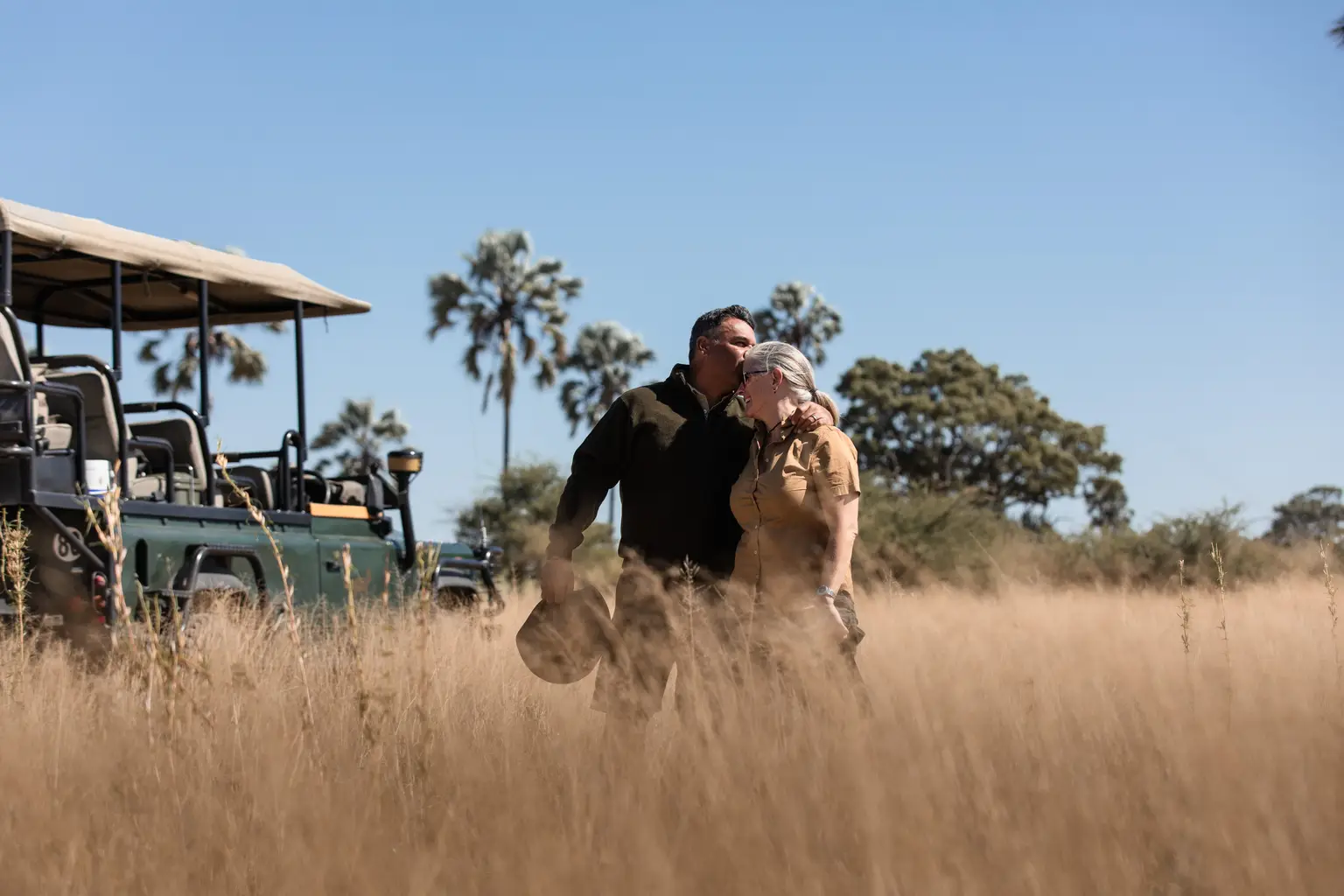
In Botswana, this can mean learning why low-density safari models are central to protecting sensitive areas in the Delta, Linyanti, and the Kalahari. It can mean seeing how careful vehicle practices, small guest numbers, and private concessions support a quieter, less intrusive wildlife experience. The benefit is not only ethical. Fewer vehicles at a sighting, more time with an expert guide, and a greater sense of space often create a more rewarding safari.
Still, access should never be confused with entitlement. A responsible itinerary does not promise a close encounter with every species or turn active conservation work into spectacle. Wildlife movements are unpredictable, and the best guides know when to pause, reposition, or leave an animal undisturbed.
Community partnerships are moving beyond performances
Cultural experiences are becoming more considered, especially among travelers who want genuine exchange rather than a staged stop between game drives. The strongest community partnerships are created with local leadership, fair compensation, and clear consent around what is shared.
A visit to a craft collective, a village-based guiding initiative, or a heritage experience can be deeply personal when it is paced respectfully and hosted on the community’s terms. It can also direct visitor spending into local livelihoods, skills, and enterprises. But it depends on the design. Not every cultural activity is appropriate for every traveler, and not every community wishes to receive visitors in the same way.
This is where knowledgeable ground handling matters. A well-connected African travel specialist can match guests with experiences that suit their interests while protecting dignity, privacy, and cultural context. The goal is not to consume culture. It is to meet people with curiosity and respect.
Slower itineraries are replacing safari checklists
A growing number of luxury travelers are choosing fewer places, longer stays, and deeper engagement. Rather than racing from the Okavango Delta to Chobe, Victoria Falls, Cape Town, and the Indian Ocean in one compressed itinerary, they may spend three or four nights in each setting and allow the journey to unfold.
This approach has practical advantages. It reduces the pressure of frequent packing and connecting flights, creates more flexibility around weather and wildlife, and gives guests time to settle into the rhythm of a destination. It can also lower the impact associated with unnecessary transfers, although every itinerary requires its own assessment.
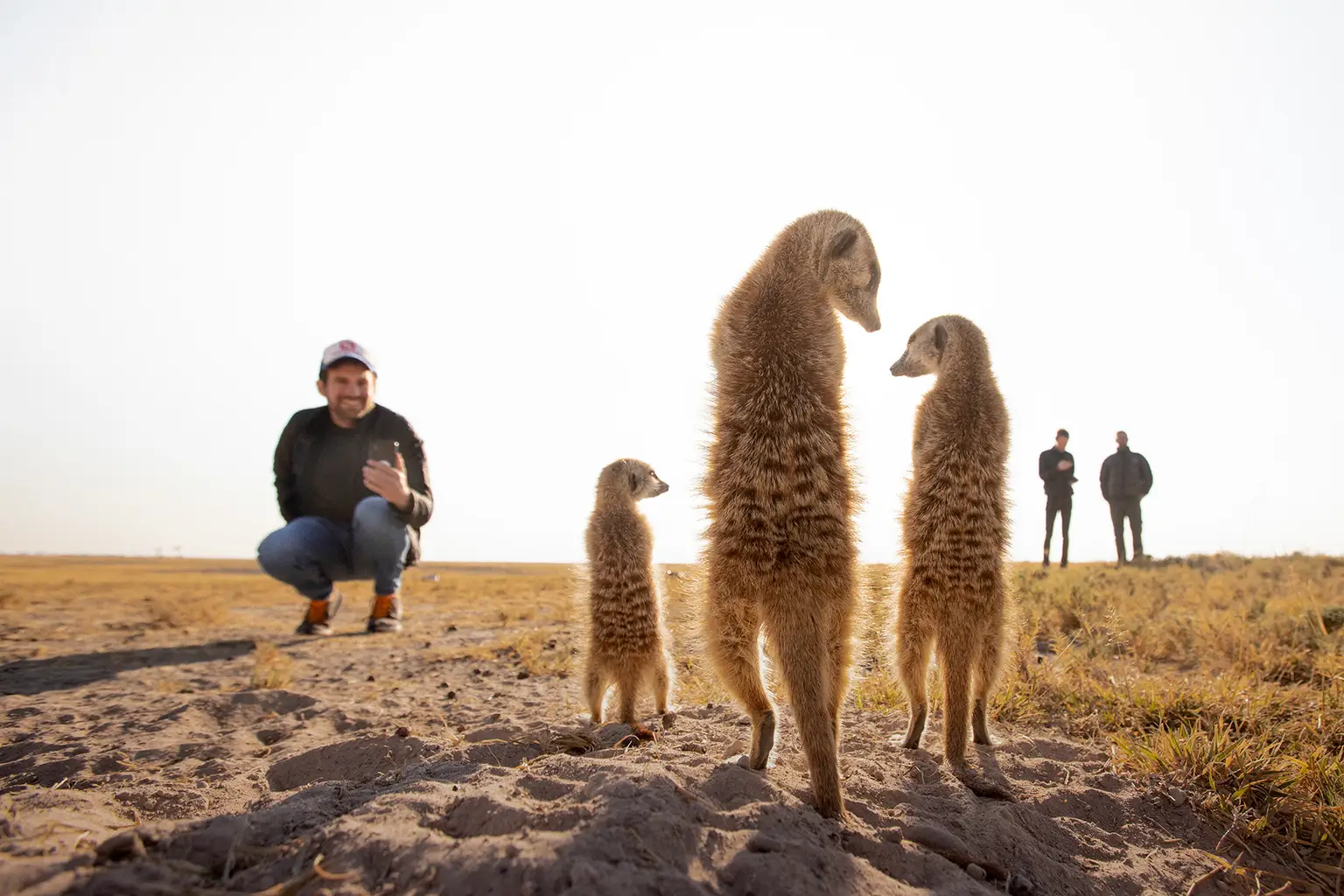
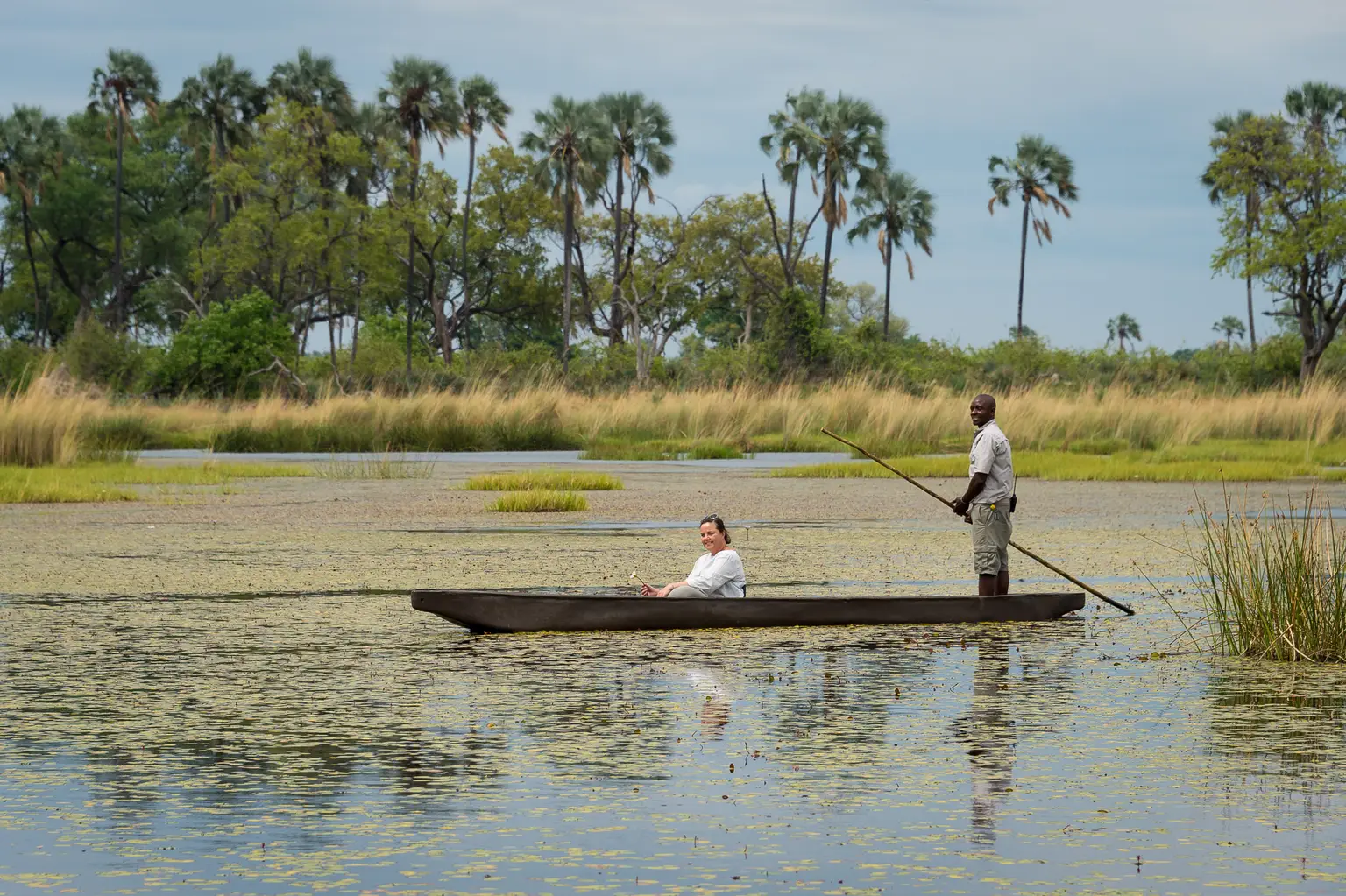
A slower safari is particularly rewarding in Botswana. The Delta reveals itself gradually through changing light, water levels, birdlife, and animal behavior. In the Makgadikgadi, silence and scale are part of the experience. In the Central Kalahari, patience is often what brings the most memorable sightings.
Local knowledge is being recognized as luxury
Private guiding has long been valued for comfort and flexibility. Regenerative travel adds another dimension: local expertise can create a more informed and respectful relationship with a destination.
The best guides do more than identify wildlife. They interpret tracks in the sand, explain the ecological role of seasonal floods, share the histories that shaped a landscape, and help guests understand appropriate behavior in sensitive areas. Their knowledge turns a beautiful safari into a connected one.
For specialist travelers, this can shape an entire journey. A photographer may need patient positioning and an understanding of light. A keen birder may prioritize habitats that a general safari itinerary overlooks. Families may benefit from guides who can make conservation engaging for different ages without over-scheduling the day. Personalization is not indulgence when it makes travel more relevant and less wasteful.
Measurable impact is becoming more valuable than vague claims
Travelers are rightly becoming more discerning about sustainability language. Terms such as “eco-friendly” can mean very little without clear practices behind them. The next phase of responsible luxury travel is greater transparency: travelers asking who benefits, how a property manages water and energy, whether staff development is meaningful, and what conservation relationships are in place.
No camp, lodge, or journey is impact-free. Remote operations require supplies, fuel, and infrastructure. Air transfers can be essential for reaching fragile wilderness areas without building roads, yet they carry an emissions cost. Rather than seeking perfection, travelers can look for honest decision-making and credible efforts to improve.
Useful questions include whether a property operates within a conservation area, how it manages waste, whether local people hold meaningful roles, and whether cultural activities are community-led. These questions should lead to a conversation, not a test. Conditions vary widely across Africa, and the most responsible answer is sometimes, “It depends.”
How to plan a journey with purpose
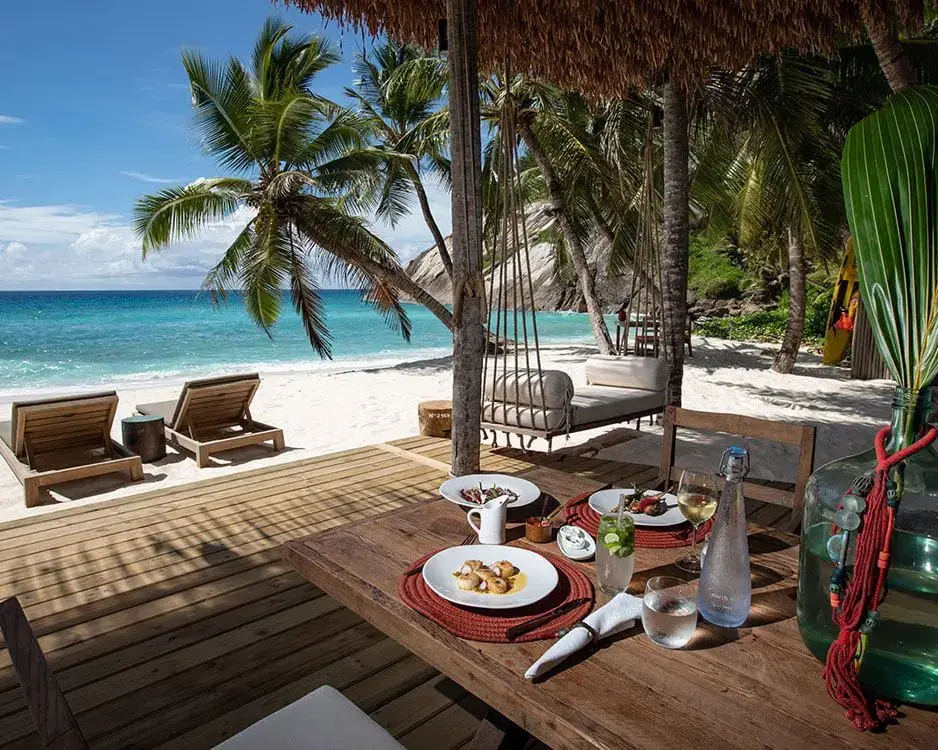
Start with your priorities. Some guests want a wildlife-first Botswana safari with time in private wilderness concessions. Others want to pair the Delta with Victoria Falls, Cape Town’s culinary scene, or a restorative island stay in Mozambique or Mauritius. A regenerative approach does not require sacrificing comfort or range. It asks for intentional choices about where to spend time and money.
Choose accommodations and experiences that are appropriate to the environment, then give yourself enough time to experience them fully. If a community visit matters to you, say so early in the planning process. If privacy is your priority, a private guide or vehicle may be the right fit, while still supporting carefully selected local partners.
It also helps to arrive prepared. Learn a little about the places you will visit, listen closely to your hosts, follow guide instructions around wildlife, and ask before photographing people. Small acts of consideration shape the quality of an exchange.
At Chloorokop Travel & Tours, this begins with listening: understanding the pace, interests, and expectations behind each journey, then designing a route that brings Botswana’s wilderness together with the right regional experiences. Expertly designed travel should feel effortless to the guest, while its benefits extend well beyond the itinerary.
Africa’s most compelling journeys are not measured only by the animals seen or the rooms slept in. They are remembered for a guide’s insight at dawn, a landscape protected for the future, and the sense that traveling beautifully can also mean leaving meaningfully.