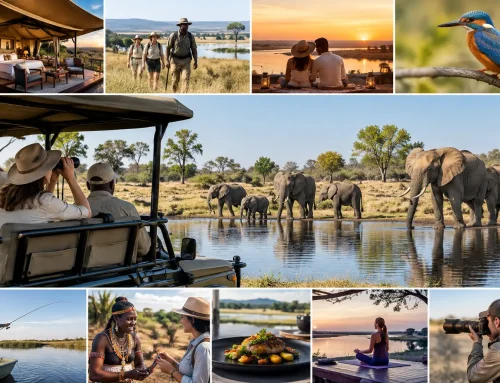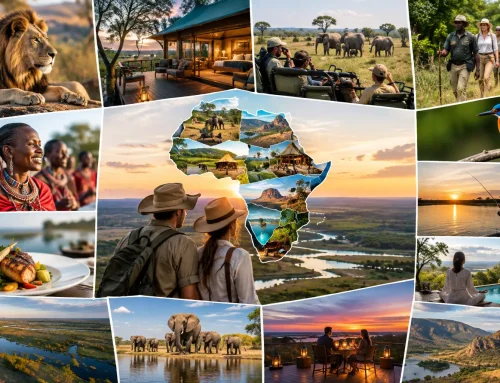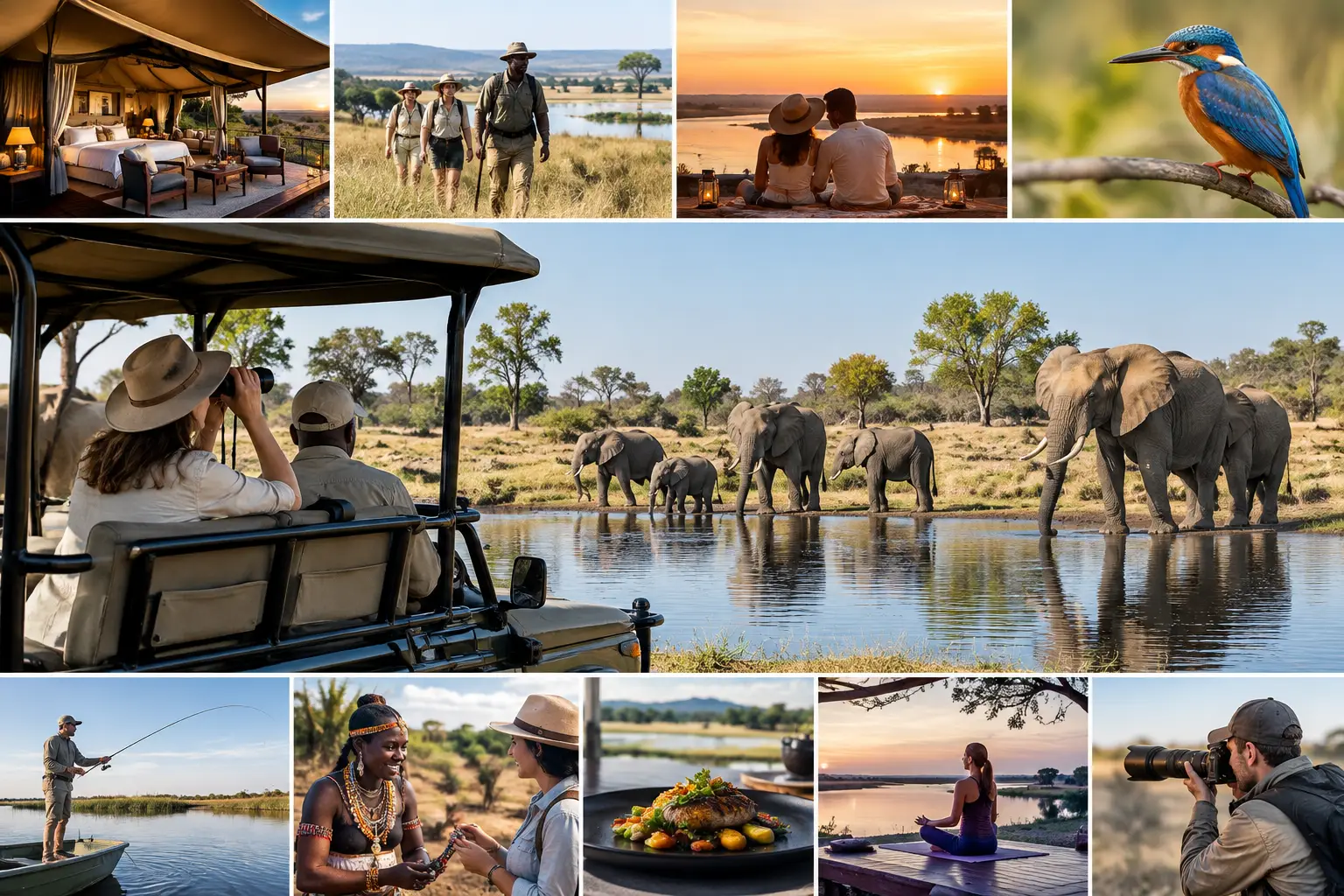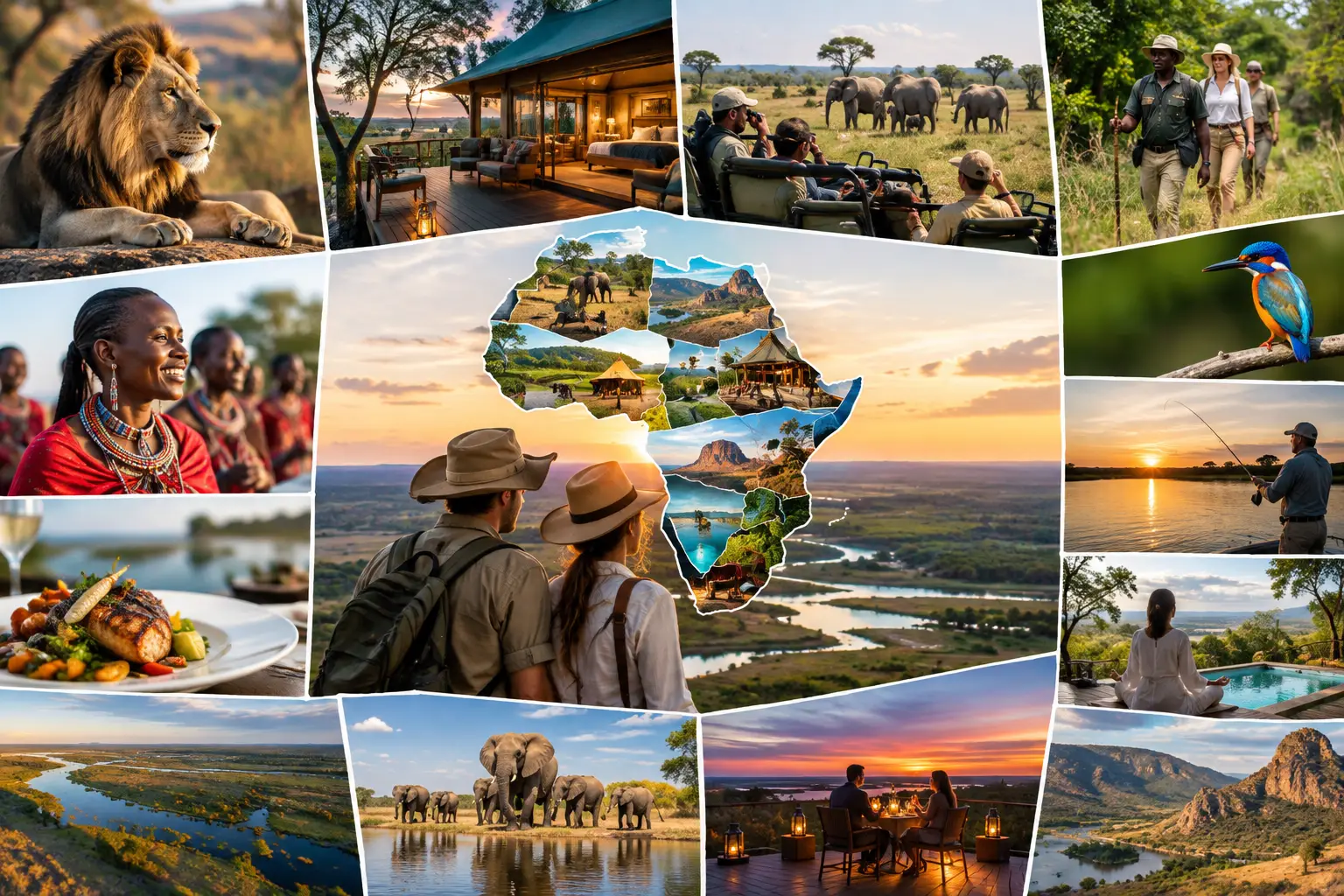
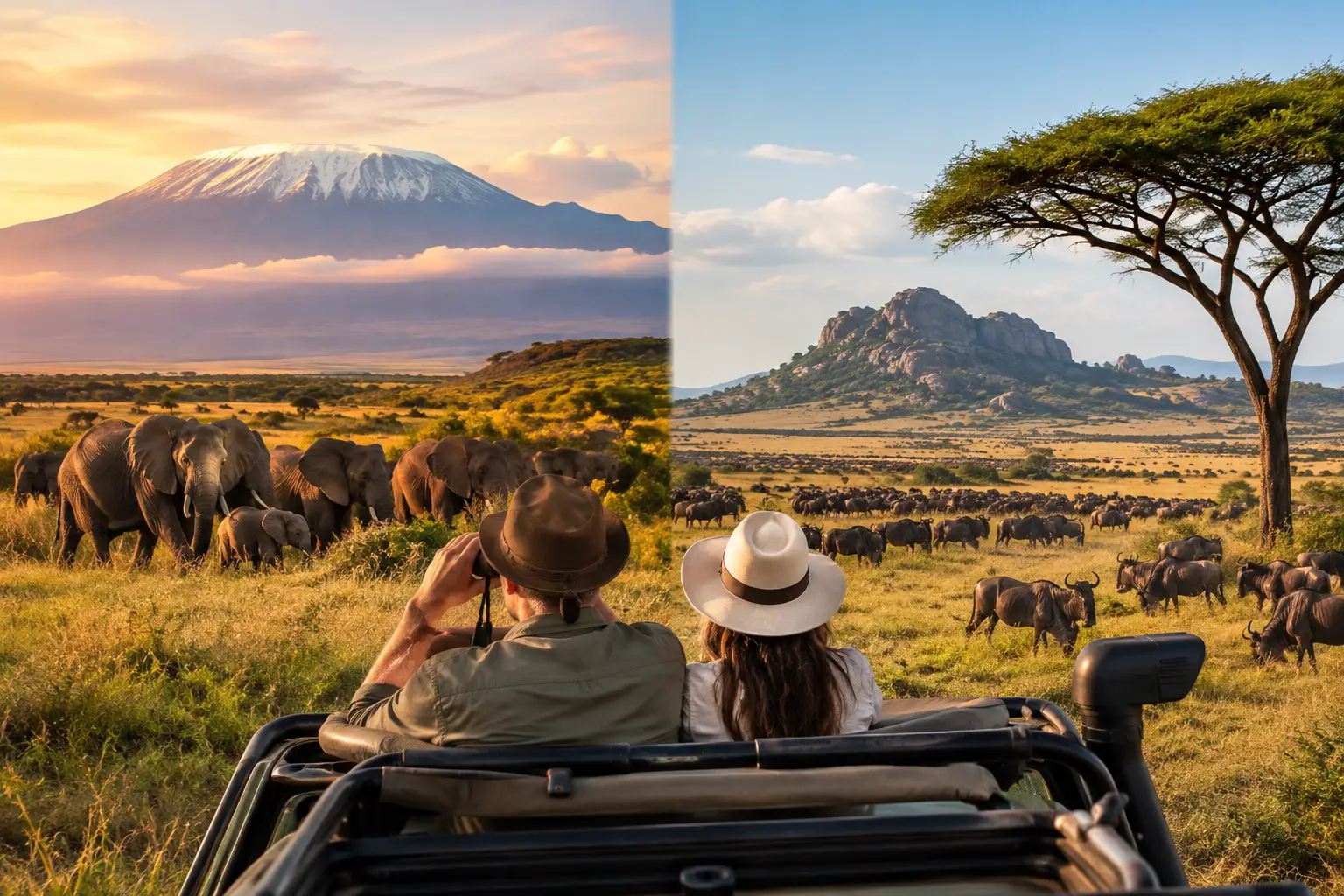
A Kenya versus Tanzania decision is rarely about choosing the “better” safari. Both countries offer extraordinary wildlife, polished camps, accomplished guides, and landscapes that remain vivid long after you return home. The more useful question is which one suits the way you want to travel: the rhythm of your days, the level of privacy you value, the wildlife moments you hope to witness, and whether East Africa is a focused safari or part of a larger African journey.
For a couple planning a honeymoon, a family traveling across generations, or a returning safari guest with a particular photographic goal, small distinctions make a meaningful difference. Kenya can feel wonderfully varied and connected, while Tanzania often offers a deeper sense of scale and remoteness. A well-designed itinerary can make either feel entirely personal.
Kenya versus Tanzania: The Essential Difference
Kenya is often the stronger choice for travelers who want a rich mix of wildlife, cultural encounters, varied landscapes, and efficient combinations within one trip. From the rolling grasslands of the Maasai Mara to the elephant country of Amboseli and the arid beauty of the north, the country rewards travelers who enjoy contrast. It also pairs naturally with a few days on the Indian Ocean coast.
Tanzania has an altogether grander geographic sweep. The Serengeti seems to continue beyond the horizon, the Ngorongoro Crater delivers an intense concentration of wildlife within its ancient caldera, and the baobab-studded landscapes of Tarangire have a quieter, more elemental character. For travelers drawn to long, unhurried game drives and wilderness camps that feel genuinely removed from daily life, Tanzania is especially compelling.
Neither country should be reduced to a single iconic reserve. The Maasai Mara and Serengeti share an ecosystem, but they offer different safari experiences. Kenya’s conservancies can provide flexibility and an intimate style of wildlife viewing, while Tanzania’s larger parks offer exceptional scale and an impressive feeling of open country.
The Great Migration: Timing Matters More Than Borders
The Great Migration is one of the main reasons travelers compare Kenya and Tanzania, but it is not a fixed event that arrives on a particular date. More than a million wildebeest, alongside zebra and gazelle, follow rainfall and fresh grazing through the Serengeti-Mara ecosystem. Their movement is shaped by weather, not a calendar.
Tanzania is generally the better fit from roughly December through March for the southern Serengeti calving season. This is a powerful time for wildlife enthusiasts: vast herds gather on the short-grass plains, newborn animals arrive in great numbers, and predators are active. It is less about dramatic river crossings and more about abundance, tender young animals, and the raw cycle of life.
From about April through June, the herds move through the central and western Serengeti. This period can reward travelers who value changing landscapes and fewer assumptions about where each day’s game viewing will lead. The dry season, usually June through October, brings excellent general wildlife viewing in both countries. Kenya’s Maasai Mara is particularly sought after from around July into October, when migration herds may cross the Mara River. These crossings are unforgettable when they happen, but they cannot be scheduled or guaranteed.
The wisest approach is to choose travel dates first, then place the safari in the region where the wildlife is most likely to be. Private guides, excellent camp teams, and flexible routing matter as much as the country named on the itinerary.
Wildlife Beyond the Migration
If the migration is not your sole priority, the choice becomes more nuanced. Kenya is outstanding for elephant viewing in Amboseli, where large herds move beneath the presence of Mount Kilimanjaro on clear mornings. The Maasai Mara is renowned for big cats, and the Laikipia region offers a distinctive conservation-led safari with possibilities for tracking experiences, horseback riding, and encounters with species such as Grevy’s zebra and African wild dog.
Tanzania’s northern circuit offers classic East African variety in close succession. Tarangire is known for elephants, baobabs, and seasonal concentrations of wildlife along the river. Lake Manyara brings groundwater forest and birdlife, while the Ngorongoro Crater can produce a remarkably productive single day of game viewing, including a strong chance of seeing rhino. The Serengeti, however, remains the center of gravity for many travelers, not only during migration but for its resident predators, plains game, and vast skies.
For birders, both countries are exceptional, although Tanzania’s diverse habitats can be particularly rewarding on a longer itinerary. For photographers, Kenya’s private conservancies may appeal where permitted off-road positioning and lower vehicle density support patient work. Regulations vary by area and exist for good reason, so photography-focused journeys benefit from planning around the right reserve and camp rather than making broad assumptions.
Privacy, Pace, and the Style of Safari
Luxury on safari is often felt in the space around you: a quiet vehicle, a guide who understands your interests, a camp positioned close to the wildlife action, and enough time to stay with a leopard rather than rush toward the next sighting.
Kenya’s private conservancies, especially around the Maasai Mara, are a compelling option for travelers who place a high value on flexibility. Depending on the conservancy’s rules, they may allow activities not permitted in national reserves, such as night drives, guided walks, or off-road game viewing. They also create direct financial links between tourism, landowners, and wildlife protection. This makes Kenya particularly attractive for guests seeking a safari that combines refined comfort with visible conservation and community benefit.
Tanzania tends to suit travelers who are happy to exchange some activity flexibility for immense wilderness. Its national parks operate under regulations designed to protect sensitive ecosystems, and game drives generally follow established road networks. In return, a mobile camp in the Serengeti or a secluded lodge in a remote concession can offer the rare pleasure of feeling almost alone in a landscape of enormous proportions.
For families, the decision depends on ages and interests. Kenya often works beautifully for active families who would enjoy varied properties, cultural experiences, and manageable travel distances between selected regions. Tanzania can be ideal for families who want to settle into fewer camps and let the safari unfold at a gentler pace. Some walking and remote-camp experiences have minimum-age requirements, so these details should shape the itinerary from the beginning.
Landscapes and Cultural Encounters
Kenya’s visual range is one of its greatest strengths. A journey can move from Nairobi’s creative energy to the Maasai Mara’s grasslands, then onward to Amboseli or the dramatic escarpments and conservancies of the north. Meaningful visits with Maasai and Samburu communities can add depth when arranged respectfully, with local hosts leading the experience and benefits remaining connected to the community.
Tanzania feels more elemental in its northern safari heartland. The floor of Ngorongoro Crater, the sweeping Serengeti plains, and the silhouette of baobabs in Tarangire each carry a distinct atmosphere. Cultural encounters with Maasai communities and other local hosts can be thoughtfully integrated, but they should never feel like a performance added between game drives. The best experiences are small-scale, properly hosted, and rooted in mutual respect.
Both countries can also extend to the coast. Kenya offers elegant beach time along the Indian Ocean, while Tanzania’s Zanzibar archipelago is a natural conclusion for travelers drawn to spice-scented Stone Town, dhow sailing, and restorative days by the sea. The right choice may come down to flight routing, preferred beach style, and how much time you have after safari.
Combining Kenya and Tanzania
For travelers with 12 nights or more, combining both countries can be richly rewarding, particularly during migration season. It allows you to experience the Maasai Mara’s conservancy model alongside the Serengeti’s scale, or pair Kenya’s Amboseli with Tanzania’s northern circuit. Yet more destinations do not automatically create a better journey.
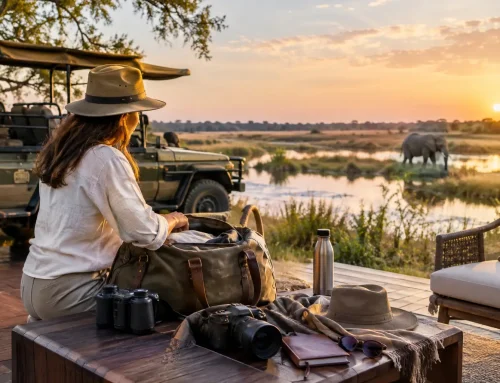
Each additional flight, camp change, and border crossing uses time and energy. A seven- to nine-night safari is often stronger when it focuses on two or three carefully chosen areas rather than trying to cover both countries quickly. Thoughtful ground handling is what turns that decision into an easy experience: timed connections, luggage coordination, appropriate vehicle transfers, and camps selected for the flow of the journey rather than their names alone.
Which Country Should You Choose?
Choose Kenya if you want a varied itinerary with strong potential for private conservancy experiences, cultural depth, excellent big-cat viewing, and a straightforward safari-and-beach combination. It is also a fine choice for repeat visitors who want to explore distinctive regions beyond the Maasai Mara.
Choose Tanzania if your vision is defined by immense landscapes, the Serengeti, a classic northern circuit, and long days immersed in wilderness. It is especially appealing for a first East African safari when you want iconic wildlife areas arranged with calm, considered pacing.
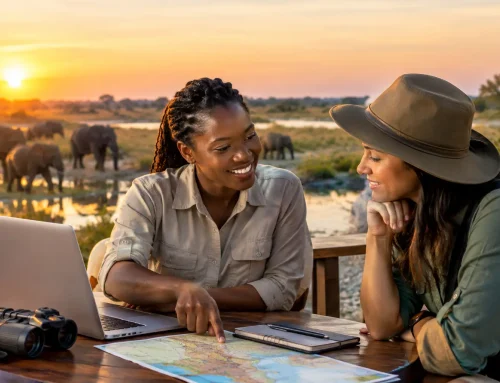
The finest choice is often not Kenya or Tanzania in isolation, but an itinerary shaped around your travel month, desired level of privacy, and the experiences that matter most. At Chloorokop Travel & Tours, we see East Africa as a meaningful extension to a wider African story, designed with the same care given to every lodge stay, private transfer, guiding decision, and conservation-minded encounter. Choose the journey that gives you time to look closely, listen longer, and leave with a more personal connection to the places that welcomed you.