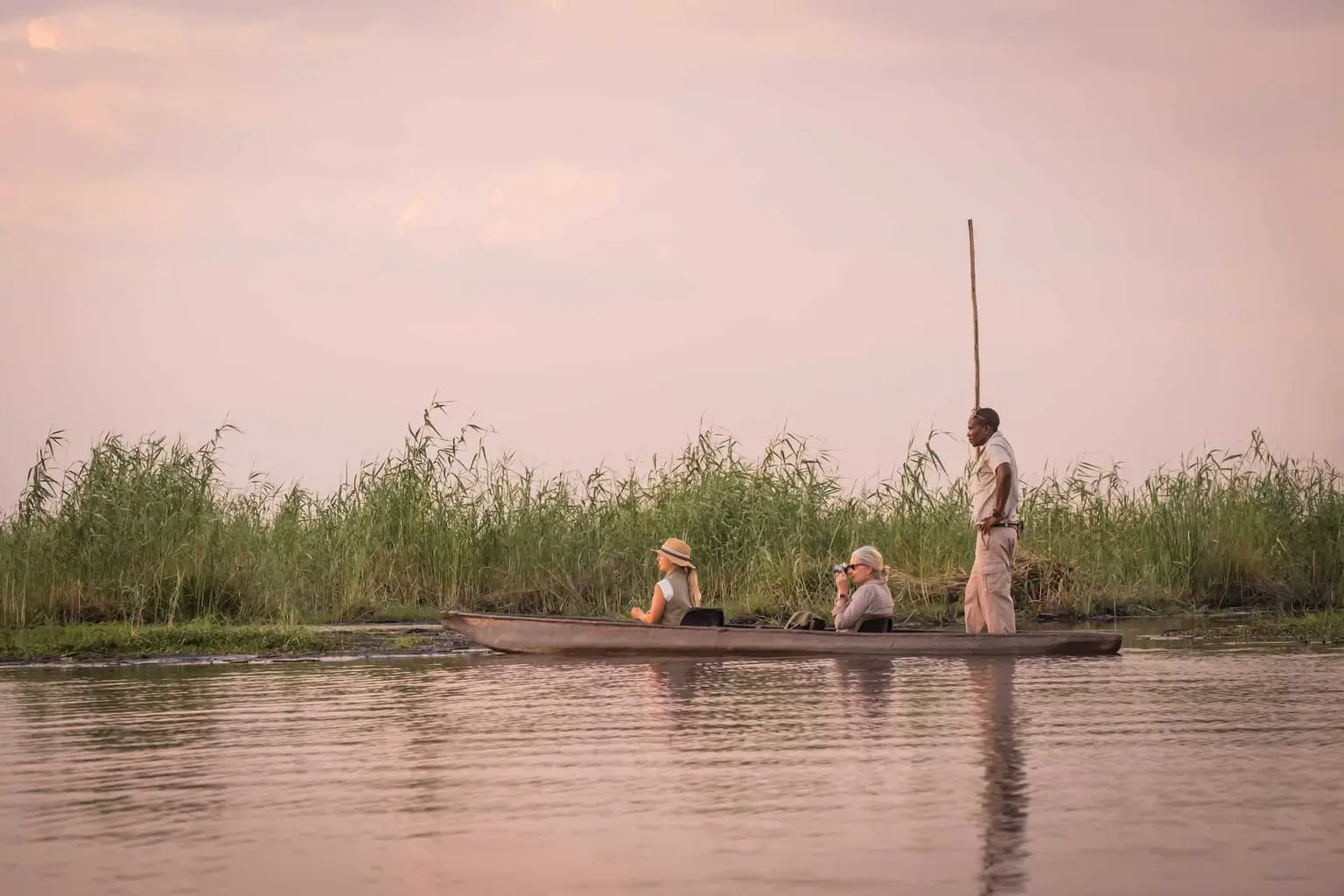
A safari is no longer defined simply by how many animals guests see in a day. The most meaningful African safari travel trends are shifting attention toward time, context, privacy, and a deeper relationship with the landscapes that make wildlife encounters possible. For travelers planning a high-comfort African journey, the new luxury is not a packed itinerary. It is being in the right place, with the right guide, at the right pace.
Botswana remains particularly well placed for this evolution. Its low-impact tourism model, extraordinary protected areas, and remarkable range of ecosystems allow travelers to move from the water channels of the Okavango Delta to the open salt pans of Makgadikgadi or the quiet intensity of the Central Kalahari without losing the sense of wilderness that brought them to Africa in the first place.
African Safari Travel Trends Are Moving Beyond the Checklist
For years, a first safari was often built around the familiar goal of seeing the Big Five. That remains a compelling introduction to Africa, especially for families and first-time visitors. Yet many travelers now arrive with a more layered wish list: a leopard photographed in soft morning light, elephant behavior observed patiently from a private vehicle, a walk that reveals the smaller workings of the bush, or an evening spent listening to the sounds of the Delta rather than rushing toward the next destination.
This does not mean wildlife viewing matters less. It means guests increasingly value how they experience it. Private guiding, smaller camps, flexible game-drive times, and stays of three or more nights in a single area make room for the unexpected. A lion sighting can be thrilling; watching a pride settle into the grass as the light changes can become the story travelers carry home.
For photographers, birders, and returning safari guests, this change is especially relevant. Specialist interests benefit from an itinerary that is not designed around a generic route. In Botswana, for example, the seasonal floodwaters of the Okavango Delta influence where activities are possible and what each concession feels like. A considered itinerary can pair land-based wildlife in Moremi or Khwai with mokoro excursions and boating where water levels permit, rather than treating every camp as interchangeable.
Slower, Longer Stays Create Better Safaris
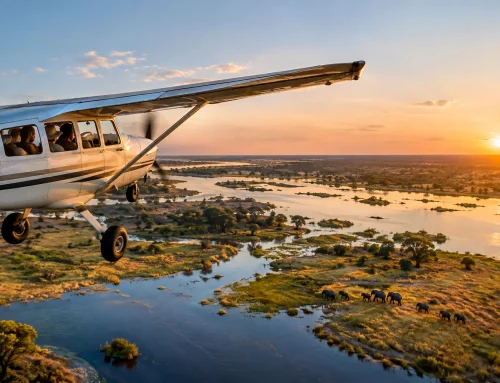
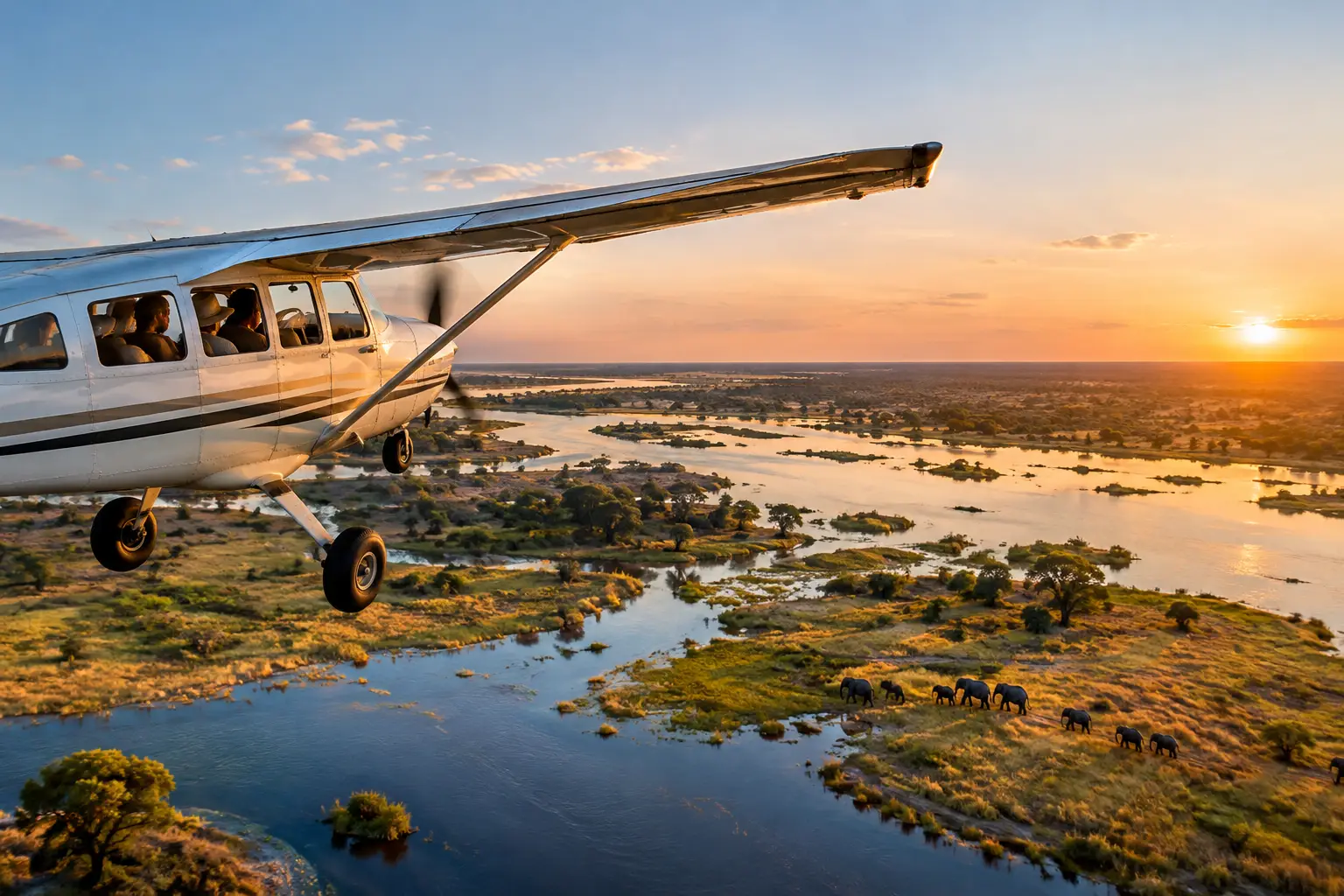
One of the clearest luxury safari trends is a preference for fewer camp changes and longer stays. Travelers are recognizing that frequent light-aircraft transfers can be part of the adventure, but they also take time from the experience. A three-night stay provides the space to settle in, learn the rhythms of an area, and enjoy different activities without feeling that every meal or game drive is on a schedule.
This approach is ideal for couples celebrating a honeymoon or anniversary, as well as multigenerational families who want both shared experiences and time to rest. It also creates more flexibility around weather and wildlife movement. If an afternoon storm arrives over Chobe, or wild dogs have moved through a nearby area, guests with time on their side are better positioned to make the most of it.
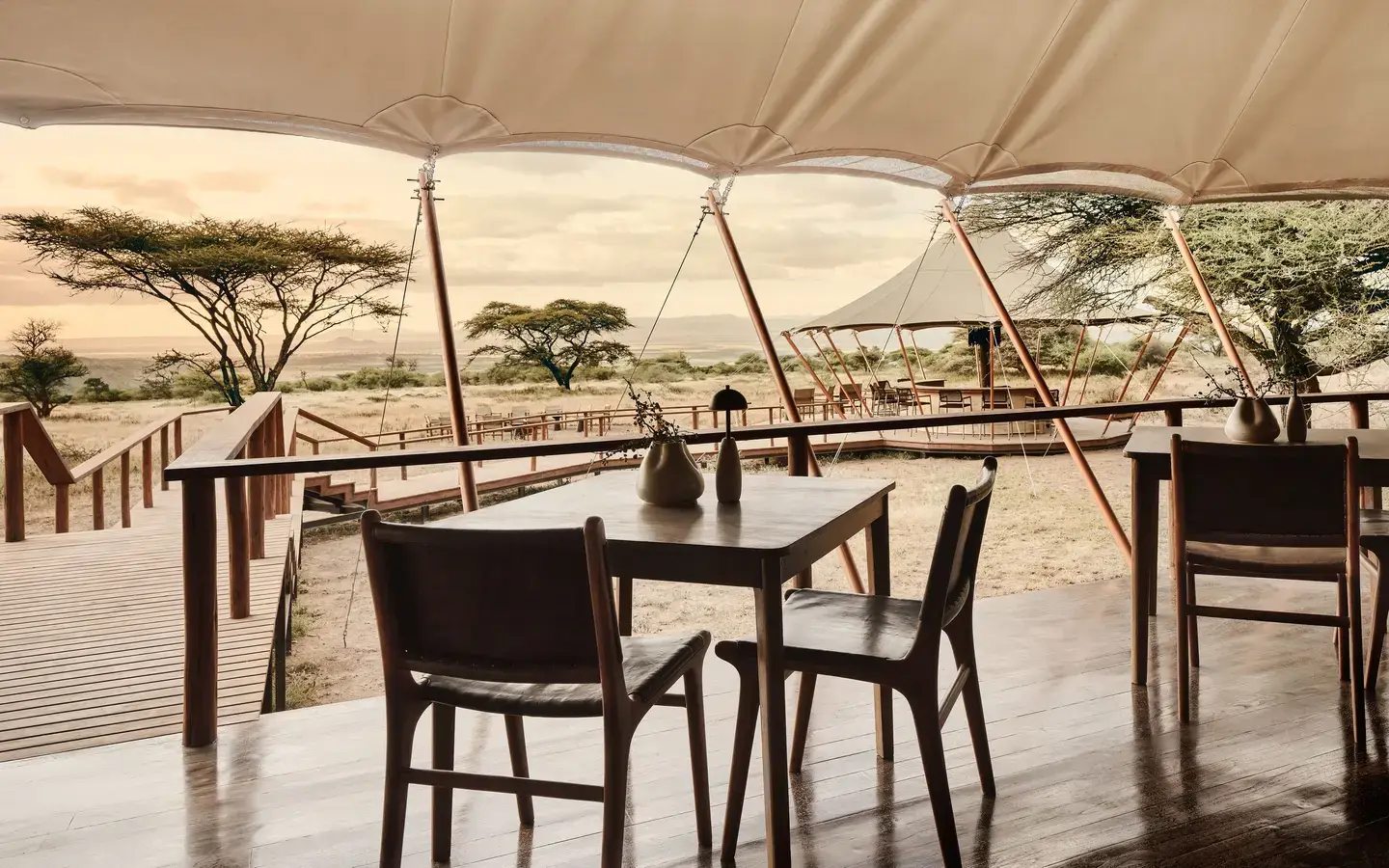
Slower travel does not have to mean doing less. It can mean doing each thing more fully: a sunrise drive in Savuti, an unhurried lunch overlooking a floodplain, an afternoon at leisure, then a night drive focused on nocturnal species. The balance depends on the traveler. Families may prioritize a private vehicle and a camp with a strong young-explorer program, while a honeymoon couple may prefer a more secluded setting and fewer internal flights.
Privacy Is Becoming More Personal
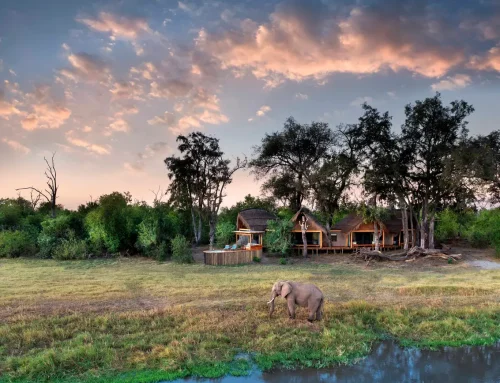
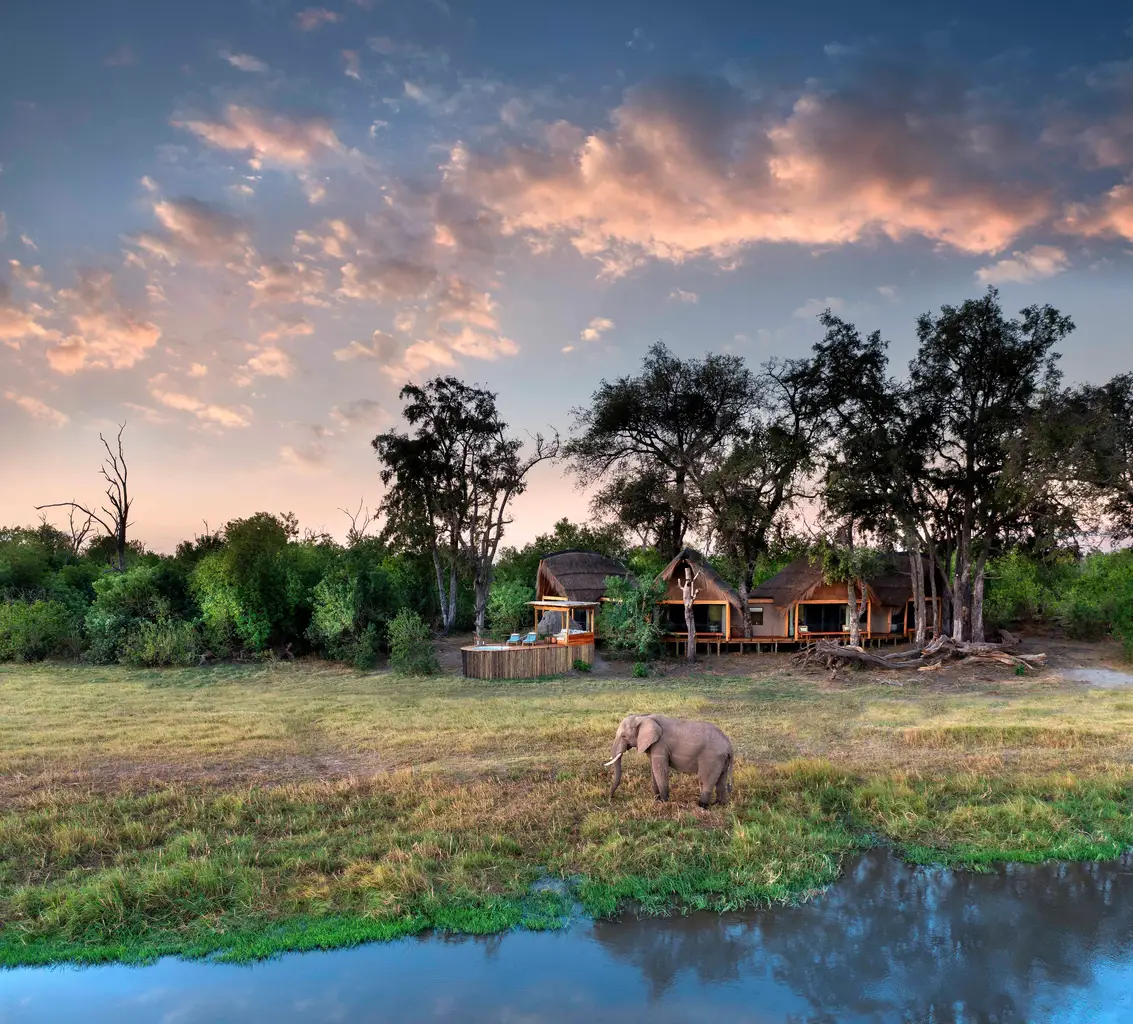
Privacy remains a central consideration in luxury travel, but it is being defined more thoughtfully. Some guests want an exclusive-use villa where family and friends can set their own dining and activity schedule. Others prefer an intimate camp, where the social atmosphere is warm but the wilderness still feels private.
The practical advantage of exclusive use is flexibility. It can allow for child-friendly mealtimes, private guides, longer photography sessions, or a day structured around a special occasion. However, it is not automatically the best choice for every journey. A small, owner-run camp can offer exceptional hosting and a memorable sense of connection, particularly for couples and solo travelers. The right answer lies in the travelers’ priorities, not in a one-size-fits-all definition of luxury.
Conservation Is Part of the Experience
Travelers increasingly want to understand where their safari investment goes. They ask how a lodge supports conservation, whether local communities benefit, and what low-impact operations look like in practice. These questions are not a passing trend. They reflect a more informed kind of luxury traveler – one who expects comfort and excellent service, while also wanting their journey to contribute positively.
In Botswana, conservation is woven into the safari experience through vast protected landscapes, community partnerships, carefully managed concessions, and tourism models that prioritize lower guest density in sensitive areas. Guests can see the result in the quality of the wilderness itself: room for elephants to move, healthy predator populations, and landscapes that remain profoundly uncrowded.
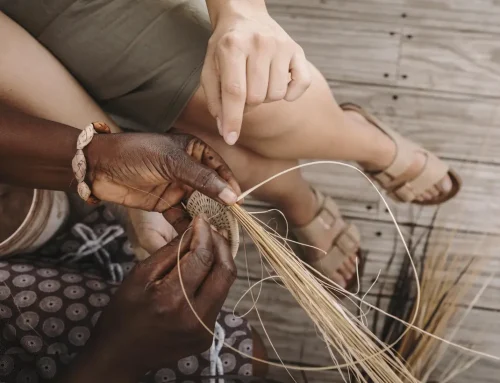
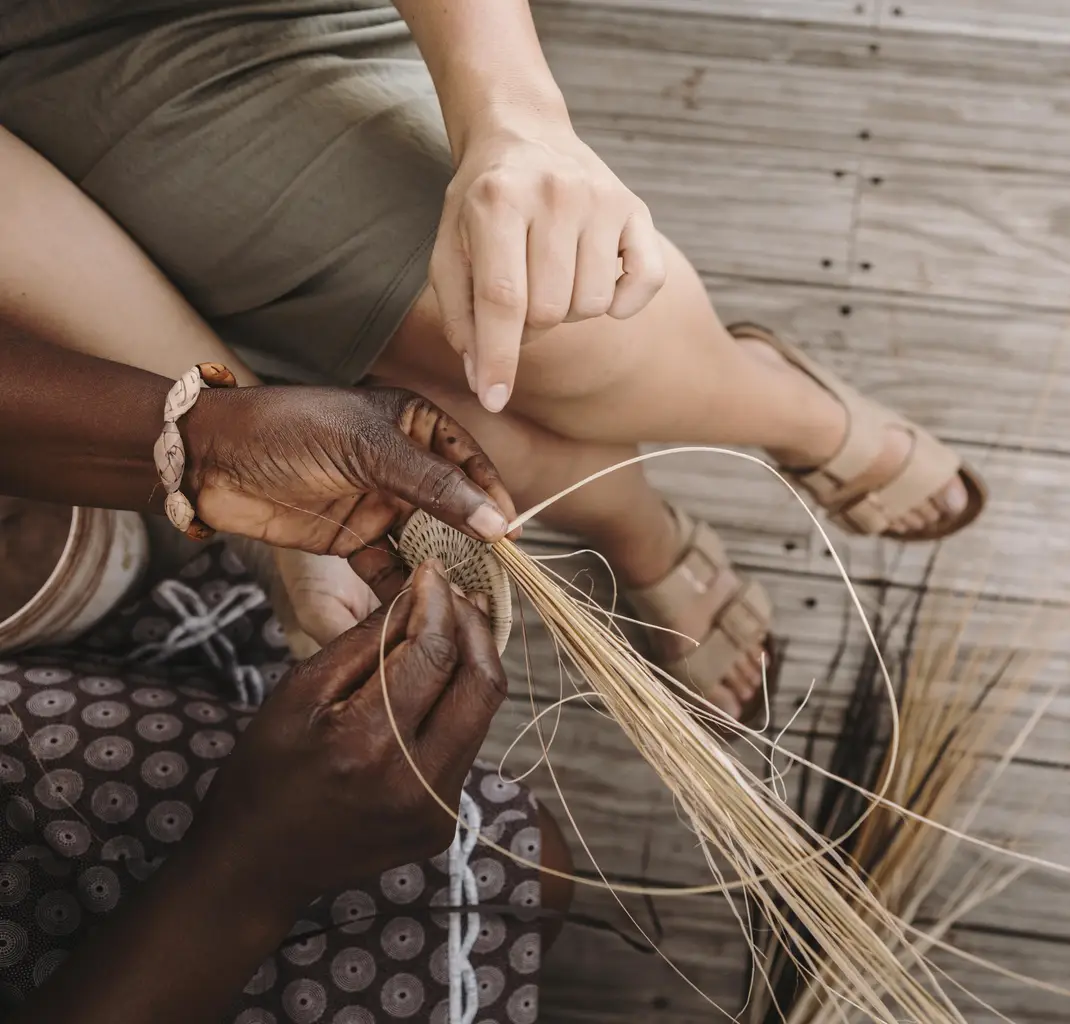
Responsible travel should never be reduced to a token village visit or a line on an itinerary. Meaningful cultural experiences require respect, consent, and context. When thoughtfully arranged, they can introduce travelers to the knowledge, artistry, food traditions, and contemporary lives of the people who call these regions home. The goal is exchange, not performance.
There are trade-offs to consider. Remote camps may rely on small aircraft, and a journey across several countries will carry a greater transport footprint than a focused Botswana safari. A responsible approach is not about perfection. It is about making informed choices: staying longer, selecting operators committed to conservation and local employment, minimizing unnecessary transfers, and treating each destination with care.
Safari and Beyond: Africa as a Connected Journey
Another defining development is the rise of multi-dimensional African itineraries. A safari is often the heart of the trip, but travelers are pairing it with a second rhythm: Victoria Falls for scale and drama, Cape Town and the Winelands for food and design, Mozambique or Mauritius for a restorative beach stay, or Rwanda and Uganda for gorilla trekking.
These extensions work best when they are designed as a coherent journey rather than added as a checklist. A traveler who begins in Botswana’s Linyanti may want a few quiet nights on the Indian Ocean afterward. A family traveling during school breaks might combine Chobe’s elephant-rich riverfront with Victoria Falls and a private Cape Town experience. For wildlife-focused guests, a Botswana safari followed by gorilla trekking can offer an extraordinary contrast, though it requires careful pacing and an appetite for active days.
Regional travel also requires detailed ground handling. Border crossings, flight schedules, luggage allowances on light aircraft, seasonal conditions, and transfer times can shape the journey as much as the choice of lodge. This is where destination knowledge matters. A beautiful itinerary on paper must also feel effortless in motion.
Wellness Is Finding Its Place in the Wilderness
Wellness on safari has matured beyond spa treatments, although a massage after days of game viewing certainly has its place. Travelers are seeking space to reset: early mornings outdoors, time away from constant notifications, nourishing food, movement, sleep, and the rare privilege of being surrounded by nature without needing to perform or produce.
Botswana offers this naturally. A mokoro glide through the Delta can be deeply calming. So can watching stars from a deck in the Makgadikgadi, walking with an experienced guide in a private concession, or spending an afternoon in camp with no agenda at all. For some guests, wellness may include dedicated treatments and private yoga. For others, it is simply the freedom to slow down.
The most successful wellness-focused safaris do not force a retreat format onto a wilderness journey. They protect time for stillness while preserving what makes a safari exhilarating: the unpredictability of the natural world.
What These Trends Mean for Planning
The common thread across these African safari travel trends is intentionality. Travelers are asking more specific questions, and their itineraries should answer them. What wildlife matters most? How much privacy is desired? Is the trip about celebration, family connection, photography, conservation, recovery, or a combination of all five?
Season matters too. The green season can bring dramatic skies, newborn animals, excellent birding, and a softer pace. Dry-season travel often delivers concentrated wildlife around water sources and classic game-viewing conditions. Neither is universally better. Botswana’s magic changes with the calendar, and the most rewarding journey is one designed around the experience a traveler truly wants.
At Chloorokop Travel & Tours, that begins with listening closely, then shaping the route, accommodations, guides, activities, and logistics around the people taking the journey. The finest safari does not feel assembled from standard components. It feels personal from the first welcome to the final flight home.
Choose the places that invite you to linger, leave room for surprise, and travel in a way that honors both your time and the wilderness that makes the experience possible.