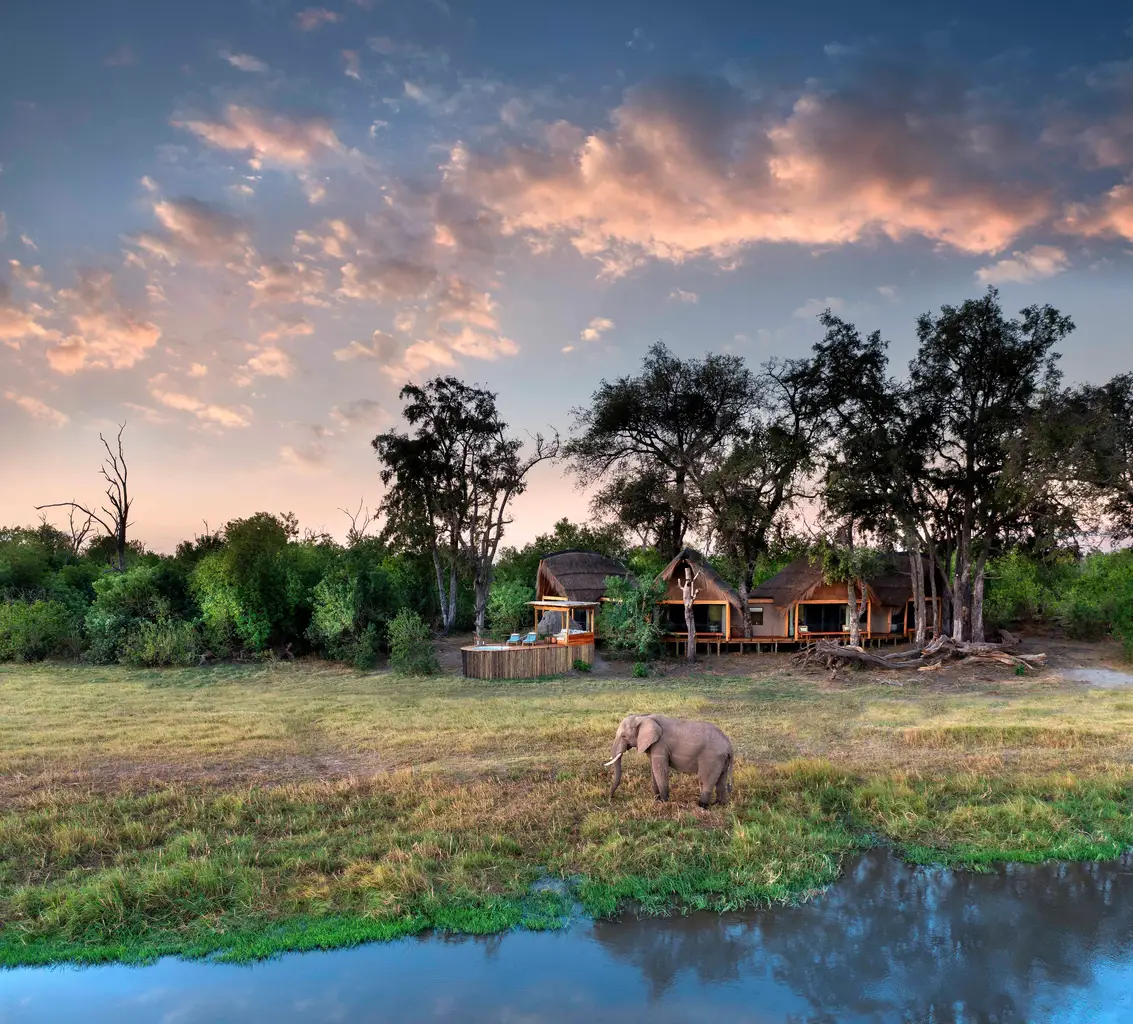
A family safari is not simply an adult safari with extra beds. The days move differently when a child is watching elephants cross a floodplain for the first time, a teenager wants to photograph wild dogs, or grandparents need a quieter afternoon between game drives. This family safari planning guide is designed to help you create a Botswana journey that feels exciting, comfortable, and genuinely personal for every generation.
Botswana is particularly well suited to families who value privacy, extraordinary wildlife, and well-managed logistics. With the right camp selection, guide, routing, and pace, a safari can hold space for early-morning adventure, pool time, fireside storytelling, and the rare pleasure of being fully present together.
Begin with your family, not a fixed itinerary
The best starting point is an honest conversation about how your family likes to travel. Ages matter, but so do personalities, energy levels, interests, and confidence around the outdoors. A family with young children may prefer shorter drives, a private vehicle, and a camp with a family suite. Families with older children may welcome longer days tracking predators, seasonal mokoro excursions in the Okavango Delta, or sleep-outs under wide Botswana skies.
Rather than trying to see every iconic region, choose experiences that suit your family rhythm. A seven- to ten-night journey across two or three well-connected areas often feels more rewarding than a fast-moving itinerary with constant packing and early departures. Time in one place allows children to recognize animal behavior, become comfortable with their guide, and develop the patience that makes a safari so compelling.
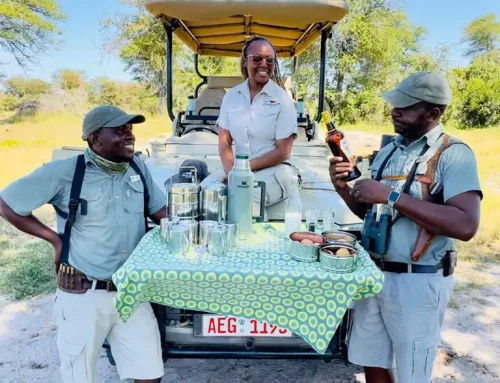
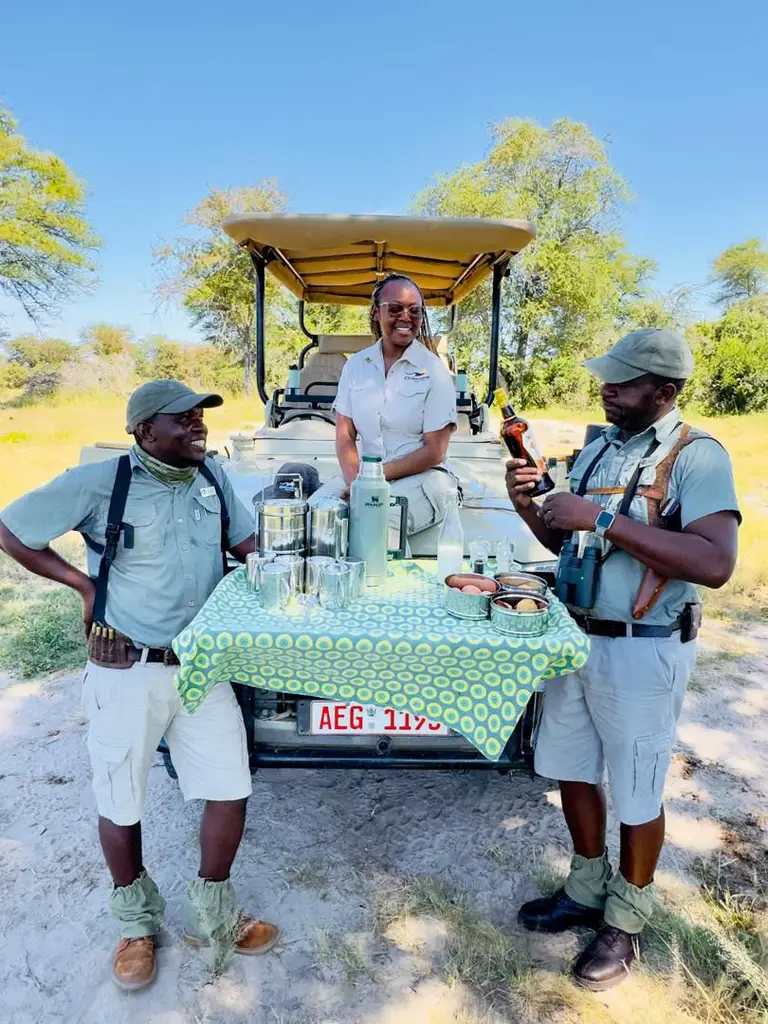
A private guide and vehicle can be especially valuable for multigenerational travel. They allow game drives to follow your family’s natural pace: lingering with a leopard, returning to camp when a child is tired, or focusing a morning around birding, photography, or elephants rather than a checklist of sightings.
Choose the right Botswana regions for your family safari
Botswana offers dramatically different safari environments, and combining them thoughtfully is part of the experience. The Okavango Delta brings water-based exploration, reed-fringed channels, and wildlife-rich islands. Seasonal water levels influence activities, so a tailored plan should account for the time of year as well as the minimum ages required for mokoro or boating activities at individual camps.
Moremi Game Reserve and the Khwai region offer varied landscapes and rewarding land-based game viewing. These areas can be excellent for families who want a classic safari feeling, with chances to see elephants, lions, giraffes, buffalo, and, with luck, African wild dogs. Khwai’s community-concession model also creates opportunities to discuss conservation and local livelihoods in a meaningful, age-appropriate way.
For elephant-focused encounters, Chobe and the Linyanti region are exceptional choices. Chobe’s river provides a gentler way to observe wildlife, with elephants often gathering along the banks. Linyanti feels more secluded and can suit families looking for a quieter wilderness setting, particularly when paired with a camp that offers spacious family accommodation and flexible private activities.
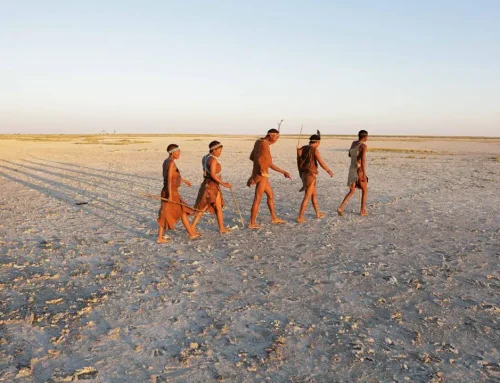
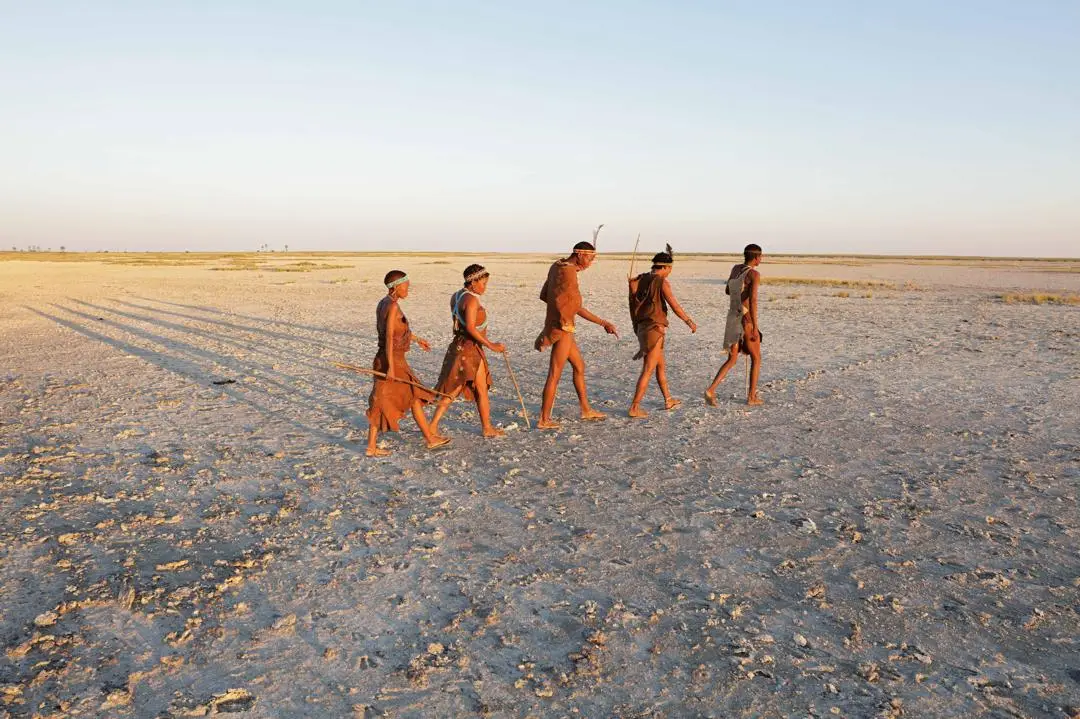
The Makgadikgadi Pans and Central Kalahari are powerful additions for families who enjoy open landscapes, stargazing, culture, and a different perspective on wildlife. They are not always the first choice for a young child’s first safari because distances can be longer and sightings can require more patience. Yet for curious older children and returning safari families, these regions can become the most memorable part of the journey.
Plan around the season, not just the school calendar
There is no single best month for a family safari in Botswana. The right timing depends on what your family hopes to experience and how you respond to heat, rain, and travel schedules.
The drier months, generally from May through October, offer cooler mornings and concentrated wildlife around permanent water sources. This is often appealing for first-time safari families, though popular periods can require planning well in advance. June through August can bring chilly dawn game drives, so warm layers are essential, especially for children.
The green season, broadly from November through April, reveals lush landscapes, dramatic skies, young animals, and excellent birdlife. It can be a wonderful time for families interested in photography, fewer visitors, and a slower, more intimate feeling in camp. Rainfall is variable, and afternoon storms may influence the day’s rhythm, but they are often brief and part of the atmosphere rather than a reason to stay indoors.
A destination specialist can match seasonal conditions to your priorities. For example, a family seeking a Delta water experience may need different timing than one focused on big cat viewing or a Victoria Falls extension.
Family-friendly camps require more than a larger room
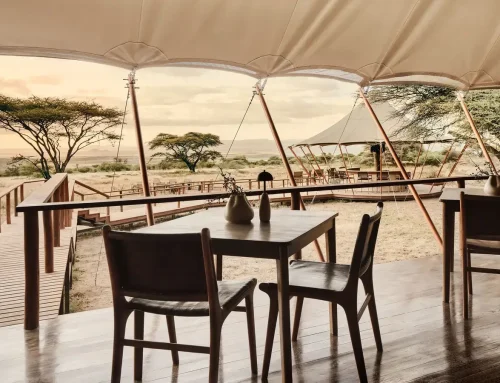
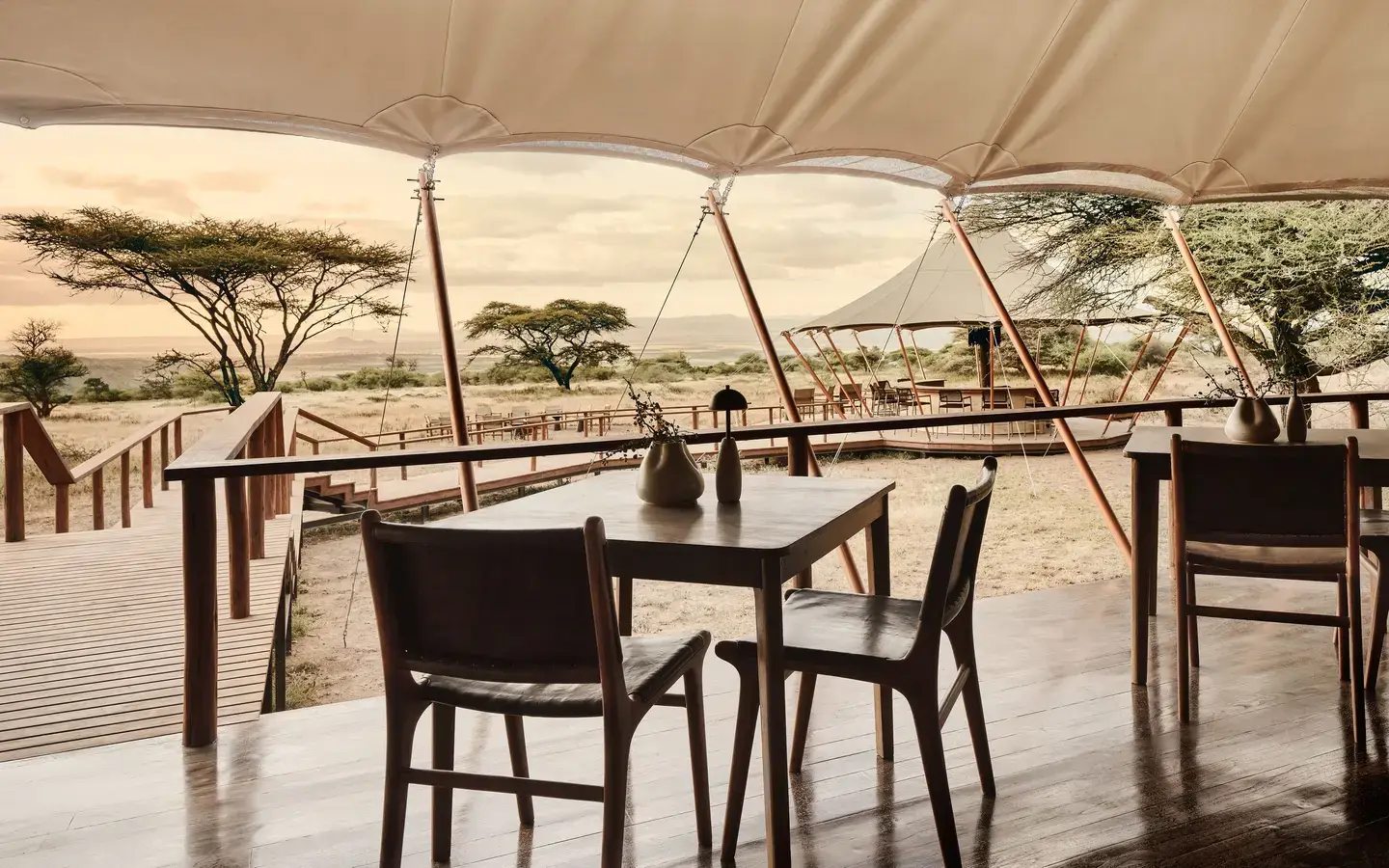
When planning a luxury family safari, ask detailed questions about how a camp welcomes children. Family suites, interconnecting tents, private villas, and exclusive-use houses offer different levels of privacy and flexibility. The best option depends on the ages of your children and whether grandparents or caregivers are traveling with you.
Many camps have age policies for safety and operational reasons. These may affect shared game drives, walking safaris, mokoro excursions, boating, or sleep-out experiences. Policies are not a limitation to work around at the last minute. They are useful planning information that helps create an itinerary where no one feels excluded.
Look beyond accommodation layout. Consider whether the camp can arrange child-friendly meals, earlier dining times, junior ranger activities, bush skills, tracking lessons, or private vehicle use. A thoughtful guide can make a game drive engaging for every age group, turning a dung beetle, a honeyguide, or animal tracks into a story children carry home.
Build a pace that leaves room for wonder
A safari day can begin before sunrise, when wildlife is active and the light is soft. That magic does not mean every family needs two lengthy game drives every day. Young children may enjoy a shorter morning activity followed by swimming, reading, or a relaxed lunch at camp. Teenagers may prefer an afternoon drive that runs into a starlit dinner. Adults may appreciate a quiet hour with a view across the floodplain.
The most successful itineraries make room for these differences. Build in two- or three-night stays, avoid unnecessary transfers, and alternate more active days with unstructured time. If you are combining Botswana with Cape Town, Victoria Falls, Mozambique, or Mauritius, consider placing a few restful nights after the safari rather than rushing immediately into the next experience.
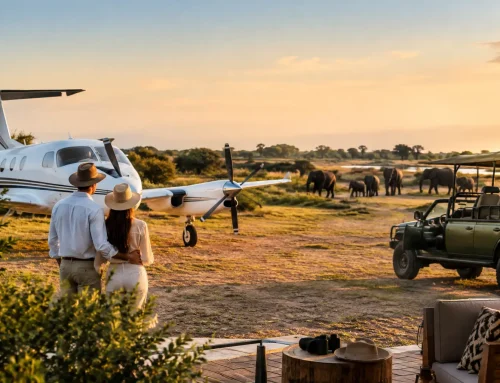
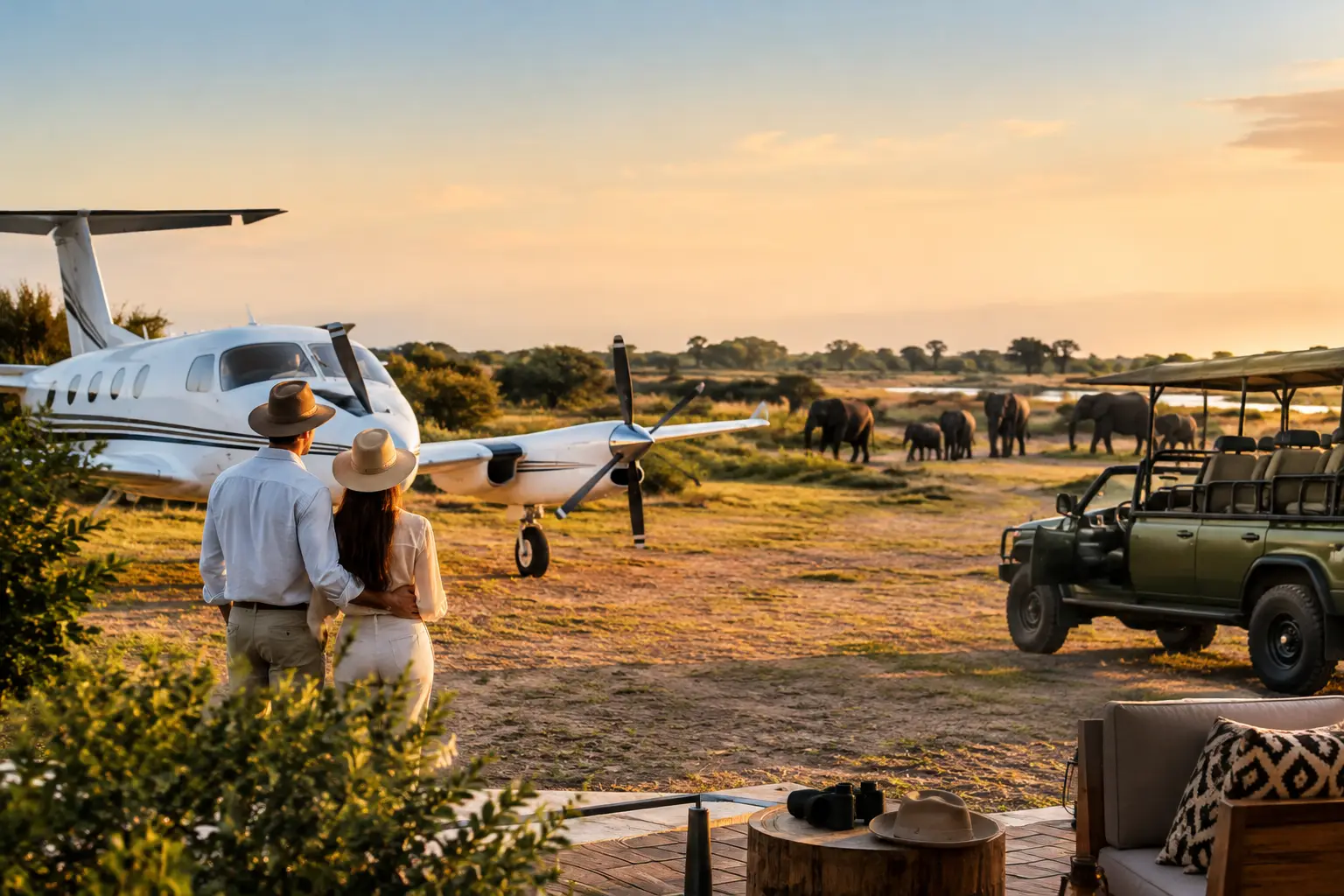
Travel days deserve special attention. Light aircraft transfers offer remarkable aerial views across the Delta and make remote regions accessible, but luggage limits often apply and flight schedules can vary with weather. Families traveling with babies, medical equipment, or specialist photography gear should flag this early so each transfer is planned appropriately.
Prepare children for the safari before departure
A little preparation deepens the experience. Share a simple map, watch age-appropriate wildlife documentaries, and let each child choose an animal they hope to see. A small journal, binoculars suited to smaller hands, and a camera can help transform observation into participation.
It also helps to explain safari etiquette in advance. Wildlife is encountered on its own terms, and quiet patience often leads to the most extraordinary moments. Children should understand why guides ask guests to remain seated, keep voices low, and respect the distance between vehicle and animal. These are not rules that reduce the adventure. They are part of what protects both people and wildlife.
Health preparation should be individualized. Parts of Botswana are malaria-risk areas at certain times of year, and families should seek advice from a qualified travel health professional well before departure. Comprehensive travel insurance, appropriate vaccinations where recommended, and clear communication about allergies, dietary needs, medications, or mobility considerations allow your ground team and camps to prepare with care.
Let responsible travel become part of the family story
A Botswana safari offers an unusually direct way to show children why conservation matters. The country’s protected landscapes, low-impact safari model, and community partnerships demonstrate that wildlife, wilderness, and local livelihoods are connected.
Choose experiences that respect this relationship. Visit cultural initiatives with sensitivity, purchase locally made work where appropriate, use water and energy mindfully in remote camps, and encourage children to ask questions about the people who care for these places. The goal is not to turn a vacation into a lecture. It is to help a family recognize that privilege in wild places comes with responsibility.
At Chloorokop Travel & Tours, we design family journeys around these practical details and the moments no itinerary can fully predict: a child’s first lion roar at dawn, a shared silence as elephants pass, and the conversations that continue long after the journey home. Give your family enough time, the right setting, and a guide who understands them, then let Botswana do what it does best – make wonder feel wonderfully close.