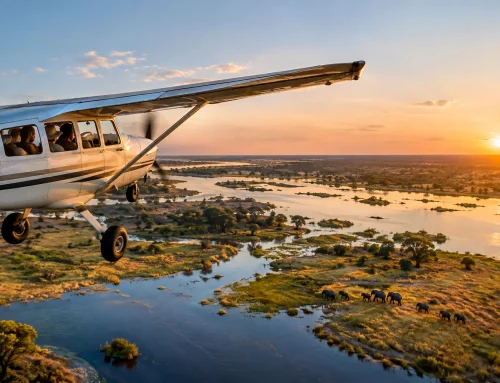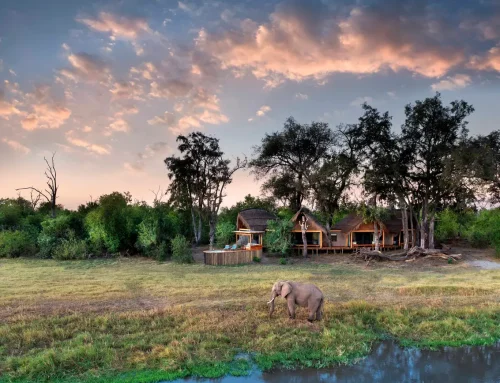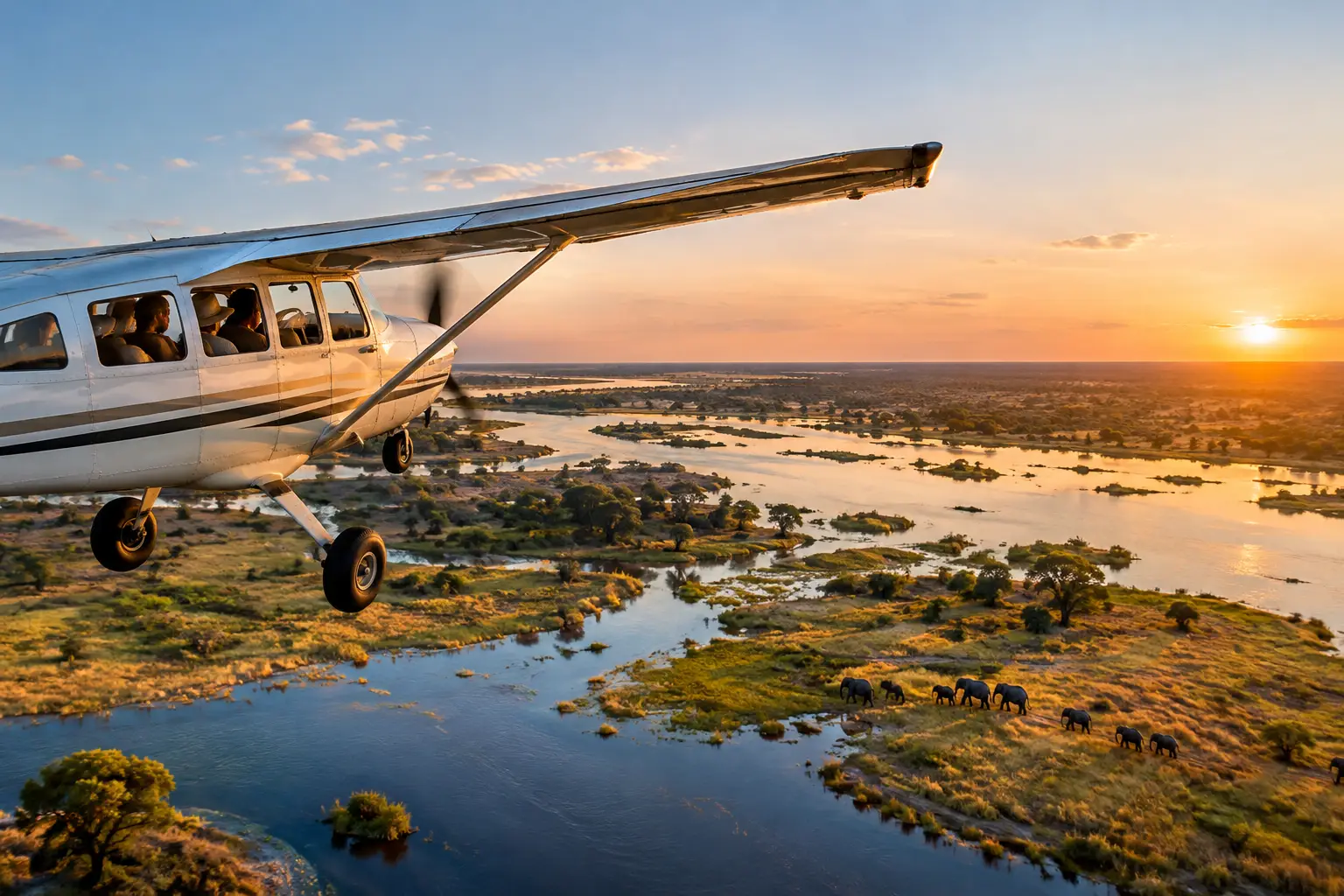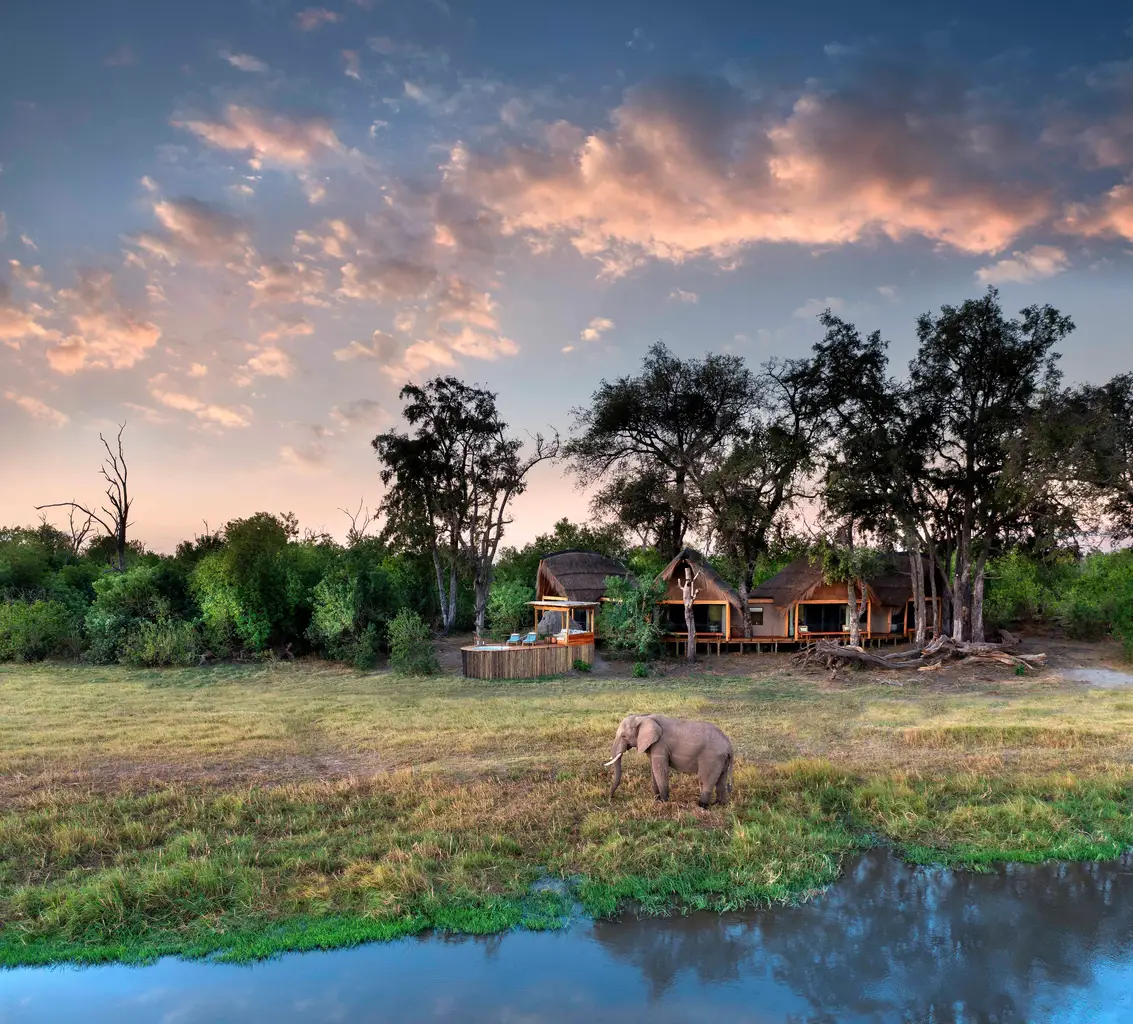

The first morning in the Okavango Delta can feel wonderfully removed from the rest of life: reeds moving in the breeze, a mokoro gliding through clear channels, an elephant’s silhouette at the water’s edge. Yet this landscape is closely connected to the choices behind every journey. Safari sustainability trends are changing how discerning travelers evaluate where they stay, who guides them, how they move through wilderness, and what their visit leaves behind.
For luxury travelers, responsible travel no longer means sacrificing comfort or asking for a less polished experience. It means choosing a journey where exceptional guiding, considered design, privacy, and careful logistics support a greater purpose: protecting wild places and creating meaningful value for the people who live alongside them.
Why sustainability has become central to safari travel
Africa’s most remarkable safari regions are not unlimited resources. The Delta’s seasonal floodwaters, Chobe’s elephant populations, the predator-rich woodlands of Moremi, and the vast grasslands of the Makgadikgadi each require thoughtful stewardship. Tourism can help fund conservation, create skilled employment, and support community-led enterprises. It can also place pressure on water, wildlife, land, and cultural traditions when poorly planned.
That is why the most meaningful shift is not simply toward eco-friendly amenities. It is toward a more accountable model of travel. Guests increasingly want to understand how a camp operates, whether it works respectfully with neighboring communities, and how their safari contributes to the long-term health of the destination.
Botswana has long offered a compelling framework through its focus on lower-volume, higher-value tourism in many wilderness areas. This approach is not perfect, and it varies by concession and operator, but it can reduce crowding while helping generate revenue for conservation and local livelihoods. For travelers, it often creates a more private and unhurried experience too.
Safari sustainability trends redefining luxury
Low-density wilderness experiences
One of the strongest safari sustainability trends is the preference for fewer guests in larger wilderness areas. A small camp in a private concession can limit vehicle density at sightings, create more space between guests and wildlife, and allow guides to adapt activities to the rhythm of the bush rather than a fixed schedule.
This is especially relevant in Botswana’s Okavango Delta, Linyanti, Khwai, and parts of the Kalahari, where the quality of the experience lies in silence, distance, and time. An unhurried leopard sighting or a private sundowner overlooking a floodplain has value beyond exclusivity. It can also be a more respectful way to encounter wildlife.
Lower density does not automatically make an experience sustainable. A camp’s energy use, waste systems, staff practices, sourcing, and concession commitments still matter. But thoughtful limits on guest numbers and vehicle pressure are a meaningful starting point.
Conservation connected to the guest experience
Travelers are seeking a closer understanding of the conservation work that protects the places they visit. This may take the form of conversations with guides about wildlife monitoring, a visit to a community conservation initiative where appropriate, or time with specialists whose work supports habitat protection.
The best experiences do not turn conservation into a performance. They offer context. A knowledgeable guide can explain why a lion pride’s territory matters, how seasonal water levels influence wildlife movement, or why driving off-road is carefully managed in sensitive areas. Those details transform a game drive from a checklist into a deeper encounter with a living ecosystem.
For specialist travelers, private guiding can create even more room for this kind of learning. Photographers may spend longer observing natural behavior rather than moving quickly between sightings. Birders can explore seasonal habitats with purpose. Families can engage with conservation through experiences shaped to their children’s ages and interests.
Community partnerships with real local value
Community benefit has become a defining measure of responsible safari design. In its strongest form, this means more than purchasing a few crafts or arranging a brief village visit. It can include employment and professional development, local supply chains, cultural enterprises led by community members, and tourism models linked to community-managed land.
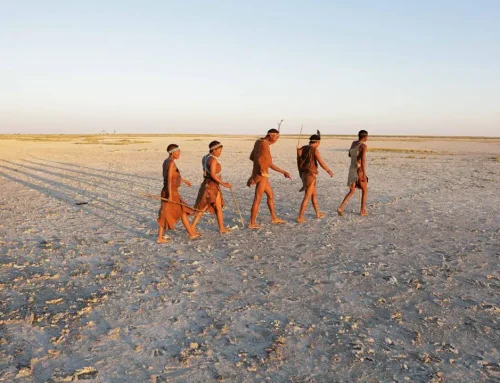
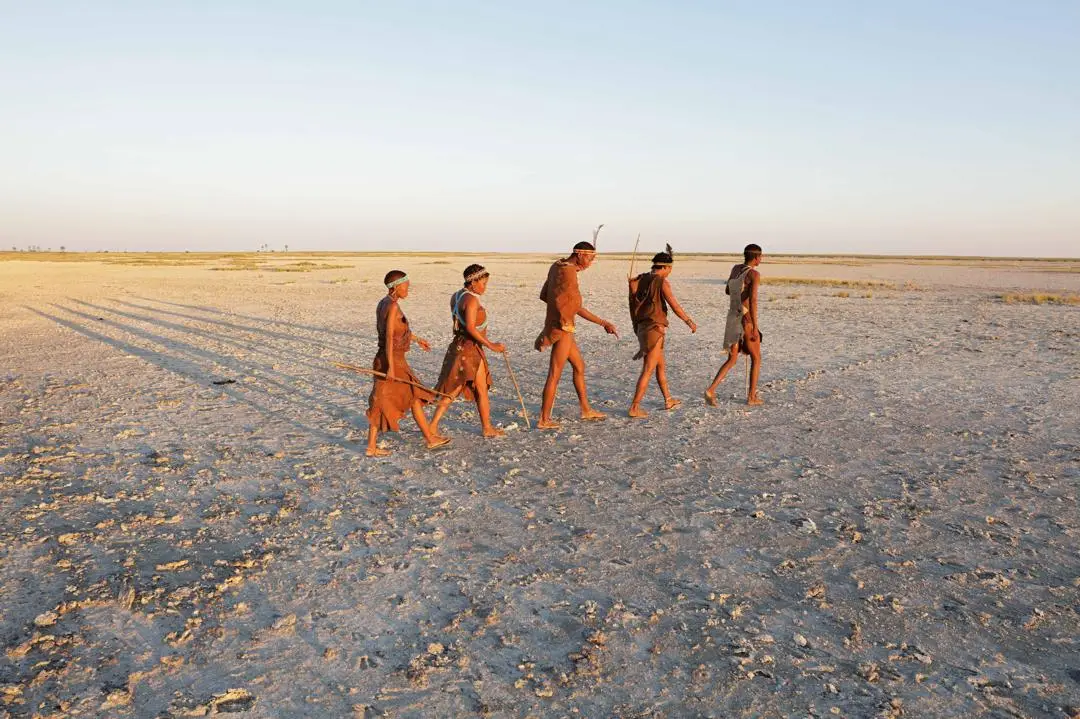
Cultural experiences require particular care. They should be invited, fairly compensated, and led on local terms, never treated as entertainment for visitors. A well-designed encounter can offer genuine exchange, whether that means hearing stories of life in the Delta, learning about San knowledge of the Kalahari landscape, or meeting artisans whose work carries generations of skill.
Travelers should also recognize that impact looks different across regions. A remote lodge may have fewer local procurement options than a property near a town, for example. What matters is transparency, long-term commitment, and a willingness to improve rather than a perfect-sounding promise.
Lighter operations, without compromising comfort
Solar power, reduced single-use plastics, water-saving systems, refillable amenities, thoughtful laundry practices, and waste separation are now increasingly visible across the safari sector. In remote areas, these operational choices can make a substantial difference because resources must often be transported long distances and waste management is more complex.
Still, sustainability is rarely as simple as one feature. Solar power may reduce reliance on generators, but batteries, refrigeration, air travel, supply deliveries, and construction all carry environmental costs. The more credible camps acknowledge those trade-offs and work to reduce impact across the full operation.
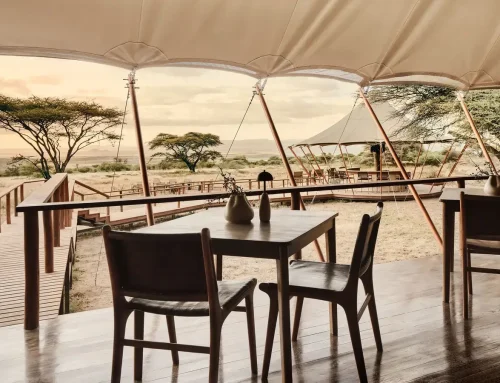
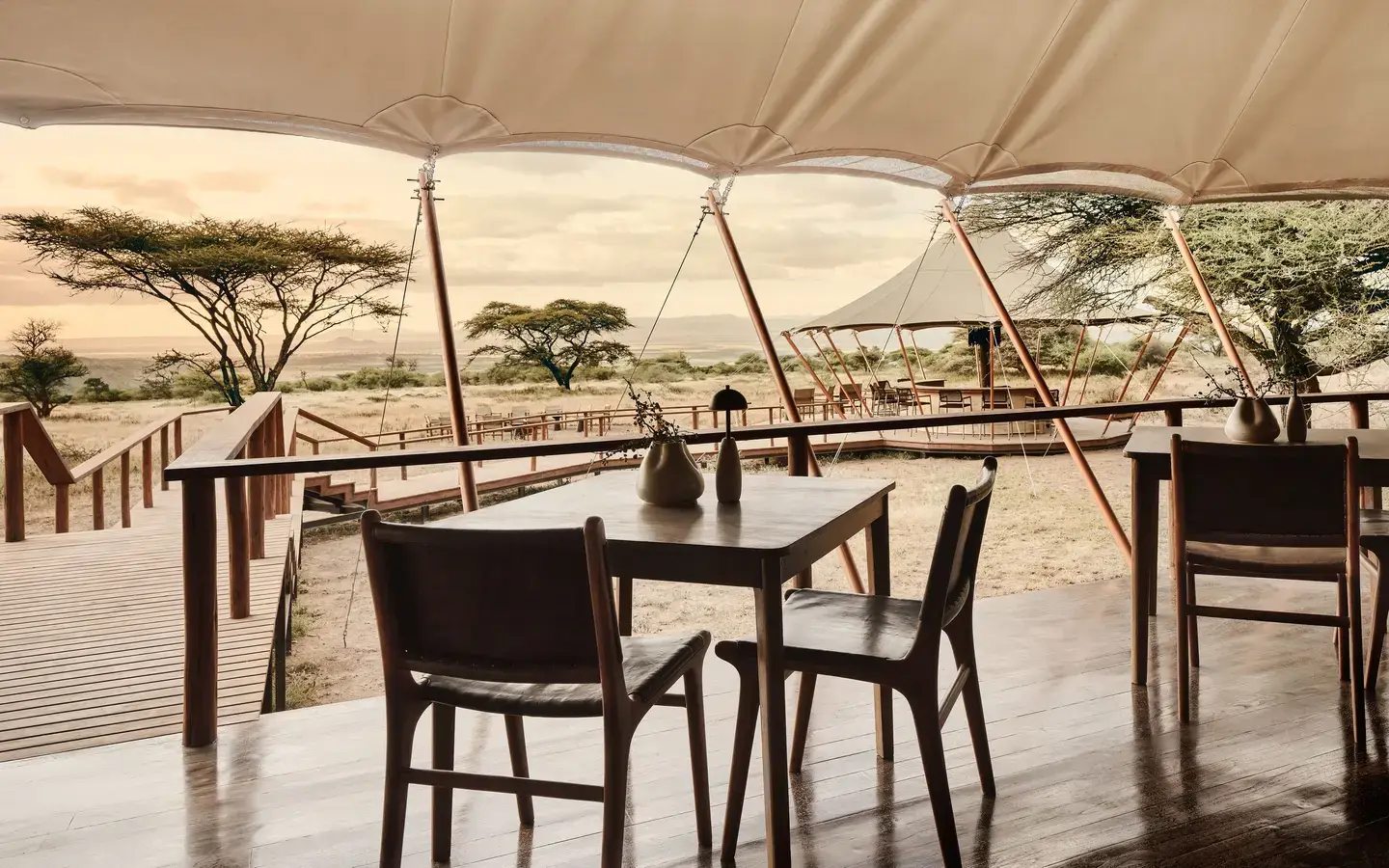
Luxury can remain deeply comfortable within these parameters. It may look like a beautifully designed tented suite cooled by the evening air, carefully managed hot water, cuisine prepared with seasonal ingredients where feasible, and a staff team trained to anticipate every detail. The distinction is not less care. It is more considered care.
Slower, more intentional itineraries
The desire to see everything in one trip is giving way to journeys with greater depth. Rather than moving every night, travelers are choosing longer stays in fewer places, often combining contrasting ecosystems such as the water wilderness of the Okavango Delta with the dry expanses of the Central Kalahari or the elephant country of Chobe.
This can reduce the logistical intensity of a safari while allowing guests to settle into a landscape. More time in one area brings better wildlife viewing, more flexible activity planning, and a stronger connection with the guides and camp teams who bring a destination to life.
It also supports better decision-making around regional extensions. A Botswana safari can pair beautifully with Victoria Falls, Cape Town and the Winelands, Rwanda’s gorilla country, or a restorative Indian Ocean stay. The right combination depends on the traveler’s interests, available time, and tolerance for additional flights. A well-planned itinerary should feel coherent, not crowded.
What thoughtful travelers should ask
Sustainability claims deserve curiosity. Before confirming a safari, ask how the property manages power, water, and waste; whether it has meaningful conservation or community partnerships; how wildlife-viewing protocols are handled; and whether the journey can be designed with fewer unnecessary transfers.
It is equally useful to ask who benefits from your stay. Are local people employed in skilled roles? Are experiences community-led? Does the lodge work within a conservancy, concession, or community area with clear commitments? Specific answers are more reassuring than broad statements about being green or eco-conscious.
The answer will not always be identical across every camp or country. Some destinations have sophisticated solar infrastructure, while others face more limited options. Some conservation models are community-owned, while others are led through private concessions or nonprofit partnerships. Responsible travel is about choosing the most credible option available and understanding the context behind it.
Botswana’s opportunity to lead with purpose
Botswana’s wilderness remains extraordinary because so much of it is still defined by space. The country offers waterways where the day unfolds by mokoro, predator territories where patient tracking reveals the story, and salt pans where the horizon seems to dissolve into sky. Protecting that sense of space is central to the future of luxury safari travel.
For Chloorokop Travel & Tours, designing responsibly means looking beyond a list of camps. It means matching travelers with properties and experiences that reflect their values, arranging routing that respects their pace, and creating meaningful connections without intruding on the places or communities that make a journey special. Meticulous ground handling, private guiding, and attentive support make it easier to travel well and travel thoughtfully.
The most rewarding safari question is not simply, “What will I see?” It is, “What kind of relationship do I want with this place?” When the answer includes wonder, respect, and care, a journey through Botswana can remain with you long after the last tracks disappear into the sand.