A leopard calls from a sausage tree beyond the lantern light. Somewhere farther out, hippos shift through the reeds. On a Botswana safari, the choice between mobile camps versus lodges shapes how close you feel to moments like these – and how your days unfold between them. Neither is inherently better. The right choice depends on whether you value the freedom to follow the seasons, the reassuring rhythm of a permanent retreat, or a thoughtfully planned combination of both.
For a tailor-made journey through the Okavango Delta, Moremi, Khwai, Chobe, Savuti, Linyanti, the Makgadikgadi, or the Central Kalahari, accommodation is never simply a room for the night. It determines your access to wildlife, the atmosphere around each game drive, the level of privacy, and the pace of the entire safari.
Mobile Camps Versus Lodges: The Essential Difference
A mobile camp is a small, professionally staffed safari camp that is set up in a wilderness area for a season or a specific itinerary. It may move between carefully chosen sites as water levels, wildlife movements, and park conditions change. Guests stay in spacious canvas tents with proper beds, en suite bathrooms, attentive hosts, private dining, and experienced guides. This is refined expedition-style travel, not basic camping.
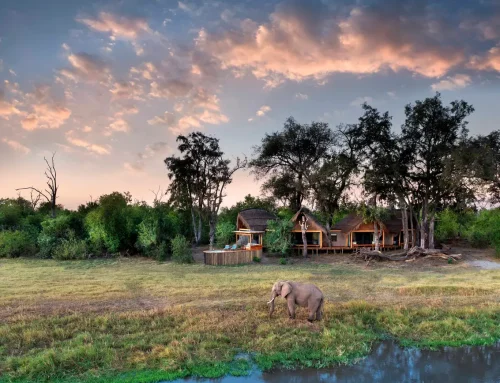
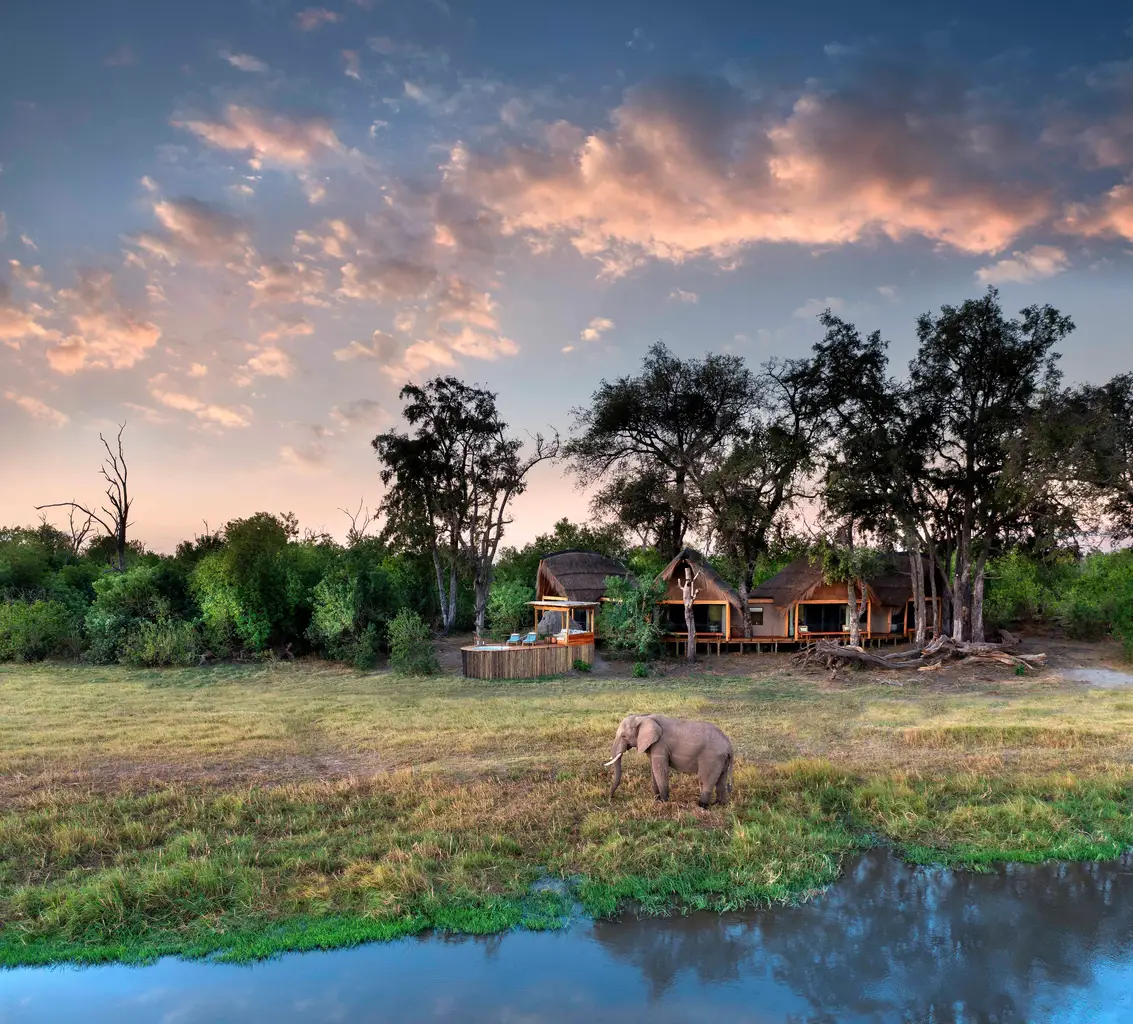
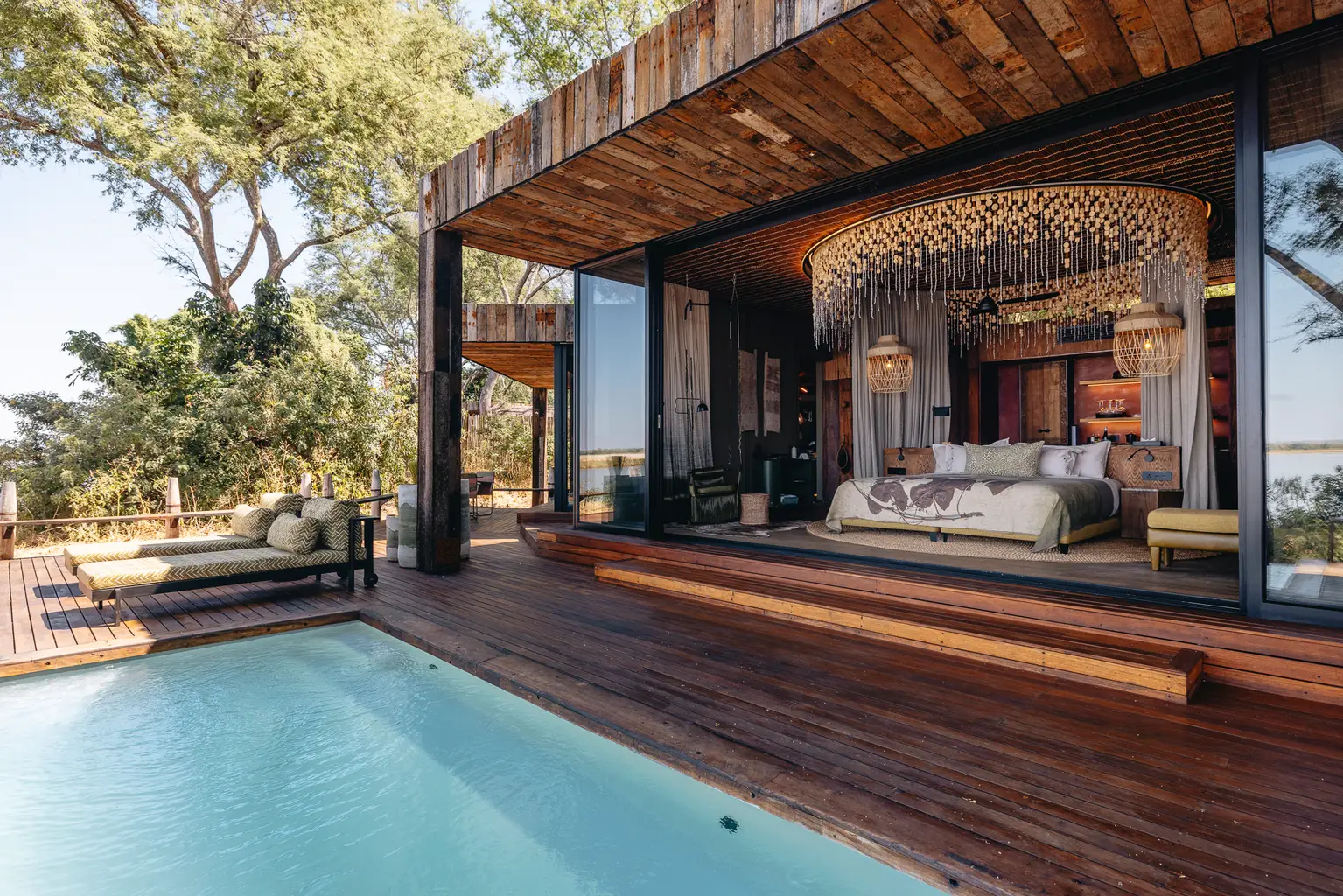
A lodge is a permanent property, typically located in a private concession, reserve, or along a strategic waterway. Its rooms or tents are fixed in place, often with features such as plunge pools, generous decks, a spa treatment room, a wine cellar, or a central lounge overlooking a floodplain. Lodges offer a deeply considered sense of place, with a level of architectural comfort and consistency that many travelers appreciate after long days in the bush.
The distinction is less about luxury than style. Both can deliver exceptional service, excellent cuisine, and first-rate guiding. A mobile camp places the wilderness at the center of the experience. A lodge creates a polished, established base from which to experience it.
Why a Mobile Camp Can Feel More Immersive
The greatest strength of a mobile safari is flexibility. In Botswana, water, grazing, and wildlife movements define the seasons. A well-positioned camp can place guests near a particular migration, a productive predator area, or a remote stretch of the Delta that is especially alive with birds and mammals at that time of year.
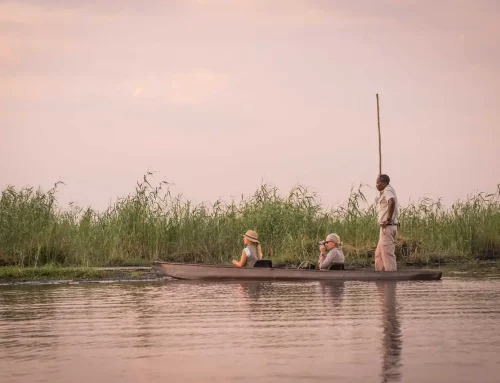
This matters in regions such as Savuti, where elephant concentrations and predator activity can be remarkable, or the Central Kalahari, where green-season rains transform open plains and draw herbivores. In the Okavango Delta, a camp’s location may be selected to make the most of floodwaters, mokoro excursions, or wildlife-rich islands. Rather than expecting the wilderness to come to one fixed address, mobile safaris are designed around where nature is most compelling.
There is also an intimacy to camp life. With only a small number of guests, days are often shaped around individual interests. A photographer may stay with a wild dog pack rather than return for a scheduled lunch. A couple may enjoy a private dinner beneath the stars after an afternoon tracking lion. Families traveling privately can move at a pace that suits their children, with guides tailoring the experience to attention spans and curiosity.
Canvas changes the sensory experience, too. You still sleep in comfort, yet you hear the night more clearly: wind in the grass, a distant hyena, the low conversation of elephants at a waterhole. For travelers who want to feel genuinely present in the wilderness without sacrificing thoughtful service, that is the appeal.
The Practical Realities of Mobile Camping
Mobile camps require a more adventurous mindset, even at a high level of comfort. Facilities are intentionally lighter than at an established lodge. You may find bucket-style showers with abundant hot water rather than a deep soaking tub, and charging arrangements may be more limited. Laundry is generally available, though turnaround can depend on weather and camp logistics.
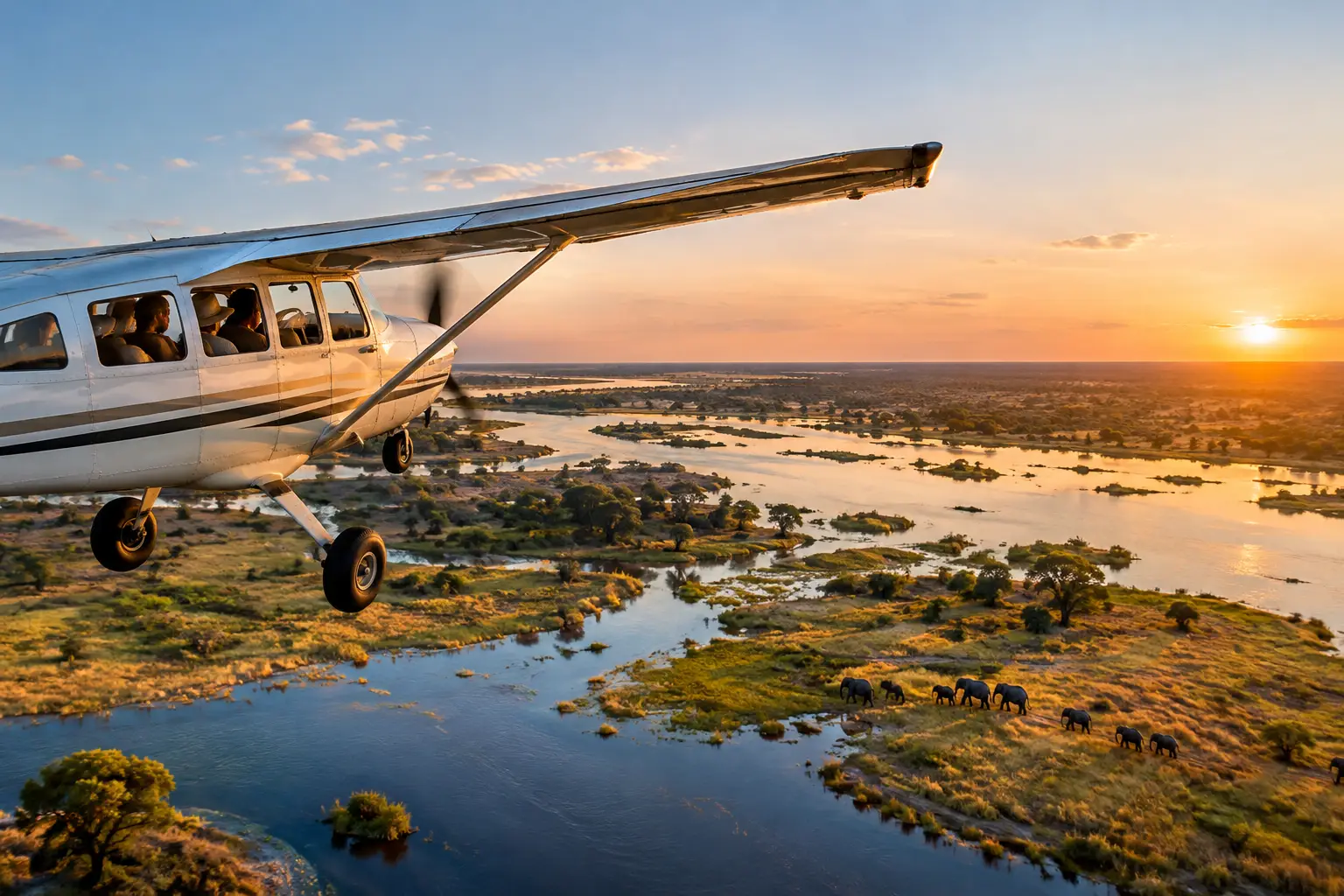
Transfers can also be more involved. Reaching a remote camp may include a charter flight, a game-drive transfer, or travel by boat depending on the season. This is part of the journey’s character, but it should be planned with care for guests who prefer minimal transitions or have mobility considerations.
A mobile camp is particularly rewarding for experienced safari travelers, wildlife photographers, birders, couples seeking privacy, and guests whose priority is time in less-trafficked wilderness. It can also suit families beautifully when the camp is private and the itinerary is designed around them. The key is matching the camp style, travel dates, and destination to the people traveling.
What Lodges Do Exceptionally Well
A lodge offers a dependable, elegant rhythm. There is comfort in returning to the same beautifully prepared suite after a morning game drive, knowing that a cool drink, a long shower, and a view over the water await. Permanent lodges are often designed to frame their surroundings – perhaps a channel in the Delta, a riverfront in Chobe, or a broad savanna frequented by elephants.
For honeymooners, multigenerational families, or first-time safari travelers, that stability can make a significant difference. Lodges often provide larger suites, interconnecting or family options, private vehicles, specialized children’s activities, and amenities that support downtime between wildlife activities. Some are ideal for a few restorative days at the beginning or end of a more active circuit.
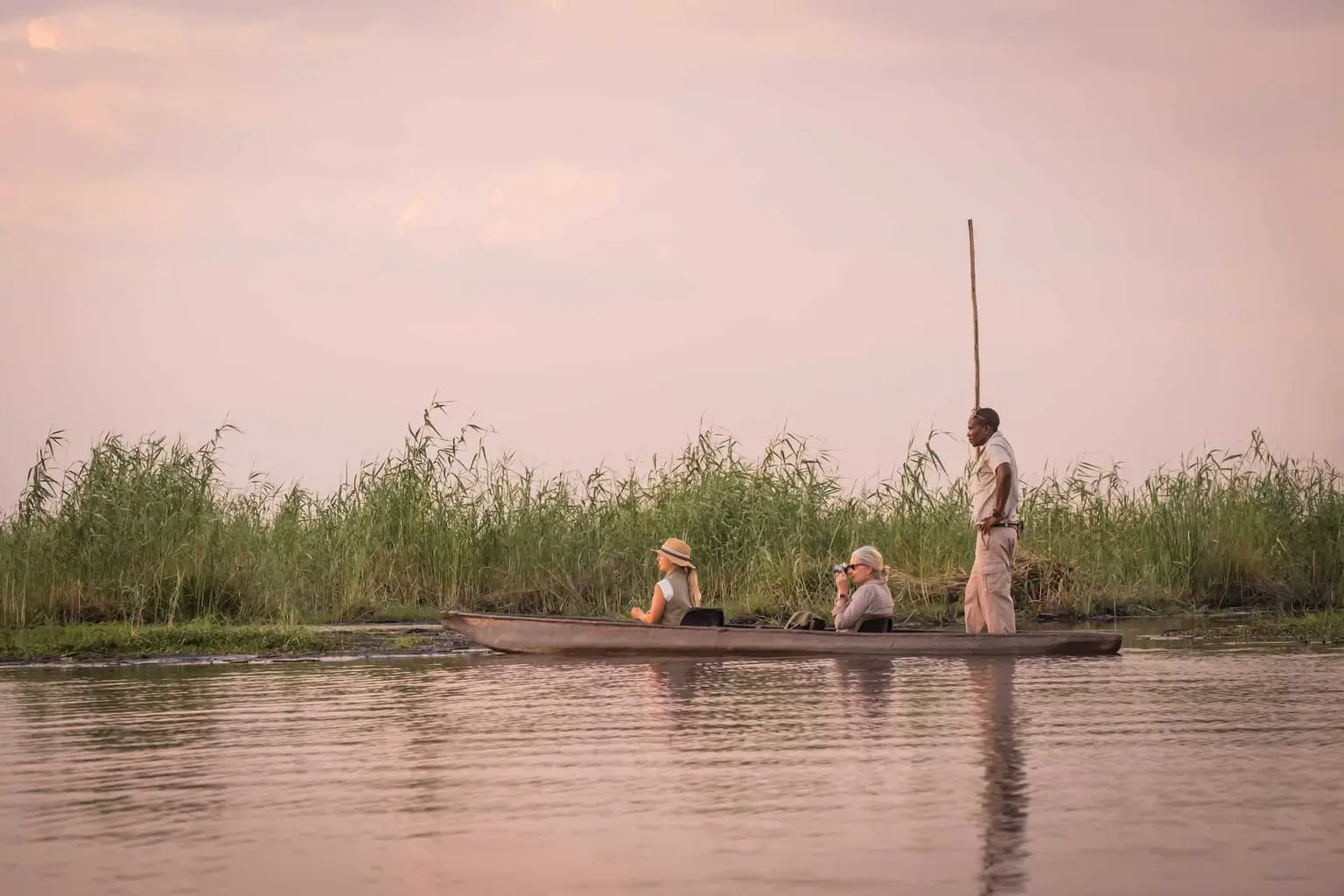
Fixed properties may also offer access to activities that are difficult to replicate from a fully mobile setup. Depending on their location and concession rules, these can include mokoro excursions, boating, catch-and-release fishing, guided walks, night drives, or sleep-outs. In private concessions, carefully managed off-road driving may allow guides to position vehicles respectfully for wildlife viewing while protecting the habitat.
The lodge experience should not be mistaken for a less authentic safari. The best properties employ guides with deep local knowledge and maintain a strong connection to their surrounding ecosystems and communities. A well-run lodge can be both highly comfortable and profoundly wild.
When a Lodge Is the Better Choice
Choose a lodge when you want greater physical ease, consistent amenities, and a wider choice of activities from one base. It is often the natural fit for travelers celebrating a honeymoon, combining safari with wellness and relaxation, or traveling with younger children and older relatives.
Lodges also work well when a destination deserves time. The Delta is not a place to rush through. Neither are the elephant-rich landscapes of Chobe and Linyanti. Spending three or four nights at a lodge allows guides to build on each day’s sightings and lets guests settle into the natural rhythms of a particular area.
That said, not every lodge has the same feel. Some are intimate and quiet; others are more social. Some focus on water activities, while others excel in big-game viewing. The setting, guide team, concession, suite configuration, and seasonal conditions matter far more than the word “lodge” on its own.
Comfort, Privacy, and Wildlife Access
When comparing mobile camps versus lodges, travelers often assume lodges win on comfort and mobile camps win on wildlife. The reality is more nuanced.
A luxury mobile camp can be extraordinarily comfortable, with quality linens, thoughtful dining, private facilities, and a dedicated team that anticipates what guests need. Meanwhile, a lodge in an outstanding concession can offer extraordinary wildlife encounters just minutes from camp. Wildlife does not follow marketing categories; it follows habitat, water, prey, weather, and time of year.
Privacy depends on the specific property and how you travel. A private mobile camp for two families or a group of friends can feel completely exclusive. Equally, a small lodge with only a handful of suites and a private vehicle can provide a discreet, personal experience. For travelers who place a premium on privacy, these details should be addressed before an itinerary is finalized.
A Responsible Choice for Botswana’s Wilderness
Both models can support responsible tourism when they are operated with care. Mobile camps generally leave a lighter permanent footprint because their infrastructure is temporary and their sites are managed to recover naturally. They can enable access to remote areas without large-scale construction, provided they follow strict environmental standards.
Lodges can create long-term conservation value through concession fees, local employment, training, community partnerships, anti-poaching support, and low-density tourism models that protect habitat while generating meaningful economic benefit. Their established operations can also provide reliable careers and skills development in rural areas.
The question is not whether a tent or a lodge building is more responsible in isolation. Ask how the operator manages waste, water, energy, wildlife viewing, employment, and relationships with neighboring communities. Luxury with purpose is expressed through these choices, not simply through a label.
The Most Rewarding Answer May Be Both
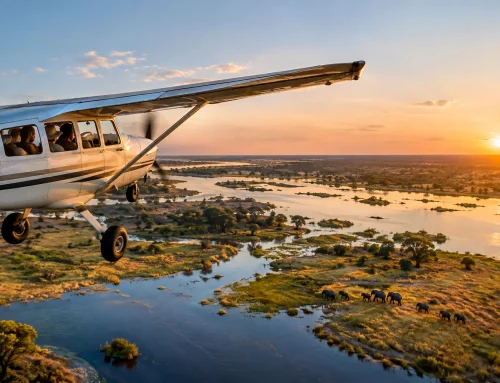
For many guests, the finest Botswana itinerary combines the two. Begin in a remote mobile camp for several nights of deeply immersive game viewing, then move to an elegant Delta lodge where you can explore by mokoro, enjoy a massage, and linger over dinner above the floodplain. Or pair a lodge in the elephant country of Chobe with a mobile expedition in the Central Kalahari, where the scale of the landscape invites a different kind of silence.
This approach brings variety without making the journey feel fragmented. It also allows an itinerary to follow the best seasonal conditions while balancing active safari days with unhurried comfort. Add Victoria Falls, Cape Town, gorilla trekking, or an Indian Ocean escape only when it complements the pace and purpose of the journey.
The most meaningful safari is not defined by whether you sleep beneath canvas or under a thatched roof. It is defined by how closely the experience reflects the way you want to encounter Africa – with time, care, exceptional guiding, and room for the wild to surprise you.