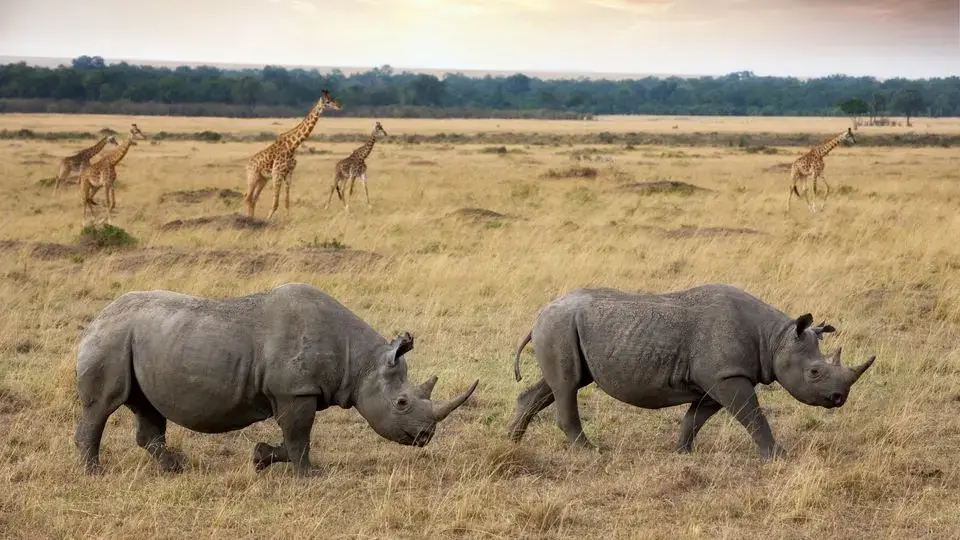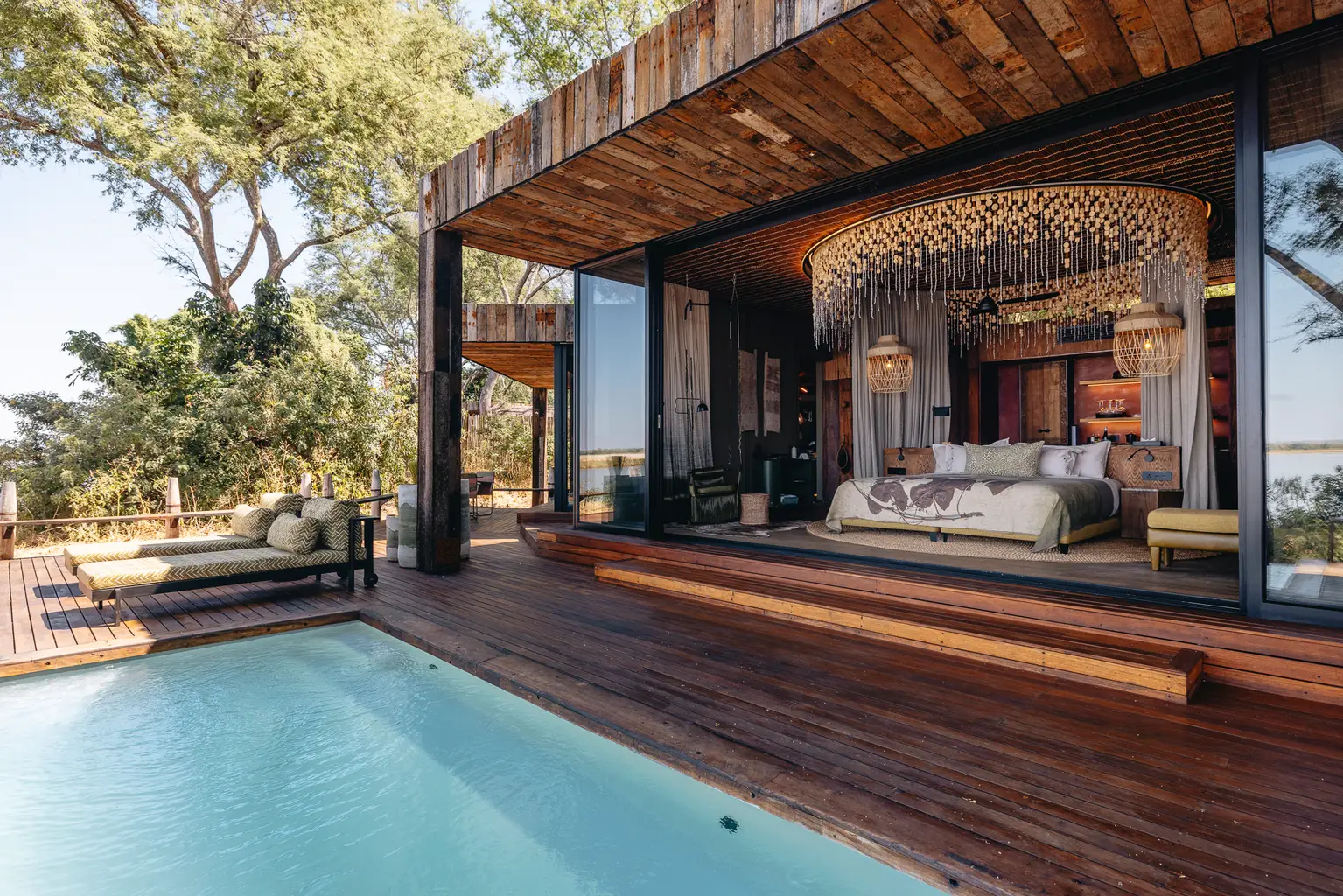
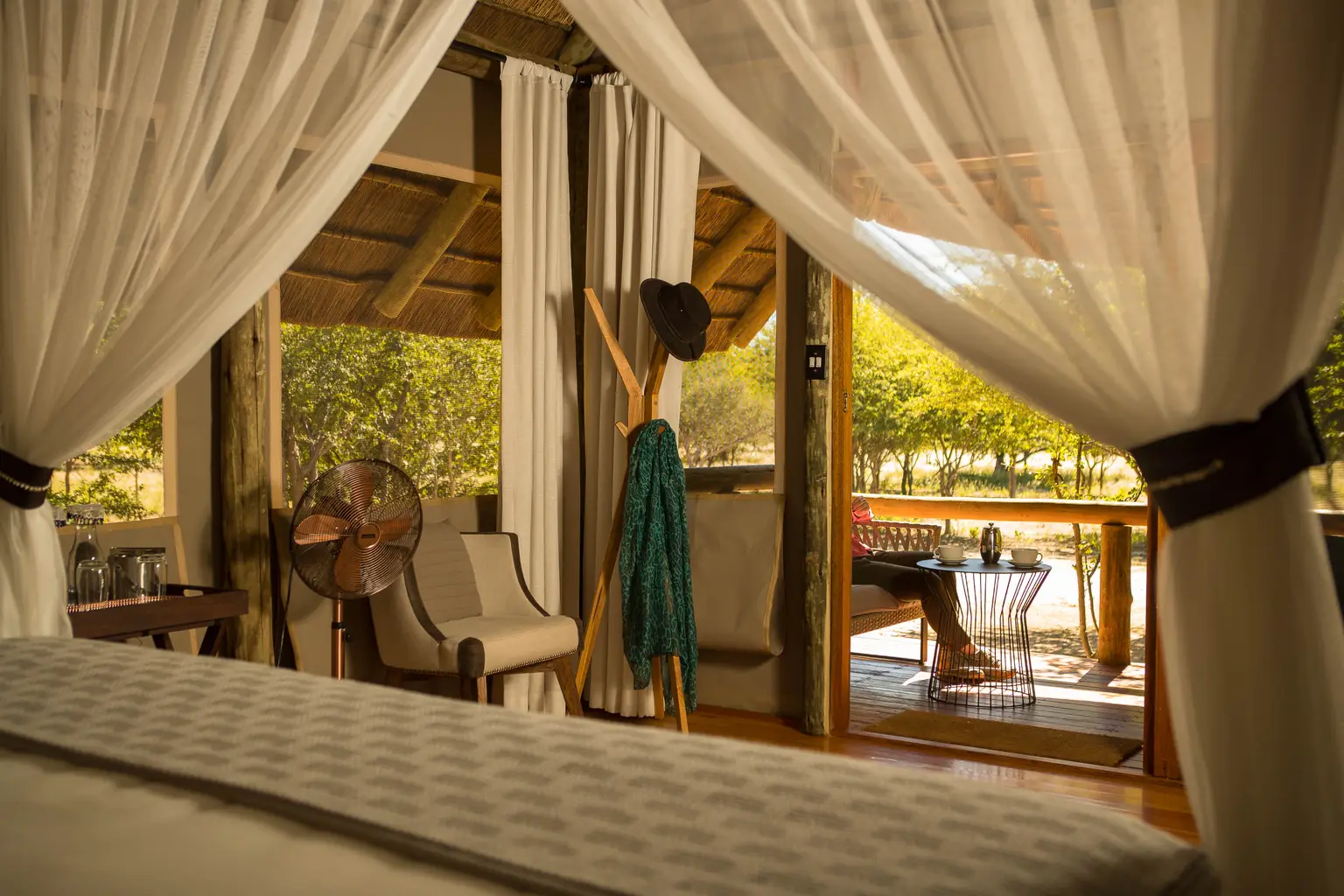
A grandparent watching elephants cross the Chobe River from a shaded boat, a teenager spotting a leopard in the mopane woodland, and parents enjoying an unhurried dinner while children are safely entertained: that is the promise behind a well-designed family safari. This multi-generational safari itinerary example is built around a simple principle: no one should feel rushed, overlooked, or asked to travel beyond their comfort.
Botswana is especially suited to private family journeys because its wilderness areas offer space, strong guiding, intimate camps, and a sense of privacy that is difficult to replicate. The right itinerary does not try to show every landmark. It chooses a few contrasting places, allows time to settle into each, and builds in the flexibility that families of different ages need.
What makes a safari work for three generations?
A multi-generational trip is not merely a standard safari with extra rooms. Grandparents may value shorter drives, level pathways, familiar meal times, and a private vehicle where they can set the pace. Parents often want the confidence that every transfer, activity, and special request has been anticipated. Younger travelers need movement, variety, and guides who welcome their questions rather than speak over them.
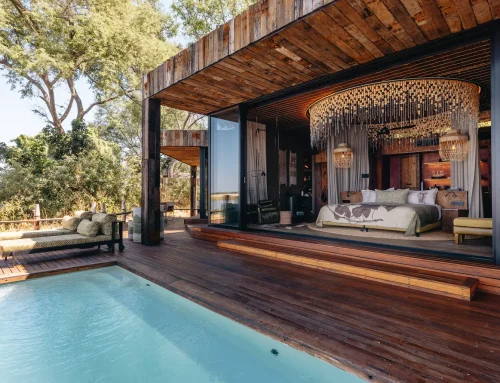
The best answer is usually a private family safari, with age-appropriate activities and accommodation selected as carefully as the wildlife areas. In Botswana, this can mean choosing camps with family tents or connected suites, private dining options, and a guide who remains with the group for game drives. A private vehicle also makes a meaningful difference: a child can return to camp early, a photographer can wait patiently at a sighting, and a grandparent can choose a gentler morning without changing everyone else’s day.
There are trade-offs. More remote camps create an extraordinary feeling of being deep in the wilderness, but may involve light-aircraft flights and a more rustic setting. A lodge near Kasane may offer easier access and a softer arrival, while still delivering exceptional Chobe wildlife viewing. The ideal balance depends on mobility, ages, and how the family defines comfort.
A 10-night multi-generational safari itinerary example
This 10-night Botswana itinerary combines the Chobe River, the Okavango Delta, and a restful final stay. It is designed for a family group of six to 10 people, perhaps grandparents, adult children, and grandchildren old enough to join safari activities. It can be adapted for younger children, reduced mobility, milestone celebrations, or a private group with specialist interests such as photography or birding.
Nights 1-3: Chobe River – an easy beginning with big wildlife
Begin in the Chobe region, reached via Kasane. For an international family arriving on different flights, this is a practical first stop. Transfers are straightforward, the landscape opens quickly into riverfront wilderness, and the first wildlife encounters tend to be generous rather than elusive.
A well-positioned lodge or private riverside villa gives the group room to recover from travel. The Chobe River is particularly rewarding for a mixed-age family because water-based viewing reduces the need for long drives. Morning boat cruises can reveal elephant herds swimming between islands, buffalo on the banks, colorful bee-eaters, crocodiles, and hippos. The pace feels calm, yet there is always something to watch.
Game drives in Chobe National Park can be planned for cooler early mornings or late afternoons. On one afternoon, grandparents may prefer a leisurely river cruise while energetic younger family members take a longer drive. A private arrangement allows both options without creating friction.
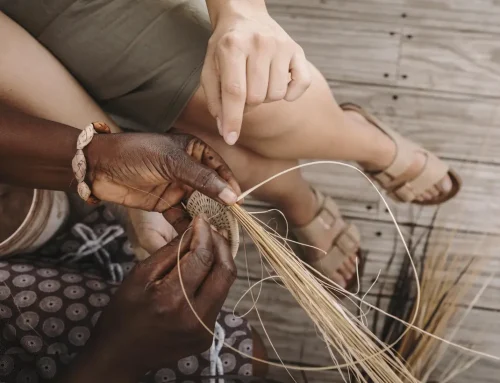
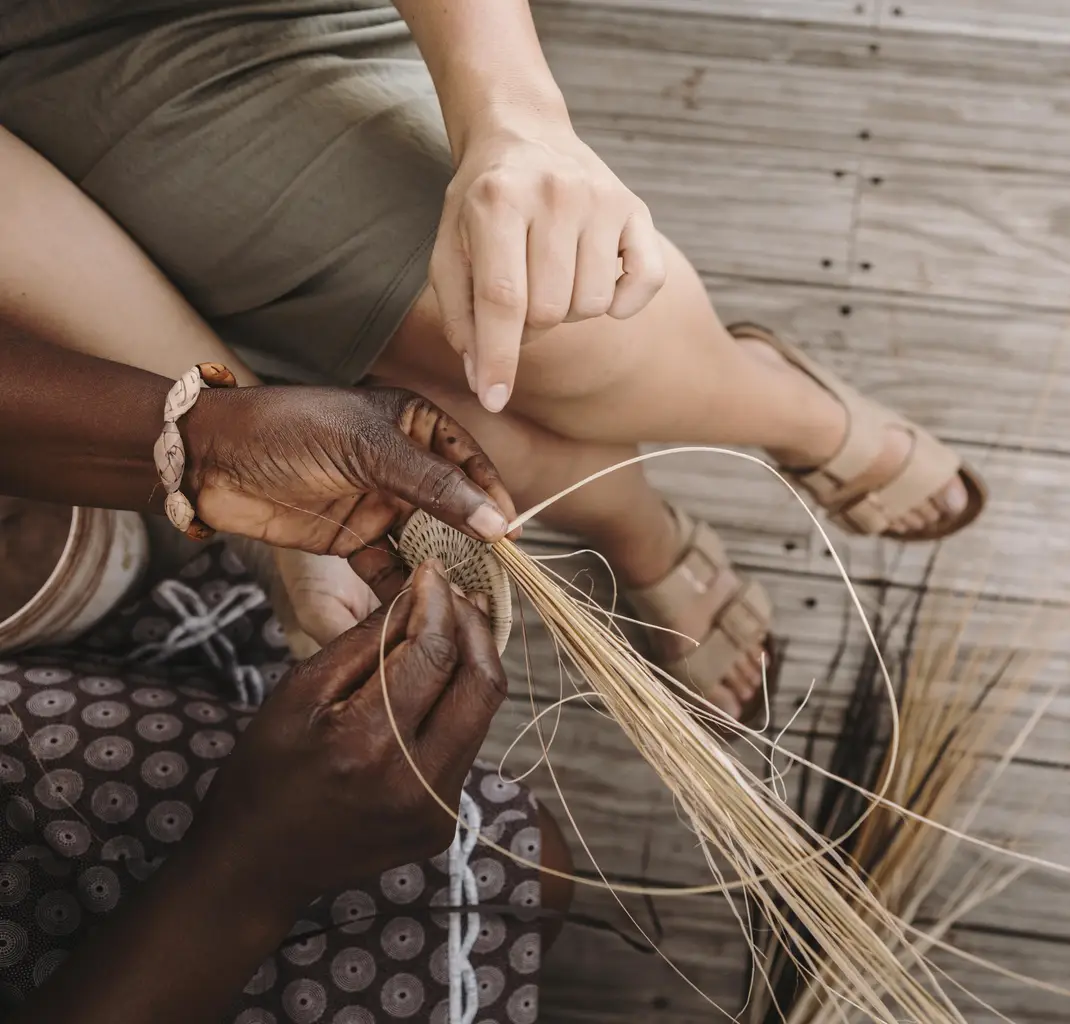
A visit to nearby communities may be included when it is respectful, locally guided, and genuinely welcomed by the host community. For many families, this adds context to the journey: Botswana is not only a wildlife destination, but a living cultural landscape shaped by people, traditions, and conservation choices.
Nights 4-7: The Okavango Delta – a deeper wilderness rhythm
From Kasane, fly by light aircraft into the Okavango Delta. The flight itself becomes part of the experience, tracing channels, islands, and floodplains from above. It is important to discuss luggage limits in advance, particularly when traveling with children or guests who require medical equipment. Thoughtful ground handling makes this transition feel organized rather than restrictive.
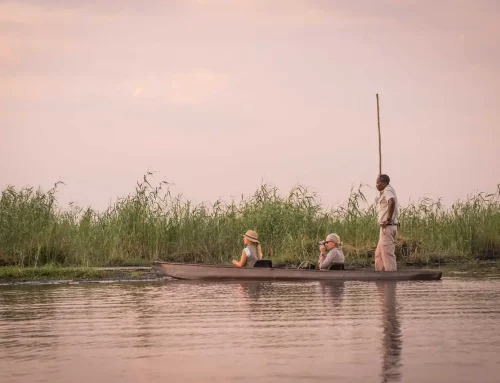
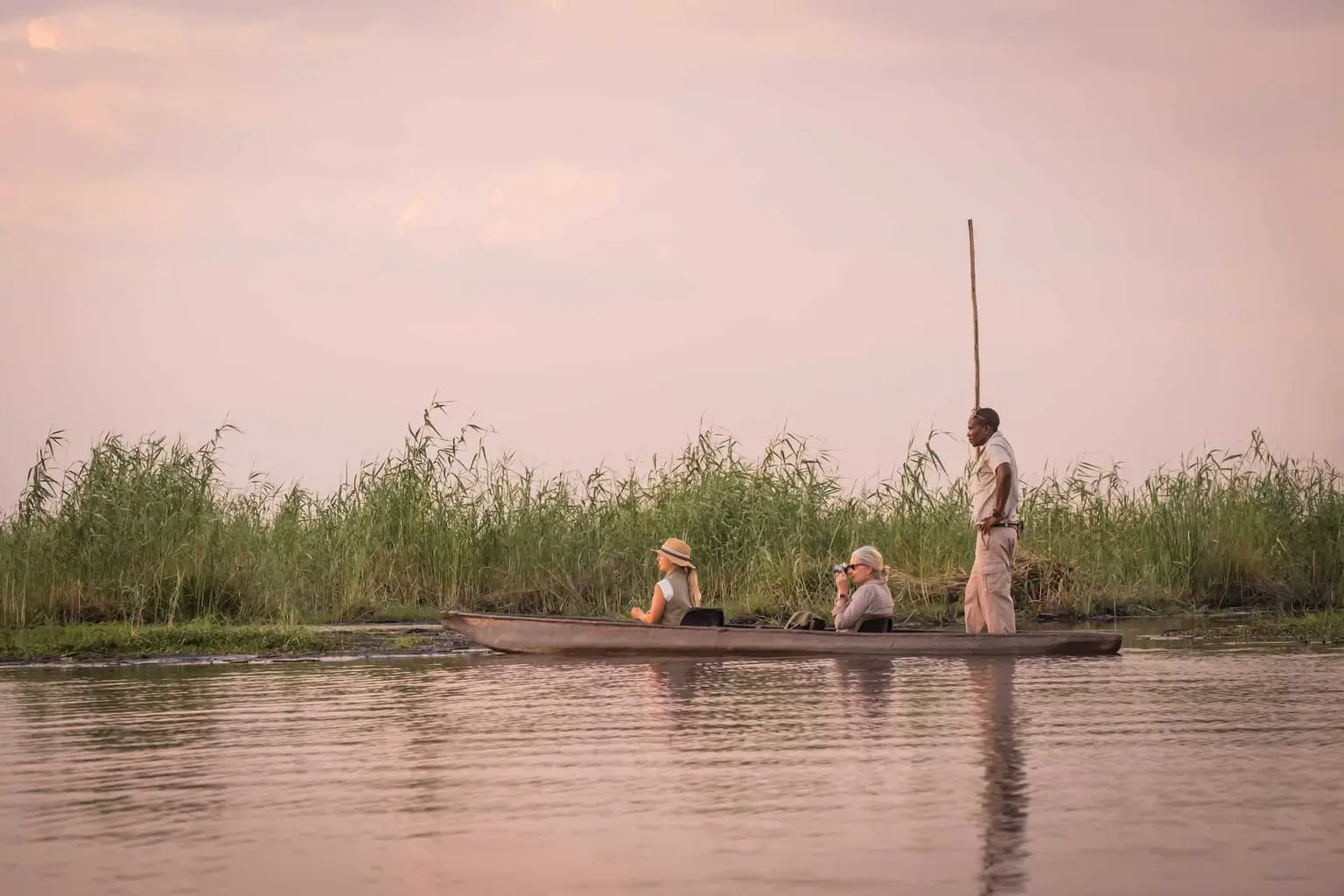
Choose a camp in an area that offers the right seasonal mix of land and water activities. During higher water months, a mokoro excursion through reed-lined channels can be a gentle and memorable way to experience the Delta. At other times, game drives and guided walks may take priority. A specialist family-friendly camp should be selected according to its age policies, room configuration, and the range of activities available to younger guests.
Four nights give the family time to move beyond the excitement of first sightings. By the second day, children often begin recognizing animal tracks or bird calls. Adults settle into the unspoken rhythm of safari: early coffee, a drive through cool morning light, time to rest after lunch, and an evening around the fire as the sounds of the bush rise beyond camp.
Private guiding is especially valuable here. A skilled guide can shape each outing around the group’s energy and interests, explaining the ecology of the annual flood, helping a young guest use binoculars, or positioning a vehicle quietly for a serious photographer. The goal is not to tick off species. It is to make the wilderness intelligible and personal.
For families traveling with grandparents, plan at least one unstructured afternoon. A shaded deck, a treatment, a book, or simply watching a waterhole can be as restorative as another activity. Luxury on safari is often the freedom to choose less.
Nights 8-10: Moremi or Khwai – flexible game viewing and a celebratory finish
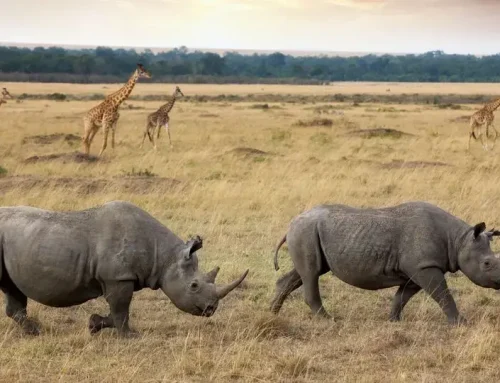
Continue to the Moremi Game Reserve or neighboring Khwai area for a final three nights focused on varied game viewing. These regions offer beautiful contrasts of woodland, grassland, and seasonal water, with strong opportunities to look for lions, leopards, wild dogs, elephants, and a remarkable range of birds.
Moremi suits families who value a protected reserve setting and polished lodge comforts. Khwai may appeal to guests seeking a more intimate community-concession experience, with the possibility of night drives and, where permitted and appropriate, tracking experiences. Neither is automatically better. The decision should reflect the family’s desired level of adventure, preferred accommodation style, and the ages of the youngest travelers.
This final stop is an ideal place for a private celebration. A milestone birthday dinner can be arranged in a lantern-lit setting, with a menu shaped around the family’s preferences and a quiet acknowledgment of the occasion rather than a staged spectacle. For a family with older children, a conservation-focused activity or discussion with camp staff can add purpose to the celebration and show how tourism supports wildlife protection and local livelihoods.
On the final morning, leave enough time for a last game drive or a relaxed breakfast before the flight onward to Maun. Families with more time may add Victoria Falls, Cape Town, the Winelands, or a beach stay in Mozambique or Mauritius. For many groups, though, ending in Botswana preserves the unhurried quality that made the trip special.
Details that deserve early attention
The itinerary is only as good as its practical foundations. Before confirming camps, discuss every traveler’s age, mobility, dietary requirements, medication, sleep patterns, and comfort around small aircraft. These are not minor details. They shape the best routing, room choice, activity plan, and the level of support required.
For children, camp policies matter. Some properties welcome younger guests but set age limits for shared game drives, walking safaris, mokoro outings, or boating. Others are better suited to families with teenagers. A private vehicle can widen the options, but it does not replace sensible safety rules in wild places.
Season also changes the character of a Botswana safari. The dry season, roughly May through October, often brings concentrated wildlife viewing and cooler mornings. Green season travel offers lush landscapes, young animals, dramatic skies, and excellent birding, though heat and rain can affect activity timing. There is no universal best month. A family seeking warm-water activities has different priorities from one hoping for peak predator viewing.
At Chloorokop Travel & Tours, itinerary planning begins with these human considerations, then matches them to the right camps, guides, flights, and experiences. That is how a complex family trip becomes a journey that feels effortless from arrival to departure.
Why responsible travel belongs in the family story
For children and grandchildren, a safari can become an early lesson in attention: listening for alarm calls, seeing how water sustains life, and understanding why protected habitats matter. For adults, it can be a chance to support tourism models that employ local people, contribute to conservation, and treat culture with respect.
Choose properties and experiences that demonstrate real care for their landscapes and neighboring communities. Responsible travel does not diminish comfort. It gives the journey greater depth, because the family can enjoy Botswana’s wilderness while recognizing the work required to protect it.
The most successful multi-generational safari leaves each traveler with something different: photographs, stories, quiet pride, renewed curiosity, or the rare memory of having been fully present together. Plan for that shared space, and let the itinerary breathe.