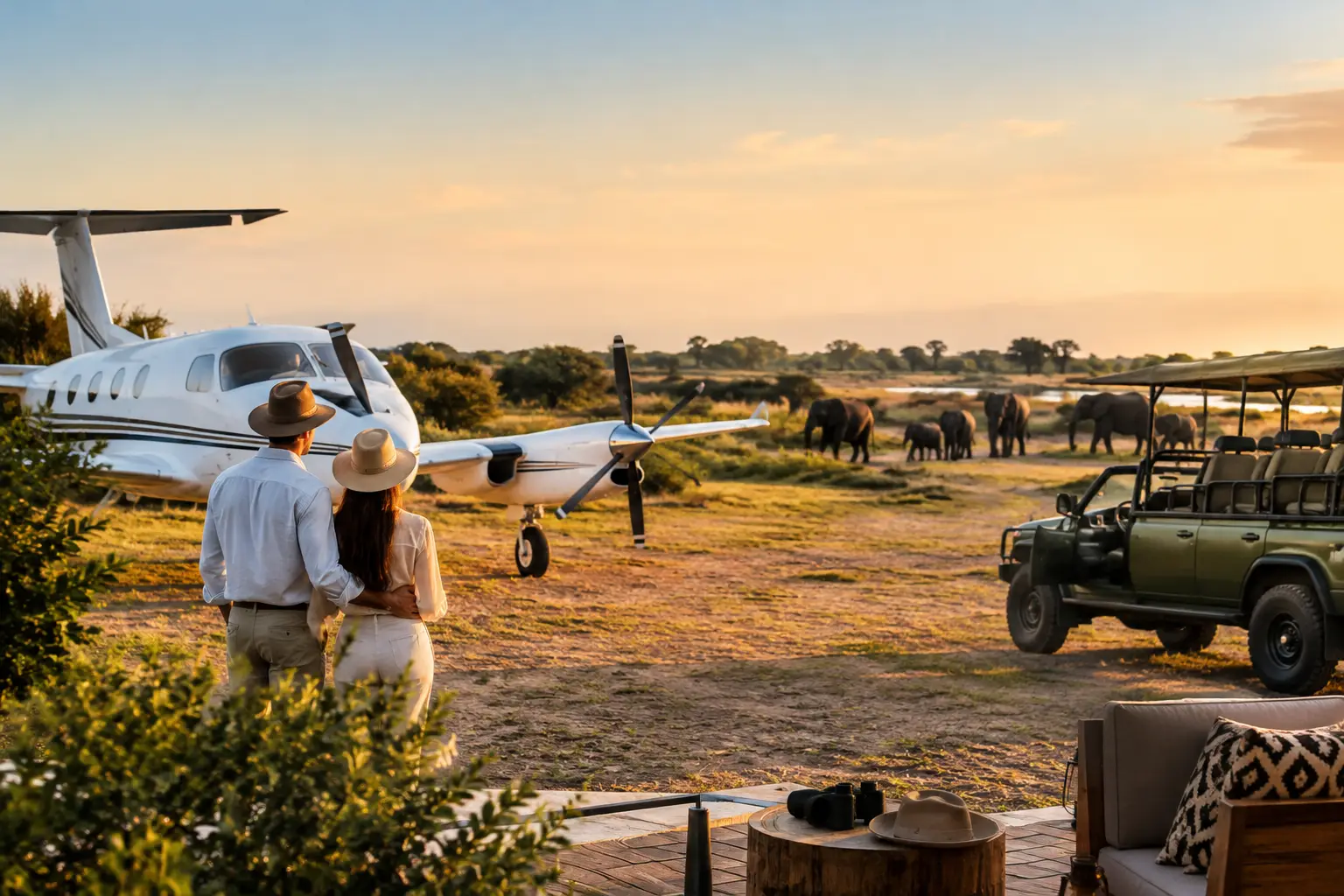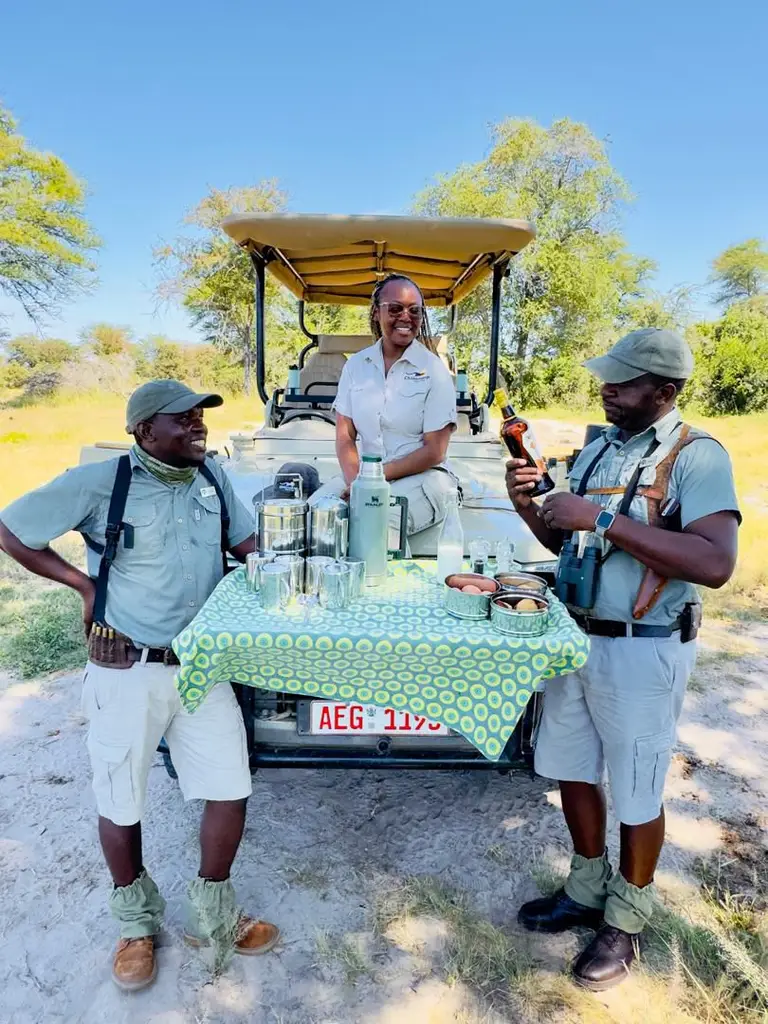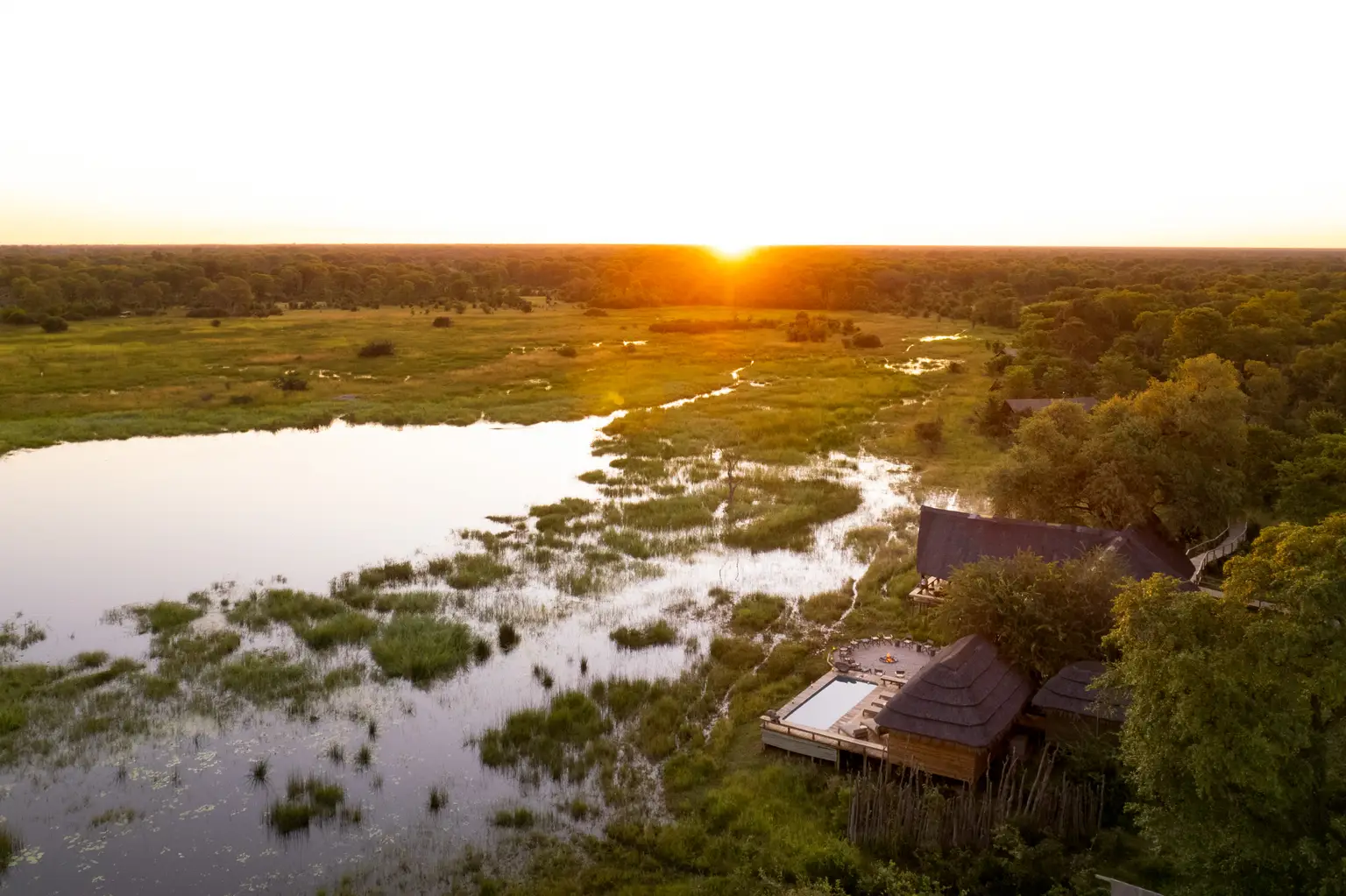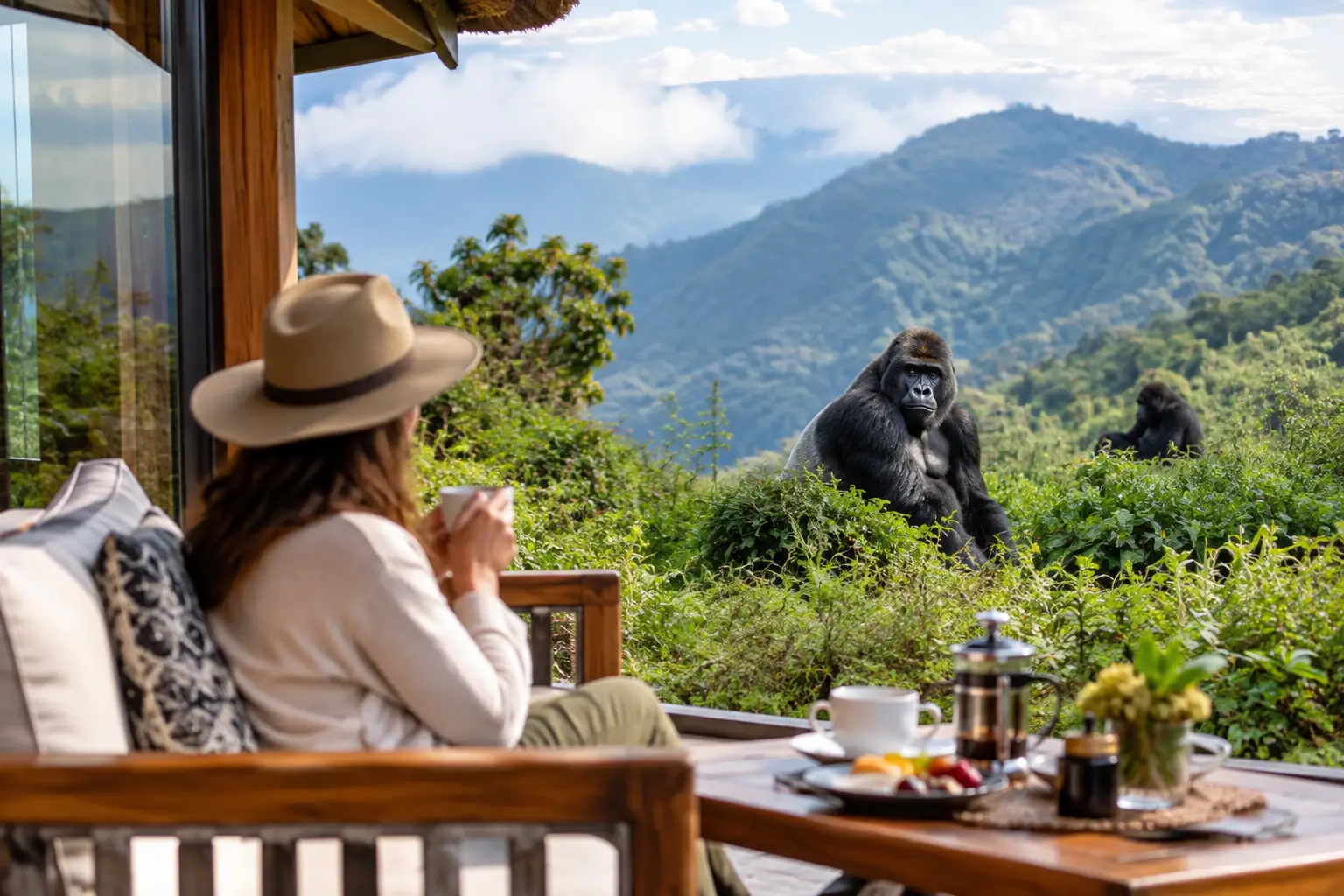
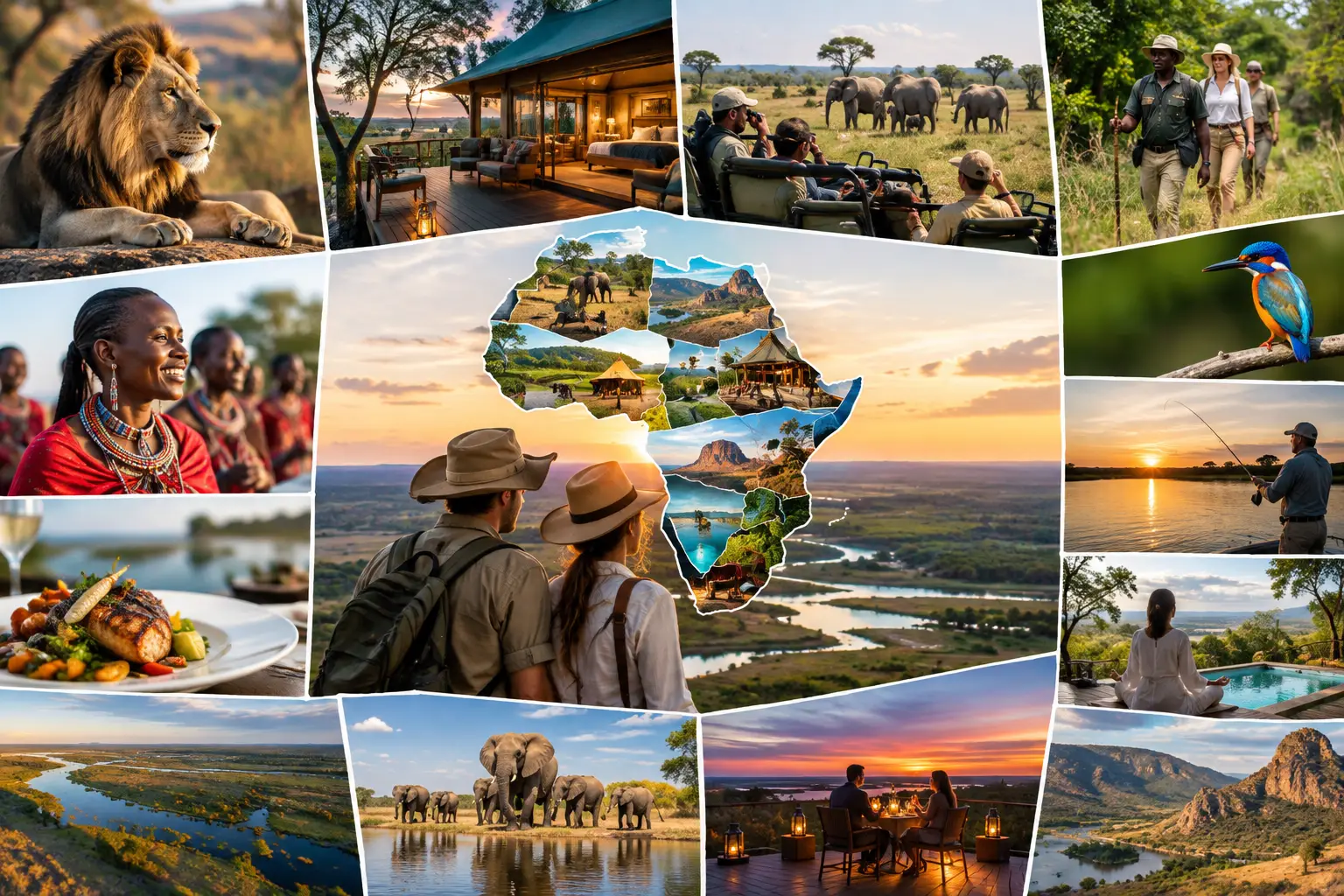
A journey from the floodplains of Botswana’s Okavango Delta to Victoria Falls, Cape Town’s winelands, or Rwanda’s misty gorilla forests should feel richly varied, not rushed. Thoughtful multi destination trip planning is what turns several exceptional places into one coherent, deeply personal African experience.
For many travelers, the temptation is to add every landmark to the itinerary. Yet luxury travel is rarely about seeing more. It is about having enough time to arrive, settle into a place, and experience it with privacy, comfort, and attention. The finest journeys create a natural rhythm between wilderness, culture, adventure, and restoration.
Start With the Experience, Not the Map
Africa is vast, and the distances between its great experiences can be surprising. A map may make Botswana, Zambia, Zimbabwe, South Africa, Kenya, Tanzania, and Rwanda appear close together, but regional flights, border crossings, baggage rules, and seasonal conditions shape what is genuinely practical.
Begin with the feeling you want your trip to leave behind. A honeymoon might pair private delta safaris with a quiet Indian Ocean retreat. A family journey may balance game drives with pool time, a city stay, and hands-on cultural experiences. Photographers may want unhurried time in a single ecosystem, timed around light, migration patterns, or specific species behavior.
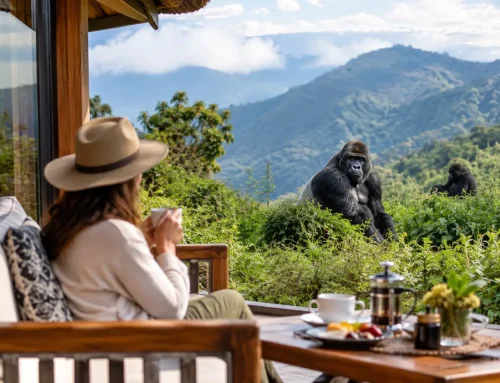
Once the purpose is clear, destinations can be selected for contrast and connection. Botswana’s water-based wilderness experiences, for example, pair beautifully with the broad horizons of the Kalahari or the drama of Victoria Falls. South Africa can add sophisticated food, wine, art, and coastal scenery. Rwanda or Uganda may be the right addition for travelers whose defining moment is a carefully managed gorilla trek.
The point is not to collect destinations. It is to give each one a role in the story of the journey.
Multi Destination Trip Planning Needs a Sensible Pace
A well-designed itinerary protects time in each place. On a safari, that means allowing enough nights to witness the subtle changes that reveal a landscape: elephant herds gathering at a channel, lion tracks fresh on the road at dawn, or a leopard returning to the same tree as afternoon light softens.
For most luxury African journeys, two to four nights in a camp or lodge is a meaningful starting point. Moving every day can make even beautiful accommodations feel like transit lounges. Staying longer allows guides to understand your interests, staff to anticipate your preferences, and the wilderness to become familiar rather than fleeting.
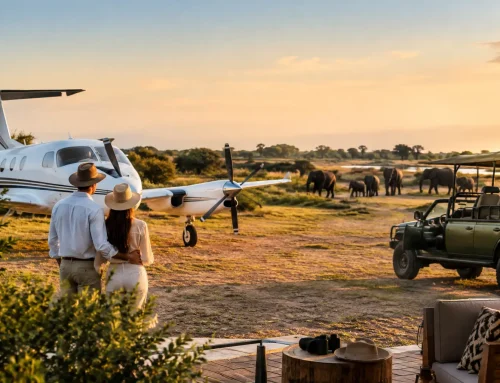
Travel days also deserve realistic treatment. A light aircraft transfer through Botswana may be a memorable part of the experience, offering a rare view of islands and winding waterways below. A long international connection, by contrast, may call for a comfortable overnight stop rather than a rushed same-day onward journey.
There is no universal ideal itinerary length. Ten nights may create a focused Botswana and Victoria Falls journey, while two or three weeks can accommodate a broader Southern African circuit with a more relaxed pace. What matters is that each transition earns its place.
Build in recovery days
After overnight flights, early game drives, or a demanding trek, a slower day is not lost time. It may be a long breakfast overlooking the bush, a spa treatment, an afternoon by a private plunge pool, or simply time to enjoy the camp’s setting without a schedule.
These pauses are especially valuable on honeymoons and family trips, where different energy levels should be accommodated gracefully. They also make a journey more resilient when weather, airline schedules, or wildlife encounters change the day’s plan.
Choose Destinations That Work Well Together
The most memorable combinations tend to bring distinct landscapes and experiences into conversation with one another. Botswana offers an especially strong foundation for this approach because its safari regions are varied, remote, and thoughtfully protected.
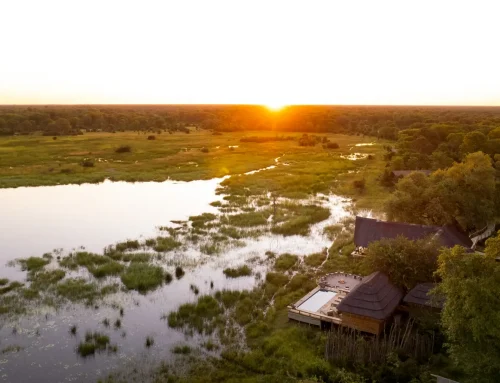
The Okavango Delta is ideal for travelers drawn to water-based safari activities, seasonal floodplains, mokoro excursions, and intimate wildlife viewing. The Moremi Game Reserve and Khwai region can add predator-rich game drives and striking riverine habitat. In the Kalahari, the atmosphere shifts completely: open grasslands, ancient desert landscapes, and wide, star-filled skies create a different kind of stillness.
From there, travelers may continue to Victoria Falls for its immense scale and river adventures, or to South Africa for a considered contrast of urban culture, private reserves, vineyards, and coast. For a more wildlife-focused East African extension, the choice may depend on timing. Kenya and Tanzania are compelling for classic savanna landscapes and major migration periods, while Rwanda offers a concentrated, emotionally powerful primate experience.
The trade-off is always between breadth and depth. A Botswana, Victoria Falls, and Cape Town itinerary can feel wonderfully complete because the flight patterns are manageable and each place offers a clear contrast. Adding a fourth or fifth country may be worthwhile for specialist interests, but only when the additional travel supports the traveler’s priorities.
Plan Around Seasons, Not Just Availability
Africa does not have one safari season. Conditions can vary dramatically by region, and a strong itinerary uses those differences intelligently.
In Botswana, the dry winter months generally bring excellent wildlife concentrations around permanent water sources, while the Okavango Delta’s annual flood often reaches its fullest extent during this period. Green season travel can offer lush landscapes, migratory birds, newborn animals, dramatic skies, and a quieter sense of wilderness. For bird-watchers and photographers, this can be a particularly rewarding time to travel.
A multi-country itinerary requires an even closer look at seasonal fit. The best period for gorilla trekking may overlap differently with a safari region’s rains or a beach destination’s weather. Some camps close seasonally, while other properties are designed to thrive in wet conditions. Wildlife does not follow a calendar, so expectations should be shaped by ecology rather than guarantees.
This is where destination-level expertise matters. The right answer may be to shift the order of destinations, choose a different reserve, or extend a stay in one location rather than forcing a connection that looks attractive only on paper.
Make Flights and Transfers Part of the Design
Logistics should be nearly invisible to the traveler, but they should never be treated as an afterthought. International arrival cities, regional airline schedules, charter flights, luggage allowances, road-transfer times, and immigration procedures all influence an itinerary’s comfort.
Soft-sided luggage is often required on light aircraft used for remote safari camps, and weight limits can be strict. This does not mean compromising on style. It means packing with purpose: breathable layers, a light jacket for cool mornings, neutral safari clothing, sun protection, and a small, accessible camera kit or day bag.
For specialist travelers, arrangements may need further refinement. A photographer may require a private vehicle, an extra seat for equipment, or a camp known for flexible game-drive timing. Anglers may need to plan around water levels and seasonal species. Families may benefit from exclusive-use villas, interconnecting suites, or private guides who can tailor the day to younger travelers.
A single point of coordination is invaluable when multiple flights, camps, guides, and countries are involved. It reduces the risk that a minor schedule adjustment becomes a disruption to the entire journey.
Keep Luxury Personal and Purposeful
Luxury multi-destination travel should make room for both refinement and meaning. A beautiful suite, exceptional cuisine, and attentive service matter, but so does understanding the places that make the journey possible.
In Botswana, responsible tourism is closely tied to conservation. Low-density safari models help protect fragile habitats while creating meaningful employment and supporting communities connected to wildlife areas. Travelers can experience this thoughtfully through locally informed guiding, visits designed with community partners, and camps that demonstrate a genuine relationship with their environment.
The most respectful cultural experiences are not staged interruptions between activities. They are context-rich encounters that invite curiosity, good listening, and appreciation for living traditions. The same principle applies to wildlife: ethical viewing prioritizes animal welfare, appropriate distances, and the guidance of professionals who know the terrain.
Travel beautifully, but leave room for the destination to shape you. The best itinerary does not merely move efficiently from one highlight to another. It creates the time, care, and local connection for Africa to feel personal.
For travelers who want every detail considered, Chloorokop Travel and Tours designs journeys around your pace, interests, and preferred level of privacy. Begin with the experiences you hope to remember most, then let the route follow with intention.