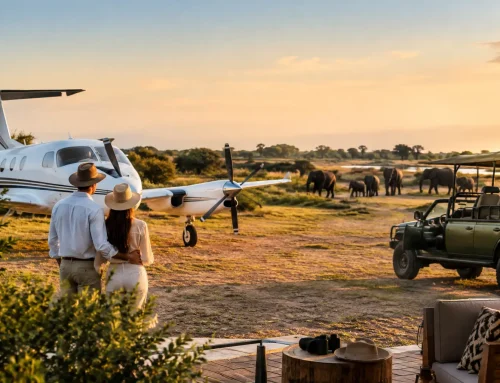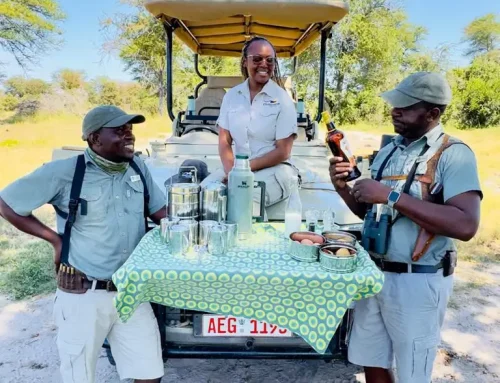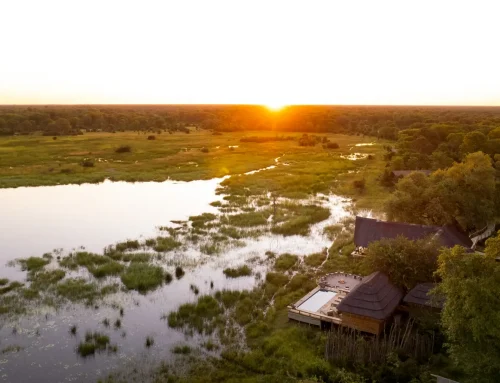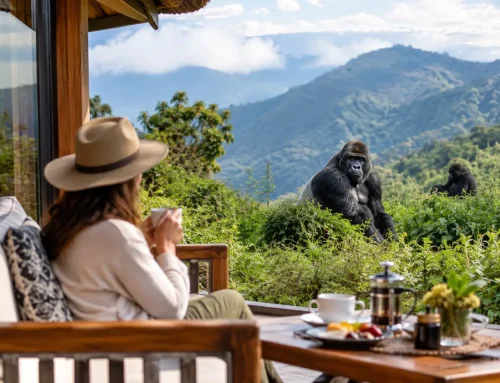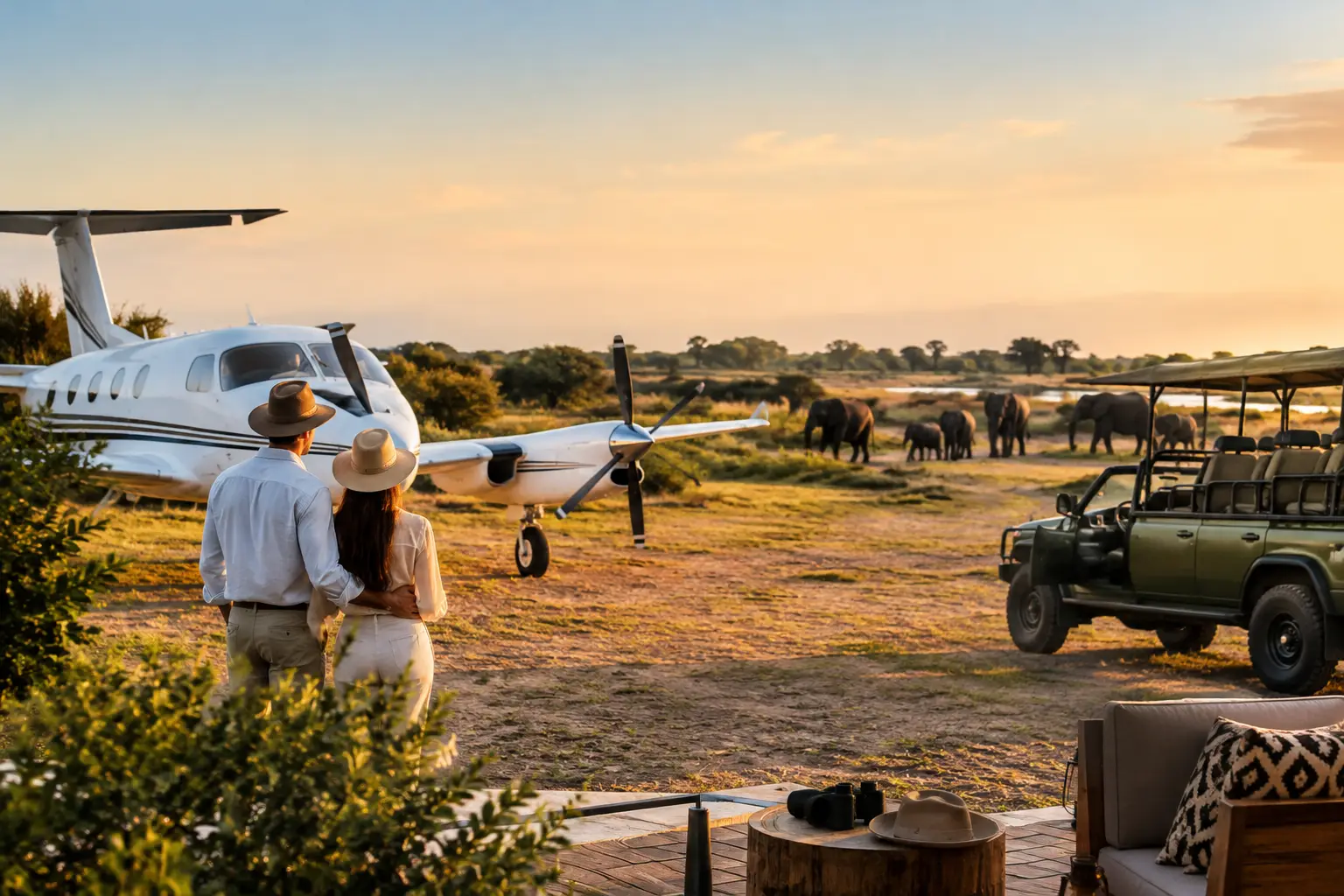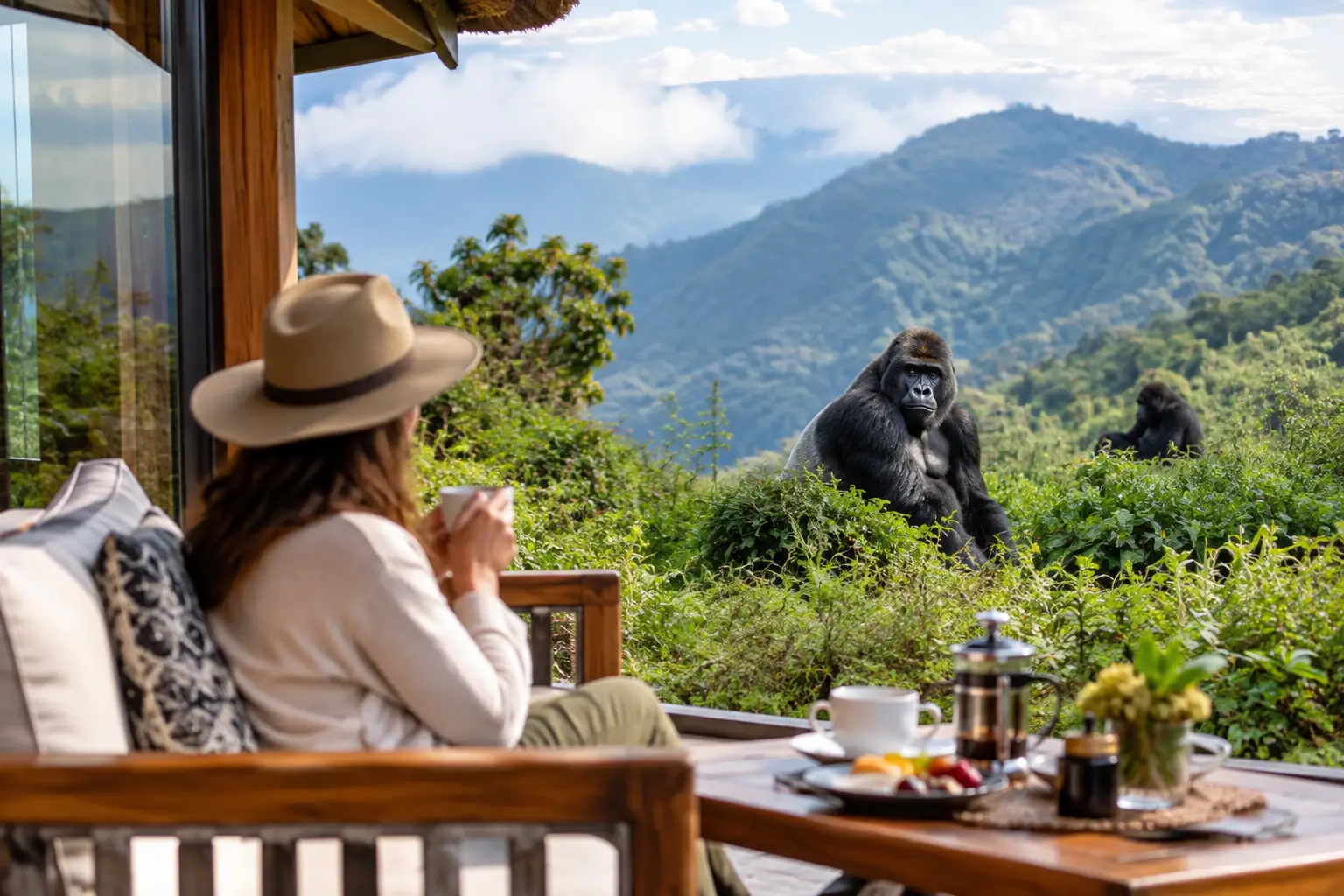
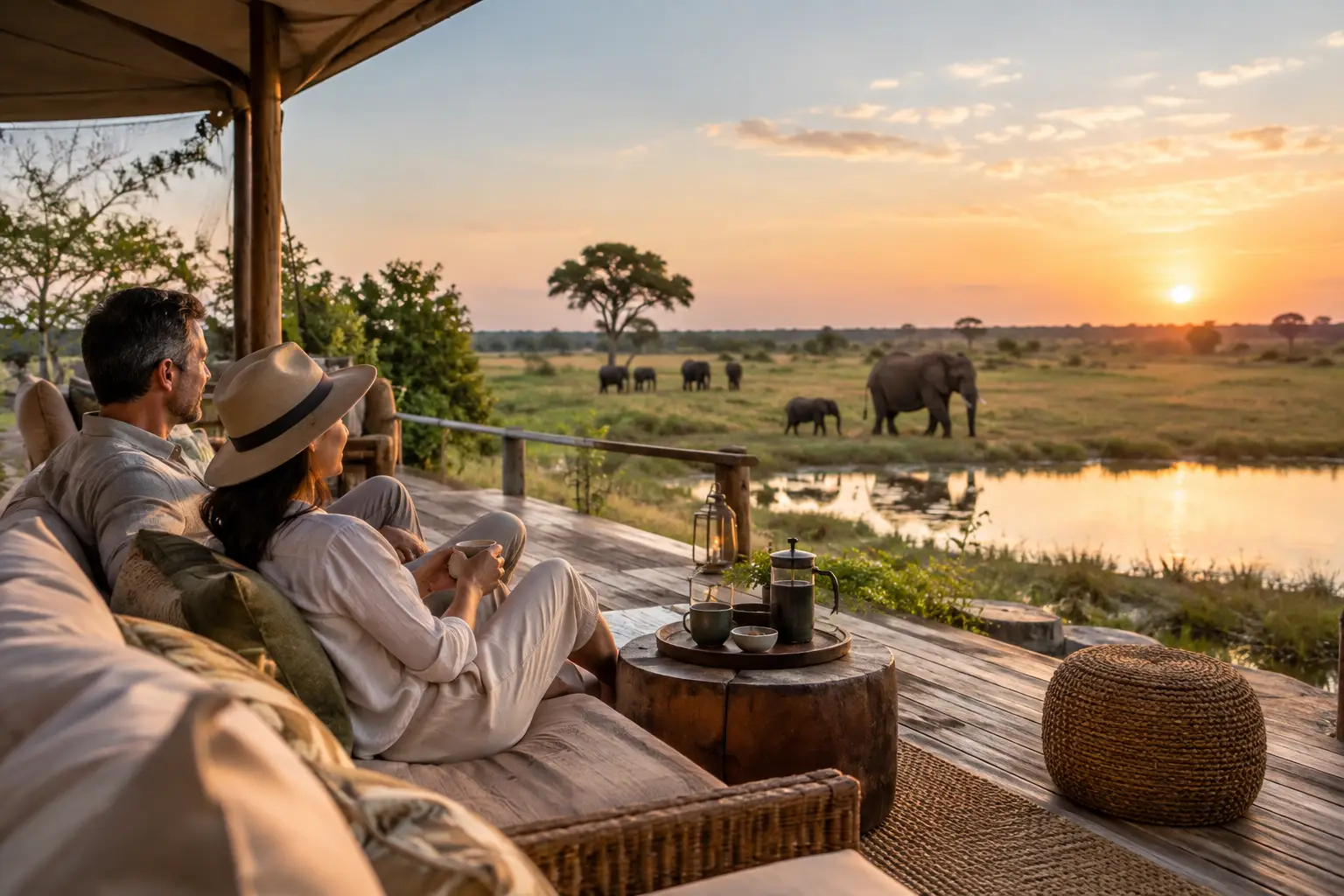
A safari can begin with the sound of hippos below your deck in the Okavango Delta, elephants moving quietly past camp in Botswana’s Linyanti, or lions calling across the Serengeti after dark. The right sustainable luxury safari lodges protect the conditions that make those moments possible, while still delivering the privacy, service, guiding, and sense of place discerning travelers expect.
That balance is more demanding than it sounds. A lodge cannot claim to be responsible simply because it sits in a beautiful wilderness area or has removed plastic straws. Meaningful sustainability asks harder questions: How is energy generated? Where does water come from? Who owns or benefits from tourism? Does the camp’s presence support wildlife corridors, local livelihoods, and long-term conservation?
For travelers who want Africa to feel both extraordinary and considered, those answers should shape where and how they stay.
What Makes a Safari Lodge Truly Sustainable?
Sustainability in luxury safari travel is not one feature. It is a connected approach to operating lightly in sensitive landscapes while creating measurable value for the people and wildlife that share them.
A thoughtfully designed lodge may run on solar power, use battery storage to reduce generator use, treat wastewater on site, and minimize single-use packaging. In remote regions, these measures are practical necessities as much as environmental choices. Moving fuel, water, and supplies over long distances has an impact, and well-run properties continuously look for ways to reduce it.
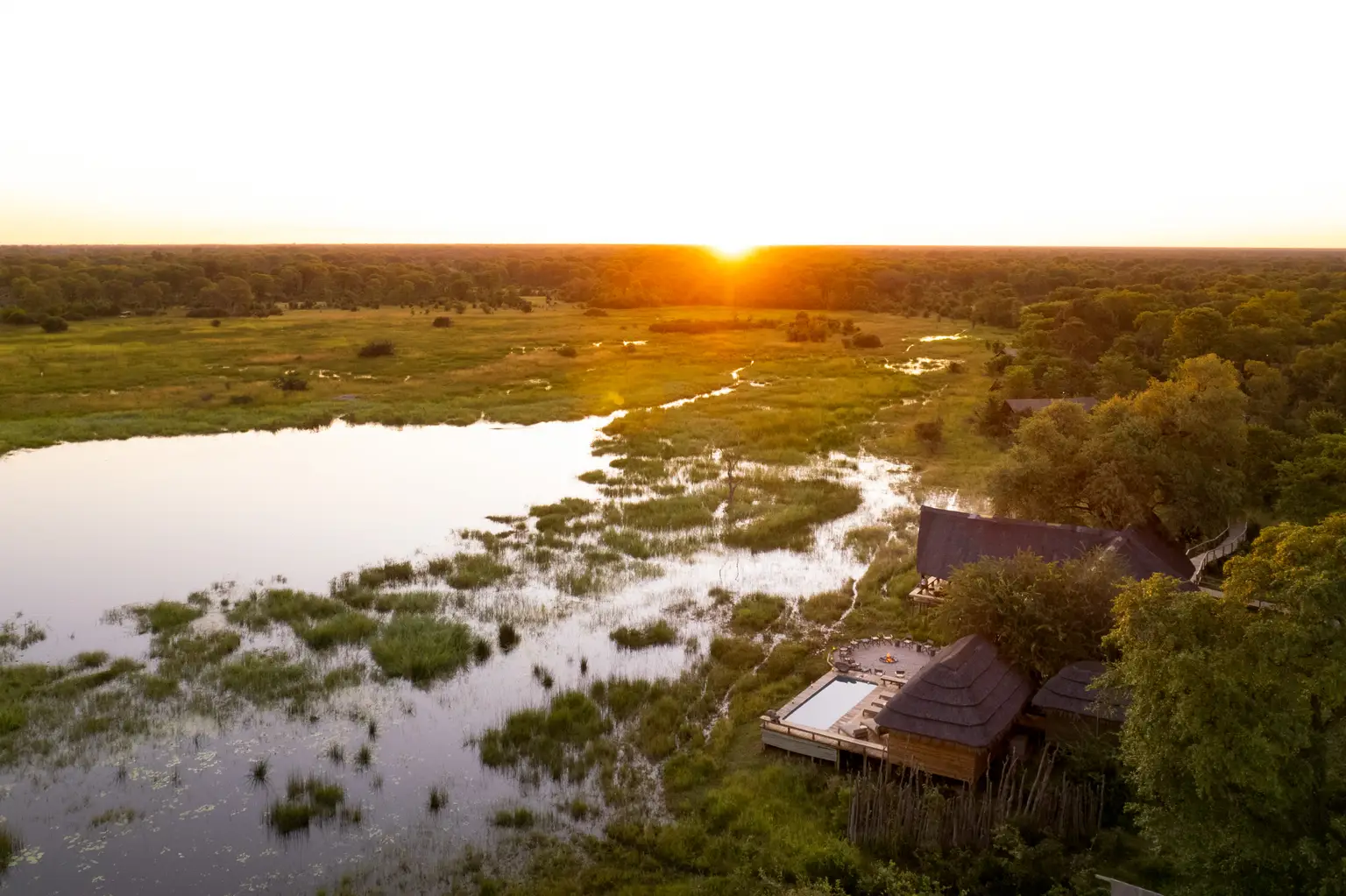
Design matters, too. Low-density camps with a small number of suites can limit pressure on an area, especially when they are carefully positioned away from breeding sites, animal pathways, and riverbanks. Local or responsibly sourced materials, raised walkways, natural ventilation, and buildings designed to blend into their setting can reduce disturbance without sacrificing comfort.
Yet infrastructure alone is not enough. The most credible lodges connect their business model to the landscape around them. They contribute to conservation concessions, work alongside park authorities and researchers, employ local teams in meaningful roles, and build long-term partnerships with neighboring communities.
Why Low-Density Luxury Matters
On safari, exclusivity can be more than a luxury amenity. It can be an environmental advantage.
In Botswana’s private concessions, for example, carefully regulated bed numbers and vehicle limits can create a quieter wildlife experience than heavily trafficked areas. Fewer guests and fewer vehicles around a sighting mean more space for animals to behave naturally and more time for guests to observe without feeling rushed. It also allows for a more personal rhythm: an unhurried morning drive, a private mokoro excursion, or a fireside dinner shaped around the day’s sightings.
This model comes with a trade-off. Remote, low-density camps can be more expensive to operate, and access may involve light aircraft rather than a simple road transfer. For many travelers, however, the value lies in what that remoteness preserves: silence, privacy, exceptional guiding, and a more intimate relationship with the wilderness.
Low density is not automatically responsible, though. A small camp still needs sound waste management, ethical water practices, and transparent local partnerships. It is one piece of a bigger picture.
Conservation Is Part of the Guest Experience
The finest sustainable luxury safari lodges do not treat conservation as a donation added at checkout. It is woven into the stay.
Guests may meet a resident conservationist, learn how camera-trap data supports predator monitoring, or understand why their guide keeps a respectful distance from a leopard with cubs. In elephant country, guides can explain the difference between a memorable close encounter and an interaction that changes an animal’s behavior. These details deepen a safari because they replace spectacle with understanding.
In Botswana, tourism revenue has helped make large-scale wildlife protection economically viable across extraordinary ecosystems, from the waterways of the Okavango Delta to the elephant-rich north. Across Southern and East Africa, responsible lodge partners can also support anti-poaching efforts, habitat restoration, species research, and the protection of migration routes.
No lodge can promise that every dollar directly saves a specific animal or solves complex conservation challenges. Wildlife protection depends on governments, communities, landholders, scientists, and visitors working over decades. But travelers can choose properties that show where their conservation contributions go and how outcomes are measured.
Ask How Wildlife Viewing Is Managed
A lodge’s wildlife ethics are often visible in the field. Responsible guiding respects animal space, limits the number of vehicles at a sighting, avoids crowding vulnerable species, and does not force encounters for photographs.
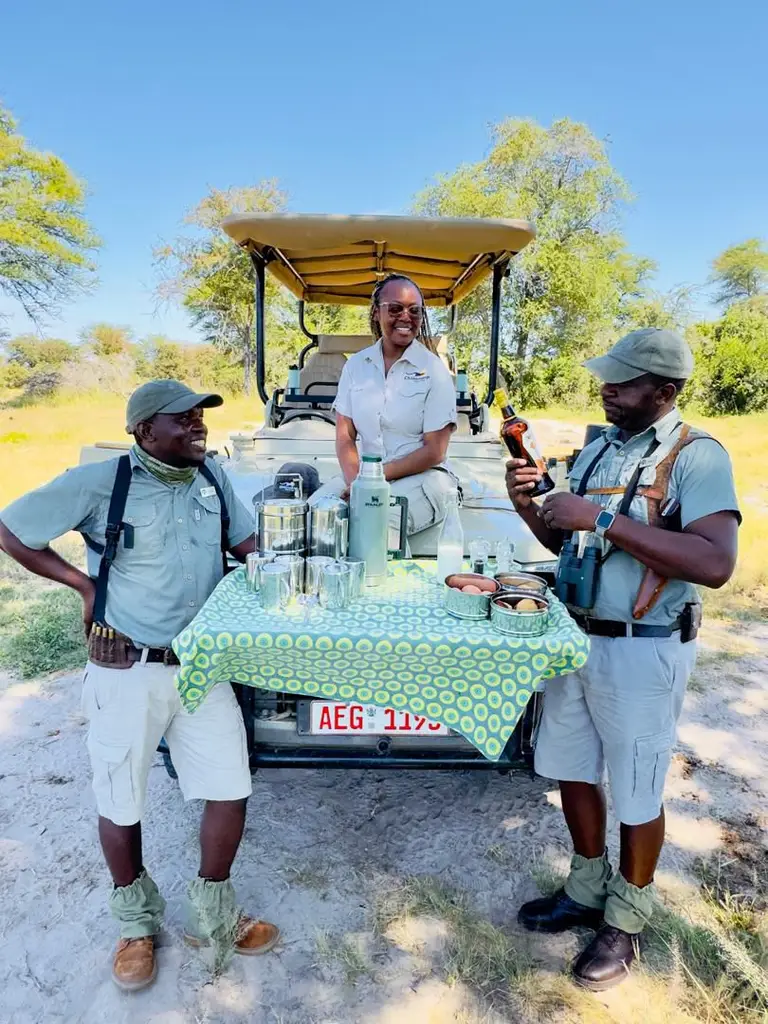
For photographers, this can require patience. The best image may come from waiting for natural behavior rather than positioning a vehicle too close. A knowledgeable private guide can make that patience rewarding, anticipating light, movement, and behavior while putting wildlife welfare first.
Community Partnership Should Be Specific
Luxury travel has the potential to create employment and enterprise in rural regions, but only when benefits are designed to reach beyond a lodge gate. Vague claims about “giving back” deserve closer scrutiny.
Look for clear examples: locally recruited staff with training and advancement opportunities; community-owned or community-linked concessions; purchases from regional suppliers; support for locally identified education, health, or conservation priorities; and respectful cultural experiences led by people from the community themselves.
The distinction matters. A village visit should never feel like a performance arranged for guests. Done well, cultural engagement is voluntary, fairly compensated, and guided by local voices. It might be a conversation with artisans, a visit to a community conservation project, or an opportunity to understand how traditional knowledge informs life in a particular landscape.
Travelers should also accept that not every community experience belongs on every itinerary. Privacy, cultural protocols, seasonal activities, and community preference must lead the decision. A bespoke safari allows these encounters to be chosen with care rather than inserted as a checkbox.
Comfort and Consciousness Can Belong Together
There is no need to choose between a beautiful suite and responsible travel. In fact, the most memorable lodges often prove that comfort is stronger when it feels rooted in its environment.
Think plunge pools that cool naturally against a river landscape, thoughtfully prepared meals that celebrate regional ingredients, solar-lit pathways beneath southern skies, and suites designed for cross-breezes and uninterrupted views. Service remains polished, but it does not try to overpower the place. The camp becomes a frame for the wilderness, not a barrier between guest and landscape.
Still, every traveler has a different definition of luxury. A honeymoon couple may prioritize a private pool, spa treatments, and long, secluded afternoons. A family might value a flexible schedule, interconnecting tents, and guides skilled at introducing children to the bush. Birders may accept a more understated camp in exchange for access to rare habitats, while photographers may prioritize private vehicle use and expert tracking.
The most responsible choice is therefore not a single lodge category. It is the property and itinerary that best match your interests while keeping the ecological and cultural context in view.
How to Choose Sustainable Luxury Safari Lodges
Before confirming a safari, ask practical questions about a property’s operations and partnerships. A reputable travel designer should be able to explain the lodge’s energy and water approach, conservation affiliation, community model, guest capacity, and wildlife-viewing protocols.
It is also worth asking what happens beyond the lodge itself. A carefully selected camp can lose some of its positive impact if the overall route involves unnecessary backtracking or poorly coordinated transfers. Smart itinerary design reduces avoidable travel while giving each destination enough time to reveal itself. Three unhurried nights in one exceptional area can be more rewarding than racing through several.
Seasonality should guide the decision as well. The floodwaters of the Okavango Delta, the dry-season concentration of wildlife in Botswana’s northern concessions, green-season birding, and family travel windows all call for different lodge combinations. Sustainability includes traveling in a way that respects the season rather than expecting every destination to perform the same way year-round.
Chloorokop Travel and Tours approaches this planning through local knowledge, trusted accommodation partners, and itineraries built around what matters most to each guest. That may mean pairing a conservation-focused Delta camp with a private desert experience, adding time with specialist guides, or choosing a property whose community relationship aligns with your values.
Travel Beautifully, Leave Meaningfully
A luxury safari is a rare privilege: the chance to enter places where wild dogs still hunt across open ground, elephants follow ancient routes, and local knowledge remains inseparable from the land. Choosing well helps keep those places alive, not just for the duration of a stay, but for the people and wildlife whose future depends on them.
The finest lodge is not simply the one with the grandest view. It is the one that leaves you with a deeper connection to Africa and a clear sense that your journey helped honor what you came to see.