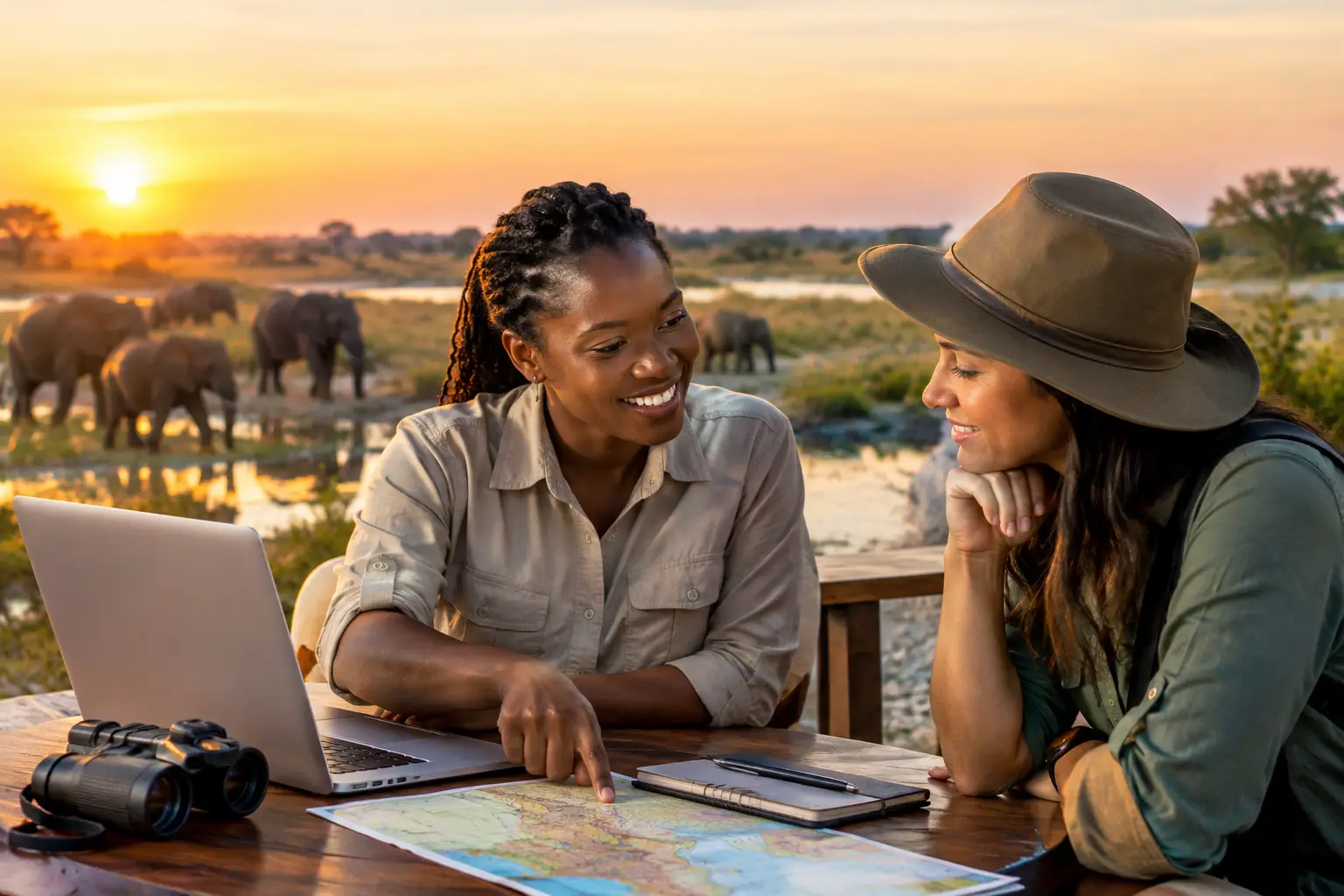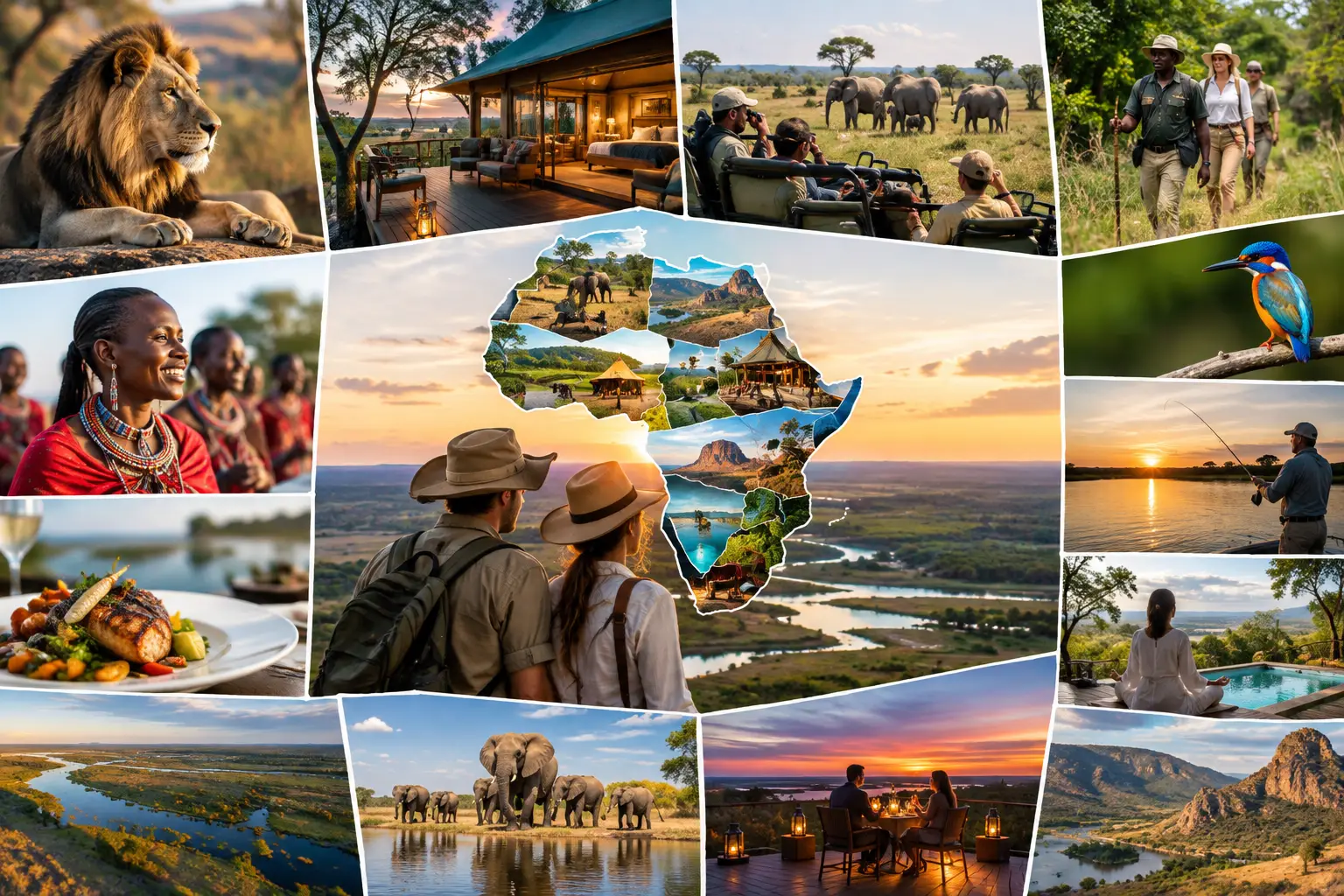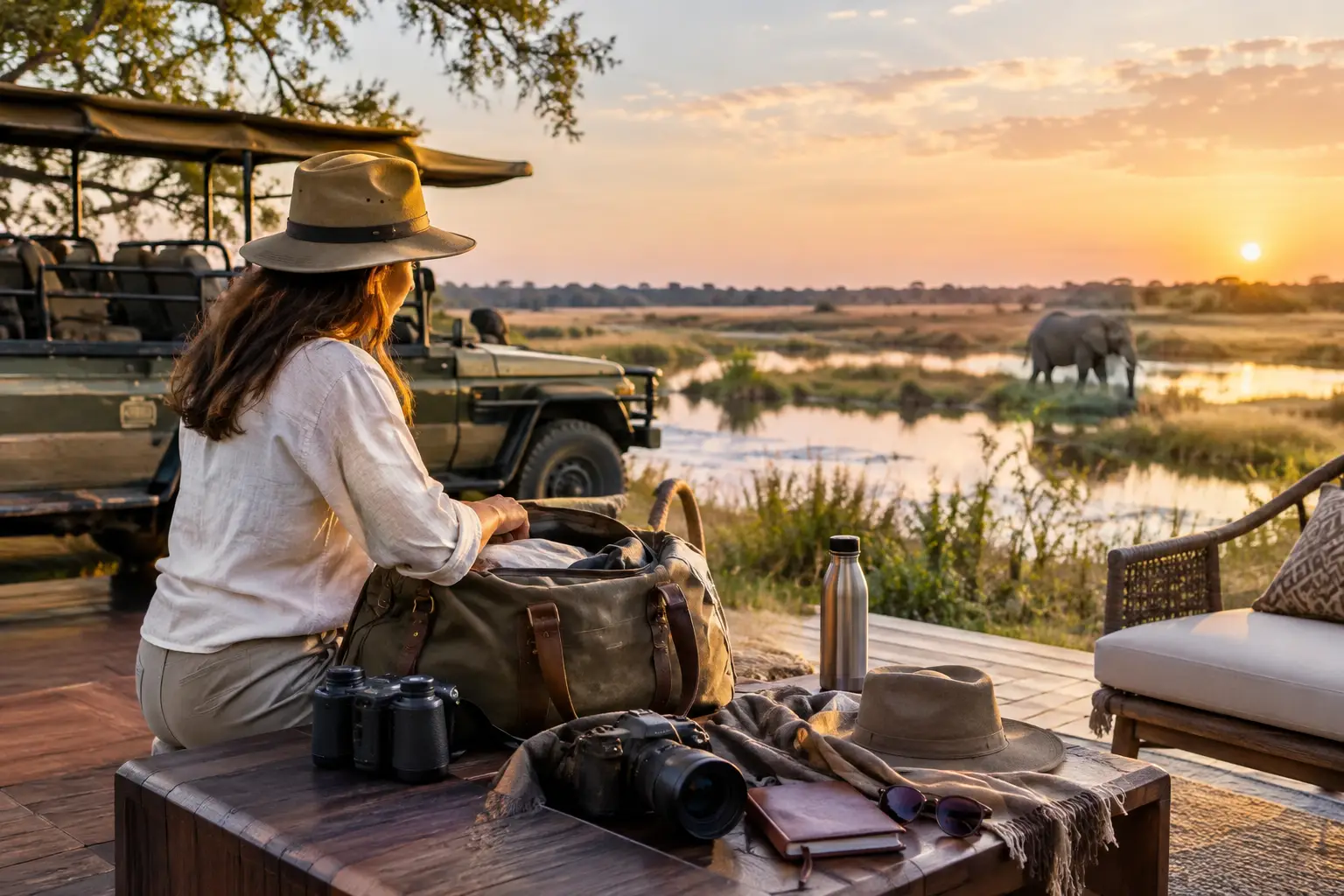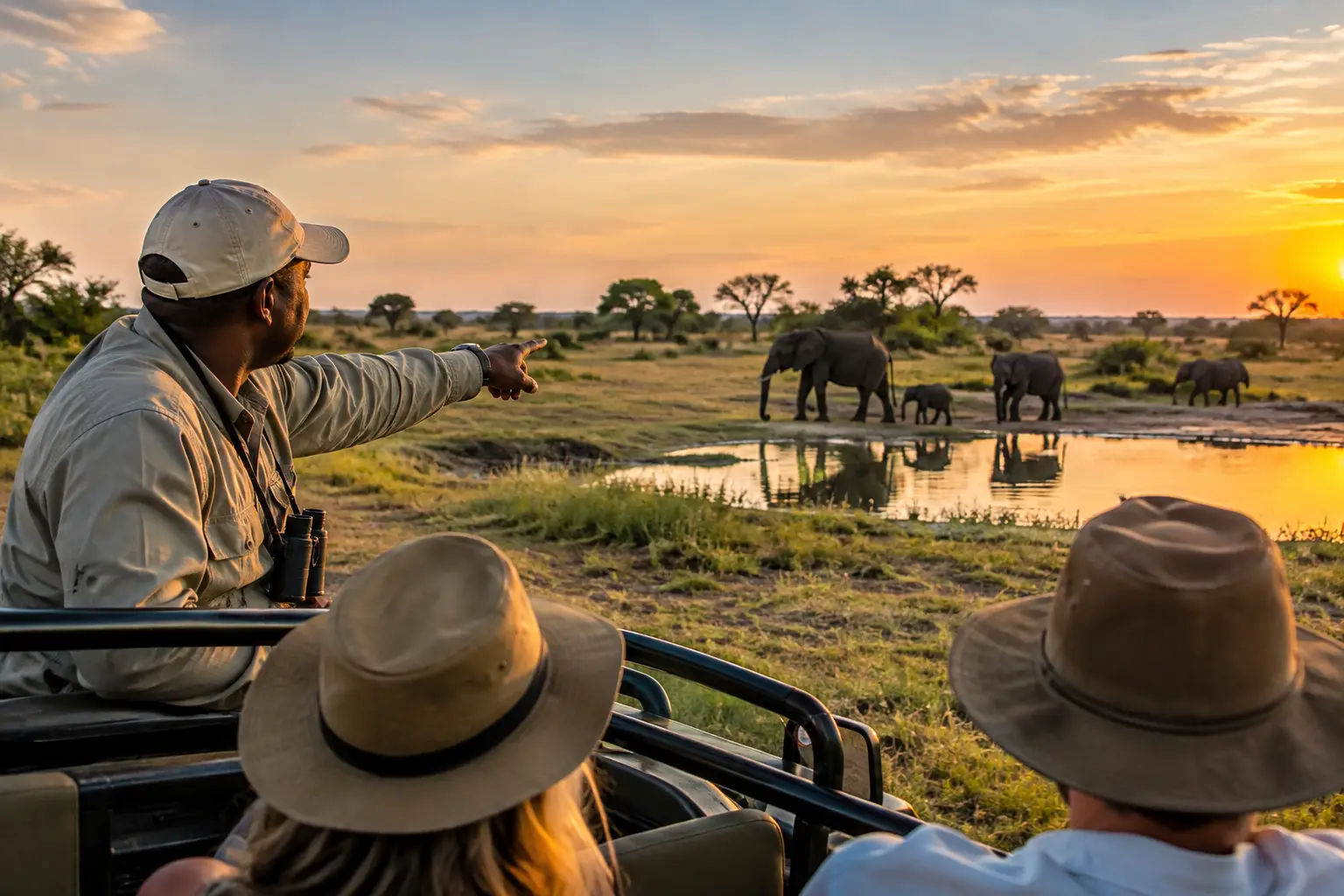
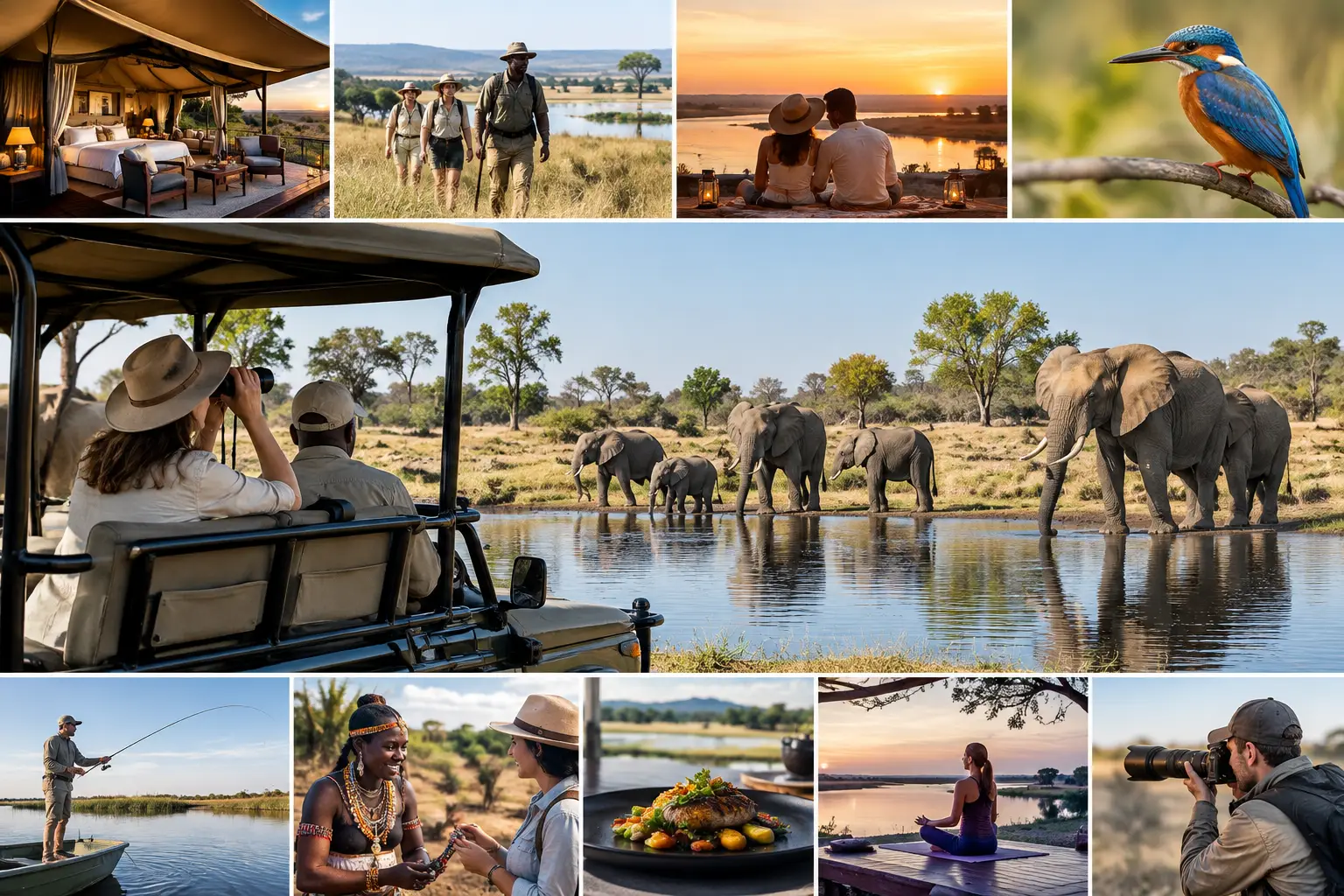
A Botswana safari already delivers rare space: mokoro glides through the Okavango Delta, elephants gather along the Chobe River, and predators move across the floodplains of Moremi and the Kalahari. But for travelers with two or three weeks to travel, the top 10 African countries to add on to a Botswana itinerary can turn an exceptional safari into a more layered African journey – one that balances wilderness with coast, city, mountain, culture, or another distinctly different wildlife encounter.
The best add-on is not simply the nearest country. It should complement Botswana’s quiet, water-and-wilderness rhythm while fitting your interests, travel season, and preferred pace. A considered itinerary also limits unnecessary backtracking, protects time for private guiding and unhurried lodge stays, and channels spending toward conservation and communities.
Top 10 African Countries to Add On to Botswana Itineraries
1. Zambia: For the Zambezi and Victoria Falls
Zambia is Botswana’s most natural partner for travelers who want to stay close to wild river country. From Chobe, a short transfer across the border brings you to Livingstone and the Zambian side of Victoria Falls, where the falls are experienced from several dramatic viewpoints and, season permitting, from the edge of Livingstone Island.
For a deeper safari extension, fly onward to the Lower Zambezi. Here, private guiding can include canoeing, catch-and-release tiger fishing, and game drives beneath escarpment views. Zambia works especially well for guests who want active time on the water after Botswana’s land and delta-based safari experiences.
2. Zimbabwe: For Falls, Heritage, and Walking Safaris
Zimbabwe brings a different texture to a Botswana itinerary. Victoria Falls town is readily paired with Chobe, while Hwange National Park offers vast elephant country and excellent photographic opportunities. The park’s open teak woodland and productive waterholes feel notably different from the channels and islands of the Okavango Delta.
Travelers interested in history can add the stone ruins of Great Zimbabwe, while Mana Pools is a rewarding choice for experienced safari guests drawn to guided walking and canoeing along the Zambezi. It is an excellent fit for those who value an immersive, guide-led wilderness experience over a hurried checklist.
3. Namibia: For Desert Drama and Design-Led Lodges
Botswana and Namibia share a sense of scale, but their landscapes could not be more visually distinct. Namibia introduces ancient desert, soaring red dunes, salt pans, and sculpted coastlines. A private flight from Botswana makes it possible to move from the watery Okavango to the ocher dunes of Sossusvlei with little friction.
Choose Namibia for a journey centered on landscape photography, geology, stargazing, and striking architectural lodges. Desert-adapted elephants in Damaraland, the rock engravings at Twyfelfontein, and the foggy Atlantic edge of the Skeleton Coast add substance beyond the dunes. This pairing suits travelers who appreciate stillness, visual drama, and a strong sense of place.
4. South Africa: For Cape Town, Wine, and Family Flexibility
South Africa is often the most practical add-on for international flights and offers a polished contrast to Botswana’s remote camps. Cape Town brings mountain views, acclaimed dining, contemporary art, coastal drives, and the Cape Winelands. It is particularly appealing after several days in the bush, when travelers may welcome a few nights of urban energy and sophisticated relaxation.
For families, South Africa can add flexibility through spacious villas, private touring, and a broader variety of culinary and cultural experiences. It also works well for honeymooners wanting a final stretch of ocean views, private wine tastings, and restorative spa time. The key is to avoid rushing: three or four nights in the Cape region is far more rewarding than a quick overnight stop.
5. Mozambique: For Barefoot Luxury on the Indian Ocean
After early morning game drives and cool delta evenings, Mozambique offers a graceful transition to the Indian Ocean. The Bazaruto Archipelago is known for clear water, dhow sailing, secluded beaches, and exceptional marine life. Depending on the season, snorkeling and diving may reveal reef fish, turtles, whale sharks, or migrating humpback whales.
Mozambique is especially suited to honeymoons and milestone journeys. Its appeal lies in privacy and a slower cadence, not a packed activity schedule. A few unstructured days by the sea can be the ideal counterpart to a Botswana safari, while choosing conservation-minded marine experiences helps protect the fragile coastal environments that make the archipelago so special.
6. Seychelles: For an Elevated Safari-to-Beach Finale
Though farther afield than Mozambique, Seychelles is a compelling choice for travelers who want an indulgent beach finale with a distinct island identity. Granite boulders, forested interiors, powder-soft beaches, and Creole influences create an unmistakable setting for couples and families seeking privacy after safari.
This is best added when there is enough time to do it properly, usually four to six nights rather than a brief stopover. Seychelles is less about adding more sightseeing and more about creating room to exhale. Private boat outings, reef exploration, and thoughtfully selected island stays can provide a refined end to a wildlife-focused journey.
7. Rwanda: For Gorilla Trekking and Conservation Stories
Rwanda offers one of Africa’s most emotional wildlife experiences: trekking to see mountain gorillas in Volcanoes National Park. The encounter is physically demanding and carefully regulated, but time spent quietly observing a gorilla family in the forest is profoundly different from a vehicle-based safari.
Rwanda pairs well with Botswana for travelers who want to understand conservation at different scales – from vast elephant ranges to intensely protected primate habitat. Kigali also provides a meaningful cultural and historical context, with excellent opportunities for locally rooted cuisine and art. Allow time to acclimate and plan around trekking fitness, as conditions can be wet, steep, and changeable.
8. Kenya: For Big Cats, Culture, and Open Savannah
Kenya adds classic East African grassland to a Botswana itinerary. The Maasai Mara is celebrated for predator sightings, rich birdlife, and, in the right months, the movement of migrating wildebeest and zebra. Private conservancies offer lower vehicle density, night drives where permitted, and meaningful engagement with Maasai landowners and communities.
Kenya is an excellent choice for photographers and repeat safari travelers who want to compare ecosystems and guiding traditions. Botswana is often about exclusivity and water-based wilderness; Kenya can bring broad savannah horizons, dynamic predator behavior, and a strong cultural dimension. Timing matters greatly, particularly if the migration is a priority.
9. Tanzania: For the Serengeti and Ngorongoro Crater
Tanzania is for travelers who want safari at monumental scale. The Serengeti’s sweeping plains, granite kopjes, and seasonal migration routes offer a powerful contrast to Botswana’s intimate delta channels. The Ngorongoro Crater adds a remarkable volcanic landscape and dense concentrations of wildlife within its caldera.
Because Tanzania is expansive, the smartest itineraries focus on one or two areas rather than trying to cover the entire northern circuit. A mobile-style experience in the Serengeti can be particularly rewarding for wildlife enthusiasts, while a private lodge stay offers comfort after long days of tracking and photography. It is a natural extension for guests whose ideal trip is centered firmly on wildlife.
10. Ethiopia: For Ancient Culture and Highland Landscapes
Ethiopia is the most unexpected addition on this list, and that is precisely its appeal. It introduces rock-hewn churches, ancient royal history, coffee culture, and highland scenery unlike anywhere else on the continent. For well-traveled guests, it can transform a safari itinerary into a broader conversation about Africa’s extraordinary cultural depth.
An Ethiopia extension requires thoughtful routing and a genuine interest in heritage, rather than a desire to add another game reserve. The rewards are considerable: private cultural guiding, deeply rooted traditions, and landscapes that shift from dramatic mountains to historic cities. It is a compelling choice for curious travelers seeking substance as well as spectacle.
How to Choose the Right Botswana Safari Add-On
Start with the feeling you want after Botswana. If you want to remain close to wilderness, Zambia, Zimbabwe, Namibia, Kenya, or Tanzania are strong options. If you want contrast and restoration, South Africa, Mozambique, or Seychelles bring food, coast, and relaxation. For a singular conservation encounter, Rwanda is hard to surpass; for heritage and cultural immersion, Ethiopia changes the entire shape of the journey.
Season is equally important. Botswana’s dry season, generally from May through October, offers superb wildlife viewing as animals concentrate near water. Yet the best season for gorilla trekking, a Serengeti migration focus, beach conditions, or Victoria Falls water levels may not perfectly align. That does not make the combination impossible. It simply means the itinerary needs to be built around priorities rather than assumptions.
Flight connections, luggage limits on light aircraft, border formalities, and the pace between camps also deserve careful attention. The most luxurious itineraries are not those with the most pins on a map. They are the ones that feel effortless, leaving enough time to absorb each place.
A Botswana journey can stand beautifully on its own. But when an extension is chosen with care, it gives the safari a wider frame – desert after delta, gorillas after elephants, or ocean after the hush of the bush. Chloorokop Travel & Tours can shape those contrasts into one personally paced African story, designed to travel beautifully and leave meaningfully.