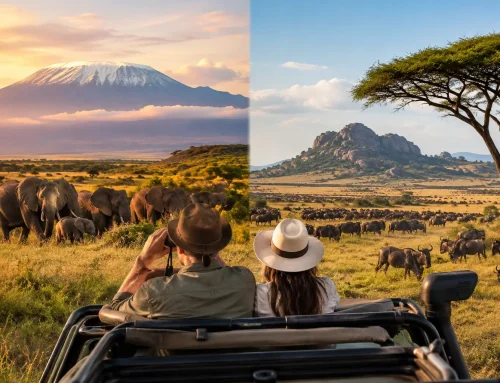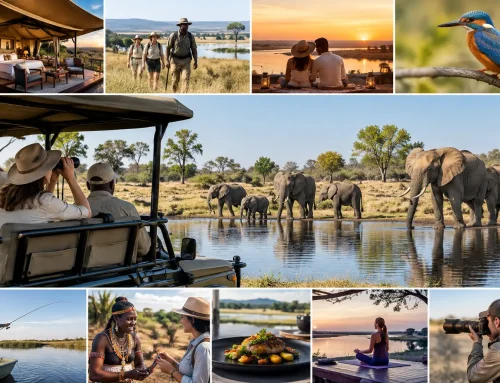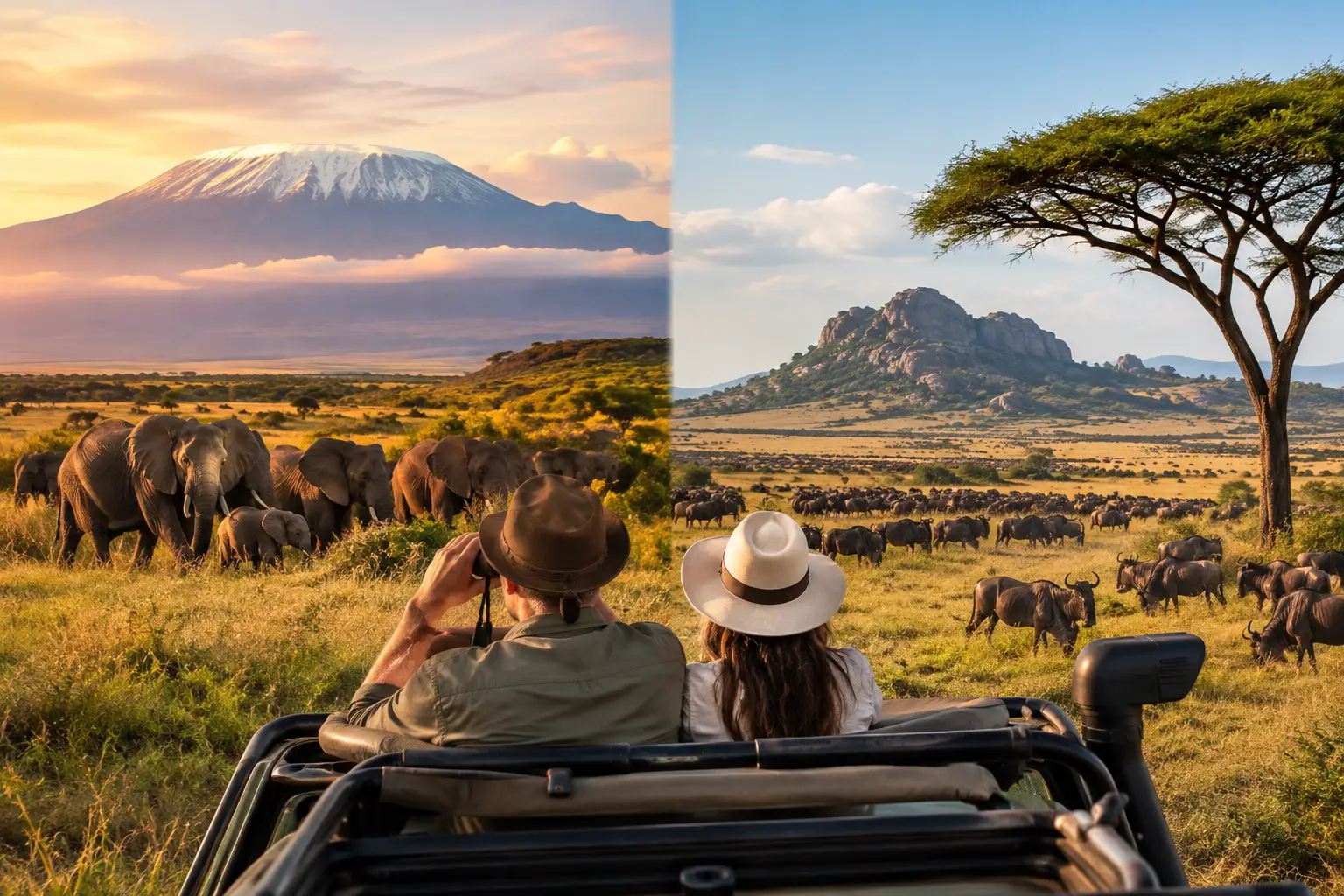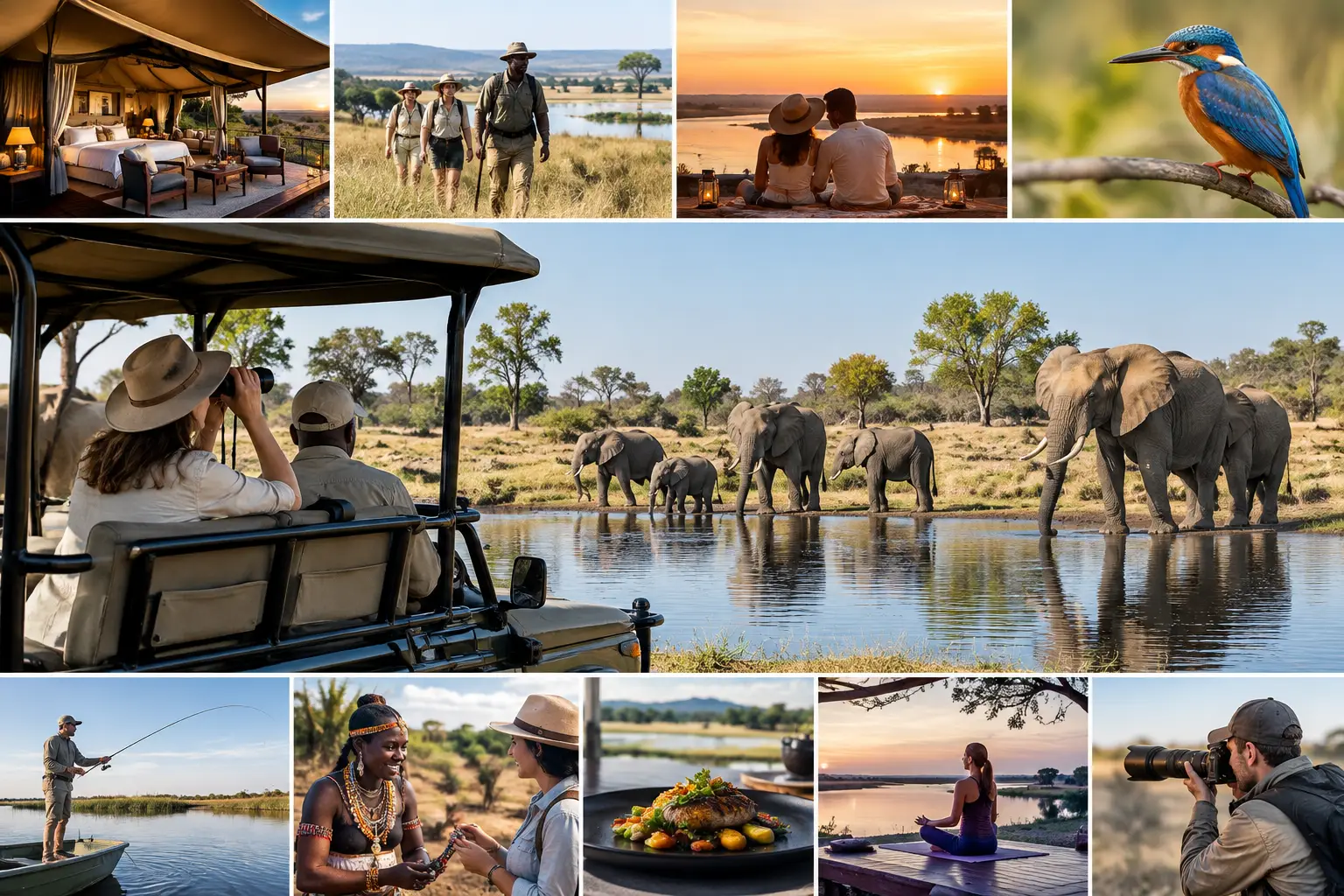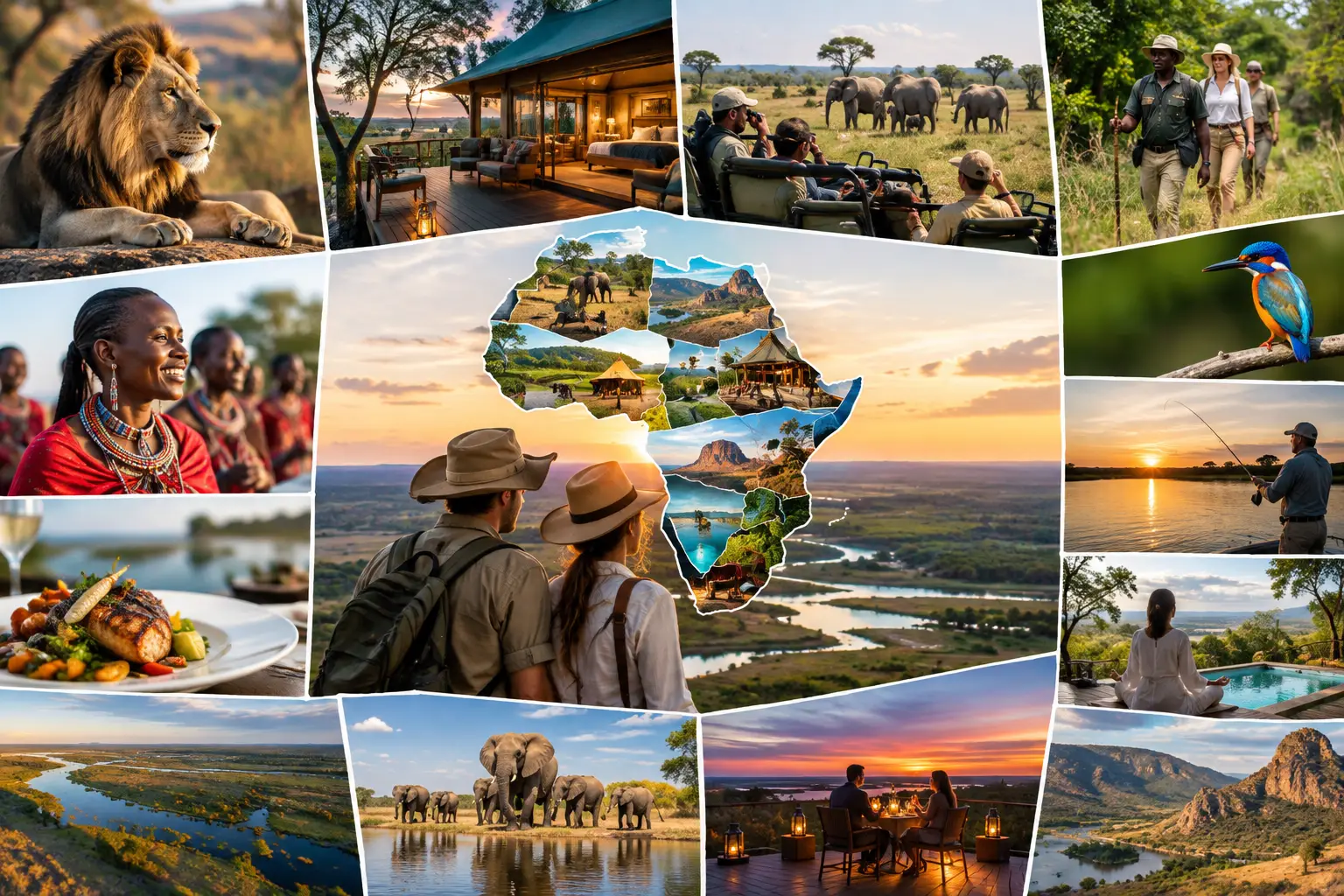
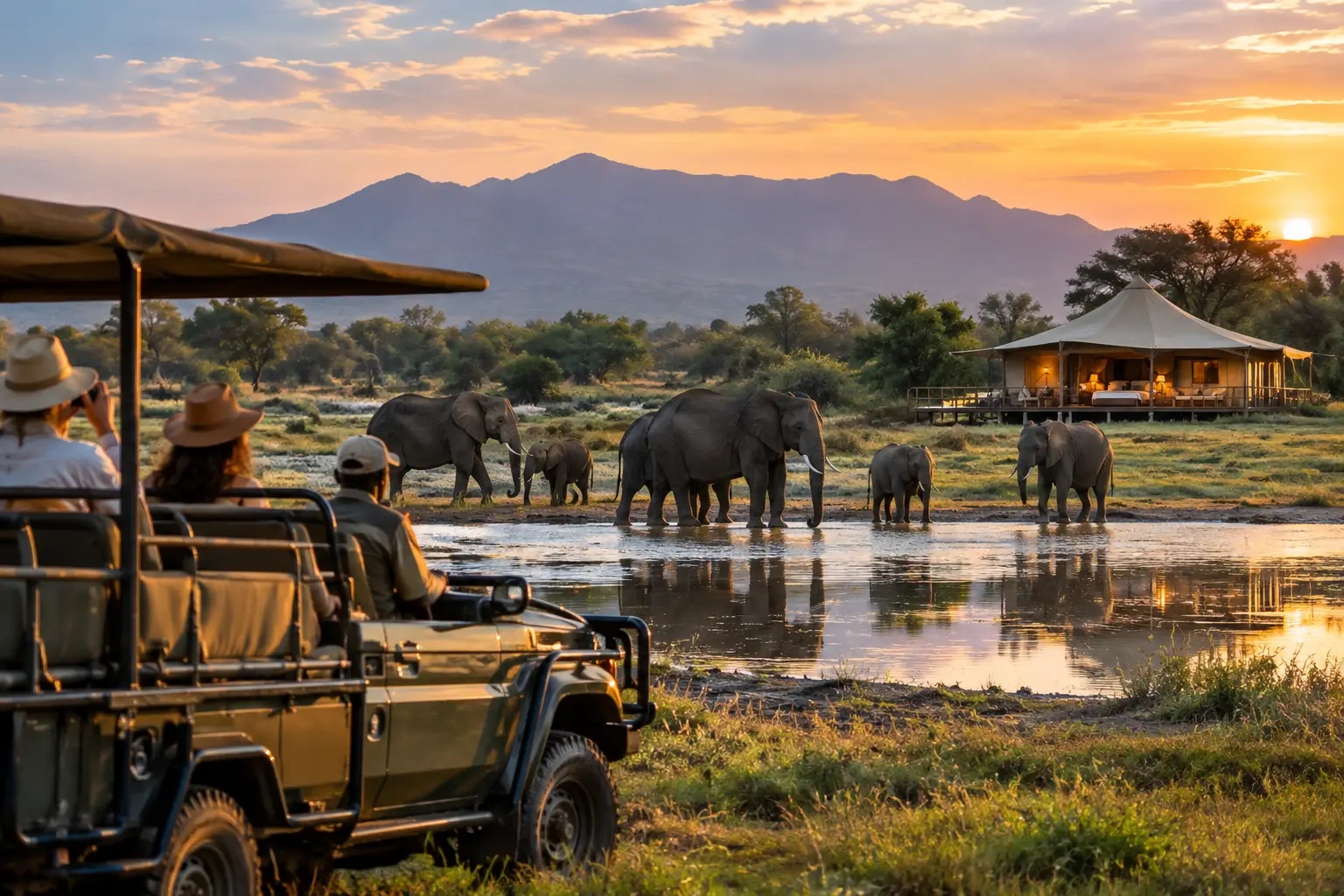
The first light over the Okavango Delta is not an attraction staged for visitors. It is a daily movement of water, birds, elephants, and open sky that has shaped Botswana for centuries. Our selection of the top 10 tourism safari landmarks to visit in 2027 in Southern Africa begins with places where wilderness still sets the rhythm – and where thoughtful travel helps keep it that way.
For a first African safari, a return journey, honeymoon, or multigenerational family celebration, the right landmark is not necessarily the most photographed one. It is the place that matches your pace, wildlife interests, preferred season, and appetite for privacy. These ten destinations can be woven into an exceptional itinerary, but each rewards time rather than hurried checklists.
Top 10 tourism safari landmarks for Southern Africa in 2027
1. Okavango Delta, Botswana
The Okavango Delta is Botswana’s defining safari landscape: a vast inland wetland where seasonal floodwaters spread through channels, lagoons, palm islands, and floodplains. A mokoro excursion with a specialist local guide offers a quieter perspective than a game drive, with reed frogs, painted reed frogs, kingfishers, and the small movements of the water coming into focus.
For 2027, pair water-based activities with a private concession stay that also allows day and night drives. The best timing depends on the experience you want. The annual flood usually reaches the central Delta during the dry season, while the greener summer months bring dramatic skies, newborn animals, and outstanding birding.
2. Moremi Game Reserve, Botswana
Moremi brings together mopane woodland, permanent water, riverine forest, and open grasslands in a compact but remarkably varied reserve. Chief’s Island is particularly celebrated for predator sightings, while the Xakanaxa region offers a classic Delta combination of boating and land-based safari activities.
Moremi works beautifully for travelers who want varied wildlife viewing without changing camps every two nights. It is also a meaningful choice for guests interested in Botswana’s conservation story, as the reserve was established through the vision of the Batawana people and remains central to the protection of the Delta ecosystem.
3. Chobe National Park, Botswana
Along the Chobe River, elephants gather in numbers that can feel almost unreal – families crossing sandy banks, drinking at the water’s edge, or swimming with only trunks visible above the surface. A private boat safari here is not simply a different vehicle. It gives photographers and families an eye-level view of wildlife while allowing the landscape to unfold at an unhurried pace.
Chobe is often paired with Victoria Falls, but it deserves at least two or three nights of its own. The dry months are particularly rewarding for concentrations of wildlife along the river, while the greener season can suit travelers who value softer light, birdlife, and fewer vehicles.
4. Khwai Community Concession, Botswana
Khwai lies beside Moremi yet has its own character: a community-managed wilderness area with strong wildlife movement, excellent guiding, and the possibility of carefully managed night drives and off-road tracking. Leopard, wild dog, lion, elephant, and a rich cast of smaller nocturnal species make this an engaging destination for guests who enjoy the detail behind a sighting.
Its significance goes beyond wildlife. Staying in the concession contributes to a model in which tourism revenue supports local livelihoods and community development. For travelers seeking luxury with purpose, Khwai shows how exceptional safari access and responsible tourism can belong in the same itinerary.
5. Savuti, Botswana
Savuti is a place of big skies, elephant herds, and wildlife stories that are never entirely predictable. Its grasslands and woodlands are known for lions, spotted hyenas, and seasonal migrations of zebra, but the enduring appeal is its sense of scale. A morning drive here can move from ancient baobabs to distant predator tracks and a solitary bull elephant in a single, wide horizon.
Savuti is generally best for travelers comfortable with a more remote, land-based safari. It pairs well with Chobe or the Delta, creating a journey that moves from water wilderness to drier, more elemental terrain.
6. Makgadikgadi Pans, Botswana
The Makgadikgadi Pans offer a different kind of grandeur. During the dry season, the salt flats stretch toward a horizon so clean it can make time feel suspended. In the green season, rain transforms sections of the area, drawing zebra and wildebeest and creating one of Southern Africa’s most compelling seasonal spectacles.
This is a landmark for travelers who want more than the traditional Big Five narrative. Consider a guided walk with San community members, a visit to the habituated meerkats where appropriate, or a night beneath the stars in a carefully arranged sleep-out. Conditions are seasonal, so this destination should be planned around its changing character rather than treated as a fixed experience.
7. Central Kalahari Game Reserve, Botswana
The Central Kalahari is vast, quiet, and emotionally powerful. Its appeal lies in space: grasslands rolling beneath storm clouds, black-maned lions moving through golden grass, and nights of profound silence. It is a destination for guests who appreciate wilderness without constant activity and who understand that sightings cannot be scheduled.
The green season, roughly from December through March, can be especially dramatic around Deception Valley, when grazing animals gather and predators follow. Outside that period, the reserve offers a more austere beauty. Either way, a skilled guide and enough time make all the difference.
8. Victoria Falls, Zimbabwe and Zambia
Victoria Falls is one of the few landmarks that fully deserves its global reputation. The scale of the Zambezi as it drops into the gorge is visceral: mist rising through rainforest, rainbows in the late light, and the sound of water carrying well beyond the viewpoints.
The experience changes through the year. High water creates tremendous spray and force, sometimes limiting clear views of the gorge. Lower water reveals more of the geological form and may suit travelers interested in white-water rafting or a closer look at the falls. A well-paced stay can include a sunset cruise, a scenic flight, and time to simply absorb the setting.
9. Sossusvlei and Namib-Naukluft Park, Namibia
At Sossusvlei, sculpted red dunes rise from the Namib Desert beside the pale clay pan of Deadvlei, where ancient camelthorn trees stand against a stark white floor. It is one of Southern Africa’s most recognizable landscapes, yet it retains an extraordinary stillness when visited at first light with a knowledgeable private guide.
Namibia is an ideal extension for safari travelers drawn to landscapes as much as wildlife. Add desert-adapted elephant in Damaraland or the coast around Swakopmund for contrast, but allow sufficient time between road or light-aircraft transfers. The distances are part of Namibia’s allure, not an inconvenience to rush past.
10. Cape Town, the Cape Winelands, and Table Mountain, South Africa
A safari journey often benefits from an elegant change of pace, and Cape Town offers one without losing its sense of place. Table Mountain frames a city where ocean, history, design, cuisine, and vineyard landscapes are all close at hand. A privately guided day can move from the mountain and Cape Peninsula to a Winelands tasting shaped around your interests.
Cape Town is not a wilderness safari landmark in the traditional sense, but it is an exceptional complement to one. It suits couples adding a refined finale to Botswana, families seeking cultural variety, and guests who want time for wellness, art, and exceptional food before their journey home.
Planning a landmark-led Southern Africa safari
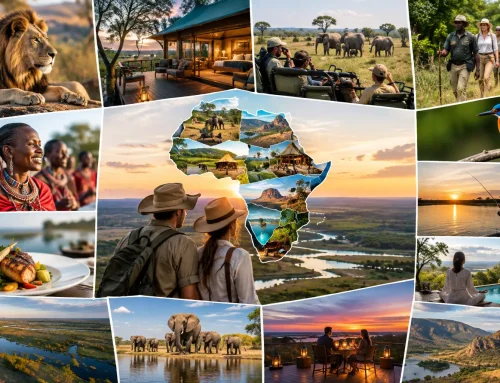
The most rewarding 2027 itinerary will usually combine three or four places rather than attempt all ten. A Botswana-focused journey might connect the Okavango Delta, Khwai, and Chobe before continuing to Victoria Falls. Travelers who want a broader contrast could combine the Delta with Namibia’s dunes and Cape Town’s coastal energy.
Seasonality should lead the design. Dry-season safaris often deliver easier wildlife viewing around water sources, while green-season journeys offer migratory activity, lush scenery, fewer fellow travelers, and rewarding photography. Family requirements, mobility, preferred accommodations, and internal-flight comfort also shape what works best.
Chloorokop Travel & Tours designs these connections from a Botswana foundation, coordinating private guiding, flights, lodges, transfers, and regional ground handling with care. The goal is not to collect landmarks. It is to create enough space at each one for Africa to become personal – and for your journey to leave a positive mark on the places that welcome you.