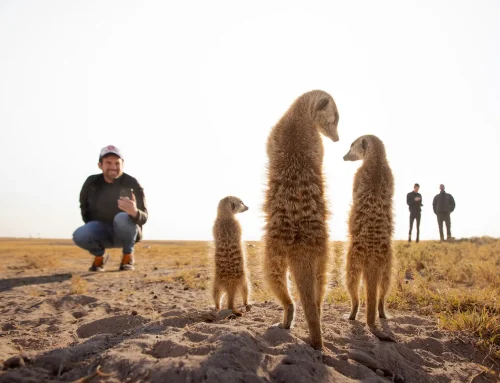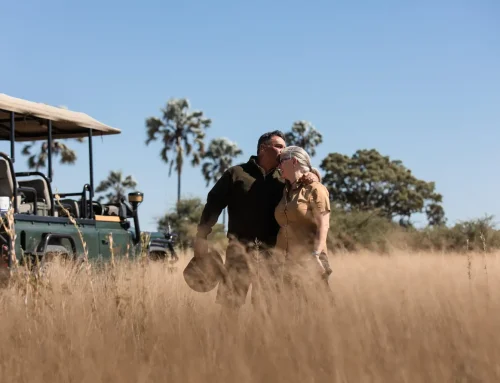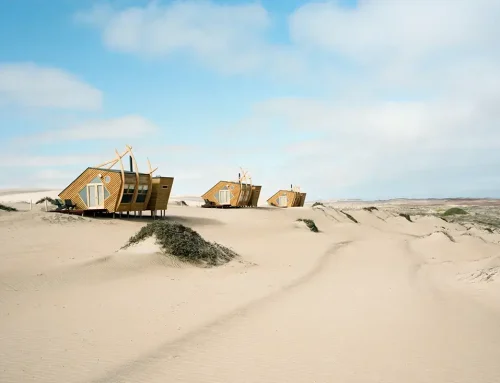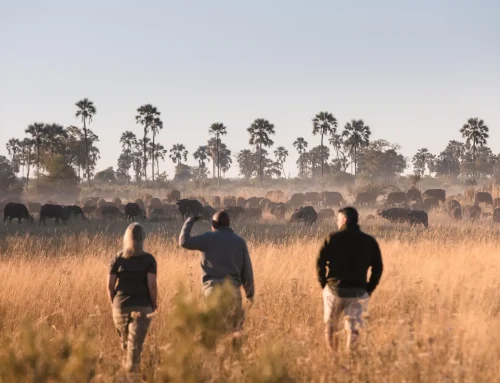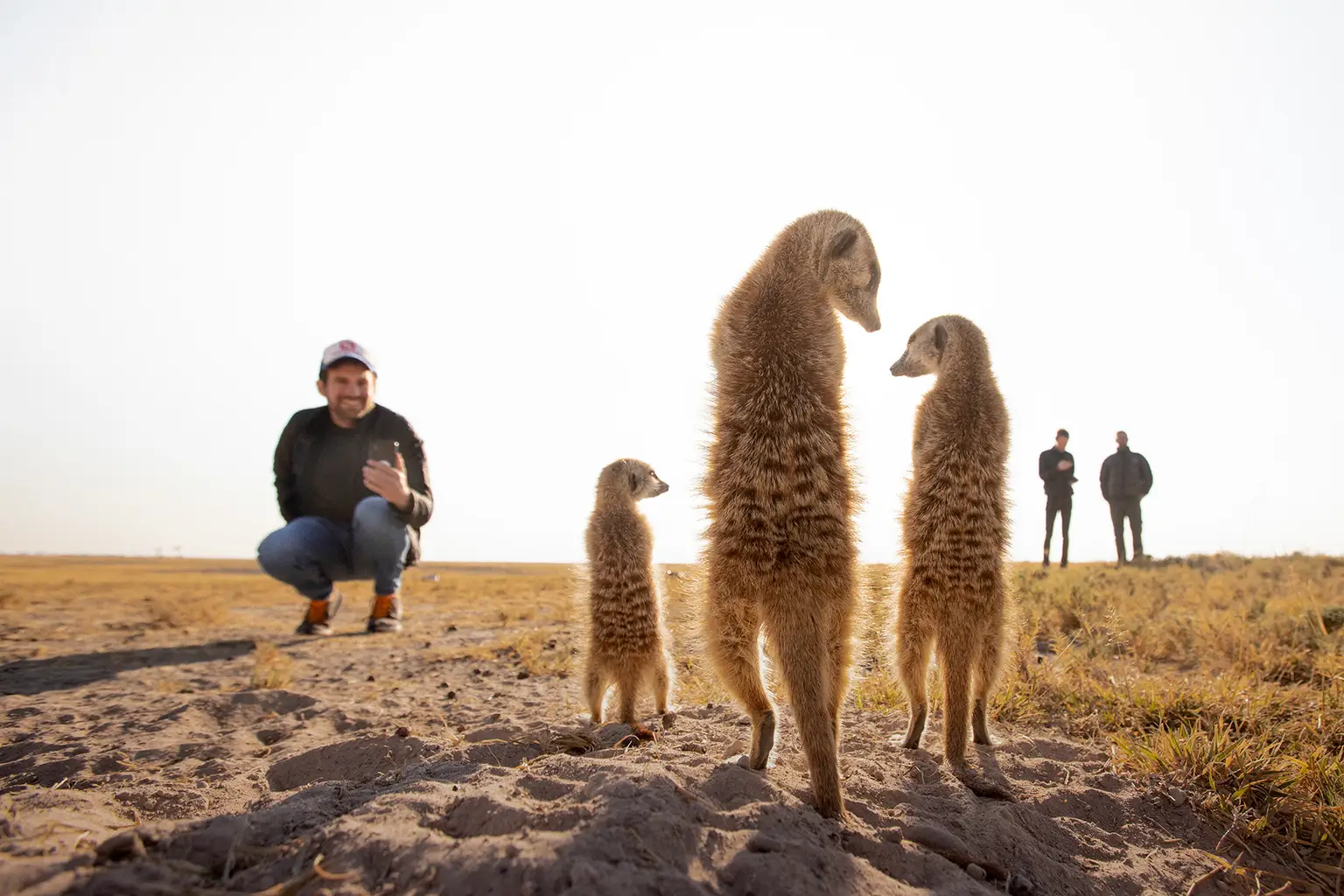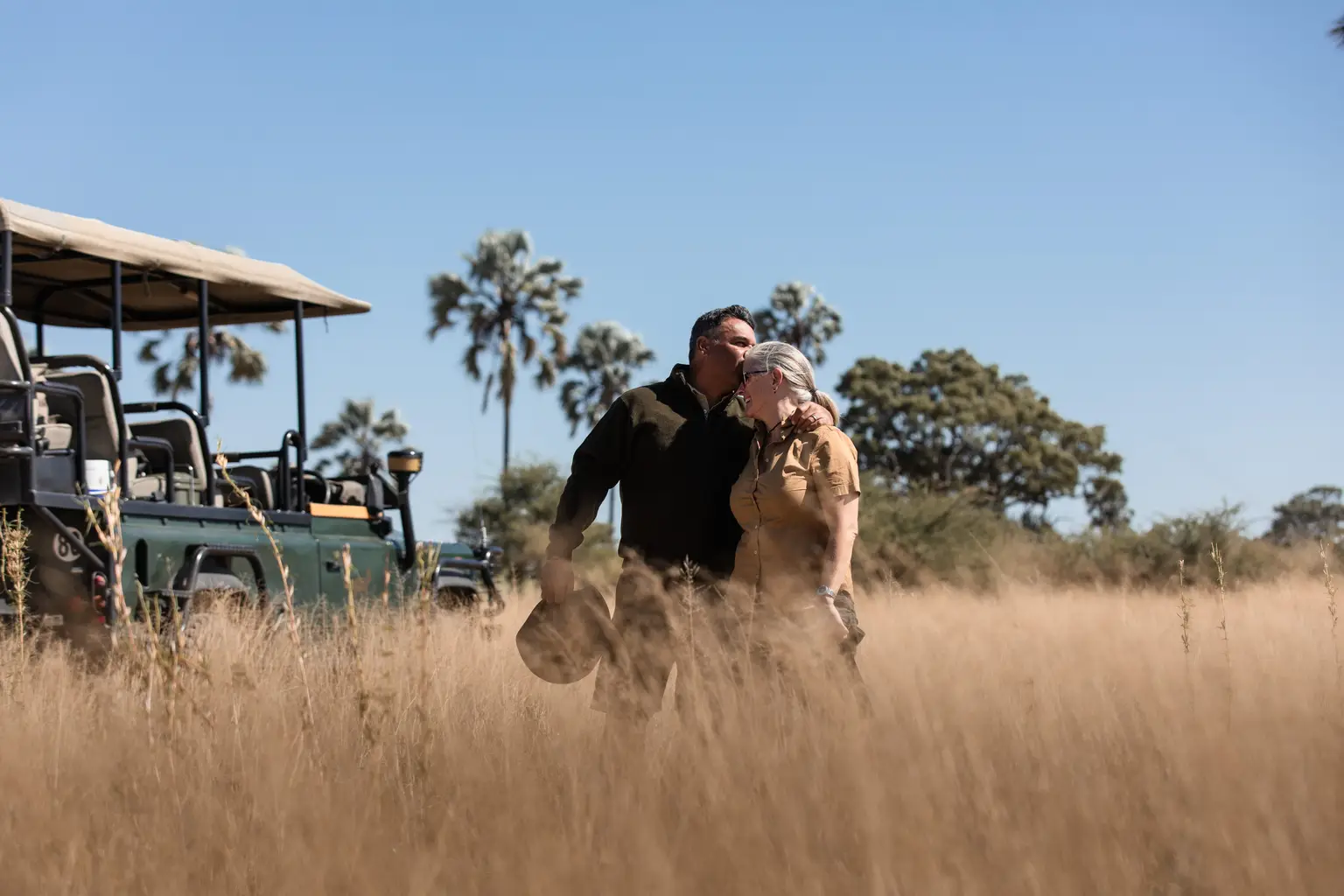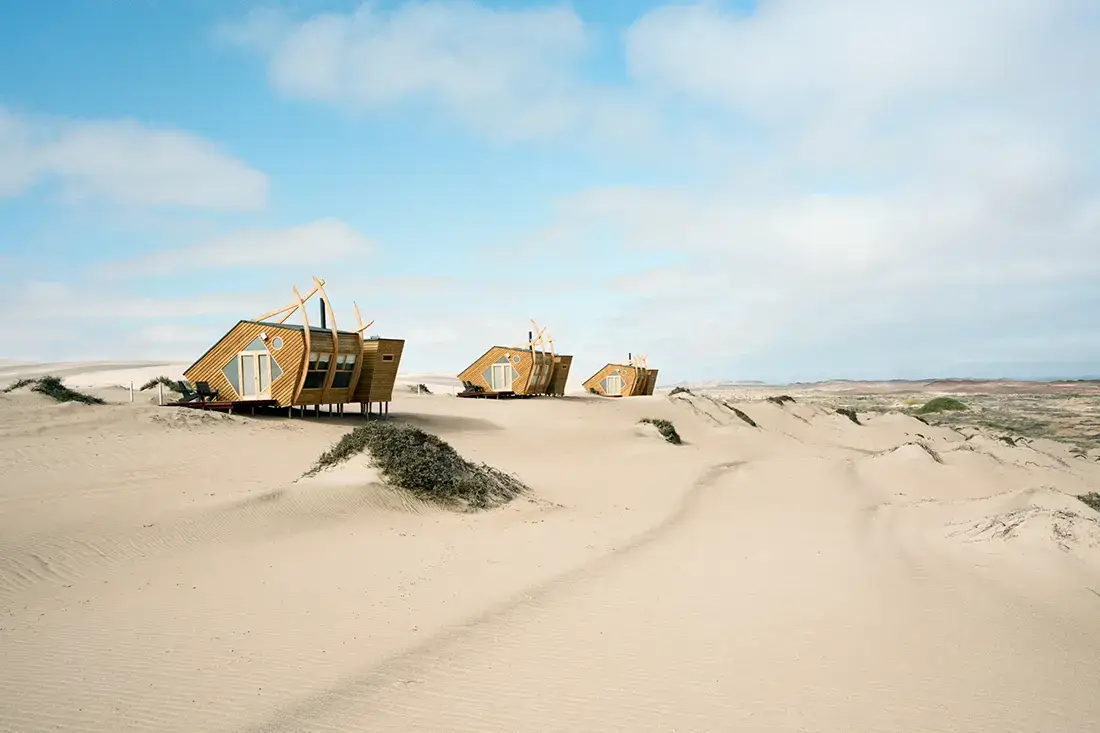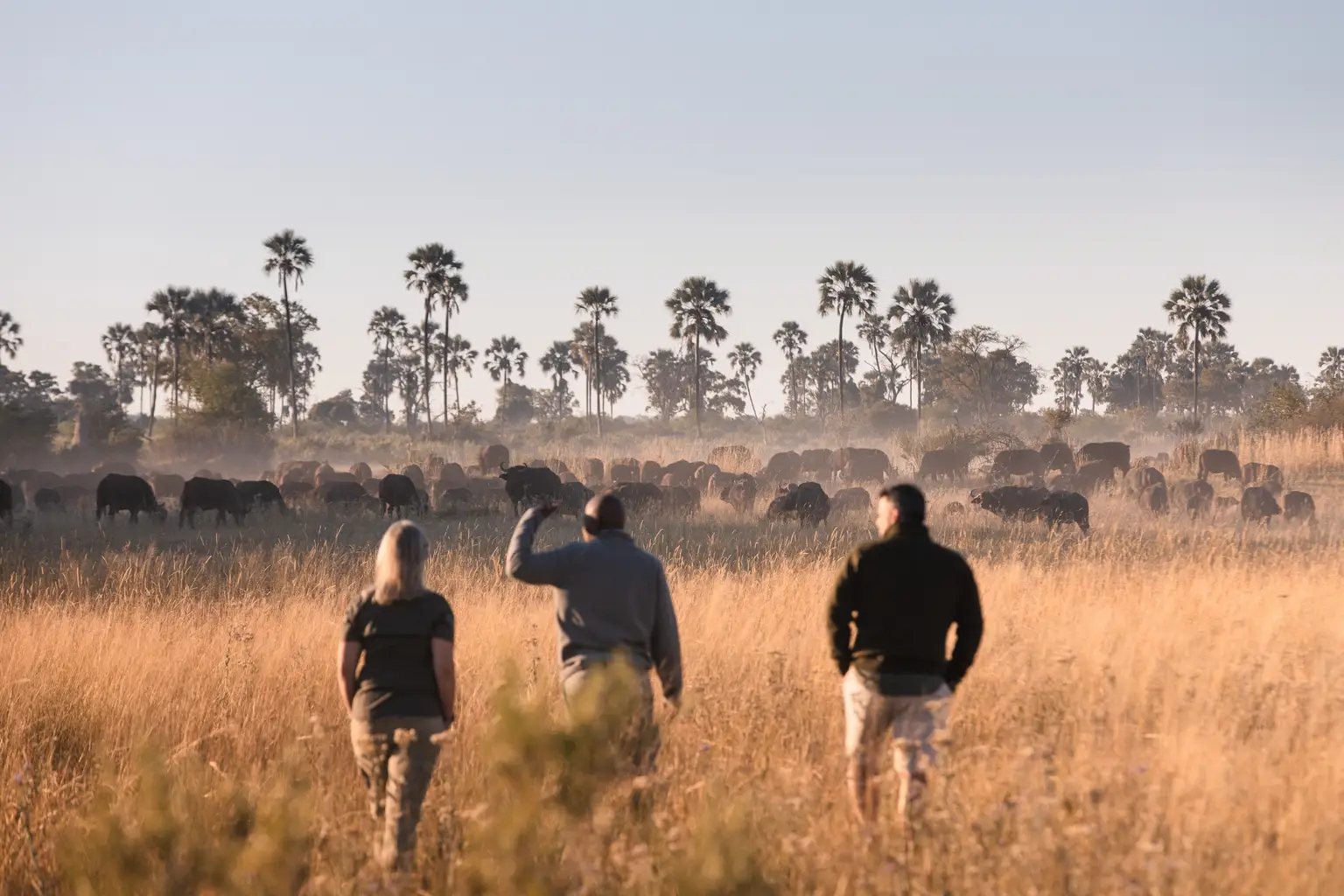
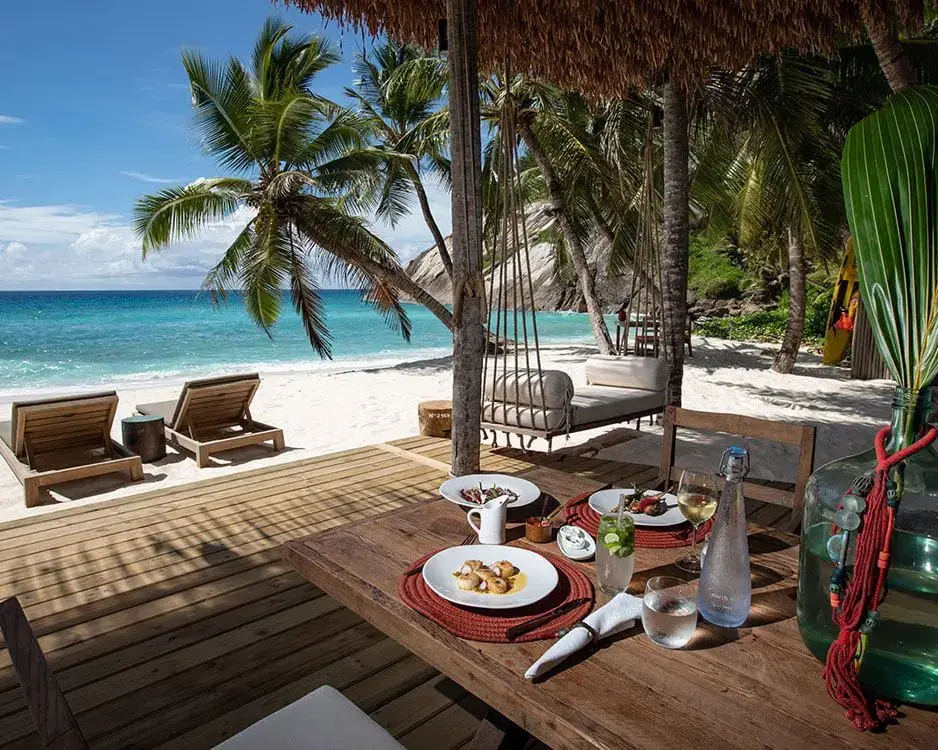
A dawn mokoro glide through the Okavango Delta, followed days later by bare feet on a quiet Indian Ocean beach, is not two separate vacations. Done well, African island extensions give a Botswana safari a different final note: time to absorb the wildlife encounters, slow the pace, and trade early game drives for warm water, reef life, and unhurried meals.
For travelers who value privacy, exceptional guiding, and journeys that feel personal rather than prescribed, the question is not simply which island is most beautiful. It is which island best complements the safari you have chosen, the season you are traveling, and the kind of rest or adventure you want after the wilderness.
Why add an island after Botswana?
Botswana is a safari destination of space, quiet, and meaningful wildlife viewing. Days in the Delta, Moremi, Chobe, Linyanti, Savuti, or the Kalahari are shaped by nature’s rhythm: the first call of birds before sunrise, elephants moving through a river channel, a lion pride emerging from tall grass, or an evening under a sky with no competing city light.
An island stay changes the rhythm without losing the sense of place. After several early mornings and absorbing days on safari, a beach extension offers room to rest. It can also add experiences that Botswana’s inland wilderness cannot provide, from snorkeling over coral gardens to sailing in a traditional dhow, diving, wellness treatments, spice-inspired cuisine, or simply reading beneath a palm canopy.
The contrast is the point. A strong safari-and-beach itinerary does not try to fill every day. It allows Botswana to remain wild and immersive, then gives the traveler time to settle into the coast at a gentler pace.
Choosing African island extensions that suit your journey
Mauritius, Mozambique, and Madagascar each offer a distinct finish to a Botswana itinerary. The right choice depends on whether your priority is polished beachfront relaxation, remote marine wilderness, cultural depth, or active exploration.
Mauritius for refined relaxation and easy rhythm
Mauritius suits couples, honeymooners, and families looking for a highly comfortable transition from safari to sea. Its luxury resorts, calm lagoons, varied dining, golf, spa experiences, and broad choice of water activities make it particularly appealing when travelers want the beach portion to feel effortless.
It is also a compelling option for multigenerational families. One guest may want a long lunch and a treatment at the spa while another heads out for sailing, snorkeling, or a guided inland excursion. The island’s infrastructure allows for flexibility without sacrificing quality.
Mauritius is not the choice for travelers seeking complete isolation. Some areas are more developed than a remote safari camp, and that may be exactly what feels restorative after days in the bush. Selecting the right coast and resort style matters greatly, especially for travelers who prefer quiet beaches and a more intimate atmosphere.
Mozambique for barefoot luxury and marine wilderness
Mozambique offers a more remote, elemental island experience. Its Indian Ocean coast and archipelagos can be especially rewarding for travelers who want their beach stay to retain a sense of wilderness. Think clear water, shifting sandbanks, sailing, excellent diving opportunities, and lodges where the setting, rather than an extensive resort program, leads the experience.
For honeymooners and experienced safari travelers, this is often a natural pairing with Botswana. Both destinations can deliver privacy, superb guiding, and a deep connection to the environment. Days can be as active or as still as you wish: a dive or ocean safari in the morning, then a long afternoon with nothing required of you.
The trade-off is logistics. Some Mozambican islands require additional light aircraft flights or boat transfers, and weather can affect movement. That is not a reason to avoid them. It is a reason to build the itinerary with sufficient time and to work with local ground handlers who understand the connections, seasonal conditions, and preferred properties.
Madagascar for travelers who want another wild place
Madagascar is an island extension for the curious traveler. Its appeal goes beyond the shoreline: otherworldly forests, endemic wildlife, distinctive culture, and landscapes found nowhere else in Africa. Lemurs in the trees, baobab-lined horizons, reef ecosystems, and small coastal communities make a Madagascar journey feel less like a conventional beach vacation and more like a second adventure.
This is an excellent choice for specialist-interest travelers, photographers, conservation-minded guests, and families with older children who enjoy nature-rich travel. A carefully planned itinerary can combine a coastal lodge with guided forest walks, marine activities, and encounters that reveal the island’s biological singularity.
Madagascar asks for more patience than Mauritius and, in some cases, Mozambique. Internal travel can take time, road conditions vary, and not every region combines easily with a short extension. It rewards travelers who can allow enough days for the destination to unfold rather than trying to compress it into a quick add-on.
Match the island to the safari season
The best time for a Botswana safari is not automatically the best time for every island. Botswana’s dry season, broadly from May through October, is prized for concentrated wildlife viewing and comfortable daytime conditions, while the green season brings dramatic skies, migratory birds, and a fresh sense of abundance.
Island weather follows its own patterns. The Indian Ocean region has variations in rainfall, wind, sea conditions, and cyclone risk, particularly from roughly January through March in certain areas. A beach stay can still be wonderful outside the driest months, but the experience may lean toward lush scenery and relaxed resort time rather than flawless sailing or ideal diving conditions.
For this reason, itinerary design should begin with the safari experience you most want. If your priority is peak floodplain wildlife in Botswana, choose dates around that and identify the island destination that works well afterward. If diving, sailing, or a particular marine event is non-negotiable, the sequencing may need to shift. There is no single perfect formula, only a well-considered fit.
How many nights should an island extension have?
Three nights can provide a pleasant pause, especially for a shorter honeymoon or a journey with limited time. Yet four to six nights usually creates a more satisfying transition. It gives you time to arrive, adjust to the slower rhythm, enjoy an activity or two, and still have days with no agenda.
For Madagascar, a week or more is often more appropriate if you want to include both coast and inland wildlife. The destination is best approached as a meaningful chapter of the journey, not merely a beach stop.
It is also wise to consider the final departure point. An itinerary that ends with easy access to an international airport can remove unnecessary backtracking and leave the last day feeling calm rather than hurried. Flight schedules, baggage allowances on regional aircraft, transfer times, and overnight requirements all shape what will feel truly smooth on the ground.
Keep the journey connected, not crowded
A well-designed Africa itinerary has a clear emotional arc. Botswana may be the heart of the journey: private game viewing, water and land safari, conservation stories, and the profound stillness of the bush. The island extension should support that feeling, not compete with it through an overpacked program.
Consider mixing your accommodation styles with intention. After an intimate tented camp in the Delta, a spacious beachfront villa may feel perfect. After a lodge-focused family safari, a resort with gentle swimming, flexible dining, and activities for different ages can be the better choice. For a couple celebrating a honeymoon, privacy, a beautiful beach, and opportunities for private experiences may matter more than the largest possible suite.
Responsible travel belongs in this decision, too. Marine environments and island communities are sensitive to tourism pressures. Choosing properties that employ locally, reduce single-use plastics, protect reefs and coastal habitats, support community initiatives, and source thoughtfully can make the stay more meaningful. Luxury and care for place should reinforce one another.
The value of one coordinated itinerary
Combining a Botswana safari with an island destination involves more than reserving two beautiful places. Regional flights, luggage guidance, meet-and-greet services, charter coordination, boat transfers, activity timing, and contingency planning all influence the ease of the experience.
With Chloorokop Travel & Tours, the aim is to shape these moving parts around the traveler, from a Botswana-led safari to the island stay that best suits the season and desired pace. That personal coordination is especially valuable when a journey includes private transfers, specialist interests such as photography or diving, or a celebration where every detail should feel considered.
The finest island extension is not necessarily the most remote, the most lavish, or the busiest. It is the one that lets the safari stay with you a little longer: the sound of water after the calls of the Delta, a quiet horizon after the Kalahari, and time enough to remember why you came.