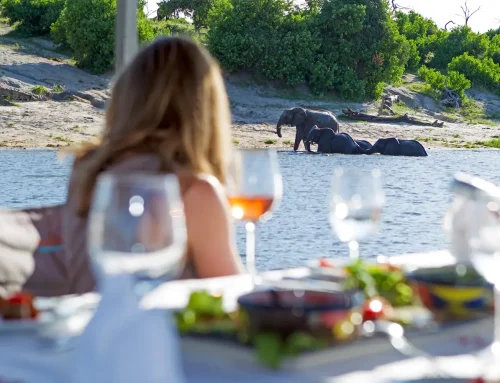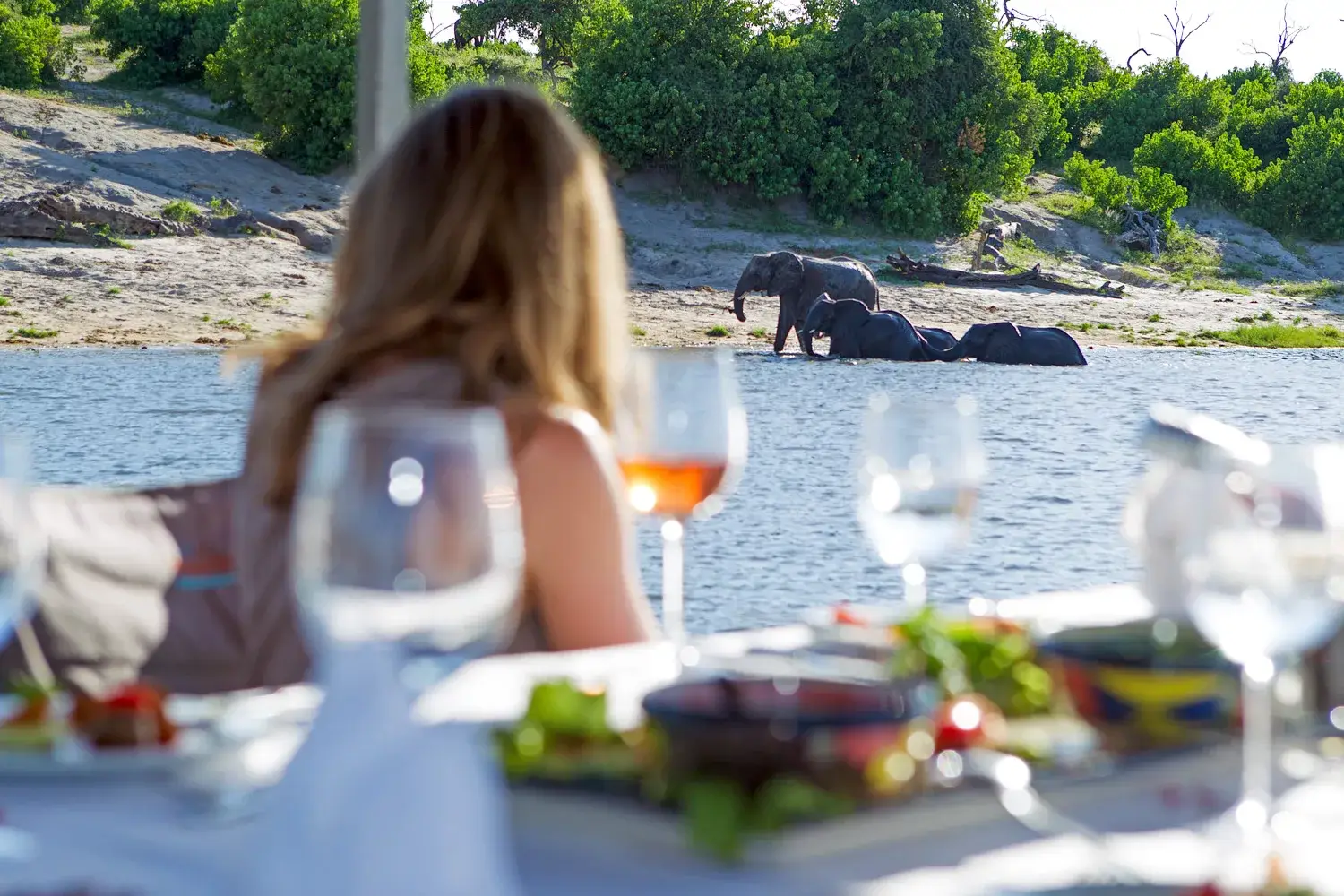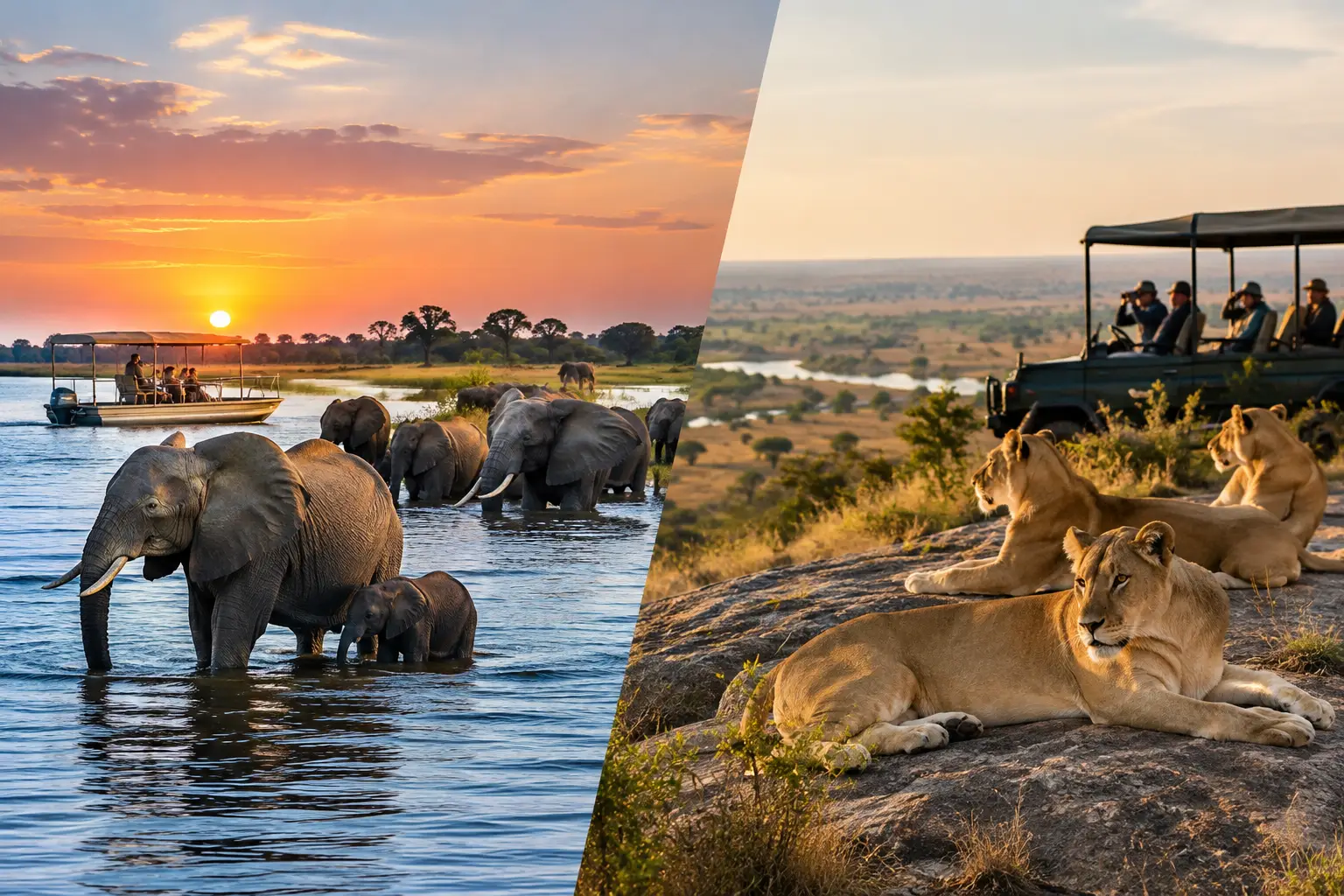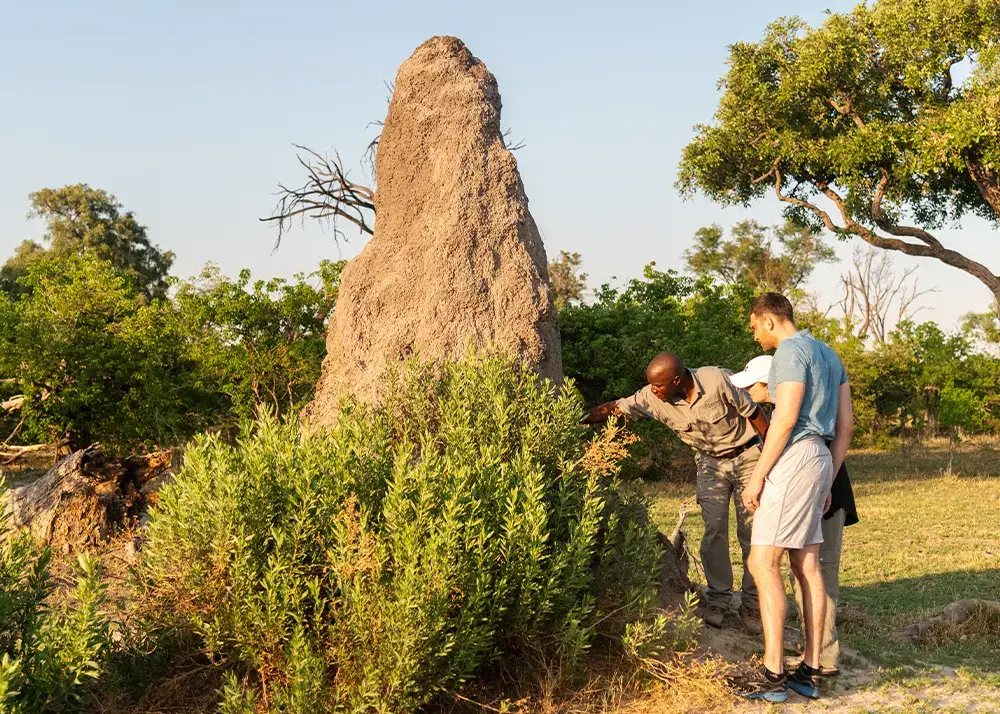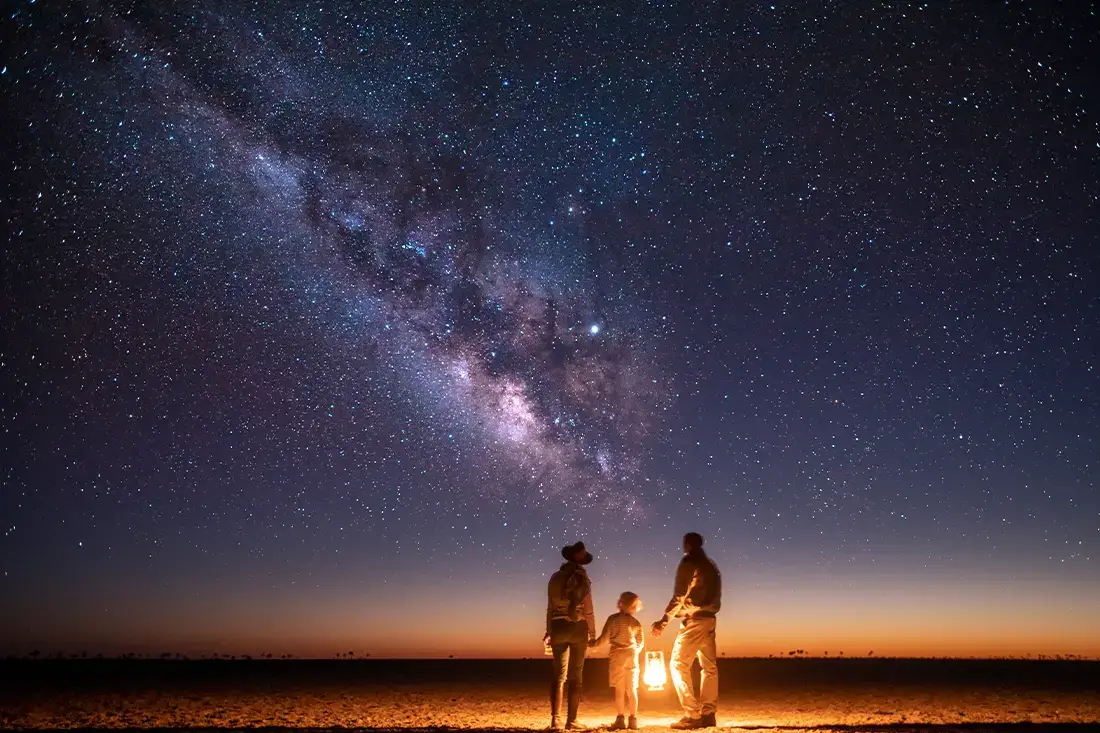
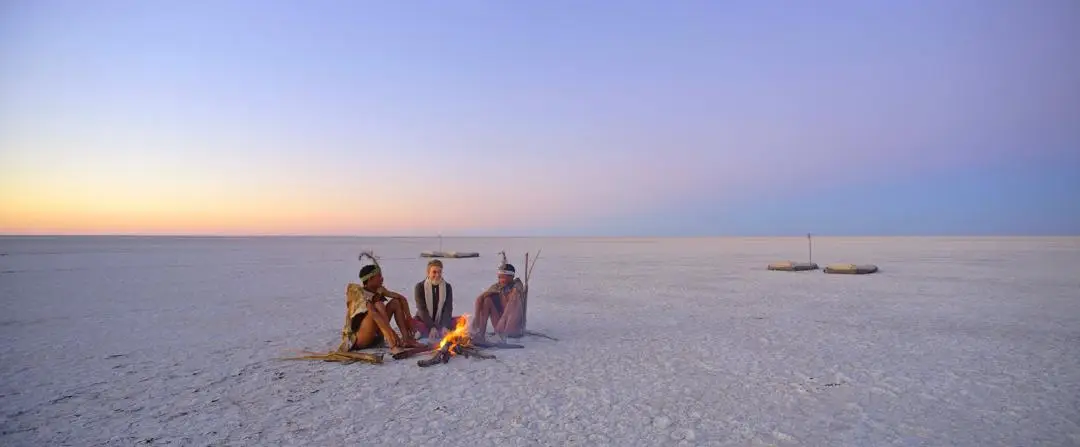
The difference can be felt before the first game drive. You arrive in Botswana’s wild north by light aircraft, meet a guide who knows the seasonal movements of elephant herds, and settle into a beautifully considered camp in a low-impact wilderness setting. A conservation focused safari example is not a safari where comfort is sacrificed for principle. It is a journey in which your comfort, access, and time in the wild are thoughtfully connected to the long-term care of the landscapes and communities that make the experience possible.
For discerning travelers, this matters because Africa’s great wildlife areas are not museum pieces. They are living places, shaped by water, weather, wildlife movement, local knowledge, and the choices made by visitors and tourism partners. In Botswana, a well-designed luxury safari can contribute to conservation while delivering the privacy, exceptional guiding, and sense of discovery that travelers come for.
What a Conservation Focused Safari Looks Like
A conservation-focused safari is defined less by a label than by the decisions behind it. It favors camps and experiences that operate sensitively in fragile ecosystems, employ and develop local people, respect wildlife space, and maintain a meaningful relationship with surrounding communities.
In practical terms, that might mean staying in a small tented camp on a private concession near the Okavango Delta, where guest numbers are deliberately limited and vehicles do not crowd a leopard sighting. It can mean traveling by mokoro through reed-lined channels with a local poler whose understanding of the Delta has been built over generations. It may include an evening with a conservation researcher, a visit arranged with a community enterprise, or simply the privilege of tracking wildlife slowly and respectfully rather than chasing a checklist.
Luxury remains central. The distinction lies in where that luxury comes from: excellent guiding, generous space, carefully prepared meals, beautiful camp design, and the rare freedom to experience wilderness without unnecessary intrusion.
A Botswana Conservation Focused Safari Example
Consider a nine-night private journey that begins in the Okavango Delta, continues into the Khwai area, and ends in the Linyanti or Savuti region of northern Botswana. Each destination reveals a different conservation story, while a privately tailored itinerary allows the pace to remain unhurried.
Days 1 to 3: The Okavango Delta and the value of water
Begin at an intimate Delta camp positioned to make the most of the floodplains, islands, and channels that define this extraordinary inland wetland. Depending on water levels and camp location, days may include mokoro excursions, boating, guided walks, and game drives.
Here, conservation is inseparable from the health of the wider Delta system. A camp with a light footprint, considered waste management, carefully managed water use, and limited guest capacity is not making a cosmetic gesture. In a wetland of global importance, operational discipline matters.
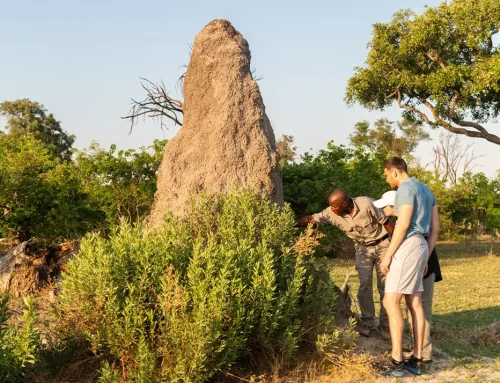
For guests, the result is often more meaningful than a busier safari rhythm. A mokoro outing can bring you close to painted reed frogs, kingfishers, and water lilies at a pace that leaves room for detail. On a guided walk, the focus shifts from dramatic sightings to tracks, bird calls, medicinal plants, and the smaller relationships that hold an ecosystem together.
The trade-off is that water activities are seasonal. During lower-water periods, a camp may offer more land-based exploration than boating or mokoro excursions. This is not a lesser experience, but it is a reason to match the camp and timing carefully to your priorities.
Days 4 to 6: Khwai and community-linked wilderness
From the Delta, continue to the Khwai region, an area known for productive game viewing and a strong connection between tourism, conservation, and local livelihoods. This is where a responsible itinerary can show how wildlife protection and community benefit need to work together.
A thoughtfully chosen camp may support local employment, skills development, supplier relationships, or community-led initiatives. Guests should not expect communities to perform culture for visitors. Meaningful cultural exchange is respectful, optional, and shaped around local consent and interests. When arranged well, it gives travelers a more grounded understanding of what it means to live alongside elephants, predators, and seasonal wildlife movements.
Khwai is particularly rewarding for travelers who value flexibility. Private guiding can allow more time at a wild dog den site from an appropriate distance, an early start for photography, or a quiet afternoon following elephant activity along the river. Responsible guiding means reading the moment: keeping a respectful distance, limiting time at sensitive sightings, and leaving space for animals to behave naturally.
This approach may mean that a guide chooses not to approach too closely, even when a sighting is exciting. That is a strength, not a missed opportunity. Wildlife encounters are richer when animals are not pressured to accommodate people.
Days 7 to 9: Linyanti or Savuti and the wider elephant landscape
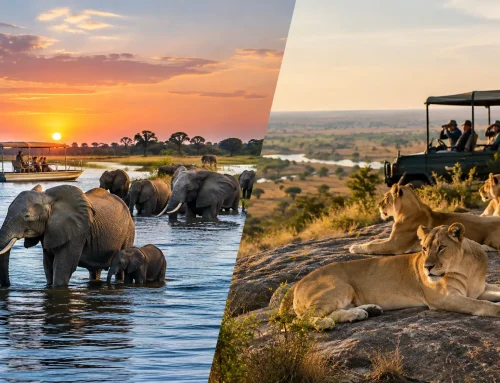
The final stage takes you north toward Linyanti or Savuti, landscapes associated with vast elephant herds, lion, buffalo, and expansive dry-season drama. The terrain feels different from the Delta – mopane woodland, riverfront, open marsh, and in Savuti, the powerful presence of shifting channels and predator country.
This portion of the journey offers a chance to understand conservation at scale. Elephants do not recognize the boundaries of a single lodge area. Their survival depends on connected habitats, protected corridors, responsible land management, and the ability of people and wildlife to coexist across a much wider region.
Choose a camp with experienced guides who place animal welfare above the pressure to produce a close encounter. A well-run safari does not need to crowd a breeding herd of elephants or block the path of a hunting lioness to be memorable. Often, the most lasting moments come from waiting quietly as a herd crosses a floodplain at dusk, hearing low rumbles carry through the trees, and knowing the scene has not been staged for your benefit.
How to Judge Whether a Safari Is Truly Responsible
The language of sustainability is widely used, so travelers should feel comfortable asking direct questions before they book. The answers should be specific rather than vague. Ask how a camp manages energy, water, waste, and plastic; how many guests and vehicles it accommodates; whether it has meaningful local employment and training; and how it contributes to conservation or community initiatives.
It is also worth asking about wildlife-viewing ethics. How are vehicle numbers managed at sightings? Are off-road drives permitted, and if so, under what conditions? How does the guiding team approach predators, nesting birds, or animals with young? There is no identical answer for every habitat. Off-road driving, for example, can be carefully controlled in some private areas yet inappropriate in others. What matters is that policies reflect the ecology of the place rather than a promise of guaranteed proximity.
A responsible safari also considers the journey between camps. Light aircraft flights are often the most practical way to access remote wilderness areas, and they create an extraordinary aerial perspective on Botswana’s waterways and wildlife corridors. They do carry an environmental cost, as does all long-haul travel. Rather than pretending otherwise, travelers can make the journey count by staying longer, choosing quality over constant movement, and supporting operators whose presence helps keep wilderness economically valuable as wilderness.
Conservation and Comfort Can Belong Together
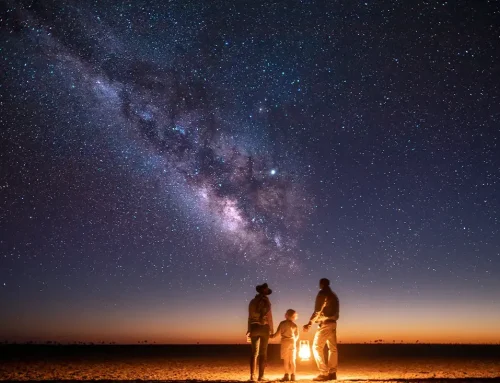
Some travelers assume responsible travel requires roughing it. Botswana offers a more refined proposition. You may return from a dawn drive to a hot shower, enjoy a private dinner beneath a canopy of stars, and sleep beneath crisp linens while knowing that the camp’s design and operating model have been shaped around its environment.
The best conservation-minded camps do not ask guests to compromise on care. They channel care into the experience itself: smaller guest numbers, highly trained guides, more attentive hosting, thoughtful cuisine, and a stronger sense of place. These details are not incidental to luxury. They are luxury with purpose.
For families, this can create conversations that extend well beyond the trip. For honeymooners, it adds depth to an already intimate journey. For photographers and returning safari travelers, it offers the patience and access needed to observe behavior rather than simply collect images.
Designing the Right Journey
No single itinerary is right for every conservation-minded traveler. A photographer may prioritize extended time in one concession, private vehicle access, and seasonal predator activity. A family might balance wildlife areas with a gentle cultural encounter and a camp able to welcome different ages comfortably. A couple combining Botswana with Victoria Falls, Cape Town, Rwanda, or the Indian Ocean may want to concentrate their safari nights in fewer, exceptional wilderness locations.
At Chloorokop Travel & Tours, we design Botswana safaris around these individual choices, coordinating camps, flights, guiding, and onward travel with close attention to both experience and impact. The aim is not to turn conservation into a slogan. It is to create a journey that feels personal, beautifully managed, and worthy of the places that welcome you.
Choose the camp that gives you time to listen, the guide who knows when to wait, and the itinerary that leaves room for the wild to remain wild. Travel beautifully. Leave meaningfully.