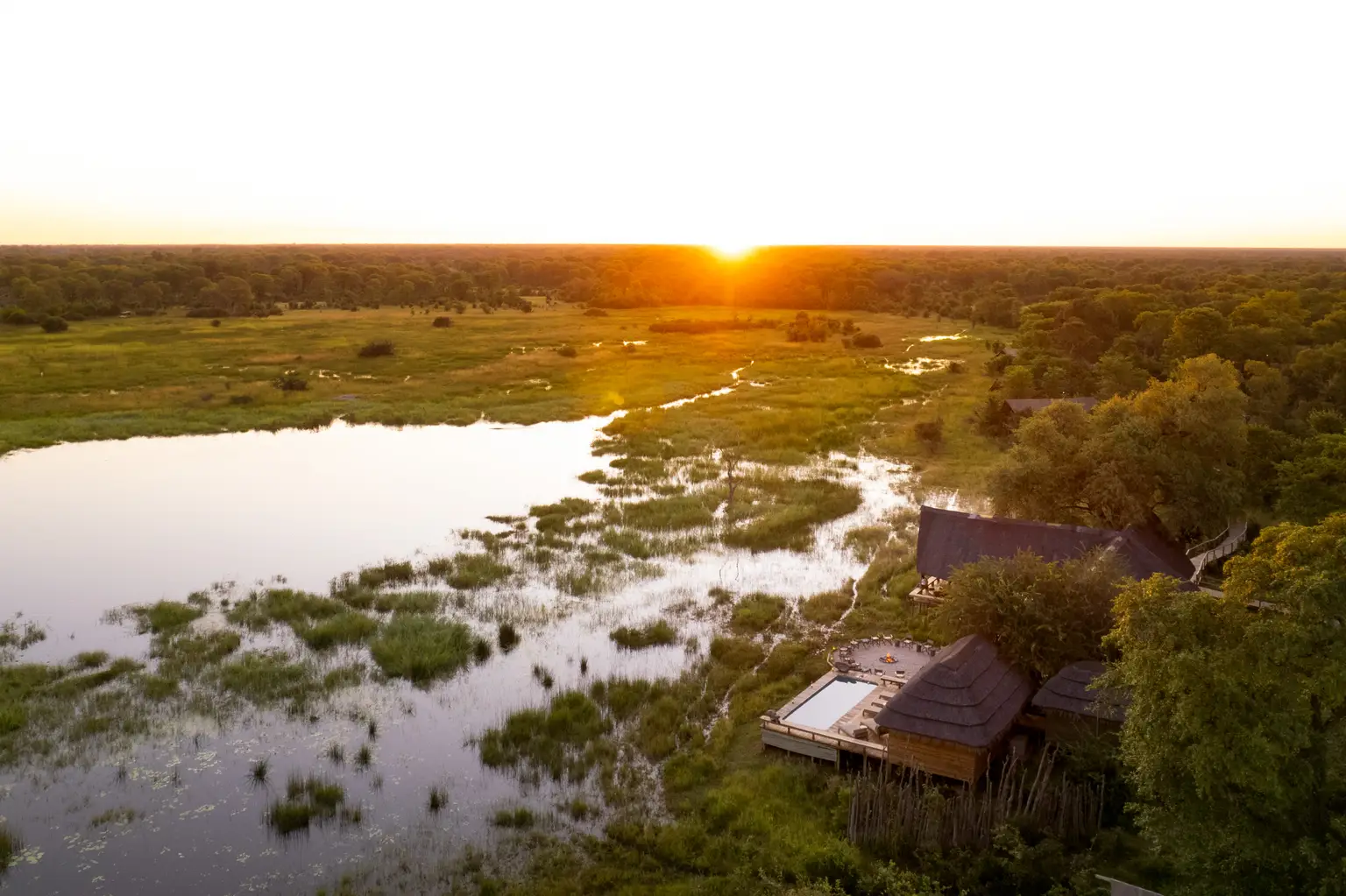
A private air charter can turn a complicated African itinerary into time spent where it matters: following a leopard through Moremi, landing near the quiet waterways of the Okavango Delta, or arriving at Victoria Falls without surrendering a day to connections. This private air charter guide is designed for travelers who value privacy, flexibility, and thoughtful planning, but also want a clear view of when chartering makes sense.
For a Botswana-focused safari, flying privately is not simply about traveling in greater comfort. It can be the most practical way to link remote wilderness areas, accommodate a family or private party, protect valuable time, and shape the journey around your own pace. The right choice depends on the route, number of travelers, luggage, season, and the kind of experience you want on the ground.
What Private Air Charter Means on Safari
Private air charter means reserving an aircraft for your party and itinerary rather than booking individual seats on a scheduled flight. The aircraft, departure time, and routing are arranged around your journey, subject to airstrip operating hours, weather, aviation regulations, and aircraft performance.
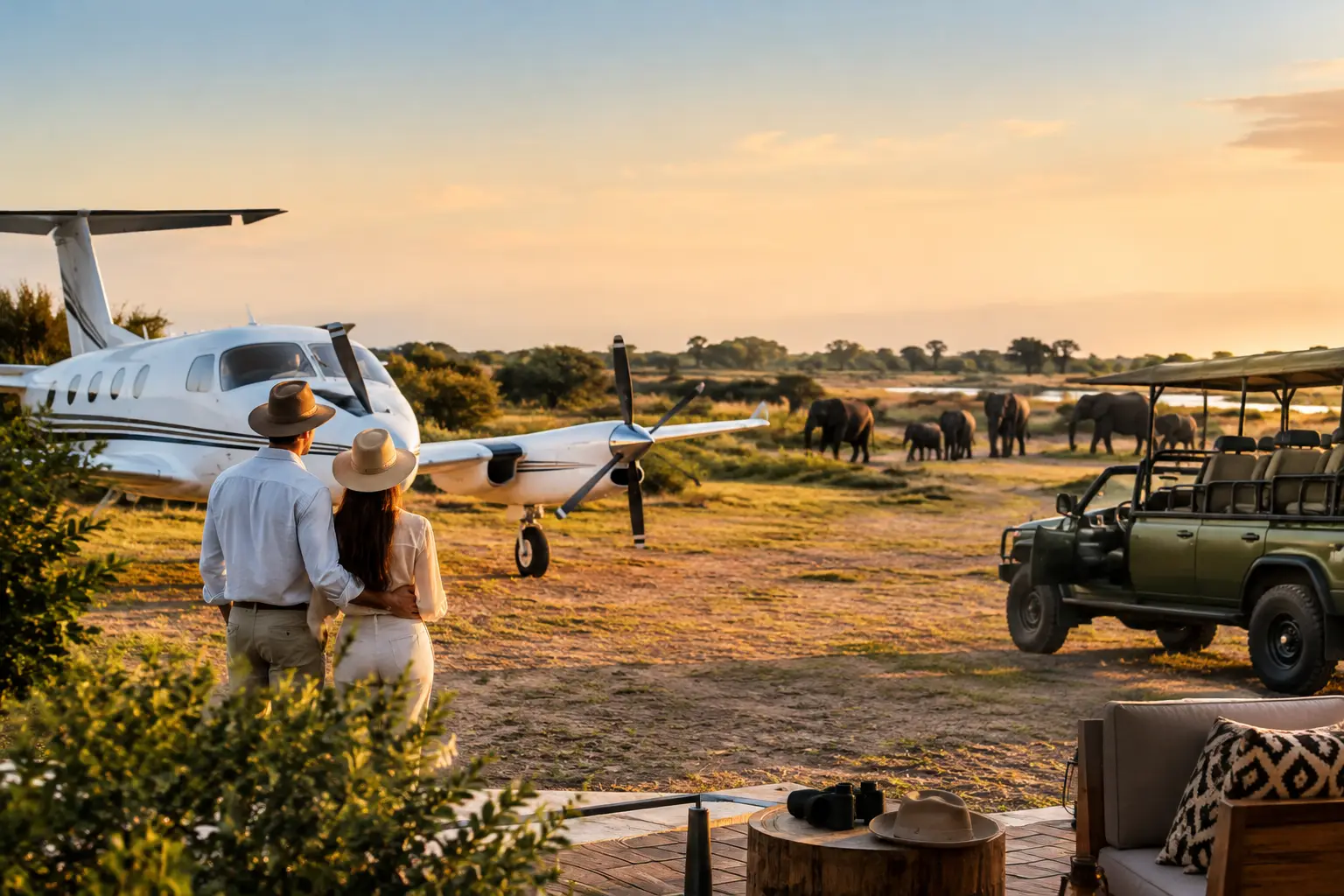
In safari country, this often involves light aircraft rather than a large private jet. A turboprop or bush plane may connect Maun with the Okavango Delta, Khwai, Linyanti, Savuti, Chobe, or the Makgadikgadi. These flights land on small wilderness airstrips, often close to a lodge or camp, where a guide can meet you on arrival.
A private jet may be appropriate for an international or regional sector, such as Johannesburg to Maun, Cape Town to Victoria Falls, or a multi-country journey with a larger party. From there, smaller charter aircraft can continue into the safari areas. One aircraft type rarely suits every leg, and that is precisely why itinerary-level planning matters.
When a Private Charter Adds Real Value
The clearest advantage is control of time. Scheduled safari flights are excellent for many itineraries, but they follow set routing and may include stops to collect or drop other guests. A private charter can depart at a time that works for your party, within operational limits, and fly directly where a suitable airstrip is available.
This can be especially valuable for families with young children, honeymooners seeking added privacy, photographers traveling with specialized equipment, or groups celebrating a significant occasion. It also helps when an itinerary combines several regions that do not connect neatly by scheduled air, such as a Delta camp, a private concession in Linyanti, and a Victoria Falls stay.
Private flying can also make a short safari more rewarding. If you have six nights rather than ten, avoiding unnecessary backtracking can preserve an extra game drive, a long breakfast overlooking the floodplains, or an unhurried afternoon at camp. The value is not only measured in flight time. It is measured in the quality of the time you regain.
There are trade-offs. Chartering is generally best suited to travelers placing a premium on privacy and schedule flexibility, especially when costs can be shared among several guests. For a couple traveling a straightforward route, scheduled light-aircraft transfers may offer an equally beautiful and more proportionate solution. A well-designed journey should use charter flights where they improve the experience, not simply because they are available.
Choosing the Right Aircraft and Routing
Aircraft selection begins with practical details. Party size, total baggage weight, photographic gear, mobility needs, preferred departure times, and the landing conditions at each airstrip all influence what can be arranged. Soft-sided bags are often required on light aircraft, and baggage allowances can be stricter than travelers expect, even on a private charter.
A six-seat aircraft does not always mean six adults can travel with unrestricted luggage. High temperatures, short or unpaved runways, fuel requirements, and the distance between airstrips can affect payload. During the green season, weather may also shape departure timing. An experienced safari planner accounts for these details before confirming the route, rather than treating them as an afterthought.
It is also worth considering the rhythm of the itinerary. A beautifully planned Botswana safari does not need a flight every day. Pairing two or three nights in the water-rich Okavango Delta with a contrasting stay in the predator country of Khwai or the elephant-rich Chobe and Linyanti region often creates a fuller experience than moving constantly.
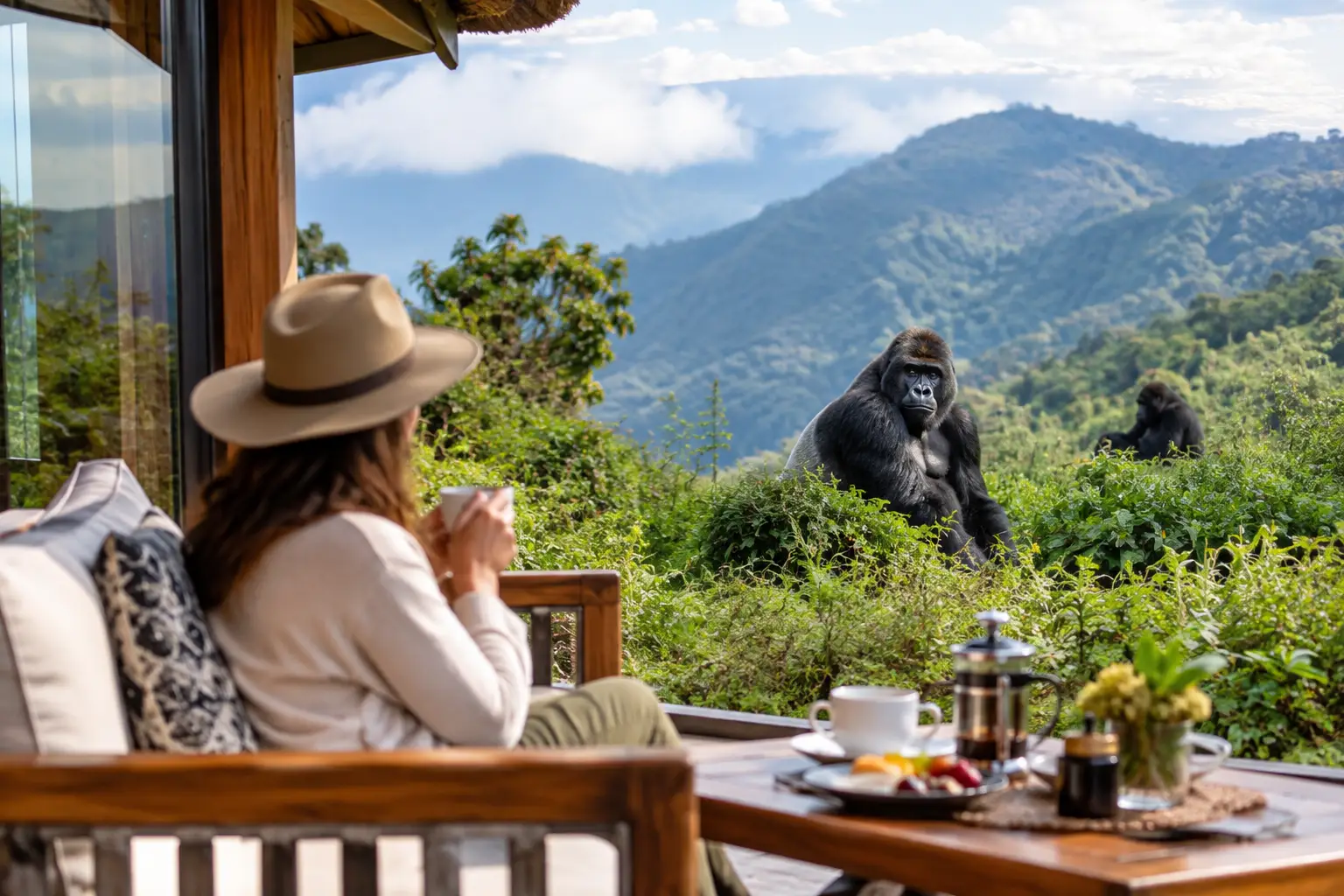
For longer African journeys, private air can connect destinations with very different character. You might combine Botswana’s wilderness with Victoria Falls in Zimbabwe or Zambia, the vineyards and galleries of Cape Town, a Mozambican beach retreat, or gorilla trekking in Rwanda or Uganda. Each addition should earn its place. More destinations do not automatically create a better journey.
A note on wilderness airstrips
A remote-airstrip arrival is part of the safari experience, not a scaled-down version of a commercial airport transfer. There may be no terminal building, no baggage belt, and no visible road beyond the airstrip. Instead, you may be welcomed by your guide, watch impala move through the grass nearby, and begin the drive to camp with wildlife already in view.
That sense of immediacy requires respect for local conditions. Flights can shift for weather, wildlife near the runway, or changing operational requirements. Flexibility is built into wilderness travel, and a capable ground-handling team monitors every sector closely.
Questions to Ask Before You Charter
Before approving a charter proposal, ask how the routing improves your specific safari rather than focusing only on the aircraft. A useful plan should explain the anticipated flying times, any likely fuel stops, airstrip hours, baggage requirements, and what happens if weather affects the schedule.
You should also ask whether the charter is exclusive to your party, whether the quoted arrangement includes all relevant aviation charges, and how transfers will be coordinated on both ends. For families, confirm child seating requirements and whether the aircraft configuration is suitable for your group. For photographers, discuss equipment dimensions and weight early, not after camps have been selected.
Travelers sometimes assume a private flight eliminates every constraint. It does not. Remote destinations remain governed by daylight, weather, conservation rules, and aviation safety. What chartering provides is a more tailored response to those realities, with fewer compromises imposed by a shared schedule.
Private Flying and Responsible Safari Travel
Private air travel carries an environmental consideration, and it should be approached honestly. Aircraft emissions are part of the decision. Yet aviation can also reduce long overland journeys on sensitive routes and provide access to camps that operate with a light physical footprint in areas without conventional road infrastructure.
The most responsible approach is to fly with purpose: select an itinerary with sensible routing, avoid needless backtracking, stay long enough in each place to make the journey meaningful, and choose properties that support conservation and neighboring communities. In Botswana, tourism revenue plays a significant role in protecting wildlife habitat and sustaining livelihoods linked to wilderness areas.
Responsible travel also means treating airstrips and camps as shared natural spaces. Follow crew and guide instructions, keep a respectful distance from wildlife, and understand that operational decisions will always prioritize safety and the environment over a preferred timetable.
Making a Charter Feel Effortless
The best charter arrangements are rarely noticeable to the guest because the details have been handled in advance. Your team knows your flight arrival time, lodge check-in preferences, dietary requirements, celebration plans, and the onward connection that cannot be missed. If your international flight changes, there is a clear response plan rather than a scramble at the airport.
This level of coordination is particularly important on journeys spanning Botswana and multiple African countries. Border procedures, luggage handling, meet-and-greet services, charter permits, and lodge transfers need to work as one considered itinerary. Private air should enhance the freedom of the journey, not introduce another layer for you to manage.
For travelers drawn to Botswana’s wide horizons, private air charter is best viewed as a tool for designing time well. Chloorokop Travel & Tours can shape the right balance of private flights, scheduled transfers, exceptional camps, and deeply personal experiences, so every mile leads more directly into Africa’s wild places and living cultures.
Travel beautifully, leave meaningfully, and allow the route to be as considered as the destination.