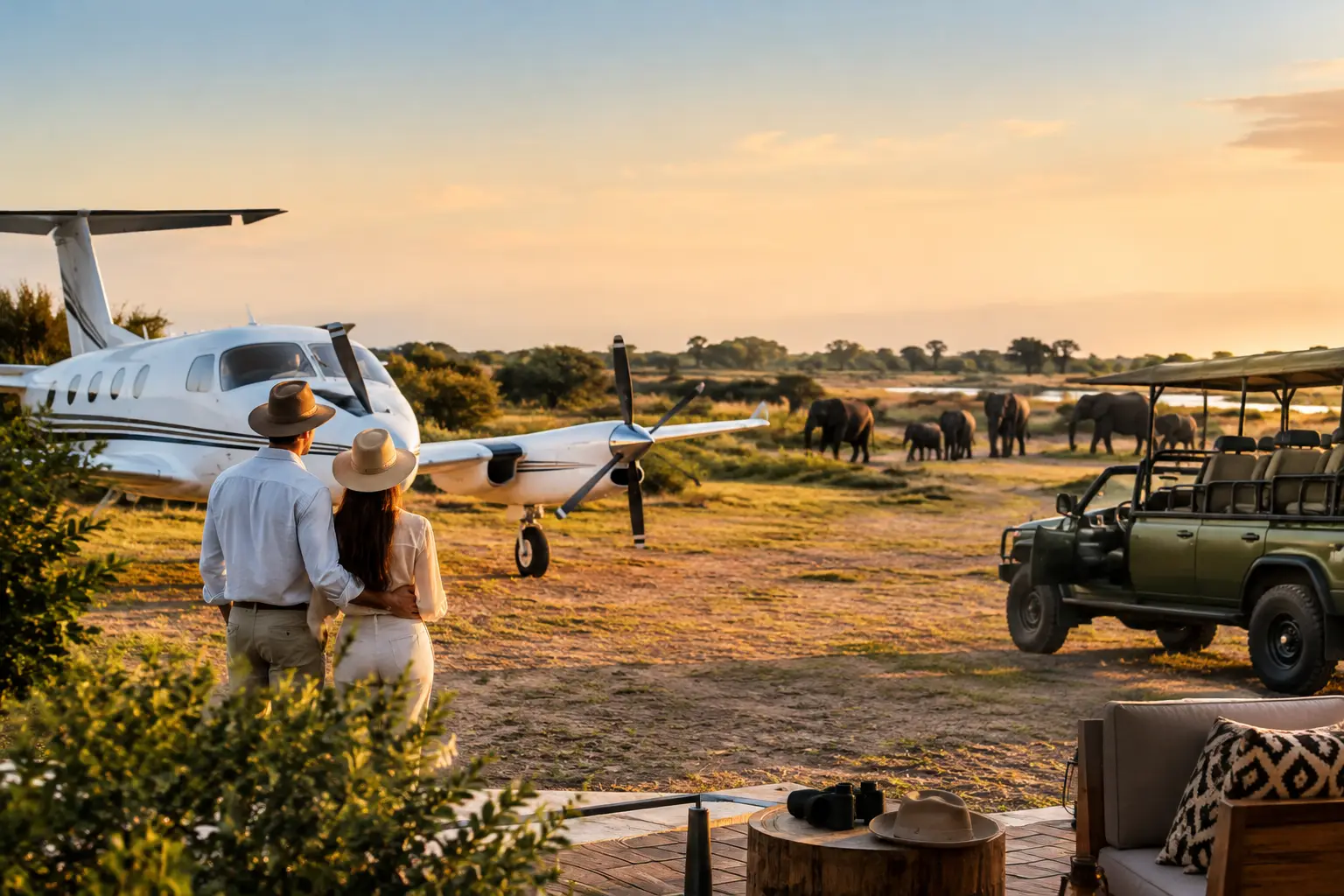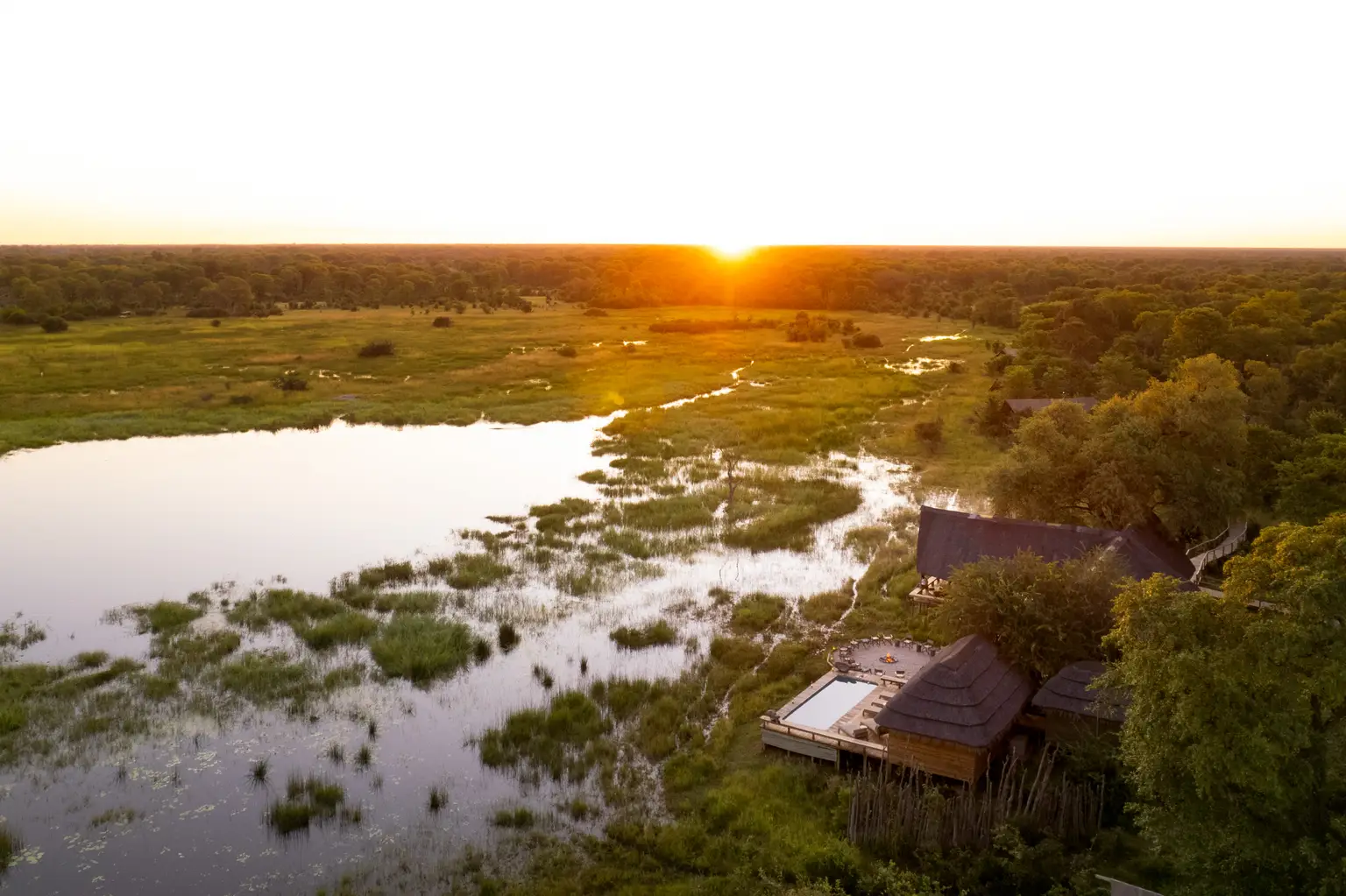
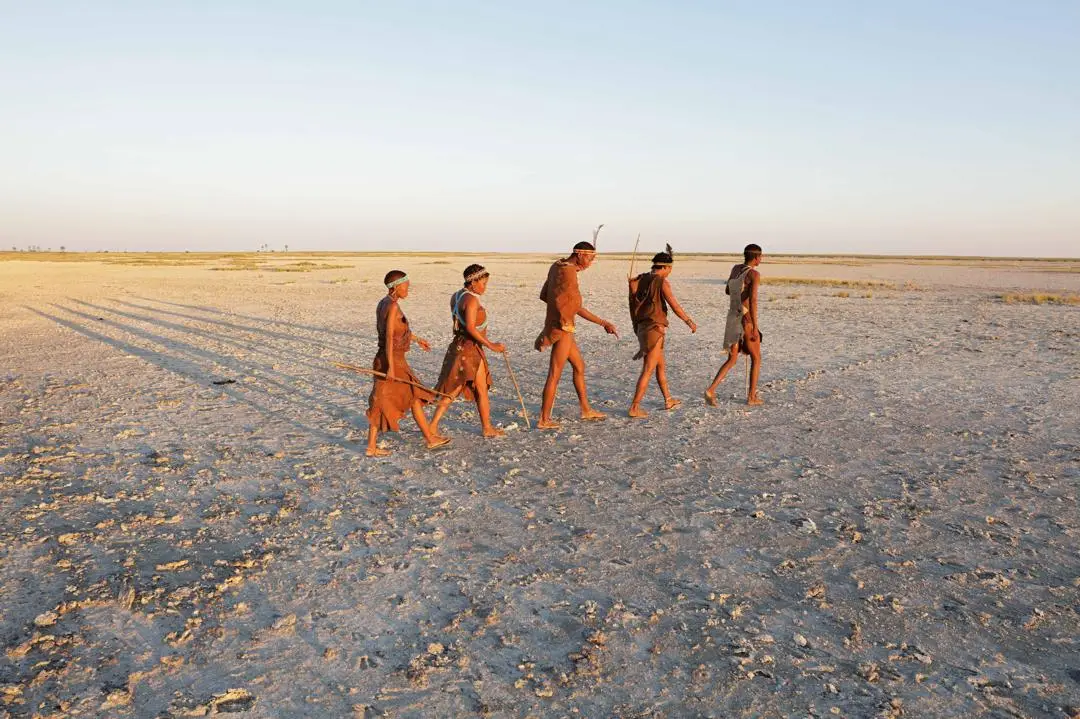
A morning game drive in the Okavango Delta may bring you close to elephant herds moving through reeds. Later, a conversation with a local guide can reveal why a particular waterway, tree, or seasonal movement holds meaning beyond what appears on a map. That shift in perspective is at the heart of how to enjoy cultural safaris: arrive curious, listen closely, and allow the people of a place to shape your understanding of it.
A cultural safari is not a performance added between wildlife activities. At its best, it is a considered encounter with living traditions, contemporary life, knowledge systems, food, craft, history, and the communities whose relationship with the land has helped shape the landscapes travelers come to admire. It deserves the same care as choosing a private guide or an exceptional camp.
What Makes a Cultural Safari Meaningful?
Wildlife and culture are often presented as separate parts of an African journey. In Botswana, they are deeply connected. The seasonal floodwaters of the Delta influence where people travel and fish. The Kalahari carries generations of San knowledge about tracks, plants, weather, and survival. In the Chobe region, rivers have long been routes for movement, trade, and daily life.
Meaningful cultural travel does not promise access to every tradition or household. Some stories, ceremonies, and sacred places are private, and that boundary should be respected. The value lies in experiences that are hosted on local terms, where the people sharing their world have agency, are properly compensated, and can decide what they wish visitors to understand.
For luxury travelers, this approach also brings a more personal journey. Rather than passing through with a camera and a timetable, you have time to meet people, ask informed questions, and understand the context behind the landscapes you are traveling through.
How to Enjoy Cultural Safaris Without Treating Culture as a Spectacle
The simplest rule is to approach each encounter as a guest, not an observer collecting content. Cultural experiences can be relaxed and joyful, but they are never owed to the visitor. A warm welcome is an invitation to participate thoughtfully, not permission to take over the moment.
Let local hosts lead the experience
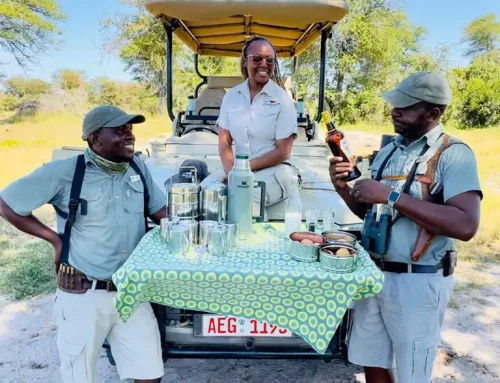
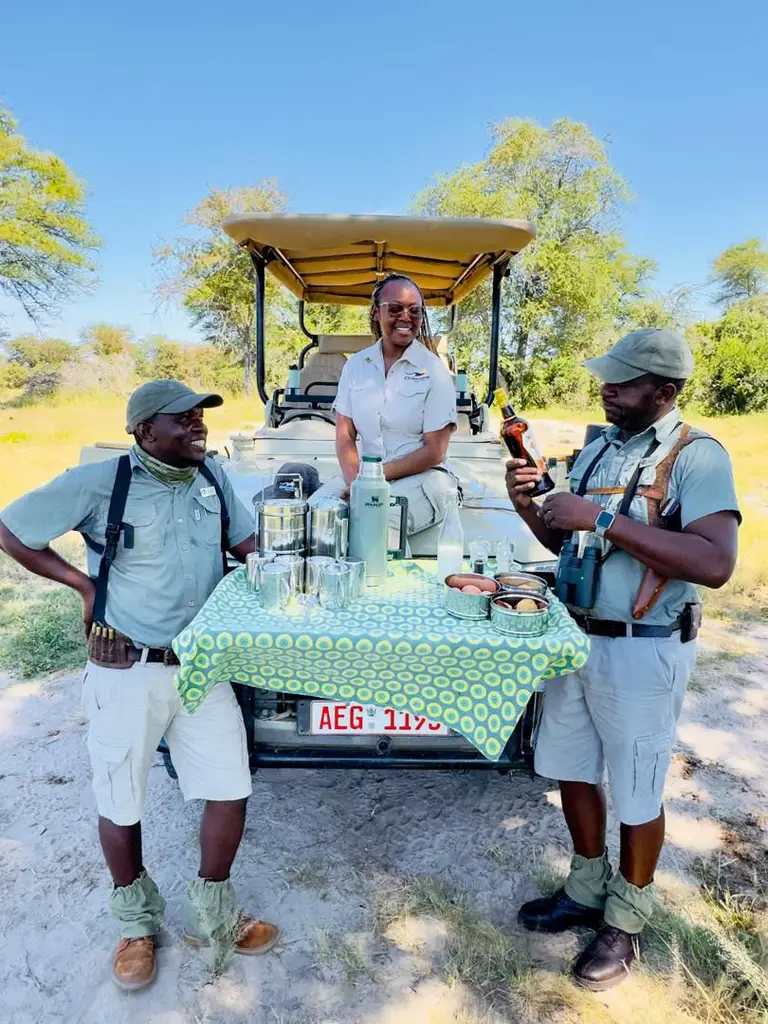
The strongest cultural encounters are guided by people from the community or cultural tradition being shared. They decide the pace, explain what matters, and bring lived experience that no script can replace. A knowledgeable local guide can also help bridge language and etiquette with discretion.
This may mean a smaller setting rather than a highly choreographed visit. It may mean accepting that plans change around family responsibilities, weather, or community events. That flexibility is part of traveling well. A tailor-made itinerary allows room for genuine exchanges rather than forcing every moment into a rigid schedule.
Ask better questions
Questions can turn a brief meeting into a memorable conversation. Instead of asking people to explain an entire culture, begin with what is in front of you: a basket-weaving technique, a family recipe, a cattle-post tradition, a fishing method, or the changing rhythm of the seasons.
Ask what the host would like travelers to understand about their community today. Ask how tourism has changed the area, what young people are learning, or what conservation means from their perspective. Listen for modern realities as well as heritage. African communities are not frozen in time, and a respectful safari should leave space for complexity.
Seek permission before photographs
Photography is often where good intentions can fall short. Always ask before taking a portrait, recording audio, or filming. If someone declines, accept the answer immediately and warmly. Do not photograph children without clear permission from a parent or guardian, and do not assume that a public setting makes photography appropriate.
There are moments when putting the camera away is the most respectful choice. You will remember the laughter around a cooking fire or the concentration in a craft demonstration more vividly when you have been fully present for it.
Choose Experiences That Create Local Value
Responsible cultural safaris should bring direct, visible value to the communities involved. This can include fair payment for hosts and guides, locally owned enterprises, skills development, employment, and support for cultural preservation initiatives. The details matter, which is why experienced ground handling and trusted relationships are essential.
Look for experiences with a clear connection to place. In Botswana, a community-guided walk near the Khwai area may offer insight into the region’s wildlife corridors and village life. In the Makgadikgadi, time with local hosts can add depth to a journey through vast salt pans and ancestral landscapes. In the Central Kalahari, interpretation led by people with intimate knowledge of the environment can change the way you see an apparently empty horizon.
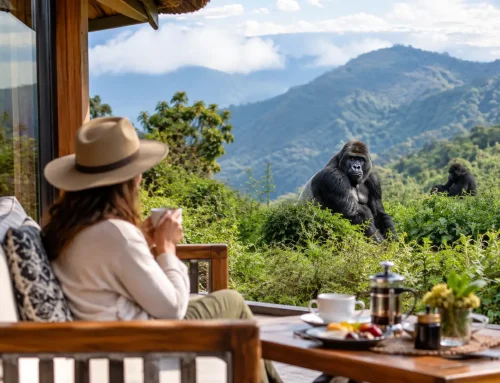
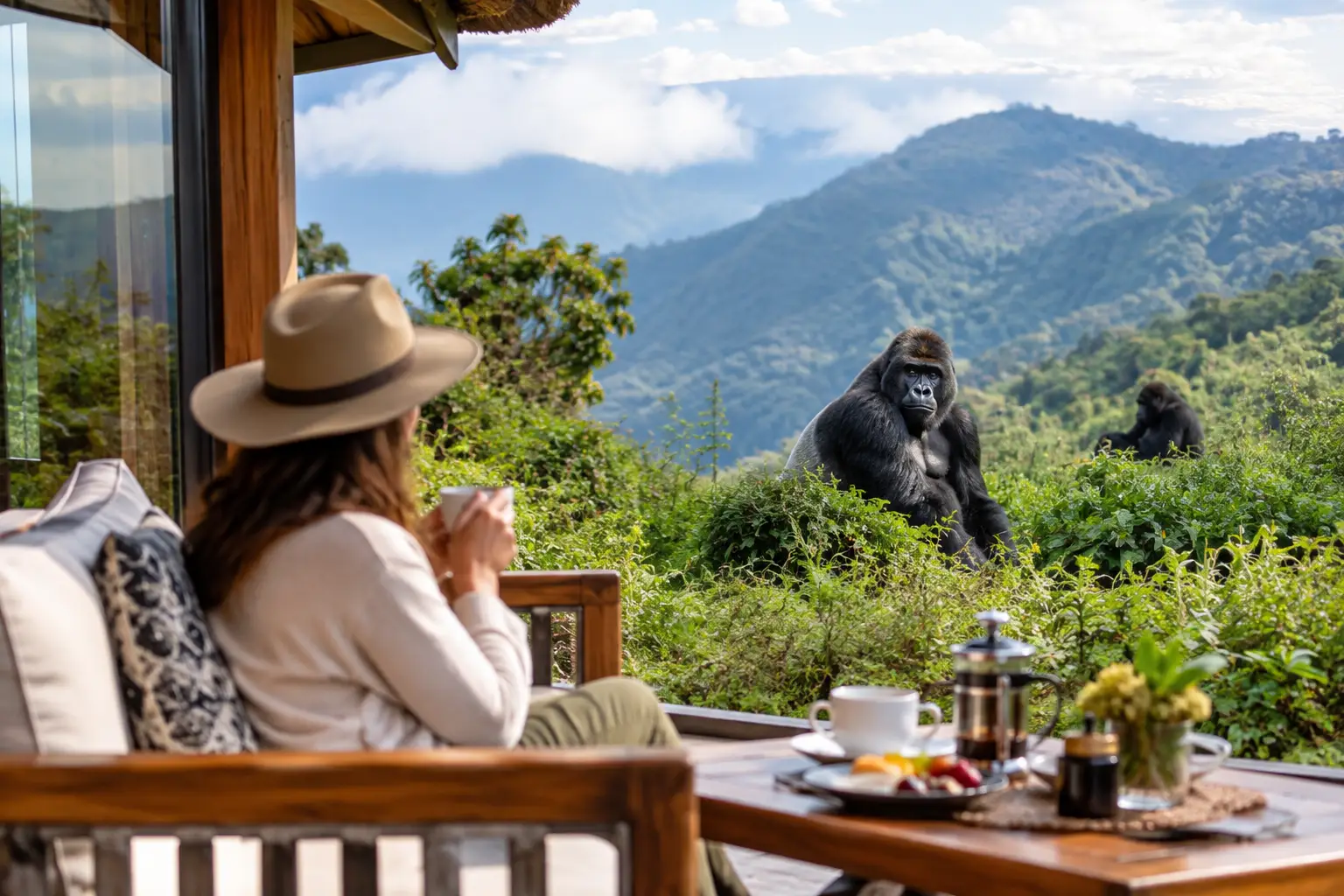
Beyond Botswana, cultural dimensions can enrich a wider African itinerary. A Victoria Falls extension may include perspectives on the Zambezi that go beyond its dramatic spray. In South Africa, Cape Town and the Winelands can be experienced through food, design, history, and contemporary creativity. In Rwanda or Uganda, community-led experiences can bring context to a gorilla trekking journey without distracting from the care required around the primates themselves.
The right experience depends on your interests and comfort level. Families may prefer hands-on cooking, storytelling, or craft sessions with a gentle pace. Honeymooners may value a private visit arranged around their interests. Returning safari travelers may want more time with specialist guides, historians, artists, or conservation practitioners. There is no single ideal format, only a well-matched one.
Balance Cultural Time With Wilderness Time
A cultural safari should not feel like a checklist, and neither should it crowd out the restorative quality of being in the bush. The most rewarding itineraries create a rhythm between early mornings in the wilderness, unhurried afternoons, and carefully timed community experiences.
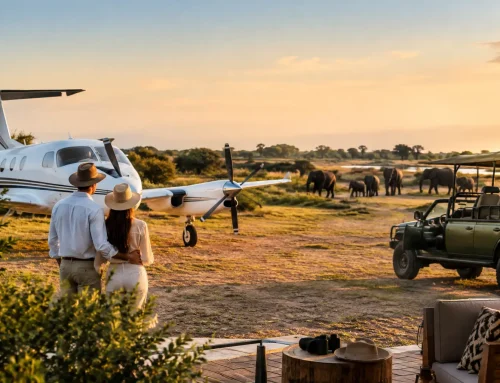
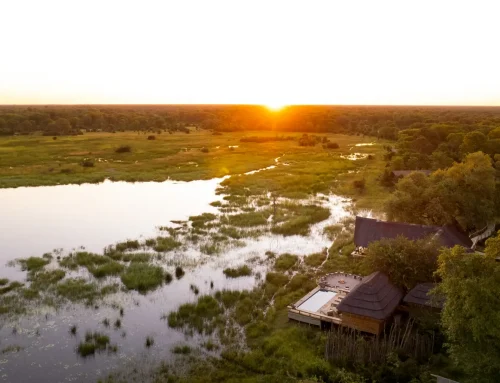
For example, guests might begin in a private Delta concession, where mokoro excursions and game drives reveal the changing waterscape, then continue to Chobe for river-based wildlife viewing and a meaningful local encounter. From there, a journey can extend to Zimbabwe, Zambia, Namibia, or South Africa without losing its sense of ease.
Pacing matters especially when traveling with children or across several countries. Cultural visits often require attention and engagement, while safari days can start early and involve light-aircraft transfers. A skilled itinerary designer considers energy levels, travel times, privacy, and the value of leaving room for spontaneous moments.
Prepare Before You Arrive
A small amount of preparation helps travelers show up with confidence. Read about the destination’s history, but avoid arriving with fixed assumptions about what you will see. Learn a few greetings if appropriate, understand basic local etiquette, and dress in a way that is comfortable yet considerate for the setting.
It is also worth discussing expectations with your travel designer before departure. Be honest about what interests you: contemporary culture, community conservation, cuisine, music, textile arts, heritage, faith traditions, or rural life. Just as importantly, share what you would rather avoid. Not every traveler enjoys formal presentations or participatory activities, and forcing an experience rarely produces a meaningful outcome.
At Chloorokop Travel & Tours, cultural elements can be designed around the wider journey rather than added as an afterthought. The aim is not to fill every hour. It is to arrange the right introductions, with credible local partners, while maintaining the privacy, comfort, and thoughtful logistics expected of a bespoke African safari.
Leave a Positive Impression, Not Just Footprints
Respect continues after the visit. Buy directly from artisans when it is appropriate and when you genuinely value the work. Avoid bargaining aggressively over handmade items, especially when prices reflect skill, materials, and limited production. Follow local guidance on gifts and donations rather than handing out items impulsively, which can create uncomfortable expectations.
Share your experience carefully, too. If you post photographs or stories, use names only with permission and avoid captions that reduce people to symbols of a destination. Consider describing what you learned rather than presenting yourself as the central character. This is a small but meaningful way to honor the generosity of your hosts.
The finest cultural safaris do not leave travelers feeling that they have consumed a place. They leave them more attentive to it. When wilderness, hospitality, and community knowledge are experienced with care, Africa becomes not simply a destination on an itinerary, but a relationship you carry home with greater humility and lasting respect.